
Directing
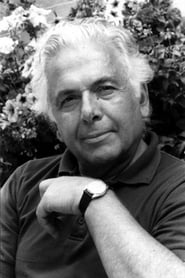
Ebrahim Golestan
Born — Died
1922-10-19 — 2023-08-22
Place of birth
Shiraz, Iran
Known for
Directing
Credits
36 titles
Ebrahim Golestan (Taghavi Shirazi) (also spelt Ibrahim Golestan, Persian: ابراهیم گلستان), (born October 19, 1922 in Shiraz, Iran) is an Iranian filmmaker and literary figure with a career spanning half a century. He has lived in Sussex, United Kingdom, since 1975. He was closely associated with the controversial and eminent Iranian poet Forough Farrokhzad until her death, whom he met at his studio in 1958. He is said to have inspired her to live more independently.
Known for
 7.5
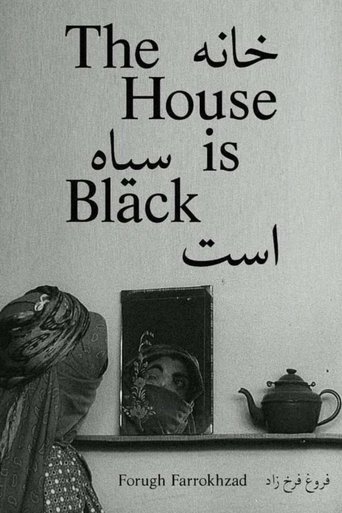
7.5Set in a leper colony in the north of Iran, The House is Black juxtaposes "ugliness," of which there is much in the world as stated in the opening scenes, with religion and gratitude.
The House Is Black
1963
 NR
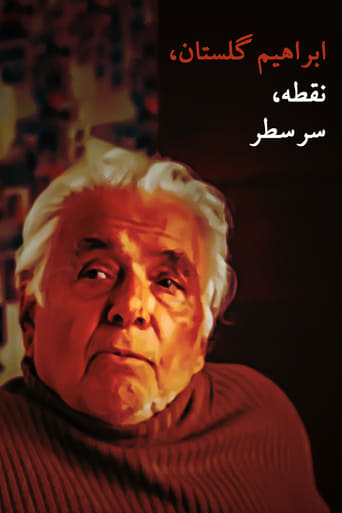
NRThis documentary that its filming has taken 10 years long, has shows a new picture of Ebrahim Golestan, Iranian filmmaker and literary figure of the 20th century.
Ebrahim Golestan, Full stop
2018
 10.0
10.0Ebrahim Golestan's contribution to an anthology film about the rites of betrothal in four separate countries.
Courtship
1961
 8.1
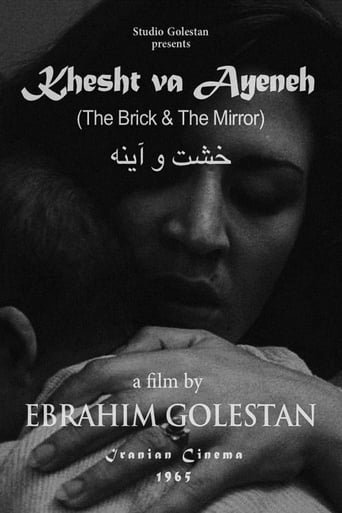
8.1Hashem is a cab driver who finds an infant child in the back seat of his cab one night after he gives a ride to a young woman. Hashem and his girlfriend, Taji, try to cope with this unwanted child. Hashem insists on getting rid of the child, Taji on keeping him.
The Brick and the Mirror
1966
 0.5
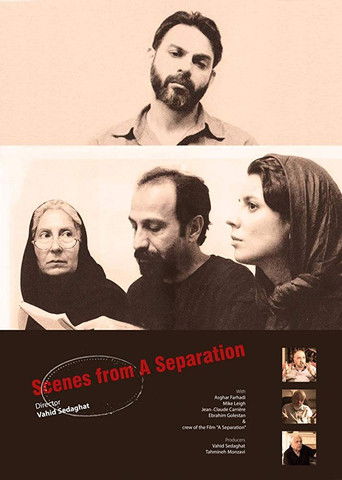
0.5Documentary showing behind-the-scenes footage of the film 'Nader and Simin, A Separation'. Director Asghar Farhadi himself talks about his film and how the idea for it came about.
Scenes from A Separation
2018
 7.0
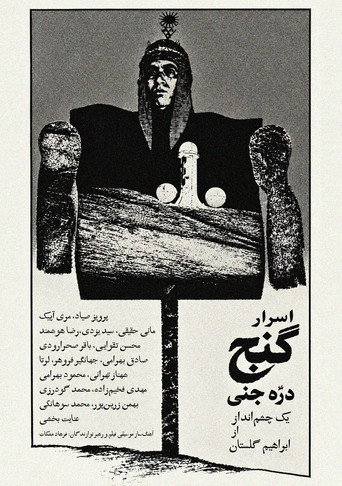
7.0A poor rural farmer unearths an ancient burial chamber loaded with gold artifacts on his arid land, which plunges him into a deep descent of greed and madness. As his growing obsession consumes him, the overwhelming chaos impacts everyone around him.
The Ghost Valley's Treasure Mysteries
1974
Film credits
2010s · 4 titles
NRThis documentary that its filming has taken 10 years long, has shows a new picture of Ebrahim Golestan, Iranian filmmaker and literary figure of the 20th century.
Ebrahim Golestan, Full stop
2018
0.5Documentary showing behind-the-scenes footage of the film 'Nader and Simin, A Separation'. Director Asghar Farhadi himself talks about his film and how the idea for it came about.
Scenes from A Separation
2018
 NR
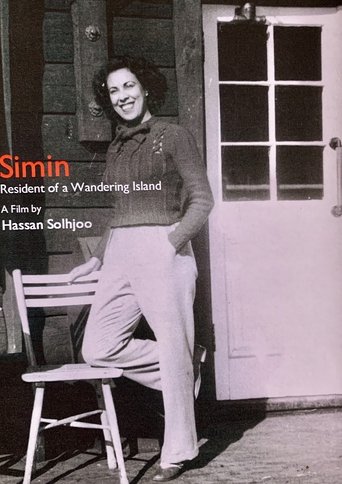
NRSimin Daneshvar was an Iranian pioneering novelist who lived nearly for a century and under 3 different political regimes. She and her husband, (Jalal Al Ahamd) have been regarded as "Iranian Simone de Beauvoir, and Jean-Paul Sartre". But they had a very different fate. Simin's life is a mirror of what has happened to Iranian women throughout a century, from unveiling the hijab and playing important roles in society to imposing hijab and staying at home in the Islamic regime. This film looks at her life through the history of women's movement in Iran.
Simin, Resident of a Wandering Island
2013
 NR
NRA documentary about Farrokh Ghaffari, Iranian filmmaker.
Bonjour Monsieur Ghaffari
2011
1960s · 6 titles
7.5Set in a leper colony in the north of Iran, The House is Black juxtaposes "ugliness," of which there is much in the world as stated in the opening scenes, with religion and gratitude.
The House Is Black
1963
8.1Hashem is a cab driver who finds an infant child in the back seat of his cab one night after he gives a ride to a young woman. Hashem and his girlfriend, Taji, try to cope with this unwanted child. Hashem insists on getting rid of the child, Taji on keeping him.
The Brick and the Mirror
1966
 5.2
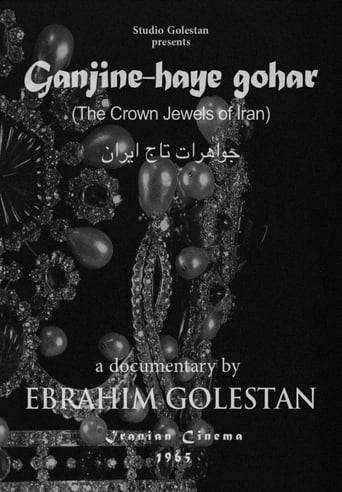
5.2The Crown Jewels of Iran is a 1965 film commissioned and then banned by the Shah’s cultural ministry, featuring dazzling edits and camera movements and a charged narration assaulting economic disparities.
The Crown Jewels of Iran
1965
 9.0
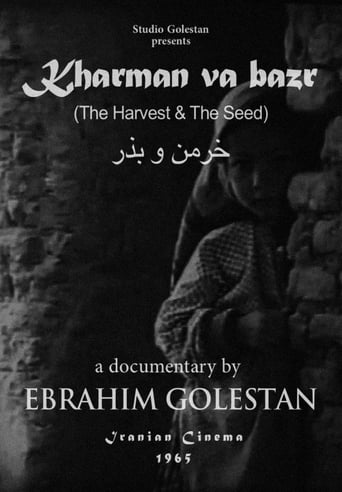
9.0The banned and unseen Harvest and Seed is a sardonic look at the conditions of a poverty-stricken Iranian village after the so-called agrarian reforms of the early 1960s, which amounted to a corrupt land grab rather than an equitable redistribution of wealth. This film recorded in village in south of fars, Shiraz, Esmaeel abad
Harvest and Seed
1965
 7.0
7.0A documentary about the oil pipe installation in Khark, Iran in 1962.
Wave, Coral and Rock
1962
 6.0
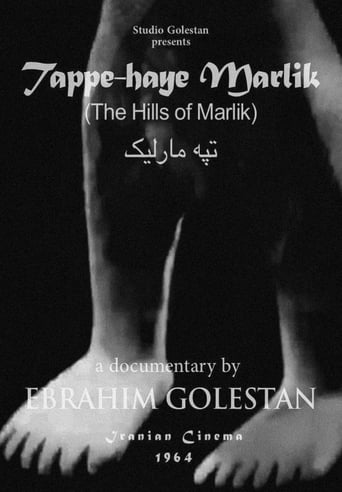
6.0This is a short documentary about Marlik hills and the archaeology's explorations there. But also it is about life, art, and the hope for a better tomorrow.
The Hills of Marlik
1964

Behind the camera
7.5Set in a leper colony in the north of Iran, The House is Black juxtaposes "ugliness," of which there is much in the world as stated in the opening scenes, with religion and gratitude.
The House Is Black
1963
10.0Ebrahim Golestan's contribution to an anthology film about the rites of betrothal in four separate countries.
Courtship
1961
8.1Hashem is a cab driver who finds an infant child in the back seat of his cab one night after he gives a ride to a young woman. Hashem and his girlfriend, Taji, try to cope with this unwanted child. Hashem insists on getting rid of the child, Taji on keeping him.
The Brick and the Mirror
1966
8.1Hashem is a cab driver who finds an infant child in the back seat of his cab one night after he gives a ride to a young woman. Hashem and his girlfriend, Taji, try to cope with this unwanted child. Hashem insists on getting rid of the child, Taji on keeping him.
The Brick and the Mirror
1966
8.1Hashem is a cab driver who finds an infant child in the back seat of his cab one night after he gives a ride to a young woman. Hashem and his girlfriend, Taji, try to cope with this unwanted child. Hashem insists on getting rid of the child, Taji on keeping him.
The Brick and the Mirror
1966
7.0A poor rural farmer unearths an ancient burial chamber loaded with gold artifacts on his arid land, which plunges him into a deep descent of greed and madness. As his growing obsession consumes him, the overwhelming chaos impacts everyone around him.
The Ghost Valley's Treasure Mysteries
1974
7.0A poor rural farmer unearths an ancient burial chamber loaded with gold artifacts on his arid land, which plunges him into a deep descent of greed and madness. As his growing obsession consumes him, the overwhelming chaos impacts everyone around him.
The Ghost Valley's Treasure Mysteries
1974
7.0A poor rural farmer unearths an ancient burial chamber loaded with gold artifacts on his arid land, which plunges him into a deep descent of greed and madness. As his growing obsession consumes him, the overwhelming chaos impacts everyone around him.
The Ghost Valley's Treasure Mysteries
1974
 7.4
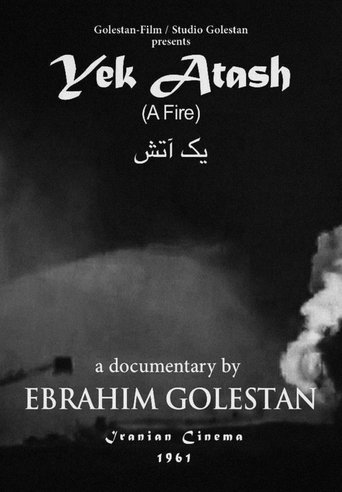
7.4The National Iranian Oil Company (NIOC), formed upon nationalization of the British Anglo-Iranian Oil Company, employed film systematically, producing many films on oil and petrochemical subjects. It also made films depicting Iran's progress and modernization, highlighting the role of the Shah and NIOC in that direction. Under its auspices, Ebrahim Golestan directed A FIRE (1961), a highly visual treatment of a seventy-day oil well fire in the Khuzestan region of southwestern Iran. This film was edited by the Iranian poet Forough Farrokhzad and won two awards at the Venice Film Festival in 1961.
A Fire
1961
7.4The National Iranian Oil Company (NIOC), formed upon nationalization of the British Anglo-Iranian Oil Company, employed film systematically, producing many films on oil and petrochemical subjects. It also made films depicting Iran's progress and modernization, highlighting the role of the Shah and NIOC in that direction. Under its auspices, Ebrahim Golestan directed A FIRE (1961), a highly visual treatment of a seventy-day oil well fire in the Khuzestan region of southwestern Iran. This film was edited by the Iranian poet Forough Farrokhzad and won two awards at the Venice Film Festival in 1961.
A Fire
1961
7.4The National Iranian Oil Company (NIOC), formed upon nationalization of the British Anglo-Iranian Oil Company, employed film systematically, producing many films on oil and petrochemical subjects. It also made films depicting Iran's progress and modernization, highlighting the role of the Shah and NIOC in that direction. Under its auspices, Ebrahim Golestan directed A FIRE (1961), a highly visual treatment of a seventy-day oil well fire in the Khuzestan region of southwestern Iran. This film was edited by the Iranian poet Forough Farrokhzad and won two awards at the Venice Film Festival in 1961.
A Fire
1961
5.2The Crown Jewels of Iran is a 1965 film commissioned and then banned by the Shah’s cultural ministry, featuring dazzling edits and camera movements and a charged narration assaulting economic disparities.
The Crown Jewels of Iran
1965
5.2The Crown Jewels of Iran is a 1965 film commissioned and then banned by the Shah’s cultural ministry, featuring dazzling edits and camera movements and a charged narration assaulting economic disparities.
The Crown Jewels of Iran
1965
Abadan, in the vastness of the oil areas of southern Iran...
Water and Fire
1962
 NR
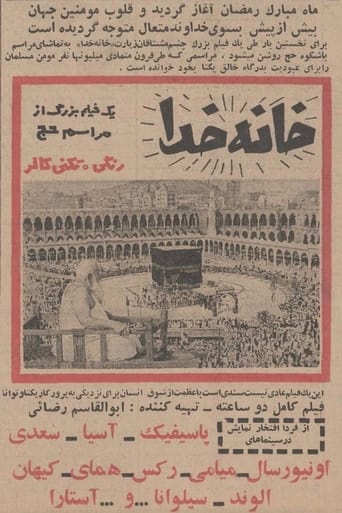
NRA documentary on Hajj pilgrimage.
The House of God
1966
9.0The banned and unseen Harvest and Seed is a sardonic look at the conditions of a poverty-stricken Iranian village after the so-called agrarian reforms of the early 1960s, which amounted to a corrupt land grab rather than an equitable redistribution of wealth. This film recorded in village in south of fars, Shiraz, Esmaeel abad
Harvest and Seed
1965
9.0The banned and unseen Harvest and Seed is a sardonic look at the conditions of a poverty-stricken Iranian village after the so-called agrarian reforms of the early 1960s, which amounted to a corrupt land grab rather than an equitable redistribution of wealth. This film recorded in village in south of fars, Shiraz, Esmaeel abad
Harvest and Seed
1965
7.0A documentary about the oil pipe installation in Khark, Iran in 1962.
Wave, Coral and Rock
1962
7.0A documentary about the oil pipe installation in Khark, Iran in 1962.
Wave, Coral and Rock
1962
6.0This is a short documentary about Marlik hills and the archaeology's explorations there. But also it is about life, art, and the hope for a better tomorrow.
The Hills of Marlik
1964
6.0This is a short documentary about Marlik hills and the archaeology's explorations there. But also it is about life, art, and the hope for a better tomorrow.
The Hills of Marlik
1964
 NR
NRShort documentary by Ebrahim Golestan
Kharab-abad
1966