
Acting
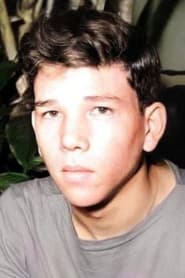
Adolfo Llauradó
Born — Died
1941-09-29 — 2001-11-03
Place of birth
Santiago de Cuba, Cuba
Known for
Acting
Credits
20 titles
Known for
 5.3
5.3An elderly man with wings is blown off course during a tropical storm in this symbolic fantasy. The Old Man lands near a Caribbean island where a poor family gives him shelter in a chicken coop. Father Gonzaga is the skeptical priest who rushes to damn the creature. Soon the Old Man is the subject of curiosity seekers as Elisinda and Pelayo start charging admission. A traveling carnival of human oddities camps near the Old Man as people flock to see the show. The Old Man is reduced to being an unwanted pet, and after six years, he mends his wings and flies away. Nudity, simulated sex with a spider woman, and the ugliness of human exploitation definitely put this fantasy in a category not for children.
A Very Old Man with Enormous Wings
1988
The world of a young psychiatrist is shattered when she finds out that her husband is having an affair with one of her patients.
Habanera
1984
 6.4
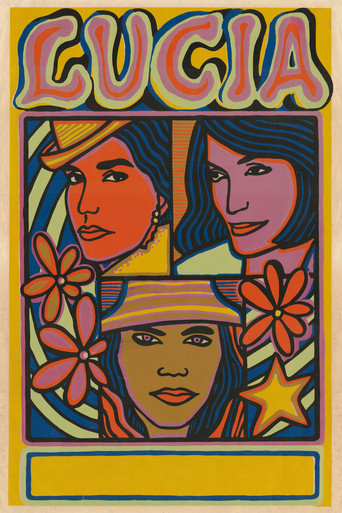
6.4Traces episodes in the lives of three Cuban women, each named Lucía, from three different historical periods: the 1890s, the 1930s, and the 1960s.
Lucía
1968
 5.7
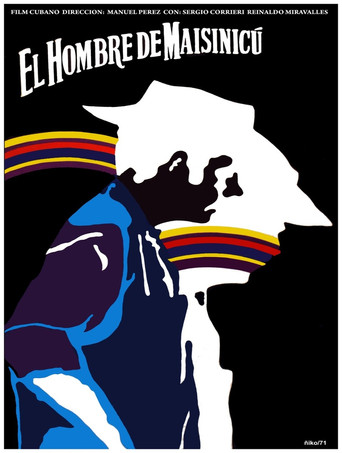
5.71964, in the Escambray mountains: the area is infested with counter- revolutionary bands which are trying to spread terror among the population and re-establish contact with the US, CIA. The murder of a man led to a reprisal to wipe out the bandits.
The Man from Maisinicu
1973
 6.4
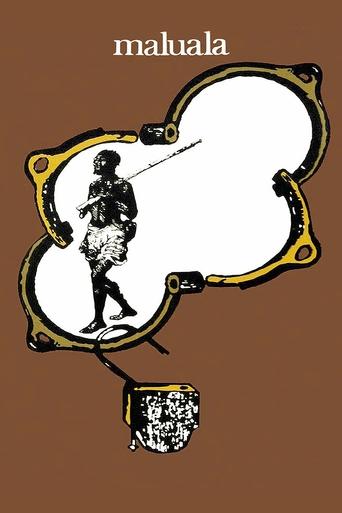
6.4In 19th century Cuba, runaway African slaves known as 'Cimarrons' hiding in settlements in the eastern mountains. But discord among the Cimarrons is sown by a limited offer of freedom from the Spanish. Maluala is part of a trilogy of films about Cuba's slave uprisings made by Sergio Giral, the best known Afro-Cuban director.
Maluala
1979
 8.0
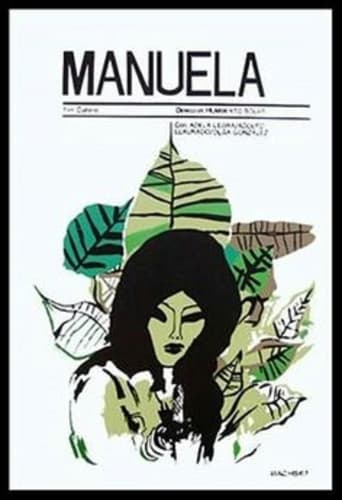
8.0During the last days of the struggle against dictator Fulgencio Batista, a young peasant woman joins the guerrilla in the Sierra Maestra.
Manuela
1966
Film credits
1990s · 4 titles
 4.0
4.0Amanda has the gift of prophecy since she was a child. This unique gift causes the interest, fear and rejection of teachers, psychologists, journalists, friends and family.
Las profecías de Amanda
1999
 7.0
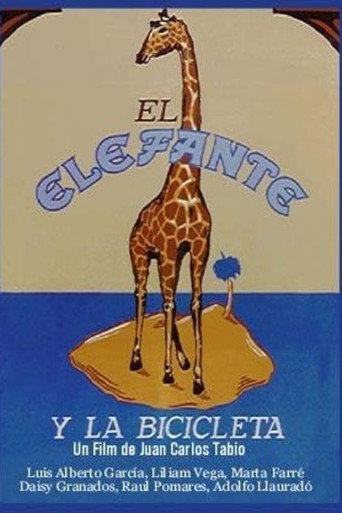
7.0After two years in jail, El Isleño returns to the island of La Fe, ruled by the dictator Francisco Gavilán. He arrives with a cinematograph and exhibits "Robin Hood" to the people. The next day the bridge that communicates La Fe to the mainland has been destroyed, and the people plan to overthrow Gavilán.
The Elephant and The Bicycle
1994
No synopsis available yet.
Una historia que contar
1998
 7.0
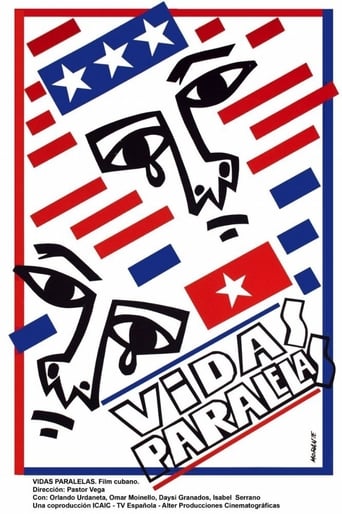
7.0Ruben lives in Cuba and Andy is exile in the United States. Both are trapped by history at opposite poles and want to change places, but they can't do it.
Vidas paralelas
1993
1980s · 7 titles
5.3An elderly man with wings is blown off course during a tropical storm in this symbolic fantasy. The Old Man lands near a Caribbean island where a poor family gives him shelter in a chicken coop. Father Gonzaga is the skeptical priest who rushes to damn the creature. Soon the Old Man is the subject of curiosity seekers as Elisinda and Pelayo start charging admission. A traveling carnival of human oddities camps near the Old Man as people flock to see the show. The Old Man is reduced to being an unwanted pet, and after six years, he mends his wings and flies away. Nudity, simulated sex with a spider woman, and the ugliness of human exploitation definitely put this fantasy in a category not for children.
A Very Old Man with Enormous Wings
1988
The world of a young psychiatrist is shattered when she finds out that her husband is having an affair with one of her patients.
Habanera
1984
 7.0
7.0Julio César Arana, a rubber baron in the Putumayo region, who was characterized by being a callous, heartless, and debased personality, allies himself with foreign companies, to exploit rubber reserves in the Peruvian Amazon region. He stops at nothing, not even the extermination of indigenous tribes. Thus, the so-called crimes of Putumayo occur; the Amazonian communities rebel and resist.
El socio de Dios
1986
 7.0
7.01925. José Raúl Capablanca, a famous Cuban chess player and employee of the Ministry of Foreign Affairs, arrives in Moscow for an international chess tournament. The trip, taking place under Machado's dictatorship, casts doubt on his future in this position. The film shows Capablanca's dramatic matches with Lasker, Tartakower, and Bogolubov, his tragic love for Bolshoi Theatre ballerina Sasha Mozhaeva, and a simultaneous game in which he lost to the very young Mikhail Botvinnik.
Capablanca
1987
 8.0
8.0A left-wing intellectual, faced with the imminence of his arrest during the coup d'état against President Joao Goulart, lives anguished moments of definition. To the collapse of his small universe is added a conjugal confrontation that unmasks him mercilessly.
Amor en campo minado
1987
 6.2
6.2Matanzas, Cuba, 1913. Two young people who are in love communicate through letters written by penman. When the young man leaves town, to become a pilot, the girl discovers she is really in love with the one who wrote the letters.
Letters from the Park
1989
 6.0
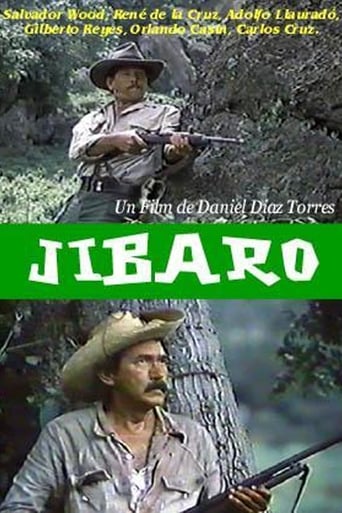
6.0The first years of the Cuban Revolution characterized by social transformations and class struggles.
Jíbaro
1985
1970s · 5 titles
5.71964, in the Escambray mountains: the area is infested with counter- revolutionary bands which are trying to spread terror among the population and re-establish contact with the US, CIA. The murder of a man led to a reprisal to wipe out the bandits.
The Man from Maisinicu
1973
6.4In 19th century Cuba, runaway African slaves known as 'Cimarrons' hiding in settlements in the eastern mountains. But discord among the Cimarrons is sown by a limited offer of freedom from the Spanish. Maluala is part of a trilogy of films about Cuba's slave uprisings made by Sergio Giral, the best known Afro-Cuban director.
Maluala
1979
This Cuban feature examines the circumstances arising out of a woman's claim to have seen the Virgin Mary and to have been healed by waters from a nearby stream. In an accelerating storm of cynical opportunism, her sincere beliefs are exploited by businessmen, politicians and military men. Rival groups compete to exploit the hysteria the vision causes, and the chaos culminates in a revolution. Striking imagery and skillful camerawork enhance this feature.
The Days of Water
1971
 8.4
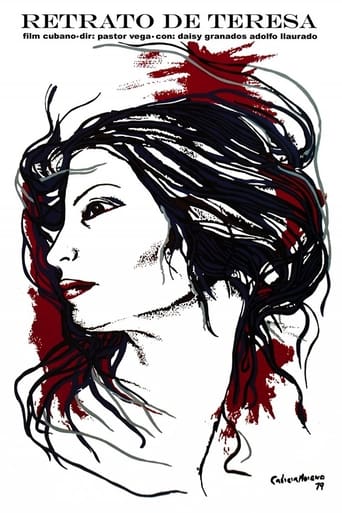
8.4Teresa is overwhelmed: with a husband, three young sons, a job as a crew leader in a textile factory, and volunteer commitments as cultural leader of her union. Her husband, Ramón, believes her additional pursuits take time away from her domestic tasks and wants more of her attention, accusing her of neglecting him, her house and her family. A hard-hitting Cuban drama that presents a woman struggling for control of her own life and deals with the social consequences of traditional male chauvinism.
Portrait of Teresa
1979
 6.6
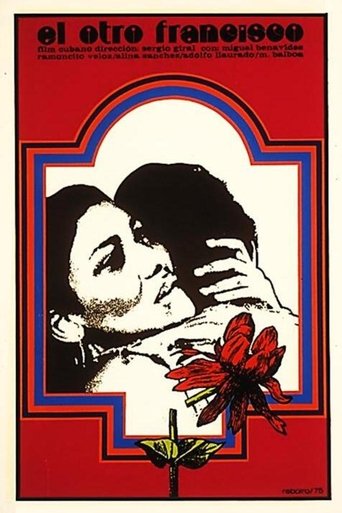
6.6Based on the novel Francisco by Anselmo Suárez y Romero, "The Other Francisco" is a socio-economic analysis of slavery and class struggle through the retelling of the original novel. The film contrasts the romantic conceptions of plantation life found in Suárez Romero's novel with a realistic expose of the actual historical conditions of slavery throughout the Americas. It offers a critical analysis of the novel, showing how the author's social background led to his use of particular dramatic structures to convey his liberal, humanitarian viewpoint.
The Other Francisco
1977
1960s · 4 titles
6.4Traces episodes in the lives of three Cuban women, each named Lucía, from three different historical periods: the 1890s, the 1930s, and the 1960s.
Lucía
1968
8.0During the last days of the struggle against dictator Fulgencio Batista, a young peasant woman joins the guerrilla in the Sierra Maestra.
Manuela
1966
 6.8
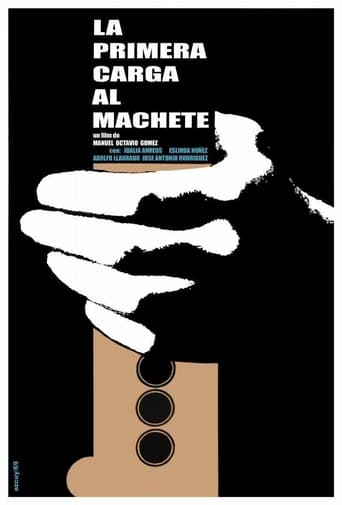
6.8Cuban peasants wield machetes in a violent uprising against Spanish authorities in the late 19th century.
The First Charge of the Machete
1969
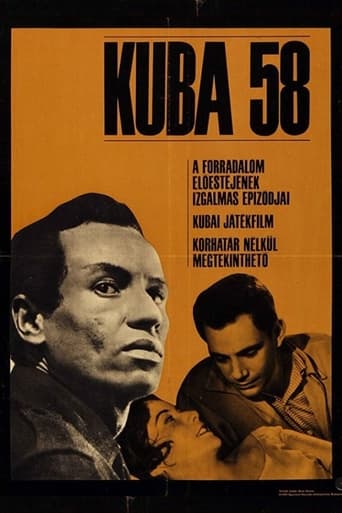 9.0
9.0Three stories reconstructing the start of the triumphant Cuban revolution which deposed Batista.
Cuba '58
1962