
Acting
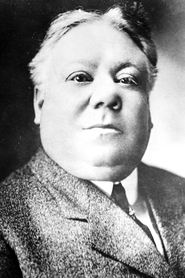
John Bunny
Born — Died
1863-09-20 — 1915-04-26
Place of birth
New York City, New York, USA
Known for
Acting
Credits
60 titles
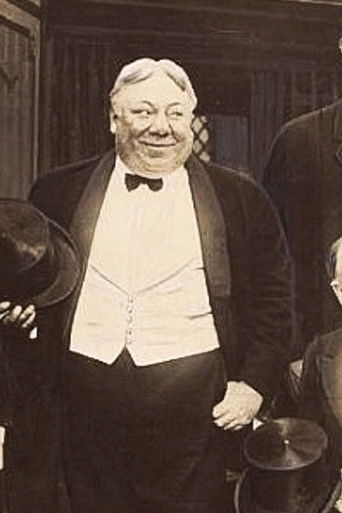
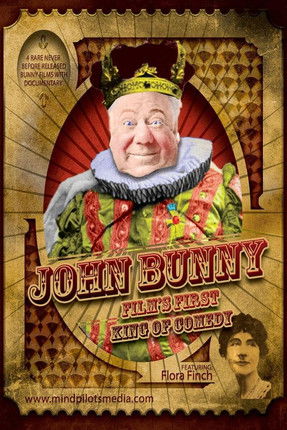
John Bunny (September 21, 1863 – April 26, 1915) was an American actor. Bunny began his career as a stage actor, but transitioned to a film career after joining Vitagraph Studios around 1910. At Vitagraph, Bunny made over 150 short films – many of them domestic comedies with the comedian Flora Finch – and became one of the most well-known actors of his era.
Known for
 6.7
6.7Although not the first feature-length animated film, as is sometimes thought, it was the first cartoon to feature a character with an appealing personality. The appearance of a true character distinguished it from earlier animated "trick films", such as those of Blackton and Cohl, and makes it the predecessor to later popular cartoons such as those by Walt Disney. The film was also the first to be created using keyframe animation.
Gertie the Dinosaur
1914
 NR
NRHarry Burton's sister and her husband are suddenly called away for a few days on business and telegraph him to come to their home and take care of their two little boys, "Toddie and Budge." He at once complies, and is soon with the children, assuming his duties as "governor." Helen Manton, stopping in the same town, thinks a great deal of Harry Burton, and naturally he of her.
His Sister's Children
1911
 7.0
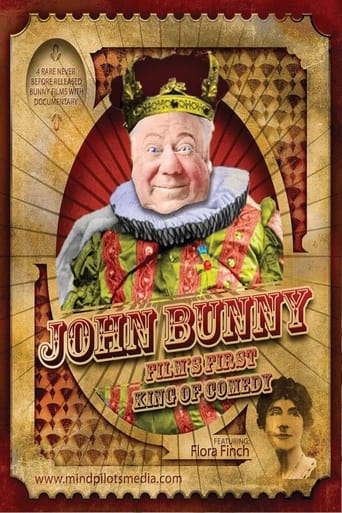
7.0LOST FILM. A comedy in which Johan has no desire to meet the unmarried Sarah, and so has his friend Freddy pretend that he is Johan.
Mr. Bunny in Disguise
1914
 8.0
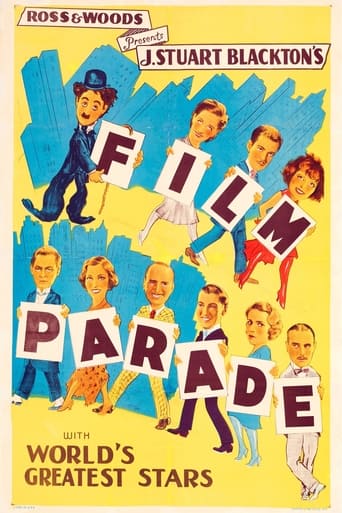
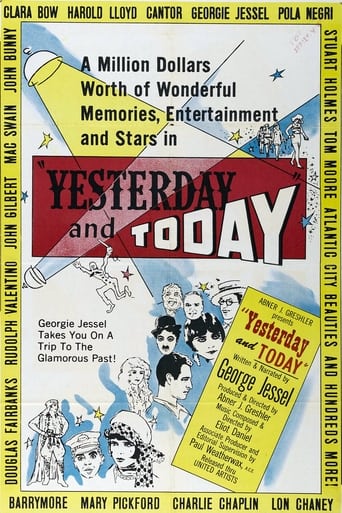
8.0Pioneer filmmaker J. Stuart Blackton was intrigued by the idea of a film about the history of the movies as early as 1915. He finally released a 52-minute feature called The Film Parade that was shown in New York and favorably reviewed by "Variety" in 1933. He continued tinkering with the film for the rest of the decade, and later filmmakers and distributors used Blackton's footage for stock or to produce their own variously titled and truncated versions. -UCLA Film & Television Archive
The Film Parade
1933
 4.8
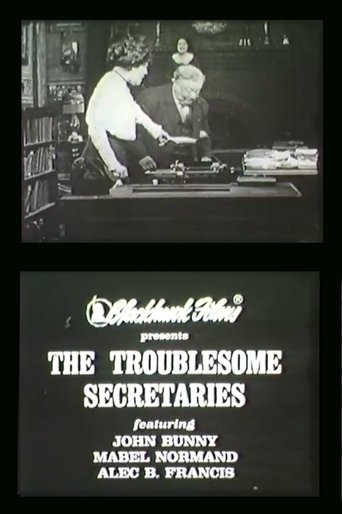
4.8A frustrated, protective father tries to stop his secretaries from falling in love with his charming daughter, Betty. He hires two secretaries— only for them to be in on the practical jokes Betty plays on her father.
Troublesome Secretaries
1911
 9.5
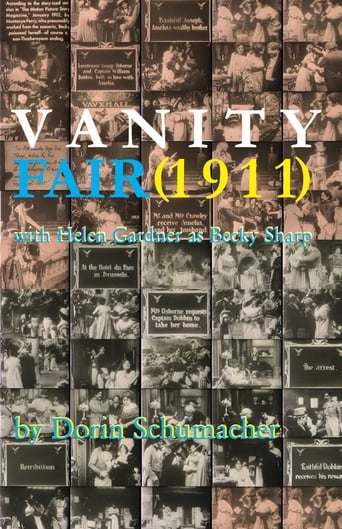
9.5In early 19th century England, ambitious and ruthless orphan Rebecca Sharp advances from the position of governess to the heights of British society.
Vanity Fair
1911
Film credits
1930s · 2 titles
8.0Pioneer filmmaker J. Stuart Blackton was intrigued by the idea of a film about the history of the movies as early as 1915. He finally released a 52-minute feature called The Film Parade that was shown in New York and favorably reviewed by "Variety" in 1933. He continued tinkering with the film for the rest of the decade, and later filmmakers and distributors used Blackton's footage for stock or to produce their own variously titled and truncated versions. -UCLA Film & Television Archive
The Film Parade
1933
 7.5
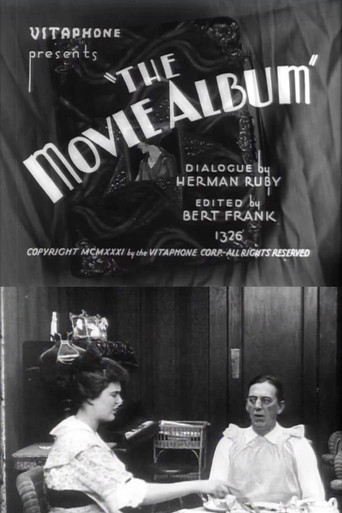
7.5This short features clips from silent films (mostly unidentified) of the 1910's, accompanied by humorous commentary. Highlighted are early appearances of stars still recognized today (e.g., Lionel Barrymore, Norma Shearer), as well as stars whose careers did not extend to the sound era (e.g., John Bunny, Edith Storey).
The Movie Album
1932
1910s · 57 titles
6.7Although not the first feature-length animated film, as is sometimes thought, it was the first cartoon to feature a character with an appealing personality. The appearance of a true character distinguished it from earlier animated "trick films", such as those of Blackton and Cohl, and makes it the predecessor to later popular cartoons such as those by Walt Disney. The film was also the first to be created using keyframe animation.
Gertie the Dinosaur
1914
NRHarry Burton's sister and her husband are suddenly called away for a few days on business and telegraph him to come to their home and take care of their two little boys, "Toddie and Budge." He at once complies, and is soon with the children, assuming his duties as "governor." Helen Manton, stopping in the same town, thinks a great deal of Harry Burton, and naturally he of her.
His Sister's Children
1911
7.0LOST FILM. A comedy in which Johan has no desire to meet the unmarried Sarah, and so has his friend Freddy pretend that he is Johan.
Mr. Bunny in Disguise
1914
4.8A frustrated, protective father tries to stop his secretaries from falling in love with his charming daughter, Betty. He hires two secretaries— only for them to be in on the practical jokes Betty plays on her father.
Troublesome Secretaries
1911
9.5In early 19th century England, ambitious and ruthless orphan Rebecca Sharp advances from the position of governess to the heights of British society.
Vanity Fair
1911
A silent comedy in which a sick young boy gets healthy after a regime of hard work, and does not complain that the housekeeper makes him work so hard.
Doctor Bridget
1912
 4.9
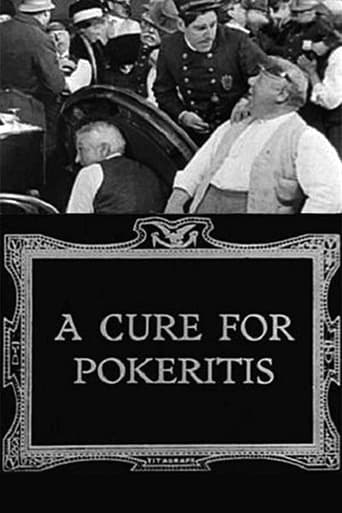
4.9This domestic comedy depicts a woman who stops her husband's gambling habit by having her cousin stage a fake police raid on the weekly poker game.
A Cure for Pokeritis
1912
 6.4
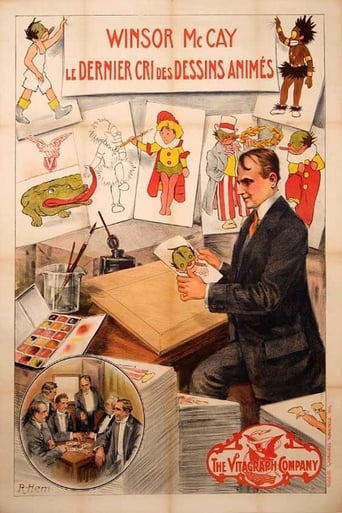
6.4Cartoon figures announce, via comic strip balloons, that they will move - and move they do, in a wildly exaggerated style. Also known as "Winsor McCay, the Famous Cartoonist of the N.Y. Herald and His Moving Comics".
Little Nemo
1911
 10.0
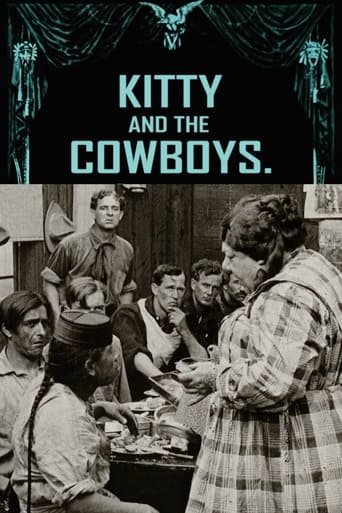
10.0Fatty comes up with a plan to prank his cowboy buddies. He announces that his sister Kitty is coming to visit, but it's not at all what his friends expected.
Kitty and the Cowboys
1911
 6.5
6.5Mr. Bolten is hoping to woo the dancer Céleste and invites her for coffee. Her answer is that she will wait for him in hotel "Des imbeciles' in New York. He obviously cannot find the hotel, and to make matters worse he is robbed by a pickpocket. As a consequence he cannot pay his restaurant bill and is arrested. Luckily for him, a friend pays his bill so he can return home. There he picks up a dictionary and sees what "imbécile" means.
Mr. Bolter's Infatuation
1912
 5.0
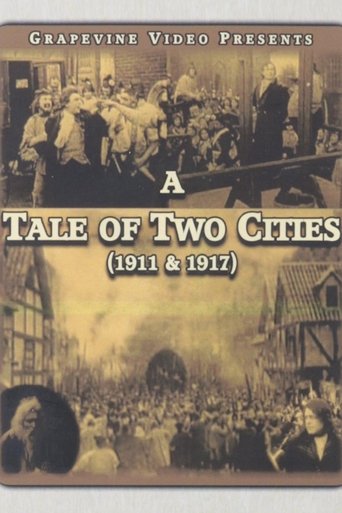
5.0An early film version of the Charles Dickens classic about the French Revolution and its subsequent Reign of Terror.
A Tale of Two Cities
1911
A woman in a crowded trolley car accidentally puts a locket with her picture in it into a man's pocket; when the man gets home, his suspicious wife finds it.
The Locket; or, When She Was Twenty
1913
 NR
NRBetty is away at college when her parents, Mr. & Mrs. Bunny, come to visit. Mr. Bunny goes for a stroll while Mrs. Bunny looks at Betty’s furnished room, which she finds unsatisfactory. Mr. Bunny meets boarding house owner Mrs. Sweet and goes to her home for a bit of harmless flirtation. Meanwhile Mrs. Bunny insists Betty move and by happenstance they head to Mrs. Sweet’s. Mr. Bunny tries to hide from them and many comic situations ensue.
Father's Flirtation
1914
 7.5
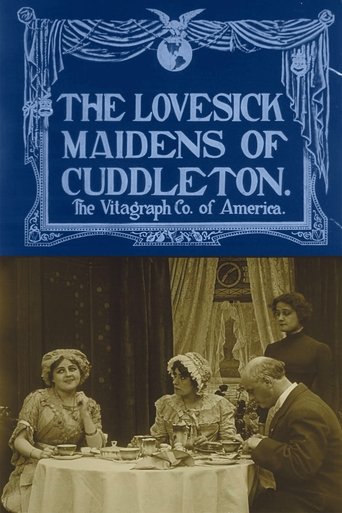
7.5An old doctor hires a young new doctor to join his practice, particularly to attract women for more business.
The Lovesick Maidens of Cuddleton
1912
A widower with four grown daughters remarries and brings his new wife home to meet them. The girls set out to make life as difficult as possible for their new mother.
The Troublesome Step-Daughters
1912
In order to inherit their uncle's property, two cousins must marry each other.
The Wooing of Winifred
1911
 6.0
6.0A silent comedy in which a jealous woman wants to catch her husband in the act of infidelity.
Diamond Cut Diamond
1912
 NR
NRBunny and Marsh attend a show and both fall in love with a charming danseuse.
Chumps
1912
The general store at Scrogginses' Corner is the favorite lounging and meeting place for the citizens of the locality. On an eventful day a rich couple call at the store and ask Si Bunny, the storekeeper, permission to leave a bundle there, to be called for on their return. The storekeeper discovers that the bundle contains an infant.
At Scrogginses' Corner
1912
Two young people, Betty Browne and Billy, are set to inherit money if they marry, but each imagines the other as a rough cowboy and refuses; by chance, they end up on the same train with their chaperones (Miss Prim and Bunny), leading to mistaken identities, romantic confusion (as Bunny and Miss Prim fall for each other too!), and a hilarious mix-up before they finally discover each other's true identities at a station and fall in love for real.
A Train of Incidents
1914
Comedy of a bachelor who succumbs to the charms of love and deserts 'the boys' who had given him up as a hopeless case.
When the Press Speaks
1913
A wife attempts to cure her husband Binks's addiction to alcohol by bringing the Misses Simms, identical twin sisters, to her home as part of a scheme.
Seeing Double
1913
Mrs. Nag objects to her husband having a pretty female stenographer in his office, and orders him to employ one of his own sex. So Miss Prue, the good-looking stenographer to whom Mrs. Nag objects, dresses in man's attire. On her way to business one morning she sends a bouquet of flowers to Mrs. Nag, with the inscription, "Compliments of an ardent admirer." Miss Prue apprises her boss of her deed, and when Mrs. Nag arrives at his office, he accuses her of having another admirer. Miss Prue is victorious and when we see her in the last scene she is her own admirable self once more, seated before the typewriter in Mr. Nag's office, with every prospect of being an uninterrupted and permanent employee. Mild and docile, Mrs. Nag modestly enters the office, but offers no objections or interruptions, submissively waiting for her husband to escort her home.
The Subduing of Mrs. Nag
1911
Norman Winthrop, a surveyor, accidentally meets John Bunny, an Irish watchman of a building. He introduces him to Tom and Will Hawley, two of his friends, at a little poker game in which Bunny pockets all the winnings. Talking over the matter the next day, the three men agree that it would be a great joke to introduce Bunny into society.
Bunny and the Bunny Hug
1913
John is commanded to return home immediately after office hours to help his wife beat the rugs, but it is Saturday and his friend Smith won't take his refusal to go to the country club for a game of golf. John tries to make excuses, but Smith is reinforced with several friends, who pile John into their car and rush him off to the links. John is a novice at the game and loses more than his golf balls on the course, but the few times he hits the elusive pellet fill him so with pride that he soon forgets all about Wifey in the whirl of the play. He is sorely grieved, however, when he gets a black eye from a flying ball.
The Golf Game and the Bonnet
1913
An old maid vies with a beautiful young student for the affections of an elderly professor.
Love's Old Dream
1914
No sooner have Jimmy and Mary, a newly-married couple, entered their new home when Jimmie receives a note from his wealthy uncle, announcing his intention of paying his nephew and heir a visit that evening.
The Honeymooners
1914
Harry Brownley, son of a rich New Yorker, reads a newspaper account of U.S. Revenue officers' plan to raid an illicit distillery in the Tennessee mountains. The young fellow asks his father's permission to join the forces under Sheriff Jackson, of Pikesville, Tennessee. The father reluctantly consents and the son starts out to satisfy his adventurous nature.
Madge of the Mountains
1911
On his trip to Europe, Bunny is very much disturbed because he fails to make his usual impression with the ladies. He notices that the captain of the steamer is the real thing with the fair sex and decides it is the uniform that attracts them and that it is the only thing lacking to make him as popular in their estimation as the commander of the ship.
Bunny All at Sea
1912
 7.0
7.0The Craigs and Smiths, next-door neighbors, are the best of friends until Smith builds a chicken house. Their two gardens are connected and their children fraternize as if all belonged to one large family. Sidney Craig manages to set loose Smith's chickens, who get into Craig's garden and work havoc among his pet seedlings.
The Feudists
1913
 5.1
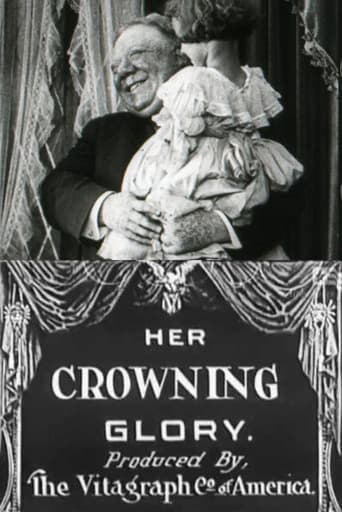
5.1A widower becomes infatuated with his daughter's governess, to the displeasure of the child and her nurse.
Her Crowning Glory
1911
No synopsis available yet.
In Neighboring Kingdoms
1910
 NR
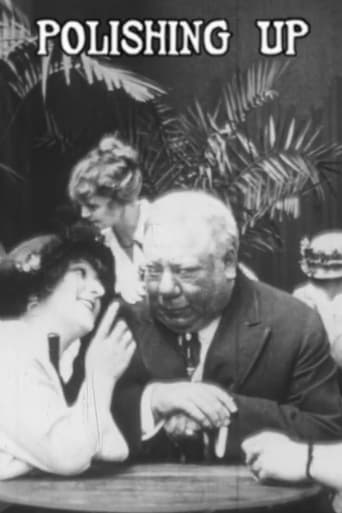
NRWhen his wife goes away on vacation, a husband decides to use that time to do a little "playing around" and winds up at a resort hotel with two young girls. Unbeknownst to him, his wife is at the same hotel, planning a little "playing around" of her own.
Polishing Up
1914
Mrs. Brown, who is a widow, finds it a rather difficult matter to clothe and feed her large family of children, so when she becomes acquainted on the beach with Captain Jenks she is not slow in inviting him to her house. That evening the Captain calls with an engagement ring. He asks the widow to become his wife, but just as he is accepted Mrs. Brown's numerous offspring come running into the room. Upon being told that they are her children the Captain nearly faints and does not know how to break the engagement.
Captain Jenks' Dilemma
1912
Unless Marion Norman's intended husband can support her in the same style in which her father has, Mr. Norman will not agree to her marriage with Billy Wallace, and threatens to disinherit her if she disobeys him.
Ups and Downs
1911
Two vaudeville performers, Steve Jenks and Stella Triplight, receive urgent bookings in different towns but find themselves with each other's trunks due to a mix-up by a baggage agent. To perform, they improvise by wearing the wrong clothes – Steve in Stella's dresses and Stella in Steve's suits – and unexpectedly become huge hits, leading them to team up, share their wardrobe, and find romance after discovering their shared success and loneliness.
A Change in Baggage Checks
1914
Bunny is rejected by Flora when her dog destroys his hat and gloves and she goes on a trip. She secretly takes the dog, dressed as a baby, on a train. An altercation occurs when another passenger, John, discovers the "baby" is a dog, which leads to the dog being accidentally dropped from the train. John retrieves the dog, winning Flora's gratitude, and proposes. This time, he is accepted.
The Old Maid's Baby
1914
The story centers on Flapjack Ike (played by John Bunny), a dominant local figure or "autocrat" in the titular town. Ike faces off against Edith, the Widow (played by Flora Finch), who challenges his authority.
The Autocrat of Flapjack Junction
1913
A poor young girl finds a purse and returns it to its owner, who decides to reward her honesty.
Ida's Christmas
1912
 6.3
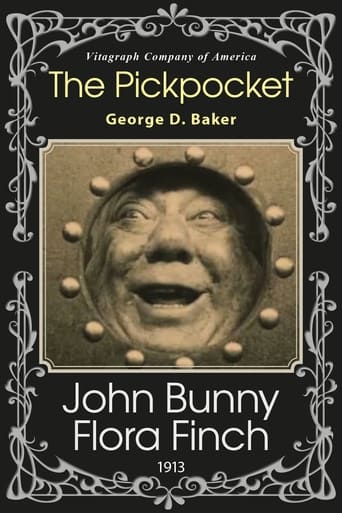
6.3A John Bunny comedy short featuring his usual leading lady Flora Finch. Confusion over a stolen ticket puts Finch in jail.
The Pickpocket
1913
A comic one-act film featuring the character Bunny, which takes place in an office.
Stenographer Troubles
1913
 NR
NROld Von Shultz, the first violin, finds as he grows older a longing for companionship. Hurrying from the theater the old musician finds little Helen sleeping on the steps of the stage door. He picks her up and takes her to his comfortably furnished home. The old man even grows childish, he is so pleased with the little tot's presence and he gives her the love with which his heart abounds. The next day he learns from the morning papers that Helen's mother and father were lost in a fire. He spends many happy hours with her, playing with her toys. He takes her to rehearsals with him, where she is the pet of the musicians. One year later Helen shows an aptness for the stage. This delights the old musician and the child grows nearer and dearer to his heart. A sad blow, however, comes to him when the Children's Society take the little girl away from him and once more he finds himself a lonely old man.
The First Violin
1912
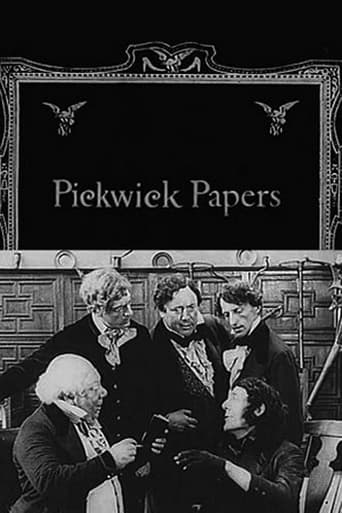
The lost 3rd part of the film The Pickwick Papers, directed by Laurence Trimble, appeared in 1913. This silent three-reel adaptation of Charles Dickens's first novel starred the American comedian John Bunny, who was very popular in his day but is now almost completely forgotten, and was filmed mainly on location in England.
The Adventure of the Shooting Party
1913
 NR
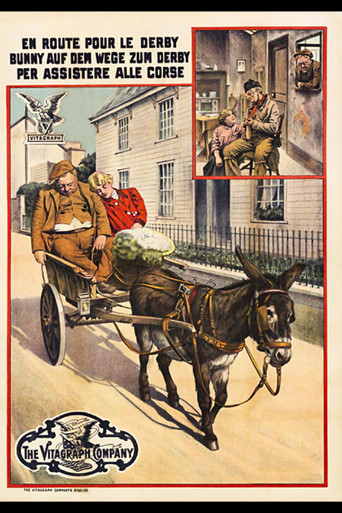
NRA coster takes a girl to Epsom and saves a pony trap from theft.
Bunny at the Derby
1912
 5.0
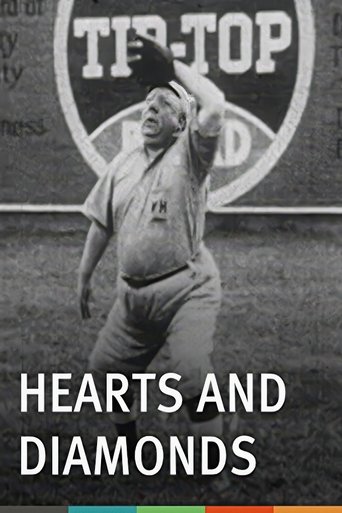
5.0Tupper meets the wealthy Miss Whipple at a baseball game. When she declares that she just adores baseball players, Tupper starts up a team.
Hearts and Diamonds
1914
 10.0
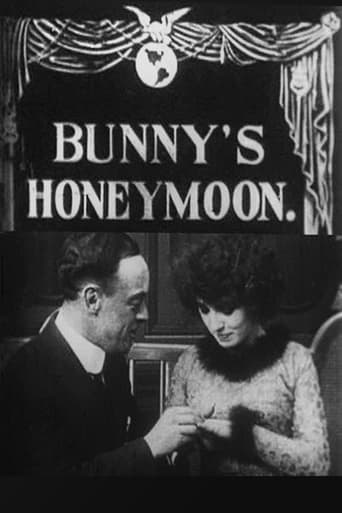
10.0Bunny's niece has a beau who is so addicted to drink that her father will not permit her to marry him. He has given the lad a chance, but when he comes upon him drink again, he orders his daughter to break it all off. She goes to Uncle Bunny, who thinks up a scheme to cure the drunkard. In pursuance of this, he brings the lad, so drunk that he can't see straight, to his home and by dressing up in woman gear, and by borrowed kids, makes him think he has married a fat widow with many children. The poor lad is so greatly worried that when he wakes up next morning, he really swears off. So. in the end, the lovers are happy.
Bunny's Honeymoon
1913
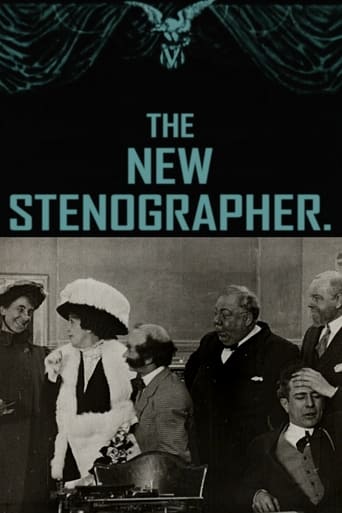 4.0
4.0A capable but homely new hire becomes ill and recommends her beautiful cousin during leave. The bosses and clerk get a surprise at the end.
The New Stenographer
1911
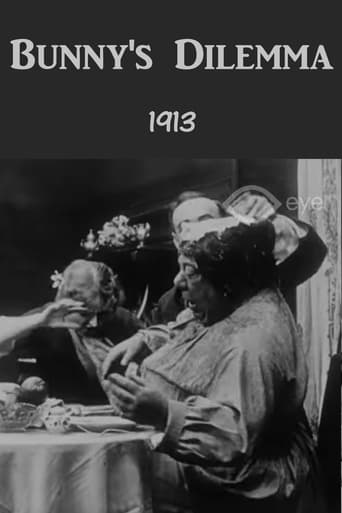 9.0
9.0John Bunny gets into an awful stew when he hears from his Aunt Eliza that she is coming to visit him and that she is bringing along her cousin, Jean, whom she wishes him to marry. He doesn't at all like the idea of abandoning his bachelor life and appeals to his friend, Jack Holmes, for aid. Jack is persuaded to masquerade as Bunny, whom his aunt has never seen, while Bunny himself gets into feminine garb and poses as the cook.
Bunny's Dilemma
1913
Sir Brian, an irascible old gentleman, who suffers from gout, receives a note saying his son Gerald is very ill at college, and asking him to come to Dublin. He is too ill to go so he gets his friend, Captain Jenks, to go instead of him. Jenks finds Gerald being nursed by a pretty girl and soon discovers that Gerald is in love with her.
Captain Jenks' Diplomacy
1912
Bunny receives a shock upon reading about the attempted assassination of the Mayor of New York. He laughs off his wife's suggestion of getting police protection for himself. However, after antagonizing local politicians and receiving a threatening letter, Bunny becomes increasingly fearful.
The Locked House
1914
Annette and Bunny each purchase one of a pair of antique vases, then meet and argue over who should own the matching set. After exchanging the vases in a gesture of goodwill, they end up with the same single vase they started with. Ultimately, they decide to get married and keep the complete pair together as a symbol of their union.
The Vases of Hymen
1914
"The Irish Washerwoman" is to be produced by Manager Mathew Talon. The cast is all engaged but the leading lady.
The Leading Lady
1911
 6.5
6.5John and Flora meet at a ball, but neither can do these modern dances, so they sit out… and run into each other later at a dance studio. Bunny exudes his usual Pickwickian charm. Miss Finch gets involved in a nice bit of physical comedy when her gawkiness makes the dance lesson less than successful.
Tangled Tangoists
1914
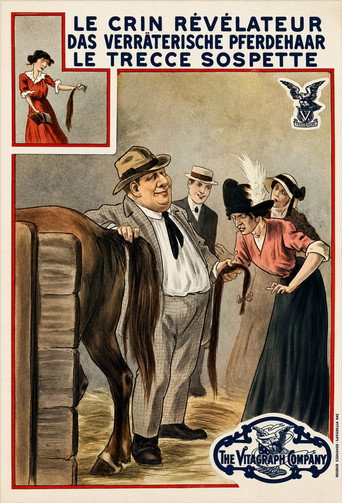 6.5
6.5Farce in which two neighbouring couples test each other's jealousy. The women decide to make the men jealous and vice versa. The men buy horse hair to make the women believe it is hair of another woman; the women pretend to have received love letters. Final match result: women seem more jealous than men.
Those Troublesome Tresses
1913
A tragicomedy in which the suicide attempt of the character Bunny is seen by a neighbour, who quickly calls for help.
Bunny's Suicide
1912
 4.0
4.0The Pickwick Papers comprised three reels, individually titled "The Adventure of the Honourable Event", "The Adventure at the Westgate Seminary", and "The Adventure of the Shooting Party" based on the 1837 novel of the same name by Charles Dickens.
The Pickwick Papers
1913
 7.0
7.0Bunny purchases a Vapor Bath, guaranteed to make the fat thin and do the trick with neatness. In his anxiety to make a trial of the bath he forgets to lock the library door....
In the Clutches of a Vapor Bath
1911