
Directing
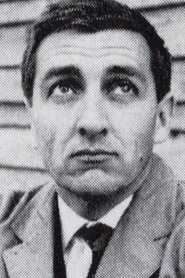
Vlado Kristl
Born — Died
1923-01-24 — 2004-07-07
Place of birth
Zagreb
Known for
Directing
Credits
48 titles
Vladislav "Vlado" Kristl (24 January 1923, Zagreb, Croatia – 7 July 2004, Munich, Germany) was a filmmaker and artist, best known for his animations and short films. Vladislav "Vlado" Kristl was born 24 January 1923 in Zagreb, Croatia.[citation needed] Kristl first came to international prominence for his formally challenging and rigorous animations, particularly Don Kihot (freely inspired by Cervantes' Don Quixote). The film is a "graphical and abstract masterpiece which went beyond all existing conventions" and was awarded the main prize at the Oberhausen International Short Film Festival. Kristl regarded this film, which was not his first, as the one where he "was finally given a free re…
Known for
 NR
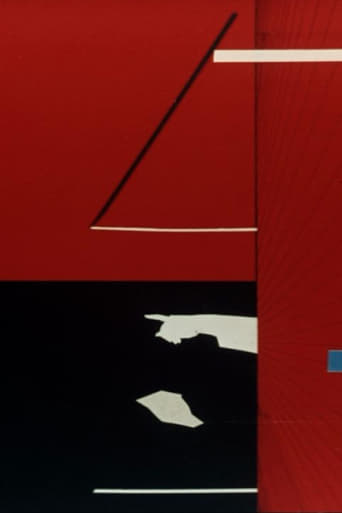
NRAllegory of men's use of fire to kill, when it was given by Prometheus to help them.
Prometheus
1966
 NR
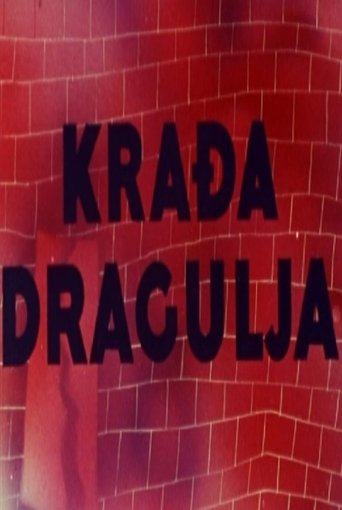
NRSatirical cartoon featuring a jewel robbery.
Theft of Jewels
1959
 9.0
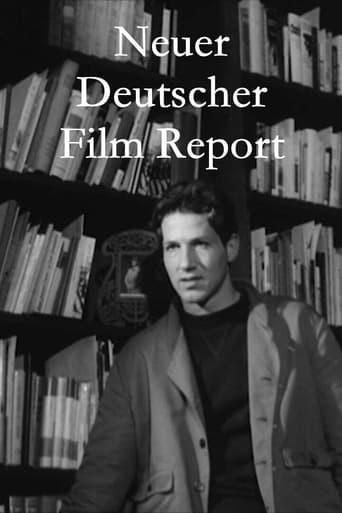
9.0Interview film with the protagonists of the New German Cinema in 1966.
Neuer Deutscher Film Report
1967
 NR
NRDocumentary about the current state of German cinema. Produced for German television.
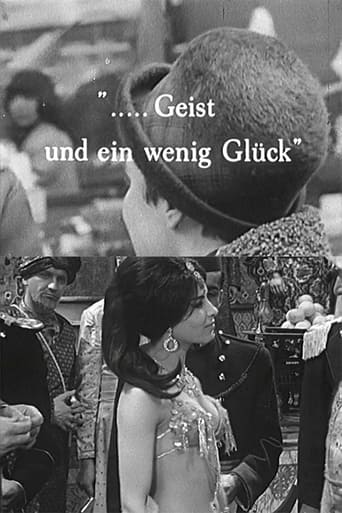
...Geist und ein wenig Glück
1965
 9.0
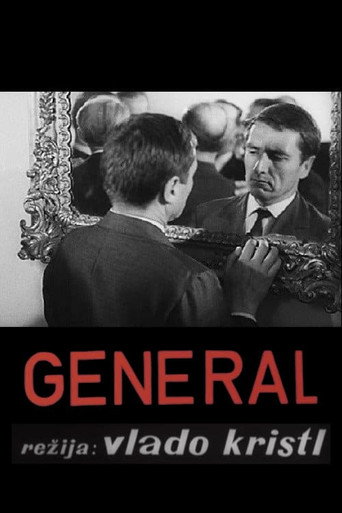
9.0Kristl plays a prisoner who can smile only when he sees The General.
The General
1962
 9.0
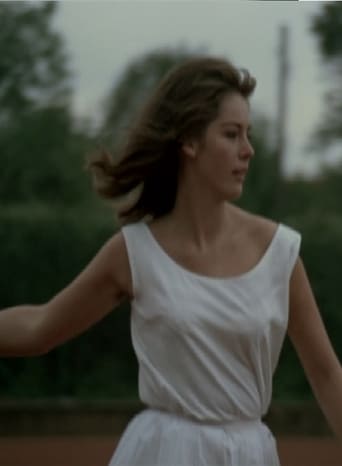
9.0Confusion results when a young man walking through a park joins in a game of tennis.
Madeleine, Madeleine
1963
Film credits
1960s · 8 titles
9.0Interview film with the protagonists of the New German Cinema in 1966.
Neuer Deutscher Film Report
1967
NRDocumentary about the current state of German cinema. Produced for German television.
...Geist und ein wenig Glück
1965
9.0Kristl plays a prisoner who can smile only when he sees The General.
The General
1962
 10.0
10.0T. finds a letter. Instead of just dropping it in a mailbox, he decides, conscientious as he is, to deliver it personally. He wanders the entire world, discovers astounding forms of existence, but cannot be hindered from his duty and keeps looking until he finally finds the address. There, he finds out that he has delivered his own judgment.
The Letter
1966
Allegory of a man who leads the people to destruction and then is reborn to recommence the cycle.
The Pot
1964
 NR
NRShort film about car racing.
Car Race
1965
 9.0
9.0Kristl was a member of the prestigious Zagreb Studio of Animation and his early works as painter and filmmaker had brought him instant acclaim and instant censorship. He fled Croatia and lived in Germany; he died there in 2004. Poor People, a “collective scream” of Cold War fear, was produced just after he left his country.
Poor People
1963
 7.0
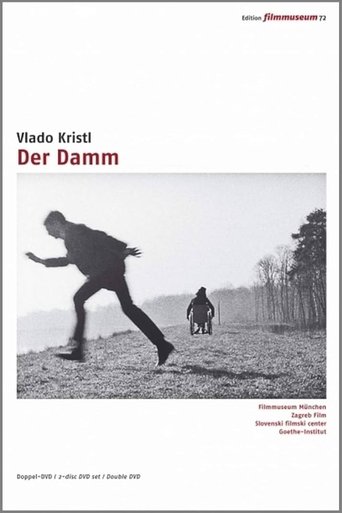
7.0In The Dam, although it is an experimental film, Kristl eschews the necessary earnestness in addressing his subject. The manufactured, unambiguously humorless profundity proffered up by other German contemporaries is absent here. Laughter is allowed. Kristl takes the dreadful liberty of tomfoolery, sending up himself, the characters, the action, "tragedy," and everything else, including the audience, that might be held sacred. Within the framework of the action, we recognize a love triangle, one of the simplest of dramatic configurations. Not only the basic idea, but also numerous particulars, both in subject and style, are reminiscent of the films of Roman Polanski, which Kristl doubtless saw and holds in esteem. We meet two men: one is meant to embody the outsider, the artistic, intellectual, individualist. The other looks like the embodiment of the well-to-do man, the burgher, the functionary, the capitalist. The two battle for the favor of an indecisive and domineering girl.
The Dam
1964
Behind the camera
NRAllegory of men's use of fire to kill, when it was given by Prometheus to help them.
Prometheus
1966
NRAllegory of men's use of fire to kill, when it was given by Prometheus to help them.
Prometheus
1966
NRSatirical cartoon featuring a jewel robbery.
Theft of Jewels
1959
9.0Kristl plays a prisoner who can smile only when he sees The General.
The General
1962
9.0Kristl plays a prisoner who can smile only when he sees The General.
The General
1962
9.0Confusion results when a young man walking through a park joins in a game of tennis.
Madeleine, Madeleine
1963
9.0Confusion results when a young man walking through a park joins in a game of tennis.
Madeleine, Madeleine
1963
 8.0
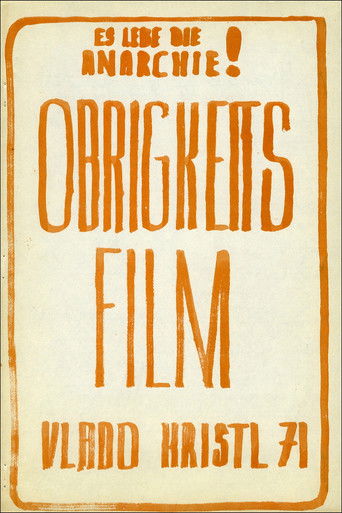
8.0A group of men, women and Kristl with his camera debate how to resist authority in all its forms. All cinematic professionalism is avoided as Kristl explores how to live and make films politically.
The Film of the Authority
1971
8.0A group of men, women and Kristl with his camera debate how to resist authority in all its forms. All cinematic professionalism is avoided as Kristl explores how to live and make films politically.
The Film of the Authority
1971
8.0A group of men, women and Kristl with his camera debate how to resist authority in all its forms. All cinematic professionalism is avoided as Kristl explores how to live and make films politically.
The Film of the Authority
1971
An idyll, "for GAL": a pond, a desk, a farm, a kitchen—and storks, lots of them. Colored, which brings to mind "coloratura." An idyll? Isn't something missing?
Die Verräter des Jungen deutschen Films schlafen nicht!
1982
10.0T. finds a letter. Instead of just dropping it in a mailbox, he decides, conscientious as he is, to deliver it personally. He wanders the entire world, discovers astounding forms of existence, but cannot be hindered from his duty and keeps looking until he finally finds the address. There, he finds out that he has delivered his own judgment.
The Letter
1966
10.0T. finds a letter. Instead of just dropping it in a mailbox, he decides, conscientious as he is, to deliver it personally. He wanders the entire world, discovers astounding forms of existence, but cannot be hindered from his duty and keeps looking until he finally finds the address. There, he finds out that he has delivered his own judgment.
The Letter
1966
Zagreb-born artist Vlado Kristl (1923-2004) was the most radical of the German auteur filmmakers. This is an anakofilm.
Film or Power
1970
Zagreb-born artist Vlado Kristl (1923-2004) was the most radical of the German auteur filmmakers. This is an anakofilm.
Film or Power
1970
 8.0
8.0Poor and unhappy, Rafael leaves Pauline and tries his luck at the roulette, but loses his last coin. Fate gifts him with the miraculous "Shagreen leather" that fulfills all wishes. In his new, luxurious life he wins the heart of wonderful Foedora. But with the power of the leather comes a rule: for every fulfilled wish it becomes shorter, and so does the life of its owner. Using the leather abundantly, Rafael soon spends his time.
Shagreen Leather
1960
Anything that complies with standards is a wasted effort to Vlado Kristl: 'I believe in only doing those things that decompose and tear conventional systems apart.' Kristl's métier are borderlines. His paintings and animated films are interspersed with clear dividing lines, only for him to blur and mess them up. His graphics are scribbled over and over again until the whole surface becomes black. His oil paintings, unless someone buys them in time, are painted over and over again. He destroys any form that begins to grow. -Thomas Brandlmeier
One Half of Wealth for One Half of Beauty
1994
Anything that complies with standards is a wasted effort to Vlado Kristl: 'I believe in only doing those things that decompose and tear conventional systems apart.' Kristl's métier are borderlines. His paintings and animated films are interspersed with clear dividing lines, only for him to blur and mess them up. His graphics are scribbled over and over again until the whole surface becomes black. His oil paintings, unless someone buys them in time, are painted over and over again. He destroys any form that begins to grow. -Thomas Brandlmeier
One Half of Wealth for One Half of Beauty
1994
Postmodernism also has to be seen as a system, one that is acknowledged, one with which one can create houses, locomotives, films, everything... That has nothing to do with art. That is just a parlour game. - Vlado Kristl
School of the Postmodern
1990
Postmodernism also has to be seen as a system, one that is acknowledged, one with which one can create houses, locomotives, films, everything... That has nothing to do with art. That is just a parlour game. - Vlado Kristl
School of the Postmodern
1990
Allegory of a man who leads the people to destruction and then is reborn to recommence the cycle.
The Pot
1964
Allegory of a man who leads the people to destruction and then is reborn to recommence the cycle.
The Pot
1964
Observations of a man and a dog in a Hamburg street. Mass society did not arise because there are many people today, but because the media turned them into a mass. Death to the spectator would actually mean cutting off the water supply to this mill. Whoever destroys the masses, whoever removes this sense of humanity, has ended the media era.
Tod dem Zuschauer
1984
Observations of a man and a dog in a Hamburg street. Mass society did not arise because there are many people today, but because the media turned them into a mass. Death to the spectator would actually mean cutting off the water supply to this mill. Whoever destroys the masses, whoever removes this sense of humanity, has ended the media era.
Tod dem Zuschauer
1984
 NR
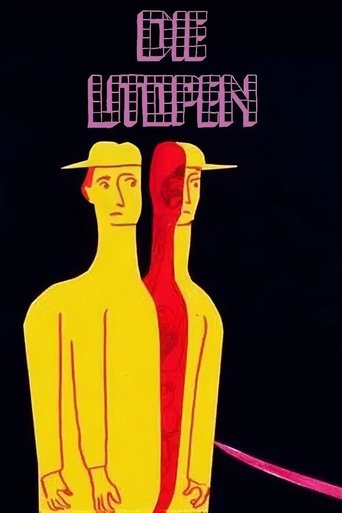
NRCartoon showing the "Utopes" - talented, unconventional, double-faced creatures. They are split by a uniformed man with a sabre - individually forced into submission by totalitarian ideology.
Utopia
1967
NRCartoon showing the "Utopes" - talented, unconventional, double-faced creatures. They are split by a uniformed man with a sabre - individually forced into submission by totalitarian ideology.
Utopia
1967
NRShort film about car racing.
Car Race
1965
NRShort film about car racing.
Car Race
1965
9.0Kristl was a member of the prestigious Zagreb Studio of Animation and his early works as painter and filmmaker had brought him instant acclaim and instant censorship. He fled Croatia and lived in Germany; he died there in 2004. Poor People, a “collective scream” of Cold War fear, was produced just after he left his country.
Poor People
1963
9.0Kristl was a member of the prestigious Zagreb Studio of Animation and his early works as painter and filmmaker had brought him instant acclaim and instant censorship. He fled Croatia and lived in Germany; he died there in 2004. Poor People, a “collective scream” of Cold War fear, was produced just after he left his country.
Poor People
1963
The friends of humanity: the painter, the musician, the poet and the prima ballerina - and all others are the enemies of humanity. -Vlado Kristl
When People Were Still Living for Personal Reasons
1993
The friends of humanity: the painter, the musician, the poet and the prima ballerina - and all others are the enemies of humanity. -Vlado Kristl
When People Were Still Living for Personal Reasons
1993
 NR
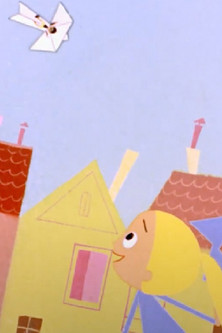
NRThe boy and the girl are suddenly separated from the picture book by a hand, which tears off a page from the book and makes a paper airplane in which the boy remains trapped. In her attempt to help the friend, she couldn’t achieve anything if all the children’s drawings in the city did not help her.
All the Drawings of the Town
1959
 4.9
4.9"Don Kihot" is a satirical, Klee-esque meditation about Don Quijote in the contemporary militaristic and regimentistic world.
Don Quixote
1962
4.9"Don Kihot" is a satirical, Klee-esque meditation about Don Quijote in the contemporary militaristic and regimentistic world.
Don Quixote
1962
"I shot this film, Italian Capriccio, as if it were my last. Now I see I had nothing to offer to anybody. No thought, no suggestion, nounderstanding. It is my conviction that this is a way to make this film uninteresting. I hope that Power will get people riled enough some day."
Italian Capriccio
1969
7.0In The Dam, although it is an experimental film, Kristl eschews the necessary earnestness in addressing his subject. The manufactured, unambiguously humorless profundity proffered up by other German contemporaries is absent here. Laughter is allowed. Kristl takes the dreadful liberty of tomfoolery, sending up himself, the characters, the action, "tragedy," and everything else, including the audience, that might be held sacred. Within the framework of the action, we recognize a love triangle, one of the simplest of dramatic configurations. Not only the basic idea, but also numerous particulars, both in subject and style, are reminiscent of the films of Roman Polanski, which Kristl doubtless saw and holds in esteem. We meet two men: one is meant to embody the outsider, the artistic, intellectual, individualist. The other looks like the embodiment of the well-to-do man, the burgher, the functionary, the capitalist. The two battle for the favor of an indecisive and domineering girl.
The Dam
1964
7.0In The Dam, although it is an experimental film, Kristl eschews the necessary earnestness in addressing his subject. The manufactured, unambiguously humorless profundity proffered up by other German contemporaries is absent here. Laughter is allowed. Kristl takes the dreadful liberty of tomfoolery, sending up himself, the characters, the action, "tragedy," and everything else, including the audience, that might be held sacred. Within the framework of the action, we recognize a love triangle, one of the simplest of dramatic configurations. Not only the basic idea, but also numerous particulars, both in subject and style, are reminiscent of the films of Roman Polanski, which Kristl doubtless saw and holds in esteem. We meet two men: one is meant to embody the outsider, the artistic, intellectual, individualist. The other looks like the embodiment of the well-to-do man, the burgher, the functionary, the capitalist. The two battle for the favor of an indecisive and domineering girl.
The Dam
1964
 NR
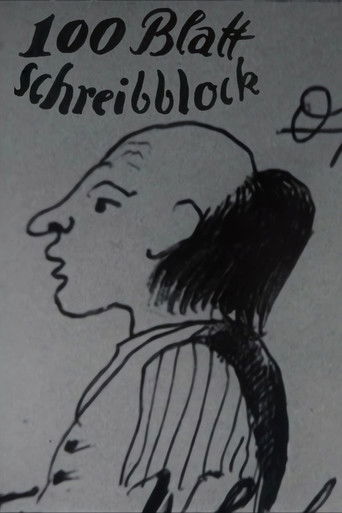
NRA medium-length film by Vlado Kristl.
A Pad of 100 Leaves
1968
NRA medium-length film by Vlado Kristl.
A Pad of 100 Leaves
1968