
Directing
Michael Forlong
Born — Died
1912-03-20 — 2000-04-20
Place of birth
Wanganui, New Zealand
Known for
Directing
Credits
31 titles
Michael Forlong (1912–2000) was a New Zealand writer, producer and director. He worked for the New Zealand National Film Unit before moving to England. After managing to introduce drama and dance into his post WWII films for the National Film Unit, filmmaker Michael Forlong spent the remainder of his career directing features in Europe. In 1972 he returned to New Zealand to shoot children's tale Rangi's Catch, discovering actor Temuera Morrison in the process. Born in Whanganui on 20 March 1912, Forlong was brought up largely by his mother. Forlong was an announcer on Wellington radio station 2ZB when he was drafted to write the script for an ambitious Government film, marking New Zealand’…
Known for
An adventure story for children set in New Zealand and told in eight sequential episodes
Terror in the Caves
1972
 9.0
9.0After suffering a near fatal accident in his last race over the hill, top British race car driver Greg Rafferty, is about to call it quits when he gets a telegram from racing car tire manufacture Joseph Bartell. He wants Greg to test out his latest invention, a heat resistant car tire, in actual racing competition.
The Green Helmet
1961
An adventure story for children set in New Zealand and told in eight sequential episodes. 5 of 8: The escaped criminals drive away from Wellington in a stolen car. However, Johnny and Rangi are hidden in the boot.
Packed in the Boot
1972
 6.8
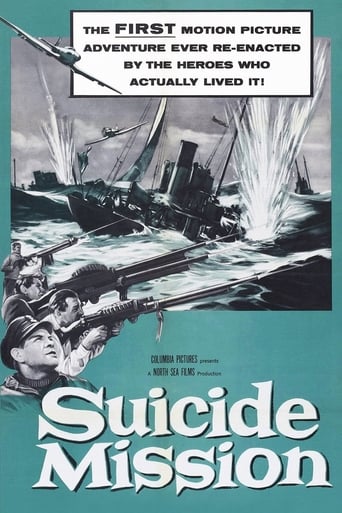
6.8A group of Norwegians cross the North Sea in winter to deliver Allied soldiers and ammunition to their Nazi-occupied country.
Suicide Mission
1954
 10.0
10.0A bookmaker struggles to cope with his two mothers-in-law.
Over the Odds
1961
 6.0
6.0The coming of the pioneer settlers in 1840, the making of their first homes in the wilderness, the gold rushes, the Maori wars, the stage coaches, and the frontier towns. A panorama of New Zealand's history and scenery, its social and economic development from 1840 to 1940.
One Hundred Crowded Years: The Centennial Film
1940
Film credits


Behind the camera
An adventure story for children set in New Zealand and told in eight sequential episodes
Terror in the Caves
1972
9.0After suffering a near fatal accident in his last race over the hill, top British race car driver Greg Rafferty, is about to call it quits when he gets a telegram from racing car tire manufacture Joseph Bartell. He wants Greg to test out his latest invention, a heat resistant car tire, in actual racing competition.
The Green Helmet
1961
An adventure story for children set in New Zealand and told in eight sequential episodes. 5 of 8: The escaped criminals drive away from Wellington in a stolen car. However, Johnny and Rangi are hidden in the boot.
Packed in the Boot
1972
6.8A group of Norwegians cross the North Sea in winter to deliver Allied soldiers and ammunition to their Nazi-occupied country.
Suicide Mission
1954
6.8A group of Norwegians cross the North Sea in winter to deliver Allied soldiers and ammunition to their Nazi-occupied country.
Suicide Mission
1954
10.0A bookmaker struggles to cope with his two mothers-in-law.
Over the Odds
1961
6.0The coming of the pioneer settlers in 1840, the making of their first homes in the wilderness, the gold rushes, the Maori wars, the stage coaches, and the frontier towns. A panorama of New Zealand's history and scenery, its social and economic development from 1840 to 1940.
One Hundred Crowded Years: The Centennial Film
1940
An adventure story for children set in New Zealand and told in eight sequential episodes. 1 of 8: Two mysterious men arrive in the remote area known as Marlborough Sound. They steal clothes, food and petrol from a farm.
The Mysterious Campers
1972
Escape into the kaleidoscopic world of 1960s fashion, where poodles and their glamorous owners sport matching hand-knitted outfits.
Wake Up to Wool
1967
 6.5
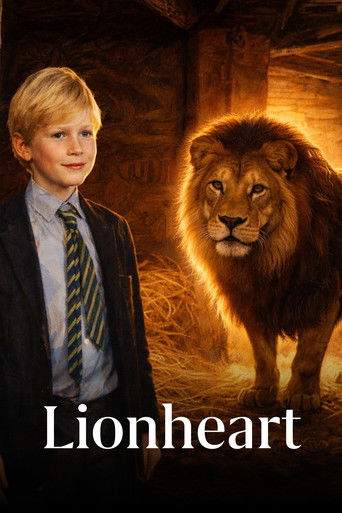
6.5A lion escapes from a circus but is rescued and protected by a young boy.
Lionheart
1968
6.5A lion escapes from a circus but is rescued and protected by a young boy.
Lionheart
1968
6.5A lion escapes from a circus but is rescued and protected by a young boy.
Lionheart
1968
The efforts of three children, who live in high rise flats, to save a donkey from two small-time crooks who want to sell it as horsemeat, by providing a temporary stable for the donkey in the block of high-rise flats.
High Rise Donkey
1980
Four children on a remote sheep station in New Zealand hear of the escape of two convicts, and realise that the crooks are responsible for burgling their house.
Rangi's Catch
1972
Four children on a remote sheep station in New Zealand hear of the escape of two convicts, and realise that the crooks are responsible for burgling their house.
Rangi's Catch
1972
Four children on a remote sheep station in New Zealand hear of the escape of two convicts, and realise that the crooks are responsible for burgling their house.
Rangi's Catch
1972
An adventure story for children in eight parts, filmed on location in New Zealand. In the second episode, the children who live around Marlborough Sound rescue a sheep stranded on a cliff ledge. Meanwhile, two escaped criminals steal food and make their plans.
Escaped Convicts
1972
A youth on the run hijacks a yacht with three children aboard.
Hijack!
1975
 8.0
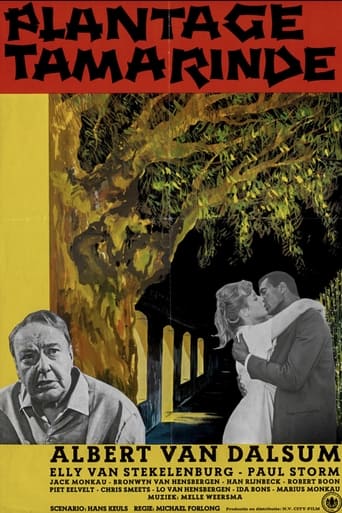
8.0Social drama about a plantation owner who sees his world collapse around him. Planter Sjon Jan van Leent's familiar world is changing. His son is a disappointment, his daughter marries an educated black man, his wife dies and the plantation is not doing well. When he hears his son has made off with some money, he has a heart attack. From his sickbed he thinks about his life and finally he and his wayward children are reconciled.
Plantage Tamarinde
1964
An adventure story for children set in New Zealand and told in eight sequential episodes
Jet Boat
1972
A gynecologist's wife leaves him, but returns when she finds out she's pregnant; but so is someone her husband's been very friendly with in her absence. Coincidence?
Stork Talk
1962
Children's Film Foundation comedy.
Raising the Roof
1972
An adventure story for children in eight parts, filmed on location in New Zealand. In the fourth episode, the escaped criminals travel on a ferry to Wellington in order to retrieve money from a bank robbery, with the children in pursuit.
Caught at Sea
1972
An adventure story for children in eight parts, filmed on location in New Zealand. In the third episode, the escaped criminals attempt to flee in a rowing-boat. The children chase them in a motor boat; however, their plans backfire when the villains come aboard.
Escape and Capture
1972
Aroha depicts a young Māori chief's daughter who embraces the modernity of the Pākehā world (attending university in Wellington) while confronting her place with her own people (Te Arawa) and traditions at home. The NFU-produced dramatisation is didactic but largely sensitive in making Aroha's story represent contemporary Māori dilemmas (noted anthropologist Ernest Beaglehole was the cultural advisor). Watch out for some musical treats, including an instrumental version of classic Kiwi song, 'Blue Smoke' and a performance of the action song 'Me He Manu Rere'.
Aroha: A Story of the Māori People
1951
Aroha depicts a young Māori chief's daughter who embraces the modernity of the Pākehā world (attending university in Wellington) while confronting her place with her own people (Te Arawa) and traditions at home. The NFU-produced dramatisation is didactic but largely sensitive in making Aroha's story represent contemporary Māori dilemmas (noted anthropologist Ernest Beaglehole was the cultural advisor). Watch out for some musical treats, including an instrumental version of classic Kiwi song, 'Blue Smoke' and a performance of the action song 'Me He Manu Rere'.
Aroha: A Story of the Māori People
1951
 NR
NRThis 1944 newsreel documents arrivals at a Wellington wharf from the Middle East: New Zealand soldiers and Polish children. For the refugees it was the conclusion of an epic wartime survival tale: an exodus from Poland via Siberian labour camps, to being greeted by Prime Minister Peter Fraser in NZ. The Poles then take the train past waving crowds to their new home: a camp in Pahīatua. Twenty years later the children were revisited in Kathleen O’Brien’s classic 1966 documentary The Story of Seven-Hundred Polish Children.
Weekly Review No. 169 - New Zealand Soldiers and Polish Children
1944
 NR
NRThree Brits travel and settle down in New Zealand, and the film records their hopes, jobs, challenges, and adventures in the new country.
Journey for Three
1950
NRThree Brits travel and settle down in New Zealand, and the film records their hopes, jobs, challenges, and adventures in the new country.
Journey for Three
1950