
Directing
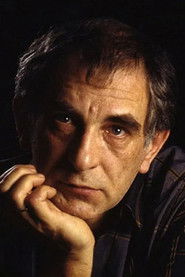
Krzysztof Kieślowski
Born — Died
1941-06-27 — 1996-03-13
Place of birth
Warsaw, General Government, German Reich [now Poland]
Known for
Directing
Credits
64 titles
Krzysztof Kieślowski (June 27, 1941 – March 13, 1996) was an influential Polish film director and screenwriter known internationally for his television series "The Decalogue" (1989), and his feature films "The Double Life of Véronique" (1991), and the "Three Colours" trilogy (1993–1994). Kieślowski received numerous awards during his career, including the Cannes Film Festival Jury Prize (1988), FIPRESCI Prize (1988, 1991), and Prize of the Ecumenical Jury (1991); the Venice Film Festival FIPRESCI Prize (1989), Golden Lion (1993), and OCIC Award (1993); and the Berlin International Film Festival Silver Bear (1994). In 1995 he received Academy Award nominations for Best Director and Best Writi…
Known for
 7.4
7.4Polish immigrant Karol Karol finds himself out of a marriage, a job and a country when his French wife, Dominique, divorces him after six months due to his impotence. Forced to leave France after losing the business they jointly owned, Karol enlists fellow Polish expatriate Mikołaj to smuggle him back to their homeland.
Three Colors: White
1994
 7.6
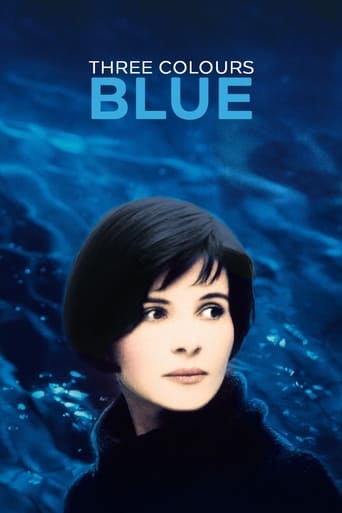
7.6The wife of a famous composer survives a car accident that kills her husband and daughter. Now alone, she shakes off her old identity and explores her newfound freedom but finds that she is unbreakably bound to other humans, including her husband’s mistress, whose existence she never suspected.
Three Colors: Blue
1993
 7.9
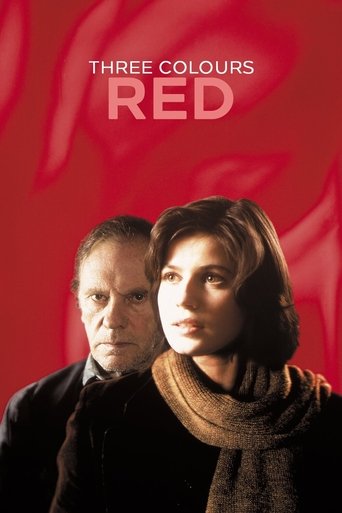
7.9Part-time model Valentine unexpectedly befriends a retired judge after she runs over his dog. At first, the grumpy man shows no concern about the dog, and Valentine decides to keep it. But the two form a bond when she returns to his house and catches him listening to his neighbors’ phone calls.
Three Colors: Red
1994
 7.5
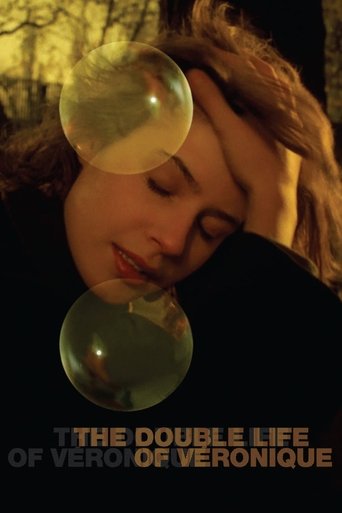
7.5Véronique is a beautiful young French woman who aspires to be a renowned singer; Weronika lives in Poland, has a similar career goal and looks identical to Véronique, though the two are not related. The film follows both women as they contend with the ups and downs of their individual lives, with Véronique embarking on an unusual romance with Alexandre Fabbri, a puppeteer who may be able to help her with her existential issues.
The Double Life of Véronique
1991
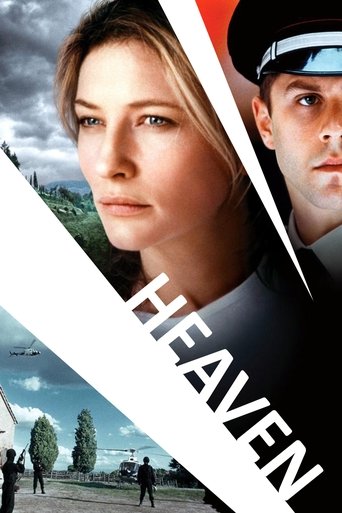 6.5
6.5A woman takes the law into her own hands after police ignore her pleas to arrest the man responsible for her husband's death, and finds herself not only under arrest for murder but falling in love with an officer.
Heaven
2002
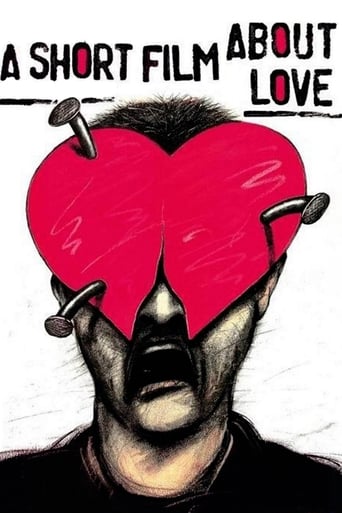 7.8
7.819-year-old Tomek whiles away his lonely life by spying on his opposite neighbour Magda through binoculars. She's an artist in her mid-thirties, and appears to have everything - not least a constant stream of men at her beck and call. But when the two finally meet, they discover that they have a lot more in common than appeared at first sight...
A Short Film About Love
1988
Film credits
2020s · 2 titles
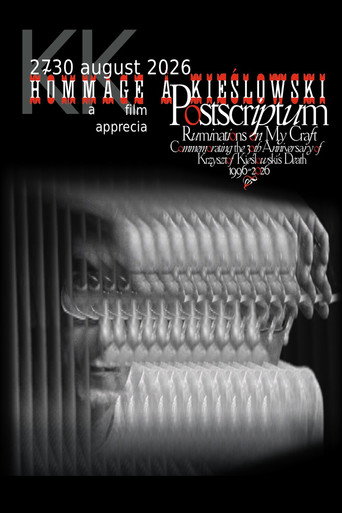 NR
NRNo synopsis available yet.
Postscriptum. Ruminations on My Craft
2026
 NR
NRIn this meta-film, the film students of the Department of Film at the School of Arts, Design and Architecture in Helsinki collectively make fun of themselves, their film studies and the state of Finnish cinema. Legendary director Krzysztof Kieslowski makes a cameo appearance, shivering in the chilling winds of Katajanokka.
Protection Line
2025
2000s · 4 titles
 10.0
10.0No synopsis available yet.
My Kieslowski
2006
 4.5
4.5Documentary tracing the filmmaker’s work in Poland, from his days as a student through The Double Life of Véronique.
1966-1988: Kieslowski, Polish Filmmaker
2005
 8.5
8.5Maria Zmarz-Koczanowicz directed this insightful TV documentary (2005) tracing the Polish filmmaker's career. Former classmates reminisce about Kieslowski's happy beginnings at the Lodz film school and how his dissatisfaction with some of his early documentaries prompted the dramatic work and stylistic experimentation that led to his monumental series of films The Decalogue (1989). Wim Wenders, Agnieszka Holland, and Juliette Binoche are among the many admirers weighing in on his hard-driving work methods and preoccupation with the ephemeral. In Polish, French, and German with subtitles.
Still Alive: A Film About Krzysztof Kieslowski
2006
No synopsis available yet.
Krzysiek Kieślowski
2001
1990s · 11 titles
 NR
NRWhat makes European cinema so special? Find out in Paul Joyce’s feature-length documentary, Pictures of Europe, which examines the differences between American independent and Hollywood movies and films from European directors. Featuring luminary iconoclasts from European cinema such as Agnes Varda, Bernardo Bertolucci and Pedro Almodovar, as well as American counterpoints from Paul Schrader, and those who have crossed back and forth, such as Paul Verhoeven
Pictures of Europe
1990
 7.0
7.0Documentary featuring a candid interview with Kieślowski and rare behind-the-scenes footage from the set of The Double Life of Véronique
Kieslowski: Dialogue
1991
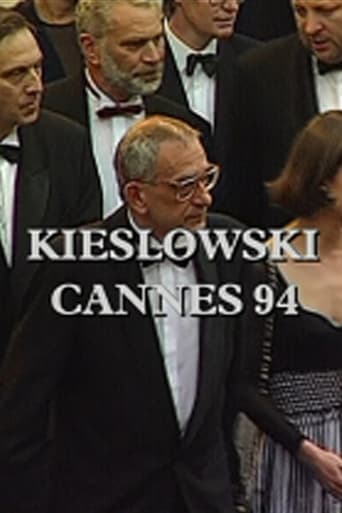 NR
NRA documentary about the showing of Krzysztof Kieślowski's film RED at the 1994 Cannes Film Festival, including interviews with the director and the cast of the film.
Kieślowski Cannes 94
1994
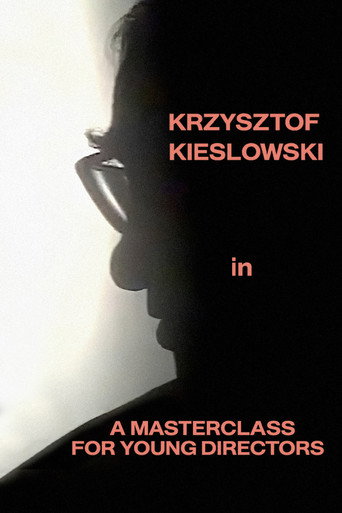 6.8
6.8Presents highlights of a workshop for young directors conducted by the Polish director Krzysztof Kieślowski (1941-1996) in Amsterdam during the summer of 1994, inclusive of interviews with Kieślowski himself. The theme of the workshop was the direction of actors. For a fortnight, various groups worked every day on a scene from Ingmar Bergman's film, 'Scenes from a Marriage.'
Krzysztof Kieślowski: A Masterclass for Young Directors
1995
The film reveals the mechanisms of the communist institution of censorship. Famous filmmakers - Kazimierz Kutz, Andrzej Wajda, Krzysztof Kieslowski, Filip Bajon and Marcel Lozinski - talk about their contacts and experiences with censors, how their films were censored, what parts were considered contrary to the ideology of the socialist state. These interferences were often of an absurd nature. At the same time, the filmmakers mention how much of the intended content they managed to smuggle out. The film is also an attempt to analyze and summarize the role of censorship in a totalitarian state and its impact on culture and art.
Tren na śmierć cenzora
1992
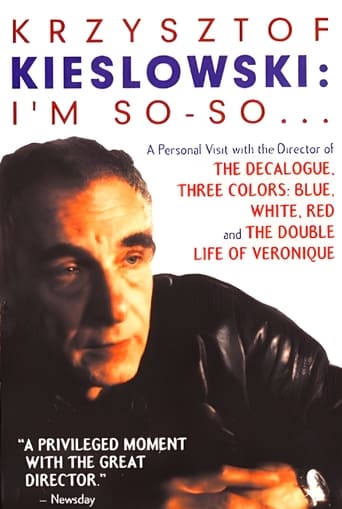 7.8
7.8Director and writer Krzysztof Kieslowski shares his views on life, people, politics, and comments a little about some of his films in a very casual conversation.
Krzysztof Kieslowski: I'm So-So...
1995
A biographical story of Krzysztof Kieślowski. The production is composed of well-selected fragments of his documentaries and feature films. The aim of that is to create a universal human story: birth, education, maturation, love, work, illness, and death.
Short Film About Krzysztof Kieslowski
1996
Film director Krzysztof Kieślowski examines in detail one scene from each of the films in his Three Colors Trilogy.
Krzysztof Kieślowski: A Lesson in Cinema
1994
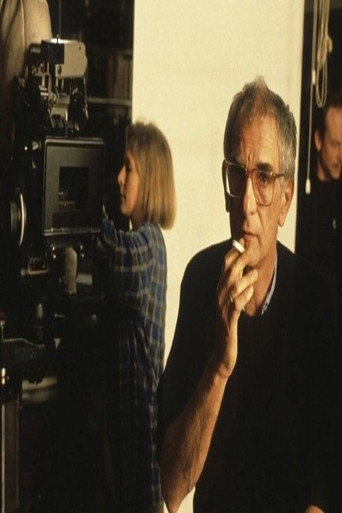 NR
NRIn Warsaw, Polish filmmaker Krzysztof Kieślowski returns to the editing room of the documentary film production company where he made his first films in the late 1960s.
Kieslowski: The Cinema Lesson
1994
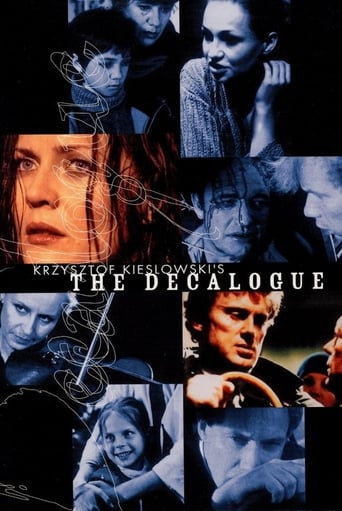 6.2
6.2This interview, made in January 1995, is an attempt to examine the universal messages offered by 'Decalogue', as well as it's idiosyncrasies
A Short Film About Decalogue: An Interview with Krzysztof Kieslowski
1995
 NR
NRDocumentary on Krzysztof Kieslowski's Dekalog from the BBC Arena series.
The Ten Commandments of Krzysztof Kieslowski
1990
1970s · 3 titles
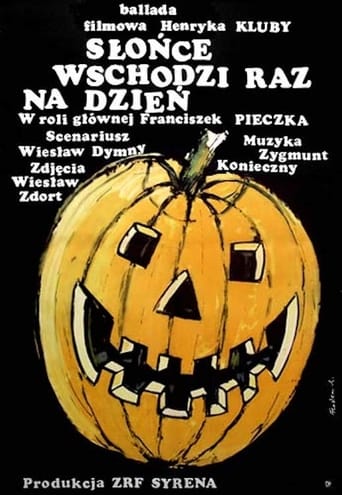 5.8
5.8After the war, the community of mountaineers is eager to start their own sawmill. When the communist authorities come to take over the sawmill, a rebellion starts.
The Sun Rises Once a Day
1972
 NR
NR"Legenda" is a document about a famous polish writer Stefan Żeromski. It serves as an interview with people who knew the artist.
Legend
1975
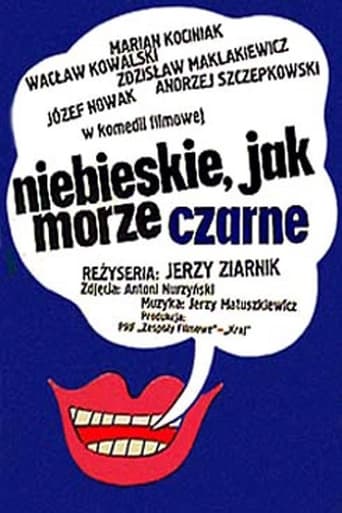 6.7
6.7A group of middle-aged men takes a bus trip to the Black Sea, having to put up with the border guard, accommodation and their guide, a film school student.
Niebieskie jak Morze Czarne
1973
1960s · 3 titles
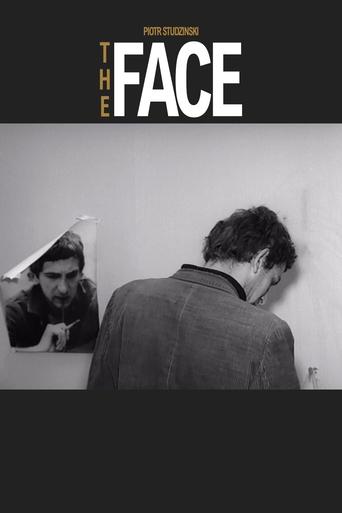 5.8
5.8Portrait of an artist as a young manic. First, a montage of still photographs of an artist's face. Then motion. He stirs in sleep; he paints and expresses frustration. He looks for a light for his cigarette. He sketches, wads it up; makes tea; stares at his face in a mirror, then looks at canvas after canvas of self-portraits.
The Face
1966
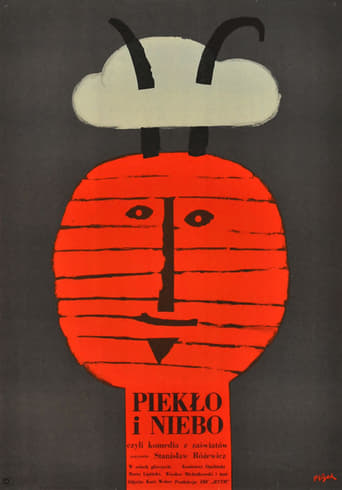 6.5
6.5A bus crashes and its passengers find themeselves in the afterlife, which they find has the not only the same set of rules as Earth, but also the same bureaucratic chaos.
Hell and Heaven
1966
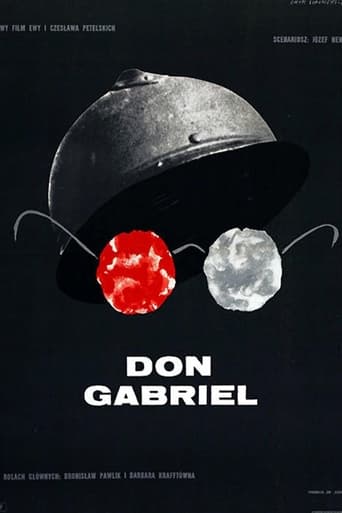 10.0
10.0The first Polish film to discuss the failure of September 1939 Polish-German war, seen from the point of view of a university intellectual, fascinated by German culture, who decides to take active part in the conflict.
Don Gabriel
1966
Behind the camera
7.4Polish immigrant Karol Karol finds himself out of a marriage, a job and a country when his French wife, Dominique, divorces him after six months due to his impotence. Forced to leave France after losing the business they jointly owned, Karol enlists fellow Polish expatriate Mikołaj to smuggle him back to their homeland.
Three Colors: White
1994
7.4Polish immigrant Karol Karol finds himself out of a marriage, a job and a country when his French wife, Dominique, divorces him after six months due to his impotence. Forced to leave France after losing the business they jointly owned, Karol enlists fellow Polish expatriate Mikołaj to smuggle him back to their homeland.
Three Colors: White
1994
7.6The wife of a famous composer survives a car accident that kills her husband and daughter. Now alone, she shakes off her old identity and explores her newfound freedom but finds that she is unbreakably bound to other humans, including her husband’s mistress, whose existence she never suspected.
Three Colors: Blue
1993
7.6The wife of a famous composer survives a car accident that kills her husband and daughter. Now alone, she shakes off her old identity and explores her newfound freedom but finds that she is unbreakably bound to other humans, including her husband’s mistress, whose existence she never suspected.
Three Colors: Blue
1993
7.9Part-time model Valentine unexpectedly befriends a retired judge after she runs over his dog. At first, the grumpy man shows no concern about the dog, and Valentine decides to keep it. But the two form a bond when she returns to his house and catches him listening to his neighbors’ phone calls.
Three Colors: Red
1994
7.9Part-time model Valentine unexpectedly befriends a retired judge after she runs over his dog. At first, the grumpy man shows no concern about the dog, and Valentine decides to keep it. But the two form a bond when she returns to his house and catches him listening to his neighbors’ phone calls.
Three Colors: Red
1994
7.5Véronique is a beautiful young French woman who aspires to be a renowned singer; Weronika lives in Poland, has a similar career goal and looks identical to Véronique, though the two are not related. The film follows both women as they contend with the ups and downs of their individual lives, with Véronique embarking on an unusual romance with Alexandre Fabbri, a puppeteer who may be able to help her with her existential issues.
The Double Life of Véronique
1991
7.5Véronique is a beautiful young French woman who aspires to be a renowned singer; Weronika lives in Poland, has a similar career goal and looks identical to Véronique, though the two are not related. The film follows both women as they contend with the ups and downs of their individual lives, with Véronique embarking on an unusual romance with Alexandre Fabbri, a puppeteer who may be able to help her with her existential issues.
The Double Life of Véronique
1991
6.5A woman takes the law into her own hands after police ignore her pleas to arrest the man responsible for her husband's death, and finds herself not only under arrest for murder but falling in love with an officer.
Heaven
2002
7.819-year-old Tomek whiles away his lonely life by spying on his opposite neighbour Magda through binoculars. She's an artist in her mid-thirties, and appears to have everything - not least a constant stream of men at her beck and call. But when the two finally meet, they discover that they have a lot more in common than appeared at first sight...
A Short Film About Love
1988
7.819-year-old Tomek whiles away his lonely life by spying on his opposite neighbour Magda through binoculars. She's an artist in her mid-thirties, and appears to have everything - not least a constant stream of men at her beck and call. But when the two finally meet, they discover that they have a lot more in common than appeared at first sight...
A Short Film About Love
1988
 7.6
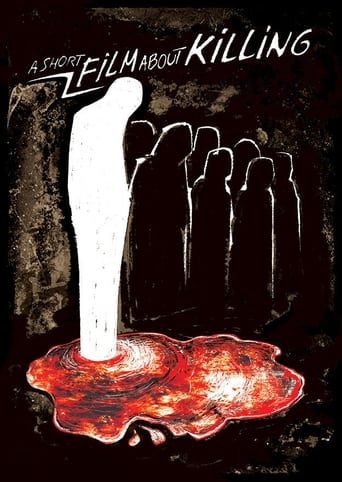
7.6Jacek climbs into the taxi driven by Waldemar, tells him to drive to a remote location, then brutally strangles him, seemingly without motive.
A Short Film About Killing
1988
7.6Jacek climbs into the taxi driven by Waldemar, tells him to drive to a remote location, then brutally strangles him, seemingly without motive.
A Short Film About Killing
1988
 7.1
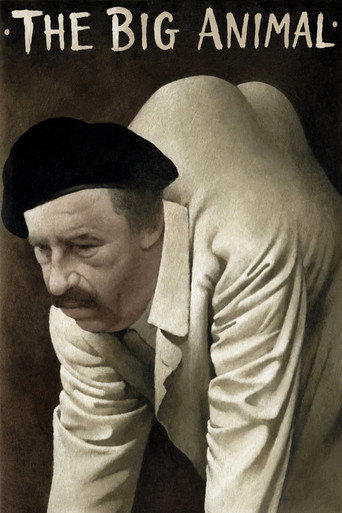
7.1When the circus leaves town, Zygmunt and Marysia unwittingly adopt a camel into their home. The couple quickly forms a close bond with the nameless camel, but as the bond grows stronger, their neighbors slowly begin to ostracize them.
The Big Animal
2000
 8.1
8.1Krzysztof, a semantics professor and computer hobbyist, is raising his young son, Paweł, to look to science for answers, while Irena, Paweł’s aunt, lives a life rooted in faith. Over the course of one day, both adults are forced to question their belief systems.
Decalogue I
1989
8.1Krzysztof, a semantics professor and computer hobbyist, is raising his young son, Paweł, to look to science for answers, while Irena, Paweł’s aunt, lives a life rooted in faith. Over the course of one day, both adults are forced to question their belief systems.
Decalogue I
1989
 8.0
8.0Jacek, an angry drifter, murders a taxi driver, brutally and without motive. His case is assigned to Piotr, an idealistic young lawyer who is morally opposed to the death penalty, and their interactions take on an emotional honesty that throws into stark relief for Piotr the injustice of killing of any kind.
Decalogue V
1989
8.0Jacek, an angry drifter, murders a taxi driver, brutally and without motive. His case is assigned to Piotr, an idealistic young lawyer who is morally opposed to the death penalty, and their interactions take on an emotional honesty that throws into stark relief for Piotr the injustice of killing of any kind.
Decalogue V
1989
 7.1
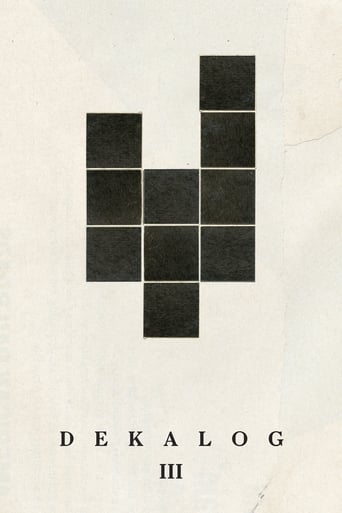
7.1It’s Christmas Eve, and Ewa has plotted to pass the hours until morning with her former lover Janusz, a family man, by making him believe her husband has gone missing. During this night of recklessness and lies, the pair grapple with choices made when their affair was discovered three years ago, and with the value of their present lives.
Decalogue III
1989
7.1It’s Christmas Eve, and Ewa has plotted to pass the hours until morning with her former lover Janusz, a family man, by making him believe her husband has gone missing. During this night of recklessness and lies, the pair grapple with choices made when their affair was discovered three years ago, and with the value of their present lives.
Decalogue III
1989
 7.0
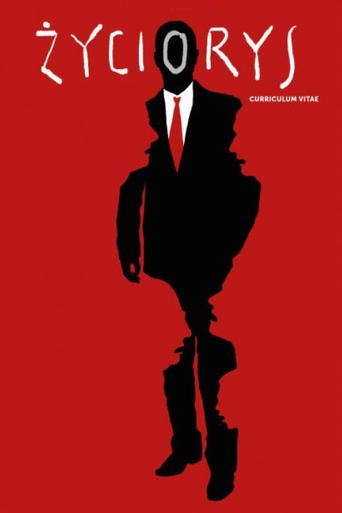
7.0A communist party control committee interrogates a worker and party activist who is to be excluded from the party.
Curriculum Vitae
1975
7.0A communist party control committee interrogates a worker and party activist who is to be excluded from the party.
Curriculum Vitae
1975
 6.4
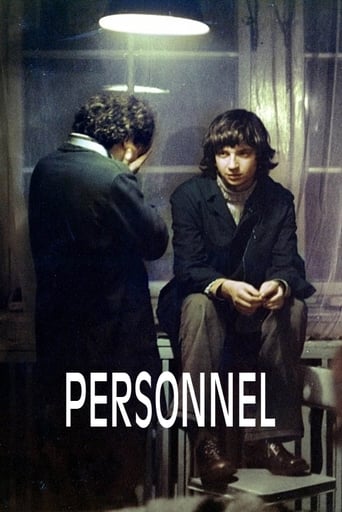
6.4Romek, an idealistc 19-year-old boy, takes a job as a tailor in the costume department of a Warsaw theater company where his new colleague, Sowa, is pressured to make a costume for an overbearing soloist.
Personnel
1976
6.4Romek, an idealistc 19-year-old boy, takes a job as a tailor in the costume department of a Warsaw theater company where his new colleague, Sowa, is pressured to make a costume for an overbearing soloist.
Personnel
1976
 7.0
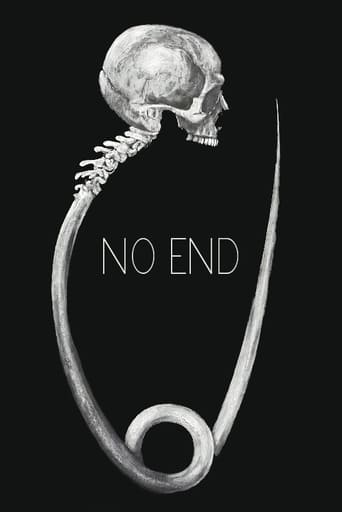
7.01982, Poland. A translator loses her husband and becomes a victim of her own sorrow. She looks to sex, to her son, to law, and to hypnotism when she has nothing else in this time of martial law when Solidarity was banned.
No End
1985
7.01982, Poland. A translator loses her husband and becomes a victim of her own sorrow. She looks to sex, to her son, to law, and to hypnotism when she has nothing else in this time of martial law when Solidarity was banned.
No End
1985
 7.5
7.5Filip buys an 8mm movie camera when his first child is born. Because it's the first camera in town, he's named official photographer by the local Party boss. His horizons widen when he is sent to regional film festivals with his first works but his focus on movie making also leads to domestic strife and philosophical dilemmas.
Camera Buff
1979
7.5Filip buys an 8mm movie camera when his first child is born. Because it's the first camera in town, he's named official photographer by the local Party boss. His horizons widen when he is sent to regional film festivals with his first works but his focus on movie making also leads to domestic strife and philosophical dilemmas.
Camera Buff
1979
 7.9
7.9Jerzy and Artur’s father dies, leaving behind a valuable stamp collection, which, they discover, is coveted by dealers of varying degrees of shadiness. The more involved the brothers get in their father’s world, the more dire and comical their situation becomes.
Decalogue X
1989
7.9Jerzy and Artur’s father dies, leaving behind a valuable stamp collection, which, they discover, is coveted by dealers of varying degrees of shadiness. The more involved the brothers get in their father’s world, the more dire and comical their situation becomes.
Decalogue X
1989
 7.5
7.5Witek runs after a train. Three variations follow on how such a seemingly banal incident could influence the rest of Witek's life.
Blind Chance
1987
7.5Witek runs after a train. Three variations follow on how such a seemingly banal incident could influence the rest of Witek's life.
Blind Chance
1987
 7.8
7.8A father and daughter, Michał and Anka, have a unique intimacy, which the college-aged Anka is beginning to feel conflicted about. When she finds an unopened letter from her deceased mother, it seems to justify her attraction to Michał, who may not in fact be her father.
Decalogue IV
1989
7.8A father and daughter, Michał and Anka, have a unique intimacy, which the college-aged Anka is beginning to feel conflicted about. When she finds an unopened letter from her deceased mother, it seems to justify her attraction to Michał, who may not in fact be her father.
Decalogue IV
1989
 5.7
5.7Joseph Malesa is a former party activist, labor leader, and mason. The documentary describes his career and life through ups and downs.
The Bricklayer
1973
5.7Joseph Malesa is a former party activist, labor leader, and mason. The documentary describes his career and life through ups and downs.
The Bricklayer
1973
 7.0
7.0The insane government bureaucracy at a state pension window.
The Office
1966
 7.1
7.1A group of veterans recount a horrifying experience when trapped in a minefield, resulting in each losing their sight.
I Was a Soldier
1971
 5.9
5.9Patients with serious lung diseases, who are now in a sanatorium, tell us about their thoughts and feelings.
X-Ray
1974
 6.5
6.5Documentary about everyday life in the funeral business, dealing with a funeral home and targets bureaucracy, corruption and dispassionate attitudes toward sorrowful fellow citizens.
Refrain
1972