
Writing
George Herriman
Born — Died
1880-08-22 — 1944-04-26
Place of birth
New Orleans, Louisiana, USA
Known for
Writing
Credits
20 titles
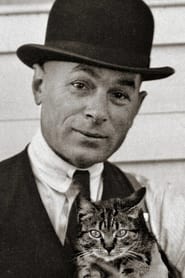
George Joseph Herriman III (August 22, 1880 – April 25, 1944) was an American cartoonist best known for the comic strip Krazy Kat (1913–1944). More influential than popular, Krazy Kat had an appreciative audience among those in the arts. Gilbert Seldes' article "The Krazy Kat Who Walks by Himself" was the earliest example of a critic from the high arts giving serious attention to a comic strip. The Comics Journal placed the strip first on its list of the greatest comics of the 20th century. Herriman's work has been a primary influence on cartoonists such as Elzie C. Segar, Will Eisner, Charles M. Schulz, Robert Crumb, Art Spiegelman, Bill Watterson, and Chris Ware. Herriman was born in New …
Known for
 9.0
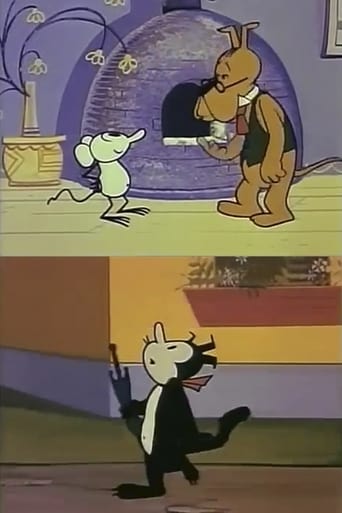
9.0Ignatz Mouse is hired to sell a prefabricated house to the local brick foundry owner Kelly by a corrupt realtor. But Krazy Kat's simple home (made from two umbrellas) bothers Kelly. The trio becomes embroiled in a battle of wits as to whose house is better.
Keeping Up with Krazy
1962
 8.0
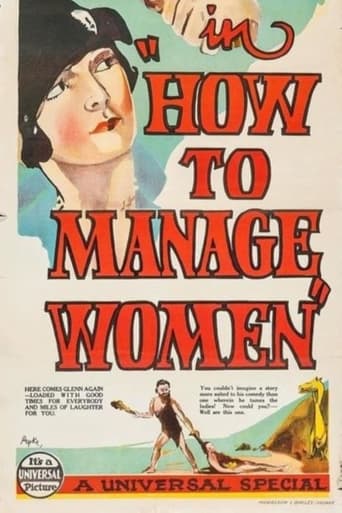
8.0When Leonard Higgins, a cartoonist, meets Prince Hendryx, ruler of the small nation of Vulgaria, he offers to help save the country by advertising the nonexistent crop, the peanut.
How to Handle Women
1928
 5.4
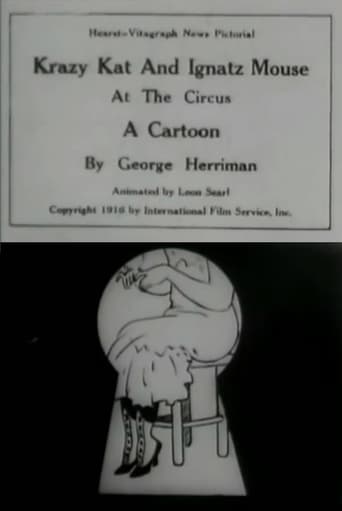
5.4Krazy Kat and Ignatz Mouse go to the circus and have some fun at the expense of a spectator.
Krazy Kat and Ignatz Mouse at the Circus
1916
 7.2
7.2It's a fairly straightforward piece in which Krazy gets involved with a dance contest, a bear, a skunk and a pawnbroker.
Scents and Nonsense
1926
 10.0
10.0Krazy Kat runs his own lighthouse and when rough seas take over, he has to save a damsel in distress.
Light House Keeping
1932
Riding a camel through the desert, Krazy Kat and his Minnie-Mouse lookalike girlfriend are spotted by one of the sultan's men, who kidnaps the girl for his boss's harem. Lost Cartoon
Desert Sunk
1930
Film credits
Behind the camera
9.0Ignatz Mouse is hired to sell a prefabricated house to the local brick foundry owner Kelly by a corrupt realtor. But Krazy Kat's simple home (made from two umbrellas) bothers Kelly. The trio becomes embroiled in a battle of wits as to whose house is better.
Keeping Up with Krazy
1962
5.4Krazy Kat and Ignatz Mouse go to the circus and have some fun at the expense of a spectator.
Krazy Kat and Ignatz Mouse at the Circus
1916
7.2It's a fairly straightforward piece in which Krazy gets involved with a dance contest, a bear, a skunk and a pawnbroker.
Scents and Nonsense
1926
10.0Krazy Kat runs his own lighthouse and when rough seas take over, he has to save a damsel in distress.
Light House Keeping
1932
Riding a camel through the desert, Krazy Kat and his Minnie-Mouse lookalike girlfriend are spotted by one of the sultan's men, who kidnaps the girl for his boss's harem. Lost Cartoon
Desert Sunk
1930
A Krazy Kat short.
Auto Suggestion
1929
 6.5
6.5While George Herriman is credited as Kat's creator here, Krazy in this short bears little resemblance to the original comic strip character. In fact, instead of pining for Ignaz Mouse, this Kat is hunting American Indians, what we call Native Americans today, as he gets almost burned at the stake by them (it should be noted that the fire, like in many animated shorts made during this time, has a personality of his own here!).
Ratskin
1929
 8.0
8.0A musical extravaganza centered around Depression-struck Krazy Kat trying to cadge a free meal in an automat (The Eato-Mat Restaurant)
The Merry Cafe
1936
Krazy Kat gets falsely arrested for cheese burglaries.
The Great Cheese Robbery
1920
A Jerry on the Job short
Scrambled Eagles
1921
While tracking a pair of footprints, Krazy Kat walks through a spooky midnight landscape where trees, birds and clock towers play music. Then rain and lightning storms roll in. He gets into a scary house where the furniture starts attacking him, and a ghost grabs him and takes him to underground rooms where more ghosts sing and dance and get Krazy to join them. Lost Cartoon
Spookeasy
1930
A Krazy Kat short.
How I Became Krazy
1921
A Krazy Kat short.
A Fur Peace
1929
A Krazy Kat short.
Krazy Kat Demi-Tasse
1916
A Krazy Kat short.
Ignatz Believes in Signs
1916
Krazy Kat cartoon short
A Grid-Iron Hero
1916
An Old Flame is a 1930 Krazy Kat short directed by Manny Gould and Ben Harrison. Lost Cartoon
An Old Flame
1930
Krazy is at home reading a magazine. Ignatz comes in and goes inside a jar of jam. Krazy is aware of this, and tries to get the rodent out of the jar. After getting bitten in the paws, Krazy decides to discard the container, along with Ignatz.
A Duet
1916
Krazy is at home reading a magazine. Ignatz comes in and goes inside a jar of jam. Krazy is aware of this, and tries to get the rodent out of the jar. After getting bitten in the paws, Krazy decides to discard the container, along with Ignatz.
A Duet
1916