
Acting
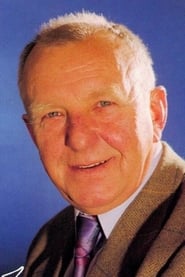
Jerzy Turek
Born — Died
1934-01-17 — 2010-02-14
Place of birth
Tchórzowa, Poland
Known for
Acting
Credits
76 titles
Known for
 8.3
8.3The Ten Commandments, exact and uncompromising, literally cast in stone, continues to provide a source of moral conflict in contemporary society. In the ten part collection of films, The Decalogue, Krzysztof Kieślowski examines the dilemma of fundamental sin in the lives of ordinary Warsaw citizens.
Dekalog
1989
 7.3
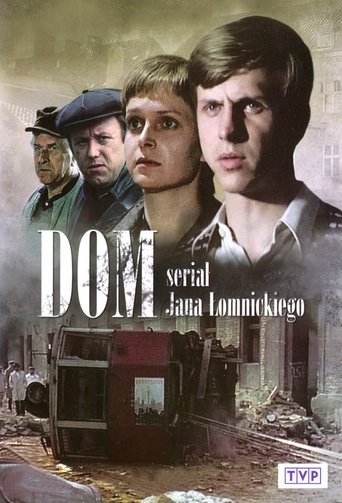
7.3The story of the residents of a tenement house on Złota Street in Warsaw from 1945 to 1980.
Dom
1980
 7.8
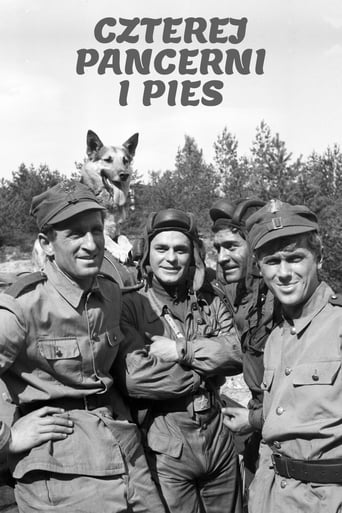
7.8Czterej pancerni i pies was a Polish black and white TV series based on the book by Janusz Przymanowski. Made between 1966 and 1970, the series is composed of 21 episodes of 55 minutes each, divided into three seasons. It is set in 1944 and 1945, during World War II, and follows the adventures of a tank crew and their T-34 tank in the 1st Polish Army. Although both the book and the TV series contain elements of pro-Soviet propaganda, they have achieved and retain a cult series status in Poland, Soviet Union and other Eastern Bloc countries. The T-34 tank Rudy with the identifying number "102", a German Shepherd dog from Siberia Szarik and to a lesser extent the crew Jan Kos, Gustaw Jeleń, Grigorij Saakaszwili, Tomasz Czereśniak, and their commander and mentor Olgierd Jarosz, as well as other heroes of the series, have become icons in Polish popular culture.
Four Tank-Men and a Dog
1966
 6.4
6.4Polish Fanfan, the first Polish series from the "cloak and dagger" - written about the "black cloud" in the press of the 70's. Axis of the plot became a dramatic episodes of the struggle for the maintenance of the Polish Prussia. They remained in feudal depending on the Republic from 1525, when Albrecht Hohenzollern secularized religious state and filed in Krakow tribute to the Polish king.
Clouds of War
1973
 7.2
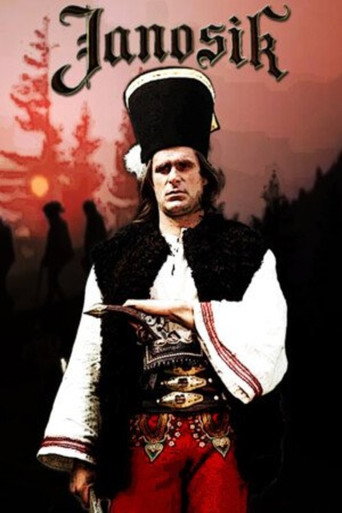
7.2Janosik was a television series that aired in Poland in 1974. It is about a famous Polish highlander outlaw who in folk legends steals money and goods from the rich and helps out the poor. The series was directed by Jerzy Passendorfer. There are 13 1-hour episodes.
Janosik
1974
 7.2
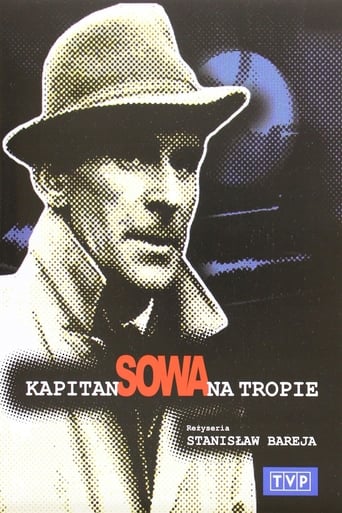
7.2Kapitan Sowa na tropie is a Polish series from 1965 directed by Stanisław Bareja. It was the first Polish criminal series made after World War II.
Kapitan Sowa na tropie
1965
Film credits
1990s · 3 titles
 7.0
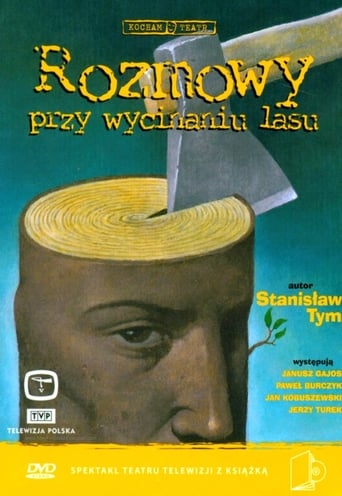
7.0TV staging of Polish contemporary drama. Stanislaw Tym returned to the text, which is preceded by a special dedication: "To all the carps in Poland I dedicate - the author." The story of lumberjacks leading a life in a forest glade gives the essence of both the reality in which the play was written and relates to today. Conversations about fish, this and that fill the time of the woodcutters, whose main occupation is waiting. Every day they wait for the Axe Man to come and distribute their work tools, only to collect them again after the day's work is done.
Rozmowy przy wycinaniu lasu
1999
 6.7
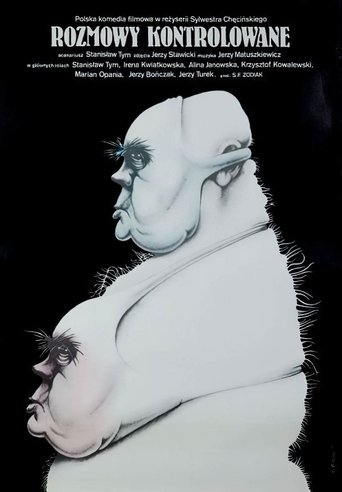
6.7Ryszard Ochódzki receives a special assignment for UB - infiltrating the "Solidarity" party branch in Suwałki. His arriving there coincides with the imposition of martial law on Poland.
Controlled Conversations
1991
A TV movie based on the television series "Złotopolscy", concerning a Christmas Eve for the familes of Złotopolscy.
Gwiazdka w Złotopolicach
1999
1980s · 13 titles
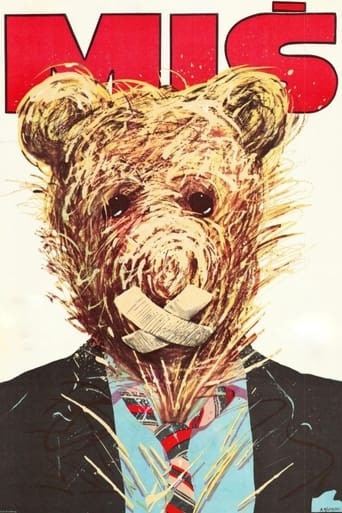 7.8
7.8En route to London, Bear discovers at the border checkpoint that his passport is missing a few pages, which may prevent him from traveling to the city with the sports team he manages.
Teddy Bear
1981
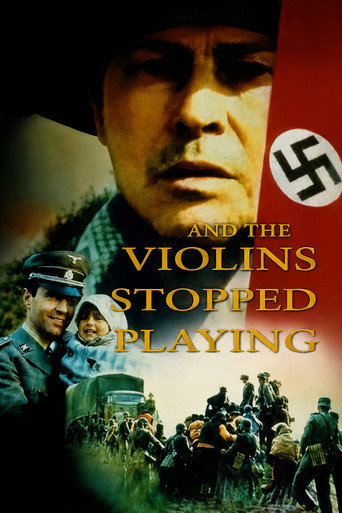 7.5
7.5This is the true story about a group of Romani's (gypsy) in occupied Poland during World War II as they confront the atrocities and tragedies of a forgotten holocaust.
And the Violins Stopped Playing
1988
 7.9
7.9Jerzy and Artur’s father dies, leaving behind a valuable stamp collection, which, they discover, is coveted by dealers of varying degrees of shadiness. The more involved the brothers get in their father’s world, the more dire and comical their situation becomes.
Decalogue X
1989
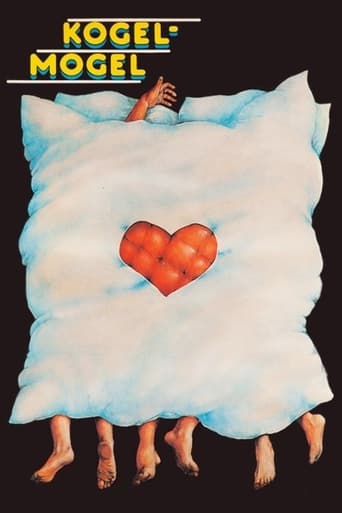 7.3
7.3Following the emotions associated with entrance examinations to the faculty of pedagogy, Catherine Solska returns to his native village. And here she will surprise - the family without their knowledge to begin preparations for engagement with a rich neighbor Kolasa. Girl falls into despair, tries to oppose the decision of the parents, but is closed in his room. On visits to her fiance and flees out the window calling mail to the university. Receives misleading information and is convinced that was not accepted to college. Resigned returns home and agrees to the wedding. Meanwhile, on the eve of the wedding the postman brings the notice of acceptance to the university.
Egg Nogg
1988
An American actress temporarily stops in Warsaw on her way to Japan, where she gets acquainted with the Polish writer.
Yokohama
1982
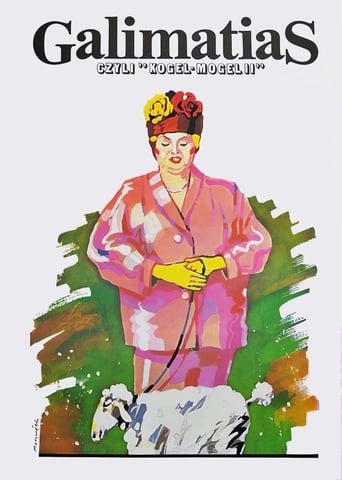 7.0
7.0Kasia and Pawel, having got married, live in the village of Brzozki, 10 kilometres from Grabow. Kasia wants to return to her pedagogical studies, so she does not want to have children yet. Pawel announces that he wants to break away from the traditional village farm and focus on specialised sheep breeding, which causes a family argument. Kasia's parents anxiously await the birth of their grandchildren. Things get even more complicated when the Wolanskis arrive in Grabow. They offer to help Kasia go back to university, but in return Kasia has to look after little Piotr as the docent is leaving for London where he has received a month-long study grant.
Topsy Turvy, or Egg Nogg 2
1989
 6.1
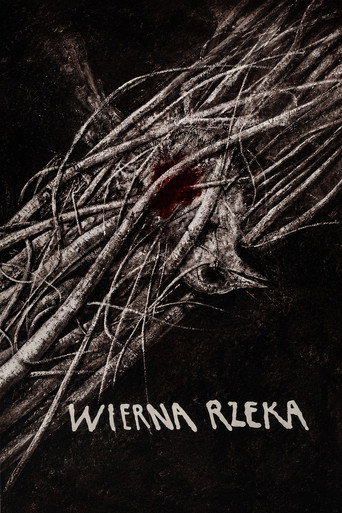
6.1Set during the insurgency of 1863, the story focuses on a tragic romance between a poor gentlewoman and a rebel noble. After a bloody battle a unit of insurgents have been wiped out and only one survived, but badly wounded. He eventually finds shelter and care from a landsteward's daughter, hiding in a burned-out manor with an old servant.
The Faithful River
1987
 10.0
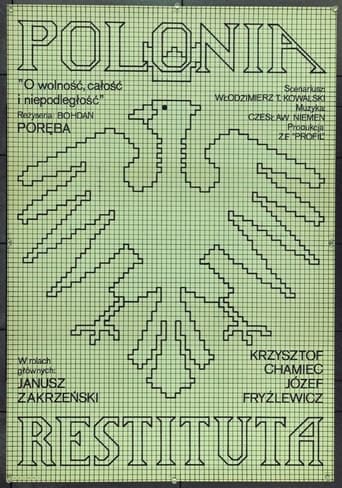
10.0A two-part historical film covering the years of the First World War and the post-war period up to 1919 - until the signing of the peace treaty in Versailles near Paris. An attempt to show the great and complicated process of regaining an independent existence by a nation within its own state. The screen shows characters from history textbooks: Józef Piłsudski, Ignacy Paderewski, Roman Dmowski, Wojciech Korfanty as well as representatives of the world political scene, incl. David Lloyd George, Woodrow Wilson, Georges Clemenceau, Vladimir Lenin and others.
Polonia Restituta
1981
 10.0
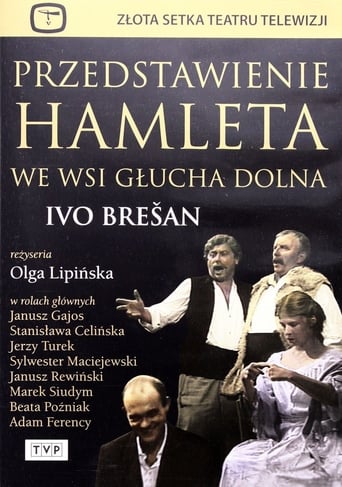
10.0Based on the play "Predstava Hamleta u selu Mrduša Donja" by Croatian playwright Ivon Brešan. The story is set in the 1960s in a Yugoslavian village, where an activist of a production cooperative decides to stage Shakespeare's Hamlet in a version prepared by a village teacher.
Przedstawienie Hamleta we wsi Głucha Dolna
1987
No synopsis available yet.
Goryl, Czyli Ostatnie Zadanie...
1989
 5.0
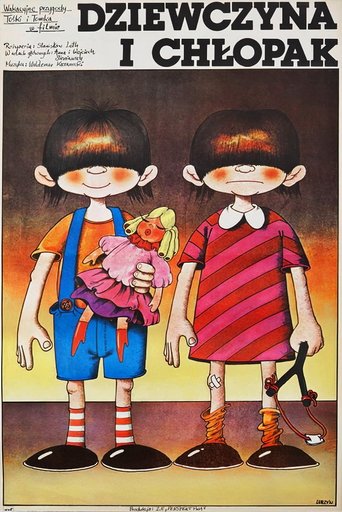
5.0As a result of a mistake, the siblings change roles and go on vacation somewhere else than planned. The boy goes to his aunt and cousins, the girl goes to her uncle and cousins. To save her brother, the sister pretends to be a boy and he, left with no choice, pretends to be a girl.
Girl and Boy
1982
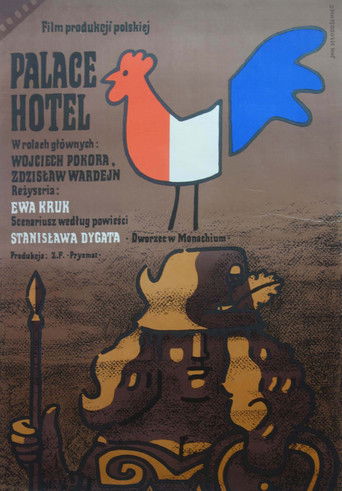 9.0
9.0The finder of a suitcase stolen in 1939 from the French embassy in Warsaw tries to reach its owner.
Palace Hotel
1983
A young penniless woman comes to a small town with her newborn baby. She goes to work but because her child has no father, life is hard for her. Until she meets a carefree vagabond photographer willing to help her out.
Jedenaste przykazanie
1988
1970s · 18 titles
A contemporary psychological drama set in an environment of experimental pilots - testers.
Zniszczyć pirata
1973
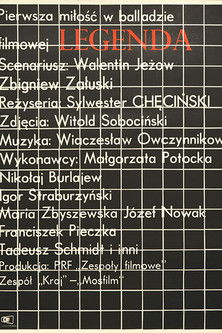 4.3
4.3Three children strike a deep friendship after a chance encounter during World War 2.
Legenda
1971
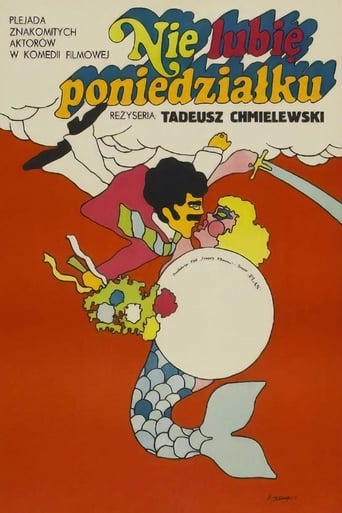 7.4
7.4An acute case of Mondayitis in Warsaw. Interwoven stories of a few inhabitants of Warsaw, including one very unlucky Italian on a governmental mission and a charitable Polish American.
I Hate Mondays
1971
 10.0
10.0Jacenty is nearing the end of his days. However, he wants to go on his own terms, bargaining until the very end.
Lazarus' Whims
1973
The protagonist of the film, Piotruś, experiences various events with a globe taken to school for geography lessons. During his journey through the city, he confronts the knowledge acquired at school with life.
Planeta - Ziemia
1970
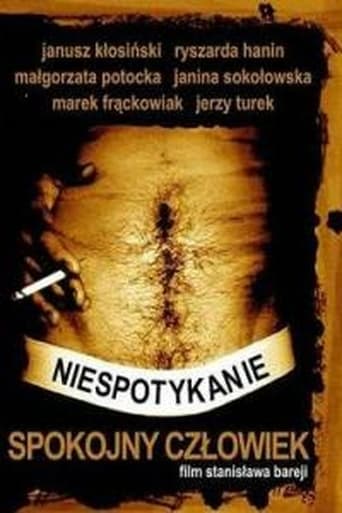 6.8
6.8Christmas Eve is approaching. A son serving in the army mistakenly sends his parents a love letter intended for his fiancée. The father is not happy that his son is going to marry a girl from the city—he is afraid that the boy will want to stay in the city and leave the family farm. He decides to talk the young couple out of getting married, without knowing either the girl or their plans for the future...
Niespotykanie spokojny człowiek
1975
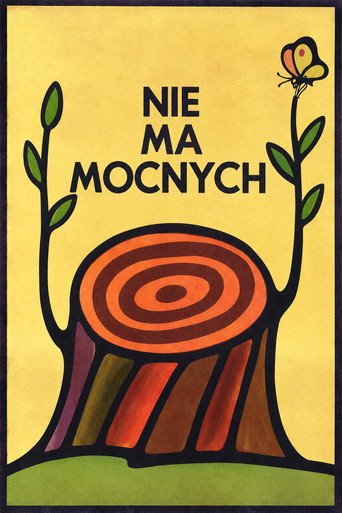 6.9
6.9The main characters are the same two quarreling peasant families introduced in "Sami swoi" (Our Folks). The action of the film starts 18 years later. The old quarrels have been forgotten, but new problems keep popping up. They have no successors to inherit the farms. They invent a tricky and clever plan. The young granddaughter is to take over both of the farms after her marriage. Both Kargul and Pawlak have no rest until they carry out the plan. In the end, after numerous adventures and obstacles their cunning intrigue is fulfilled - the young marry and the land remains in the family's hands.
Take It Easy
1974
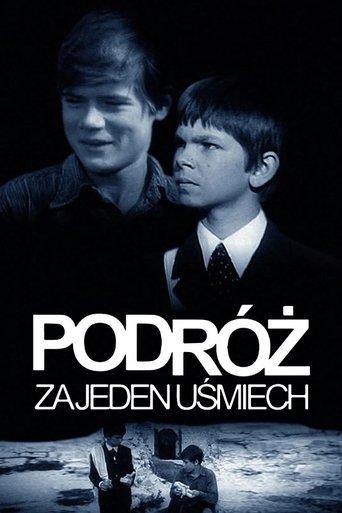 7.8
7.8Two boys set out by train from Kraków to the seaside but lose their travel money and decide to continue their journey “for a smile,” hitchhiking and using every transport they can find.
Journey for One Smile
1972
Michał Kopera has an accident at work. His relatives visiting him at the hospital are more interested in his account than in his health.
Hasło
1977
 6.0
6.0Warsaw is mysteriously running out of water during the summer heat wave. This mystery can only be solved by a Polish superhero known as As.
Hydro-Puzzle
1971
The film is set in the summer of 1944. The Home Army branch operating in the Sądecki region is decimated by the Germans during an attempt to take over the drop of weapons and ammunition from England. About 20 soldiers break out of the encirclement, including the commander - Major "Dziadek" - and his deputy - Captain Stańczyk. Partisans are trying to get to the ruins of a nearby castle, where the last ammo crate is supposed to have landed.
Day of Purification
1970
The theme of the film is the Battle of Somosierra, which took place during the Napoleonic Wars. During this battle, Polish cavalrymen under the command of Jan Leon Kozietulski crossed a two-and-a-half kilometre long gorge and a pass within 7 minutes, paving the way for Napoleon Bonaparte's troops to Madrid
Somosierra. 1808
1978
After an accident in a smelter plant kills two workers a crane operator decides to take full responsibility.
Facing the Truth
1970
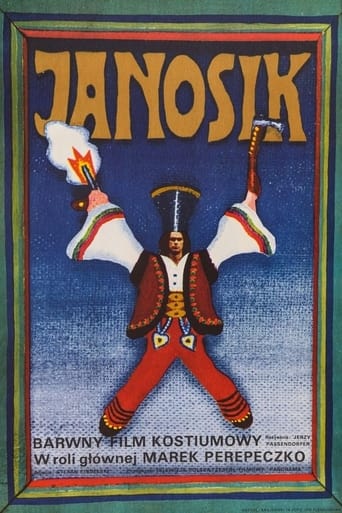 7.6
7.6In the early 19th century, the legendary Tatra brigand Janosik defies the oppressive local nobility and Austrian troops by robbing the rich to give to the poor, becoming a folk hero among the peasants.
Janosik
1974
 8.7
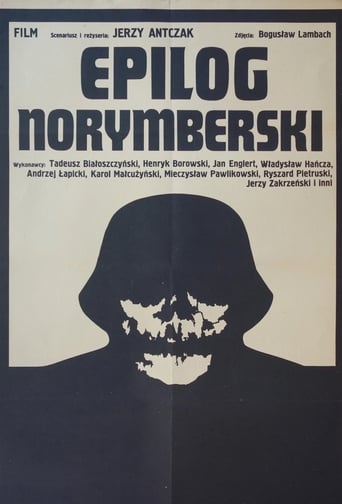
8.7Reproduction of the Nuremberg trials using transcripts, made for Polish TV.
Nuremberg Epilogue
1971
Retired Sypniewski stands before a bizarre task - he must drown kittens.
Koty to dranie
1978
 7.5
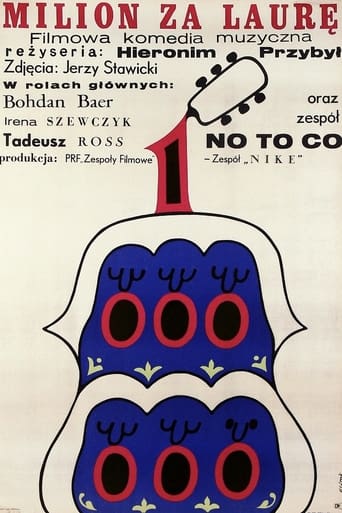
7.5An antique guitar brings upon a series of increasingly fantastical encounters.
Milion za Laurę
1971
 7.0
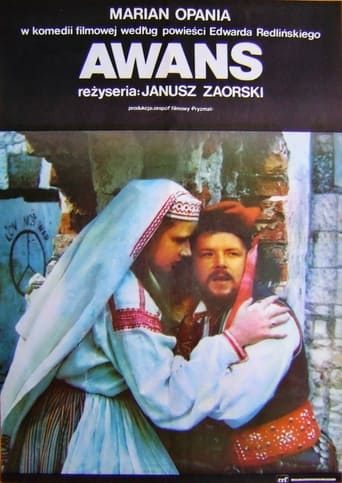
7.0After getting a university degree, Marek Grzyb comes back to his village and does his best to convince the people to modernize.
Promotion
1975
1960s · 23 titles
 6.5
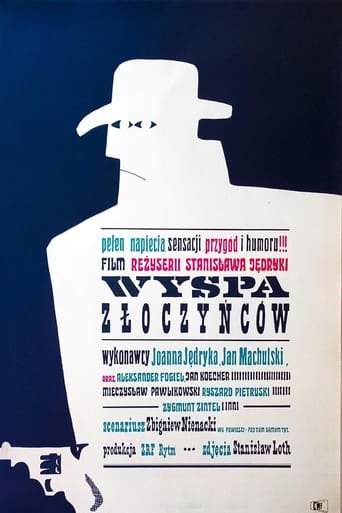
6.5A young museum worker sets out to find a treasure hidden in a small town.
Wyspa złoczyńców
1965
 7.9
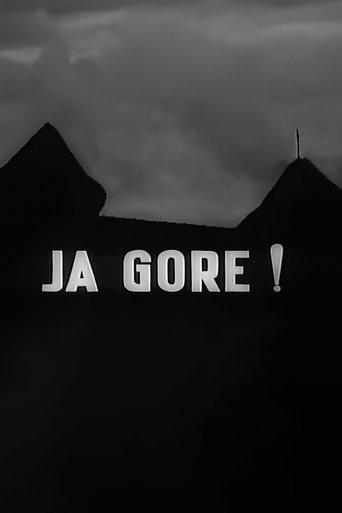
7.9Ja gorę! tells the story of a Pogorzelski nobleman who settles in a ruined castle in Samsonów, determined to restore it, only to be haunted by the ghost of its former owner. A parody of gothic horror literature and cinema, the short is based on a tale by Henryk Rzewuski and was produced as part of the Polish television series Opowieści niezwykłe (1967–1968).
I Am Burning!
1968
 5.9
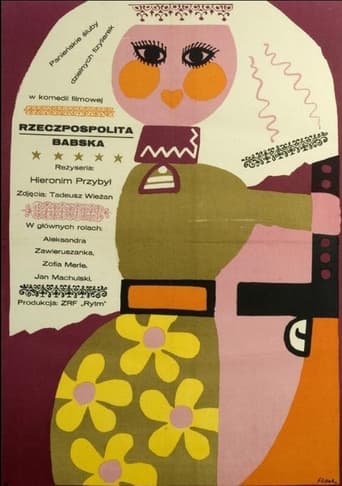
5.9After the end of World War 2 a division of female soldiers settles down at Recovered Territories and make an oath to never enter into relationships with men, which may prove difficult, because male soldiers have also made their home nearby.
Rzeczpospolita babska
1969
 6.3
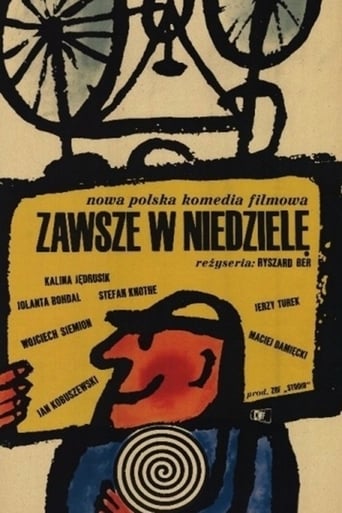
6.3Three short stories depicting the adventures of athletes from various disciplines. Reserve goalkeeper Antoni gets a chance to play in a match as a substitute for his sick teammate. Hanka and Piotr, although they are in love with each other, only meet at competitions. Adam is the first to arrive in the town where the finish line of a cycling race is located. The residents celebrate his victory.
Zawsze w niedziele
1966
 6.8
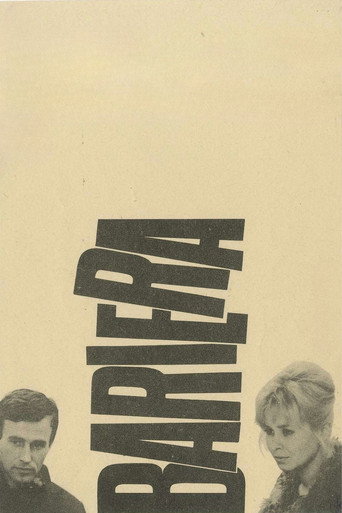
6.8A dream-like meditation on post-industrial life in Communist Poland.
Barrier
1966
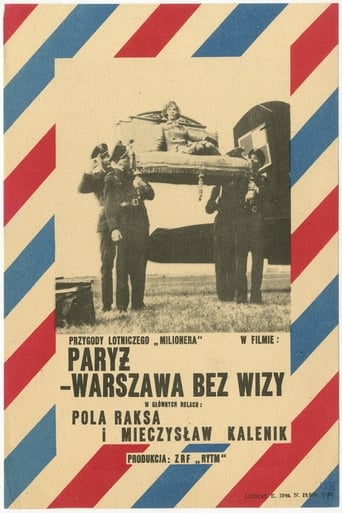 7.0
7.0Pilot Stefan Janotta recalls the war and the years following, when he helped rebuilding Polish Airlines.
Paryż - Warszawa bez wizy
1967
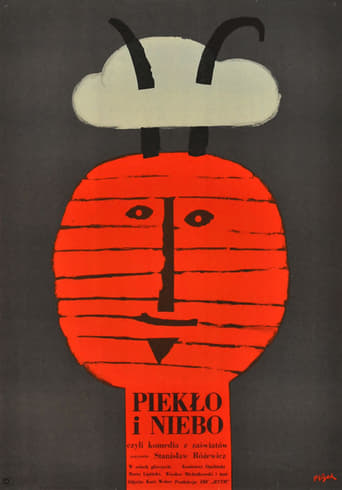 6.5
6.5A bus crashes and its passengers find themeselves in the afterlife, which they find has the not only the same set of rules as Earth, but also the same bureaucratic chaos.
Hell and Heaven
1966
A popularity-hungry young journalist writes a sensationalist article on a supposed teen suicide club.
Liczę na wasze grzechy
1964
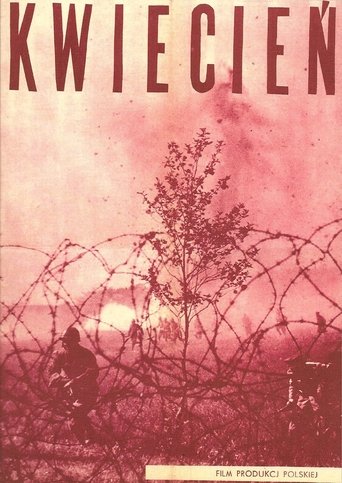 9.0
9.0Set at the end of the war. A hot-headed colonel tries to force his men on to heroics although the war is almost over. A war-weary lieutenant tries to muffle his efforts but he keeps on with his men and is killed fighting in the front lines, all his men decide to get his body.
April
1961
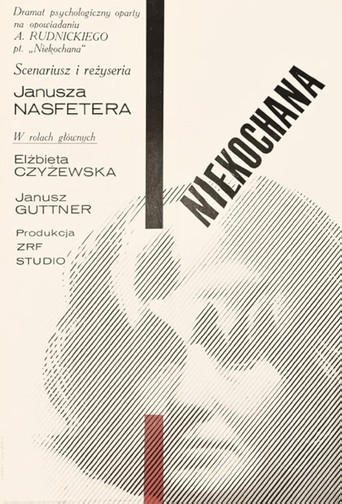 5.2
5.2The story of the tumultuous relationship between a Jewish girl called Noemi and a Polish art student named Kamil is set at the outbreak of World War II.
Unloved
1966
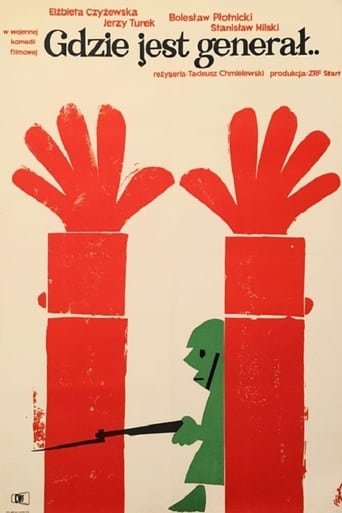 7.0
7.0Wacław Orzeszko is unlucky soldier, who one day decides to desert his platoon and hide out in a castle, where he meets a Red Army soldier Marusia. They discover that a German platoon is also hiding in a castle and together they must stop the Nazi soldiers from reuniting with the main army.
Where is the General?
1964
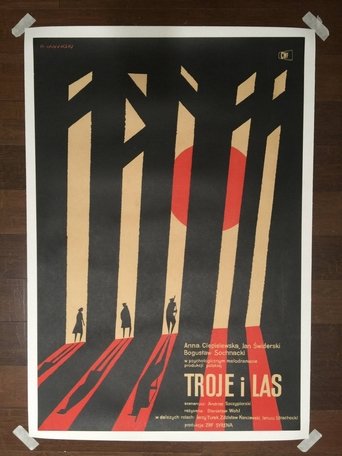 9.0
9.0A gamekeeper kills the deer against hunting regulations. The witness of the incident begins to blackmail him.
Troje i las
1963
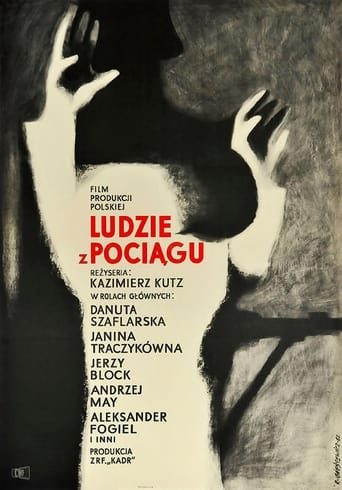 6.3
6.3A group of people find themselves stuck in remote train station in German-occupied Poland. A drunk German station guard there gets paranoid and sees partisans all around him, phones headquarters, and when the German soldiers arrive and search the station they find a gun. They then threaten to execute every fifth person unless someone claims it.
The People from the Train
1961
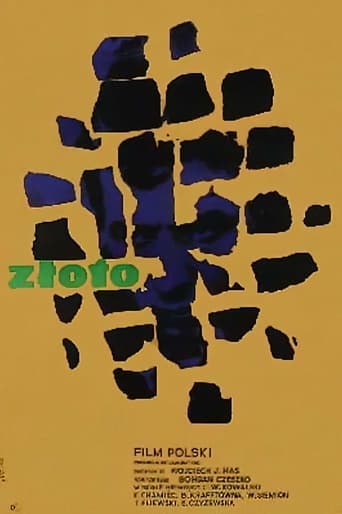 5.8
5.8The inability of a truck driver to relate to normal life after an accident for which he feels himself responsible.
Gold Dreams
1962
 9.0
9.0Three stories about life problems, each rooted in contemporary reality through newspaper reports and a “Polityka” magazine survey, crafted by documentarians Jerzy Hoffman and Edward Skórzewski.
Trzy kroki po ziemi
1965
 6.2
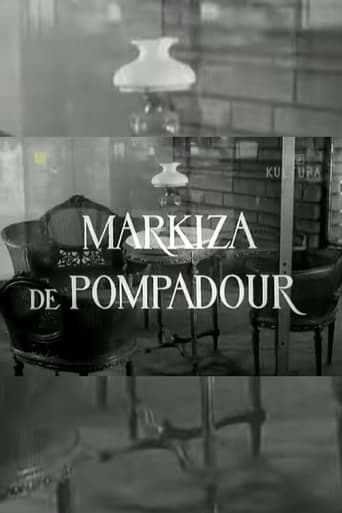
6.2A daughter of a furniture seller helps her father’s business by promising a marriage to the customers.
Markiza de Pompadour
1966
 4.3
4.3A young teacher and a conservative mayor fight over influence in a village in Western Poland, all while falling in love with each other.
Agnes 1946
1964
 6.5
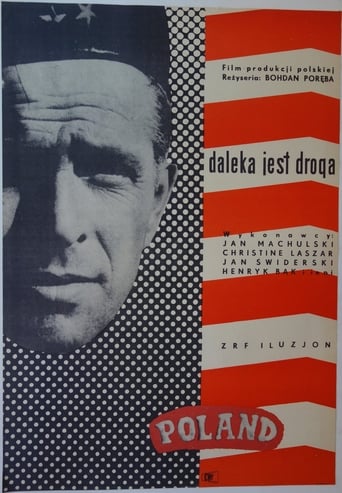
6.5After WWII a soldier returns to his Polish homeland from Scotland.
Far Is the Road
1963
 4.7
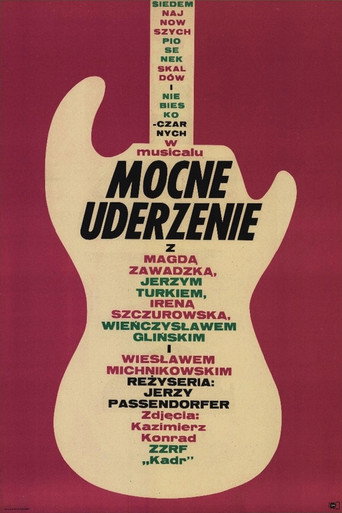
4.7At Kuba's wedding an unknown woman comes up to him and accuses him of cheating on her. This causes Kuba's soon-to-be wife, Majka, to leave him. It turns out that the woman, Lola, confused Kuba with his boyfriend, famous guitarist Johnny, so Kuba embarks on a journey to find him and prove his innocence.
Big Beat
1967
 6.7
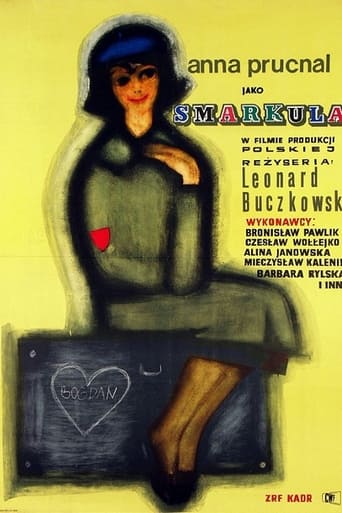
6.7A young teenager from the provinces comes to Warsaw to find her relatives and gets herself in various trouble.
Teenager
1963
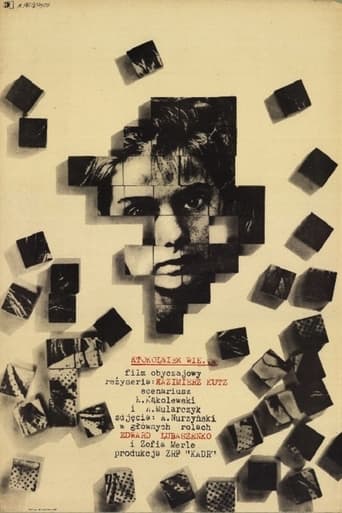 8.0
8.0A psychological portrait of a missing girl is drawn by the people who knew her, being interviewed by a journalist helping in the search.
Ktokolwiek wie...
1966
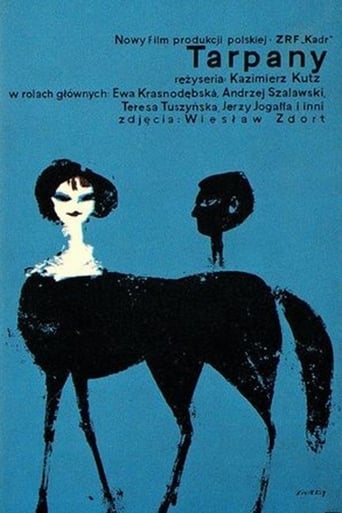 6.0
6.0In a secluded dog-breeding facility four people try to find a place for themeselves.
Wild Horses
1962
The piece is an analysis of a person's attitude in the face of imminent danger, and its action takes place just after World War II. In the train station waiting room, two young men lead a beer discussion, one of whom tells the other an unpleasant incident of his own life.
Beer
1965
1950s · 2 titles
 6.9
6.9Tells two tales set during WWII: A seemingly feckless and selfish man finally takes up arms in the national struggle against the Nazis. Set in a POW camp, Polish inmates cling to their hopes for an eventual escape, encouraged by the legendary escape of one of their own.
Eroica
1958
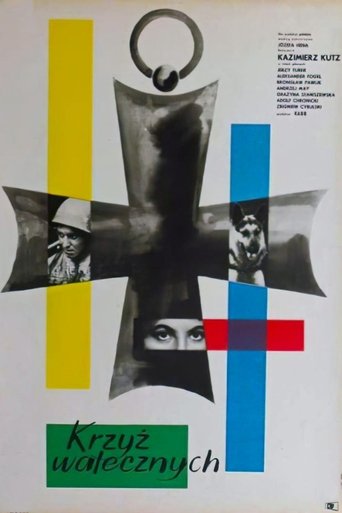 6.8
6.8Three episodes showing the repercussions of war. A soldier is awarded with the Cross of Valor and vacation to home. But instead of his village, he finds only the charred ruins. A stray dog turns out to be the former guard at Auschwitz. A young widow is hailed as the wife of the hero but dreams of something else.
Cross of Valor
1959
Series credits
8.3The Ten Commandments, exact and uncompromising, literally cast in stone, continues to provide a source of moral conflict in contemporary society. In the ten part collection of films, The Decalogue, Krzysztof Kieślowski examines the dilemma of fundamental sin in the lives of ordinary Warsaw citizens.
Dekalog
1989
7.3The story of the residents of a tenement house on Złota Street in Warsaw from 1945 to 1980.
Dom
1980
7.8Czterej pancerni i pies was a Polish black and white TV series based on the book by Janusz Przymanowski. Made between 1966 and 1970, the series is composed of 21 episodes of 55 minutes each, divided into three seasons. It is set in 1944 and 1945, during World War II, and follows the adventures of a tank crew and their T-34 tank in the 1st Polish Army. Although both the book and the TV series contain elements of pro-Soviet propaganda, they have achieved and retain a cult series status in Poland, Soviet Union and other Eastern Bloc countries. The T-34 tank Rudy with the identifying number "102", a German Shepherd dog from Siberia Szarik and to a lesser extent the crew Jan Kos, Gustaw Jeleń, Grigorij Saakaszwili, Tomasz Czereśniak, and their commander and mentor Olgierd Jarosz, as well as other heroes of the series, have become icons in Polish popular culture.
Four Tank-Men and a Dog
1966
6.4Polish Fanfan, the first Polish series from the "cloak and dagger" - written about the "black cloud" in the press of the 70's. Axis of the plot became a dramatic episodes of the struggle for the maintenance of the Polish Prussia. They remained in feudal depending on the Republic from 1525, when Albrecht Hohenzollern secularized religious state and filed in Krakow tribute to the Polish king.
Clouds of War
1973
7.2Janosik was a television series that aired in Poland in 1974. It is about a famous Polish highlander outlaw who in folk legends steals money and goods from the rich and helps out the poor. The series was directed by Jerzy Passendorfer. There are 13 1-hour episodes.
Janosik
1974
7.2Kapitan Sowa na tropie is a Polish series from 1965 directed by Stanisław Bareja. It was the first Polish criminal series made after World War II.
Kapitan Sowa na tropie
1965
7.2Kapitan Sowa na tropie is a Polish series from 1965 directed by Stanisław Bareja. It was the first Polish criminal series made after World War II.
Kapitan Sowa na tropie
1965
 7.4
7.4Marianek is an unlucky man and not successful in his affairs. At the same time, he is a dove-hearted man, sensitive to other people’s misfortunes and harm, willing to help, even at his own expense. He is always ready to solve the problems of others, although he is usually not very good at it. His favorite saying is “absolutely”.
Droga
1975
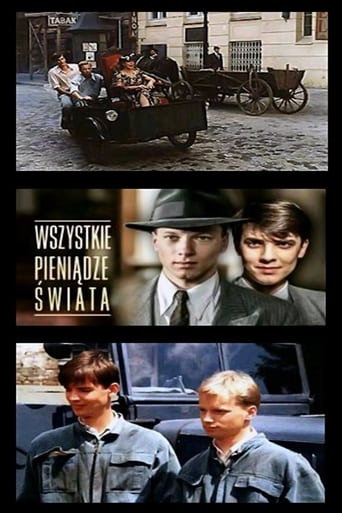 8.0
8.0No synopsis available yet.
Wszystkie pieniądze świata
1999
No synopsis available yet.
Podziemny front
1965
Series based on the stories of Jarosław Iwaszkiewicz “Młyn nad Utrata” (1936), “Młyn nad Lutyniu” (1946) and “Młyn nad Kamienna” (1950). The action of the miniseries takes place from 1928 to the 1950s.
Trzy młyny
1986
After the end of the war, the Polish authorities try to detain the head of the Warsaw Gestapo.
Powrót doktora von Kniprode
1966
 NR
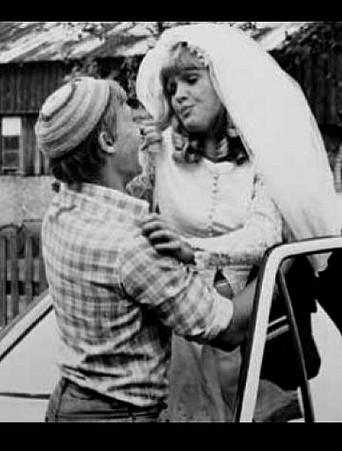
NRThe image of the village at the turn of the 1980s on the example of the Małolepsza family from the village of Gudzewo. They manage a few hectares, the older children left for the city, they settled in, one of the sons even became a lawyer. Twenty-year-old Bolek stayed with his parents, a boy willing to "fight and drink", wandering with his peers as crude as he was, lonely, because most of the girls fled to the city.
W Słońcu i W deszczu
1980
A young boy from the city comes to the forester Januszko, a friend of his grandfather from the war and partisans. On the spot, he meets people who amaze him. They bear the names of the heroes of the novel "Summer of Forest People" by Maria Rodziewczówna, which they readily read and love nature very much. Under their guidance, the boy gets to know the local nature and makes friends with them. He also meets a girl named Justyna.
Lato leśnych ludzi
1985
 7.5
7.5The series presents an original, non-didactic view of rural Poland during the Nazi occupation, rejecting stereotypes about ubiquitous wartime heroism, sacrifice, and martyrdom. It is a record of a "war-torn" state of consciousness, a drama of lost people who sink into ever greater degradation.
Popielec
1984
 6.6
6.6No synopsis available yet.
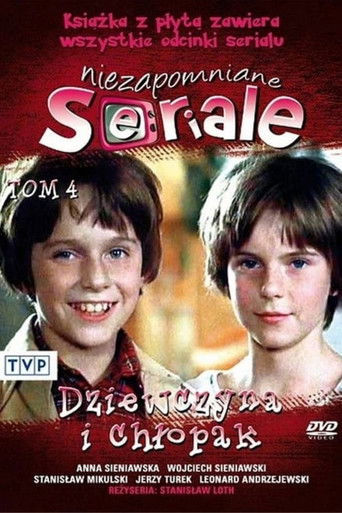
Dziewczyna i chłopak
1978