
Acting
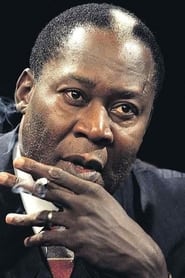
Memphis Slim
Born — Died
1915-09-03 — 1988-02-24
Place of birth
Memphis, Tennessee, USA
Known for
Acting
Credits
14 titles
John Len Chatman (September 3, 1915 – February 24, 1988), known professionally as Memphis Slim, was an American blues pianist, singer, and composer. He led a series of bands that, reflecting the popular appeal of jump blues, included saxophones, bass, drums, and piano. A song he first cut in 1947, "Every Day I Have the Blues", has become a blues standard, recorded by many other artists. He made over 500 recordings. He was posthumously inducted into the Blues Hall of Fame in 1989. Memphis Slim was born John Len Chatman, in Memphis, Tennessee. For his first recordings, for Okeh Records in 1940, he used the name of his father, Peter Chatman (who sang, played piano and guitar, and operated juke…
Known for
 9.0
9.0Midi Première is a French variety show presented by Danièle Gilbert, directed by Jacques Pierre and broadcast from January 6, 1975 until January 1, 1982 on TF1. The program was generally broadcast between 12:15 p.m. and 12:55 p.m., then giving way to the 1:00 p.m. TV news. However, the broadcast schedule could change, depending on the guests, and the setting where the recording of the program was shot. Certain performances by artists who have become cult like the one where Ringo jostles with a demonstrator in interpretation (1977), that of Dalida with the title There is always a song with the soundtrack that does not start, twice, at the right speed (1978), Claude François and his Clodettes, who, in the provinces, are unable to join "the set" in order to interpret his song, the latter being taken by the crowd of delirious fans (summer 1977) . The group Supertramp performed there with the title "Dreamer" on March 8, 1975.
Midi Première
1975
 6.0
6.0A talk show presented by Michel Drucker
Les Rendez-vous du dimanche
1975
 8.0
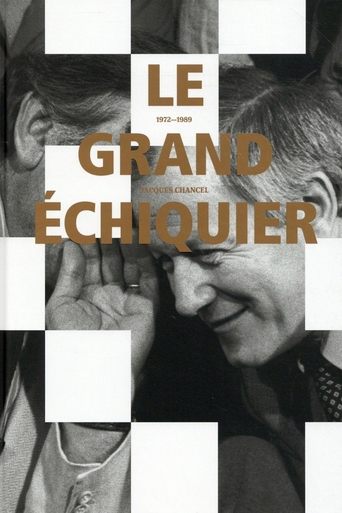
8.0Le Grand Échiquier is a French variety television program created and presented by Jacques Chancel. It aired at 8:30 pm on the first channel of the ORTF from January 12, 1972 to July 12, 1972, then on the second color channel of the ORTF from September 1972 to December 1974, and finally on Antenne 2 from January 1975 to December 21, 1989. The program returned to France 2 on December 20, 2018 and is hosted by Anne-Sophie Lapix.
Le Grand Échiquier
1972
 8.0
8.0No synopsis available yet.
Discorama
1959
 6.0
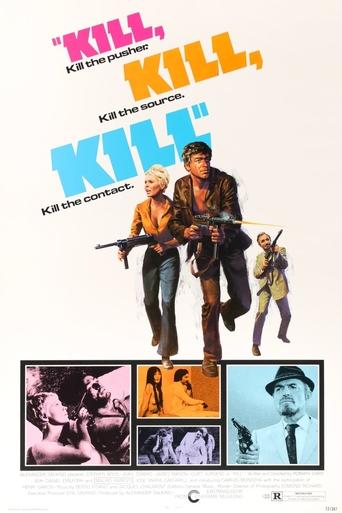
6.0Interpol investigates the freelance killings of drug and porn peddlers.
Kill!
1971
 6.0
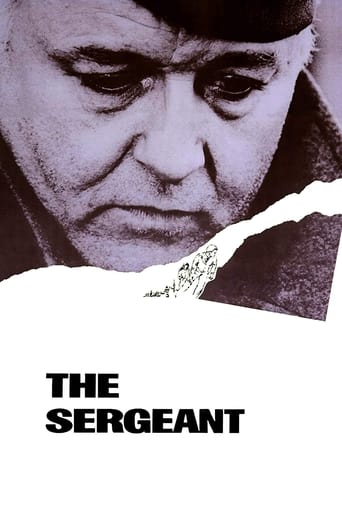
6.0Master Sgt. Albert Callan is a war hero and a no-nonsense leader who reforms his previously mismanaged military base. Although Callan seems collected, he struggles as a closeted homosexual. When the sergeant becomes obsessed with his handsome clerk, Tom Swanson, he even disrupts the young man's relationship with his French girlfriend, Solange. Since Swanson isn't receptive to Callan's advances, it creates major tension between the two men.
The Sergeant
1968
Film credits
2000s · 4 titles
 NR
NRTaken from the European tours organised for American blues musicians between 1962 and 1969, this release features performances by several popular blues artists, including: T-Bone Walker, John Lee Hooker, Muddy Waters, etc. ( Concerts originally released as a TV special )
The American Folk Blues Festival 1962-1966, Vol. 1
2003
 NR
NRTaken from the European tours organised for American blues musicians between 1962 and 1969, this release features performances by several popular blues artists, including: T-Bone Walker, Lightnin' Hopkins, Victory Spivey, T-Bone Walker ...
The American Folk Blues Festival 1962-1966, Vol. 2
2003
Style: Blues
Memphis Slim & Sonny Boy Williamson Live In Europe
2004
With Muddy Waters, Willie Dixon, and Memphis Slim leading the way, this group of veteran bluesman show us why their music had such a major impact on the rock n' roll bands of the 60's and 70's, including The Beatles and The Rolling Stones.
The Blues Greats
2004
1960s · 3 titles
6.0Master Sgt. Albert Callan is a war hero and a no-nonsense leader who reforms his previously mismanaged military base. Although Callan seems collected, he struggles as a closeted homosexual. When the sergeant becomes obsessed with his handsome clerk, Tom Swanson, he even disrupts the young man's relationship with his French girlfriend, Solange. Since Swanson isn't receptive to Callan's advances, it creates major tension between the two men.
The Sergeant
1968
 7.0
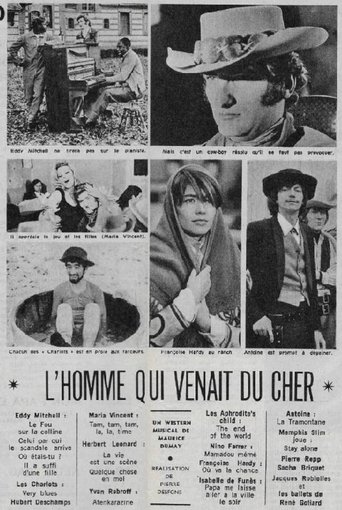
7.0No synopsis available yet.
L'homme qui venait du Cher
1969
 NR
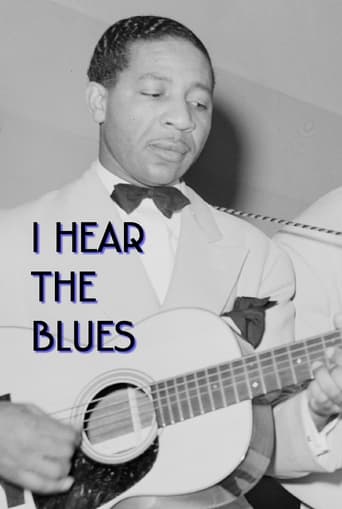
NRUK TV Movie of blues performances from many of the greats.
I Hear The Blues
1963
Series credits
9.0Midi Première is a French variety show presented by Danièle Gilbert, directed by Jacques Pierre and broadcast from January 6, 1975 until January 1, 1982 on TF1. The program was generally broadcast between 12:15 p.m. and 12:55 p.m., then giving way to the 1:00 p.m. TV news. However, the broadcast schedule could change, depending on the guests, and the setting where the recording of the program was shot. Certain performances by artists who have become cult like the one where Ringo jostles with a demonstrator in interpretation (1977), that of Dalida with the title There is always a song with the soundtrack that does not start, twice, at the right speed (1978), Claude François and his Clodettes, who, in the provinces, are unable to join "the set" in order to interpret his song, the latter being taken by the crowd of delirious fans (summer 1977) . The group Supertramp performed there with the title "Dreamer" on March 8, 1975.
Midi Première
1975
6.0A talk show presented by Michel Drucker
Les Rendez-vous du dimanche
1975
8.0Le Grand Échiquier is a French variety television program created and presented by Jacques Chancel. It aired at 8:30 pm on the first channel of the ORTF from January 12, 1972 to July 12, 1972, then on the second color channel of the ORTF from September 1972 to December 1974, and finally on Antenne 2 from January 1975 to December 21, 1989. The program returned to France 2 on December 20, 2018 and is hosted by Anne-Sophie Lapix.
Le Grand Échiquier
1972
8.0No synopsis available yet.
Discorama
1959