
Directing
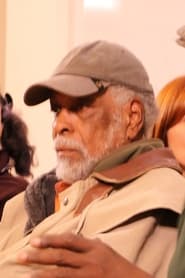
Larry Clark
Born
1948-01-19 (78)
Place of birth
Cleveland, Ohio, USA
Known for
Directing
Credits
13 titles
Larry Clark is an American filmmaker, painter and one of the leading directors of the L.A. Rebellion film movement. He teaches film at the San Francisco State University.
Known for
 7.0
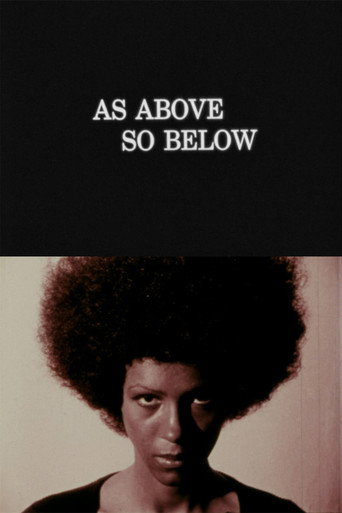
7.0The film opens in 1945 with a young boy playing in his Chicago neighborhood, and then follows the adult Jita-Hadi as a returning Marine with heightened political consciousness.
As Above, So Below
1973
 NR
NRPart of a multi-platform project highlighted by an hour long documentary about black filmmakers who worked and studied at UCLA between 1965 and the 1990s.
Spirits of Rebellion: Black Cinema at UCLA
2016
 5.9
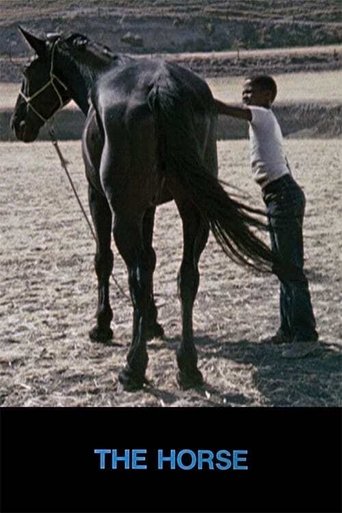
5.9This critically acclaimed 1973 short is about an aristocratic white farming family who has a horse that is being put away, by the father of a young black boy named William. William cares for said horse in its last moments, as the male family members eagerly wait for his dad to arrive.
The Horse
1973
 6.0
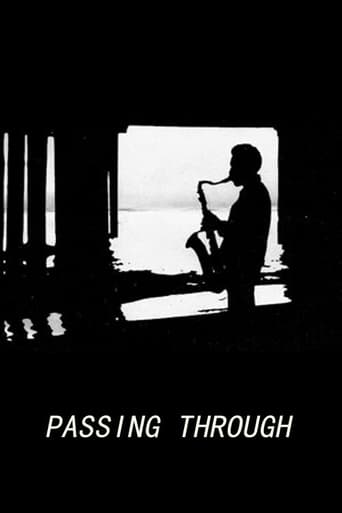
6.0Eddie Warmack, an African American jazz musician, is released from prison for the killing of a white gangster. Not willing to play for the mobsters who control the music industry, including clubs and recording studios, Warmack searches for his mentor and grandfather, the legendary jazz musician Poppa Harris.
Passing Through
1977
Following the Watts Uprising, UCLA’s School of Theater, Film and Television enacted affirmative action policies to increase the enrollment of students of color in its film program—a group that had historically been underrepresented in the student population. The “ethno-communications” initiative to recruit students from Black, Asian, Chicano and Native American communities took on a movement of its own, when a critical mass of Black student filmmakers emerged known as the “L.A. Rebellion.” Includes interviews with Ben Caldwell, Larry Clark, Sandy Osawa, Eddie Wong and more.
LA Rebellion: A Cinematic Movement
—
 NR
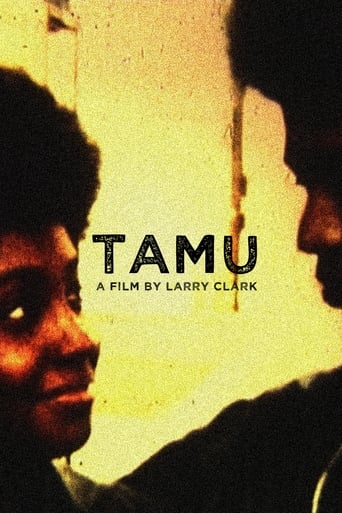
NRA young African American man drives through South Central thinking about revolution, Malcolm X, racism, capitalism, and war in Vietnam. Midway through, the film switches over to the thoughts of a young African American woman who is thinking about revolution and Angela Davis.
Tamu
1970
Film credits
2020s · 1 titles
Behind the camera
7.0The film opens in 1945 with a young boy playing in his Chicago neighborhood, and then follows the adult Jita-Hadi as a returning Marine with heightened political consciousness.
As Above, So Below
1973
6.0Eddie Warmack, an African American jazz musician, is released from prison for the killing of a white gangster. Not willing to play for the mobsters who control the music industry, including clubs and recording studios, Warmack searches for his mentor and grandfather, the legendary jazz musician Poppa Harris.
Passing Through
1977
6.0Eddie Warmack, an African American jazz musician, is released from prison for the killing of a white gangster. Not willing to play for the mobsters who control the music industry, including clubs and recording studios, Warmack searches for his mentor and grandfather, the legendary jazz musician Poppa Harris.
Passing Through
1977
6.0Eddie Warmack, an African American jazz musician, is released from prison for the killing of a white gangster. Not willing to play for the mobsters who control the music industry, including clubs and recording studios, Warmack searches for his mentor and grandfather, the legendary jazz musician Poppa Harris.
Passing Through
1977
NRA young African American man drives through South Central thinking about revolution, Malcolm X, racism, capitalism, and war in Vietnam. Midway through, the film switches over to the thoughts of a young African American woman who is thinking about revolution and Angela Davis.
Tamu
1970
NRA young African American man drives through South Central thinking about revolution, Malcolm X, racism, capitalism, and war in Vietnam. Midway through, the film switches over to the thoughts of a young African American woman who is thinking about revolution and Angela Davis.
Tamu
1970
 4.8
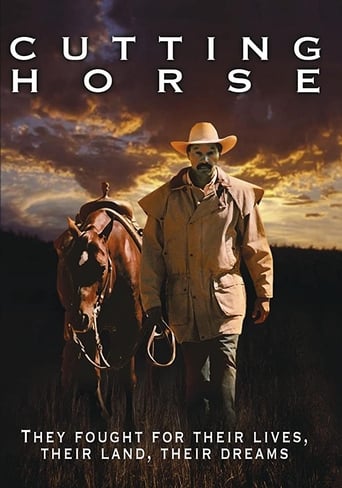
4.8Writer-director Larry Clark fashions a moving drama about a horse trainer who comes home after years of estrangement, only to find that a corporate entity has made an aggressive play to take over his uncle’s ranch.
Cutting Horse
2002
4.8Writer-director Larry Clark fashions a moving drama about a horse trainer who comes home after years of estrangement, only to find that a corporate entity has made an aggressive play to take over his uncle’s ranch.
Cutting Horse
2002
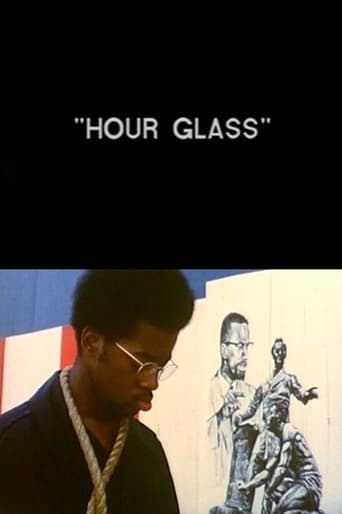 7.3
7.3In the midst of the Black consciousness movement, a basketball player imagines his profession to that of a gladiator. After a series of reflections including his upbringing as a foster child of White Americans, he returns to his origins.
Hour Glass
1971