
Writing
Paul-Eerik Rummo
Born
1942-01-19 (84)
Place of birth
Tallinn, Harju County, Estonian SSR, USSR [now Estonia]
Known for
Writing
Credits
11 titles
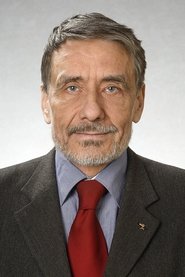
Paul-Eerik Rummo (born January 19, 1942) is an Estonian poet, playwright, translator and politician who was the former Estonian Minister of Culture and Education, as well as the former Estonian Minister of Population Affairs. Rummo was born in Tallinn, the son of Estonian writer Paul Rummo. Paul-Eerik studied literature at the University of Tartu, graduating in 1965. Rummo has worked in Estonian theatres. In October 1980, Rummo was a signatory of the Letter of 40 Intellectuals, a public letter in which forty prominent Estonian intellectuals defended the Estonian language and protested the Russification policies of the Kremlin in Estonia. The signatories also expressed their unease against R…
Known for
No synopsis available yet.
Esto TV
2000
 NR
NRThe mischievous antics of a small tram car create a dangerous situation in the city, ultimately reminding the young tram of its daily duty - to transport people.
Tram Calf
1983
 6.0
6.0A short Estonian animation about a man's desire to fly.
The Flight
1973
Musical documentary shot in Estonia.
Elavad mustrid
1970
 6.0
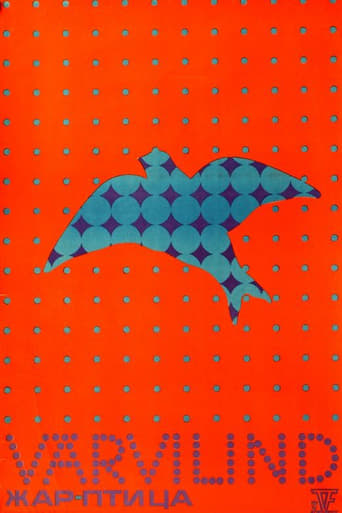
6.0A bored future society starts to come alive with the addition of primary colors, as its world gradually becomes a groovy hippy paradise.
Colourbird
1974
 NR
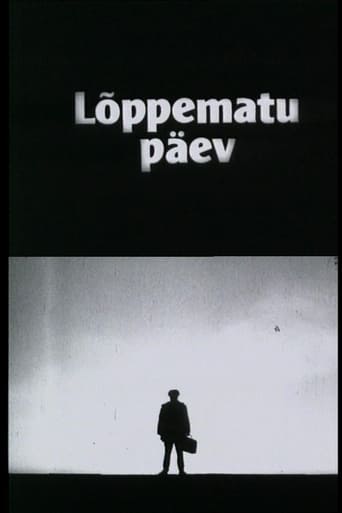
NRAmong Tooming's filmic works, Endless Day provides perhaps the most eloquent material for investigating the radical renewal of visual and narrative form, as well as the shifting registers of spatio-social portrayals and critiques in Estonian cinema. It was banned in 1971 and ordered to be destroyed. However, the film was retained and restored in the 1990s.
Endless Day
1971
Series credits
Behind the camera
NRThe mischievous antics of a small tram car create a dangerous situation in the city, ultimately reminding the young tram of its daily duty - to transport people.
Tram Calf
1983
6.0A short Estonian animation about a man's desire to fly.
The Flight
1973
Musical documentary shot in Estonia.
Elavad mustrid
1970
6.0A bored future society starts to come alive with the addition of primary colors, as its world gradually becomes a groovy hippy paradise.
Colourbird
1974
NRAmong Tooming's filmic works, Endless Day provides perhaps the most eloquent material for investigating the radical renewal of visual and narrative form, as well as the shifting registers of spatio-social portrayals and critiques in Estonian cinema. It was banned in 1971 and ordered to be destroyed. However, the film was retained and restored in the 1990s.
Endless Day
1971
 6.3
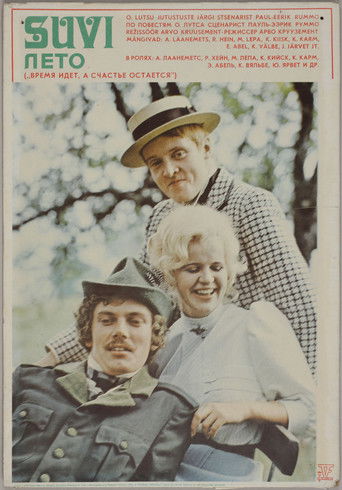
6.3In the beginning of the 20th century, Joosep Toots has returned from Russia, where he learned agriculture. He wants to start reforming his father's farm, Ülesoo. At the same time, he's competing with Kiir to win the love of Teele. Teele has stated that she agrees to marry with a farmer only. So Kiir decides to go to Russia to learn agriculture too.
Summer
1976
No synopsis available yet.
Brides of Death
1990
 4.1
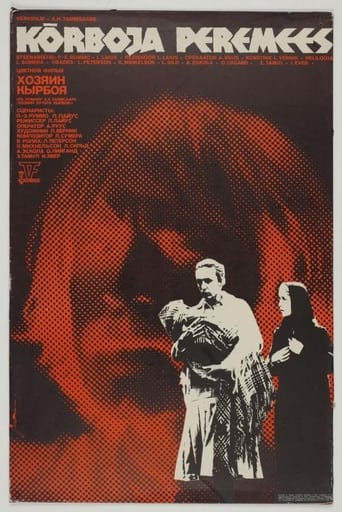
4.1Anna, the daughter of an elderly owner of Kõrboja farm, is told by her father that if she won't move in their home farm then it will be sold to strangers. But the farm needs also a master, and Anna has been living in town for years. She comes back home and reunites with Villu, her friend from childhood.
The Master of Kõrboja
1980
 NR
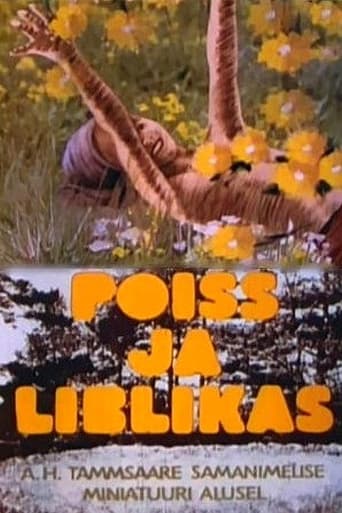
NRA film about a boy who loves flowers and butterflies, based on a short story by Anton Hansen Tammsaar. In his thoughtless pursuit of the butterfly, he shatters all the flowers in his path.
The Boy and the Butterfly
1978
 NR
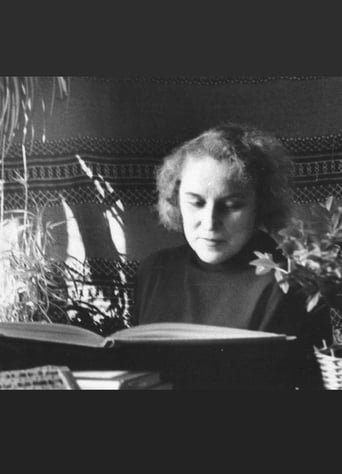
NROver the years, Betti Alver rejected all attempts at capturing her personality, but the poet's poems remain. Respecting the beliefs of the poet, the authors of the film Paul-Eerik Rummo and Vallo Kepp focuse on his world of poetry.
Üks pilk Betti Alverile
1989