
Acting
Akira Nakamura
Born — Died
1916-04-07 — 1969-12-09
Place of birth
Ikebukuro, Tokyo, Japan
Known for
Acting
Credits
58 titles
Known for
 6.3
6.3A group of sinners involved in interconnected tales of murder, revenge, deceit and adultery all meet at the Gates of Hell.
Jigoku
1960
 6.5
6.5A hotheaded youth in 1880s Meiji Japan apprentices to judo master Shōgorō Yano, trading brute jujutsu bravado for discipline and humility. As Sanshirō matures, he proves judo’s spirit against old-guard challengers—including a deadly duel—while falling for his vanquished opponent’s daughter. Based on the novel by Tsuneo Tomita, son of Tomita Tsunejirō, the earliest disciple of judo.
Sanshiro Sugata
1943
 8.0
8.0Meiji Tenno portrays the buildup to the Russo-Japan War. In addition to showing the political events that led to war, it also shows the era from the story of a farm family in rural Japan that sends their son off to war. As such, it could be considered an anti-war movie, showing how, while war is devised by governments, the people do not really understand what war is, and its combatants often do not know what they are fighting for.
Emperor Meiji and the Great Russo-Japanese War
1957
 8.0
8.0Inside a bustling postwar Tokyo beer hall, a diverse group of patrons, performers, and workers spend a single evening navigating their personal frustrations and social anxieties. A disillusioned professor, a struggling artist, and various laborers find their lives intersecting through chance encounters and heated arguments fueled by drink.
Twilight Saloon
1955
 5.0
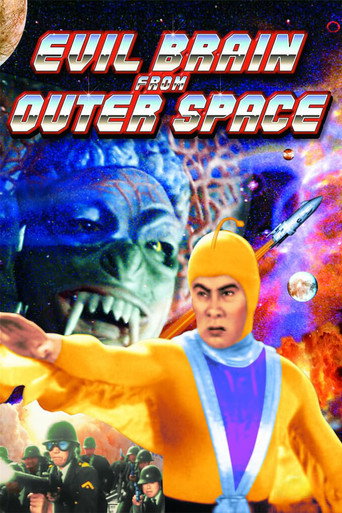
5.0An evil brain from outer space unleashes monsters with deadly diseases on Earth with trying to conquer the universe. Superhero Starman must battle them all to save his planet.
Evil Brain from Outer Space
1966
 7.8
7.8Admiral Isoroku Yamamoto, a brilliant tactician, is a loyal subject of the emperor, despite his grave misgivings about leading Japan's navy into war with the United States. He opposes the attack on Pearl Harbor, but, overruled, he leads his forces to the best of his ability.
The Eagle of the Pacific
1953
Film credits
1960s · 9 titles
6.3A group of sinners involved in interconnected tales of murder, revenge, deceit and adultery all meet at the Gates of Hell.
Jigoku
1960
5.0An evil brain from outer space unleashes monsters with deadly diseases on Earth with trying to conquer the universe. Superhero Starman must battle them all to save his planet.
Evil Brain from Outer Space
1966
 NR
NRA omnibus movie consisting of the three parts: "Kechinbo", "Yowak" and "Kōshoku".
Straight Talk on Romance: The Definitive Guide
1961
 NR
NRA leading postwar Japanese film critic and theorist who co-founded the seminal film magazine Eiga Hihyo (Film Criticism) in 1957, Eizo Yamagiwa made his directorial debut with this independent feature—long thought lost until a negative was recently discovered—about a group of idle bourgeois students known as the “Roppongi Tribe” (Roppongi zoku). Depicting the resignation and nihilism of the postwar generation in the years following the Anpo Treaty conflicts through a coming-of-age narrative, Yamagiwa offers sharp criticism of the prevalent characterizations of Japan's new youth offered by Nikkatsu's taiyozoku (“Sun Tribe”) films and the New Wave at large.
The End of Love
1961
Home drama about tin craftsmen and their families in downtown Tokyo. Though poor, they do not lose their cheerfulness or give in to oppression.
Kaachan
1961
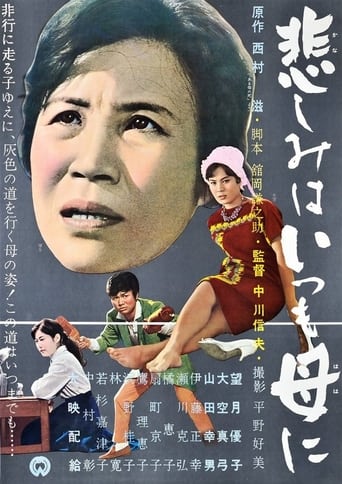 NR
NRThe last film produced by Shintoho.
Kanashimi wa itsumo haha ni
1962
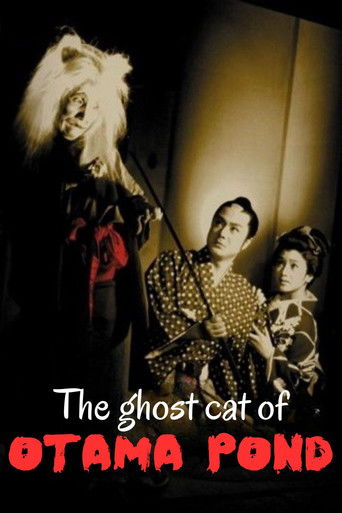 8.0
8.0Two lovers lost in the mountains. In what direction do not go, they find themselves in a mysterious forest pond, as if some kind of force does not want to let them go. Once upon a time, over a century ago, there had been a crime, whose shadow still hovers over these places.
The Ghost Cat of Otama Pond
1960
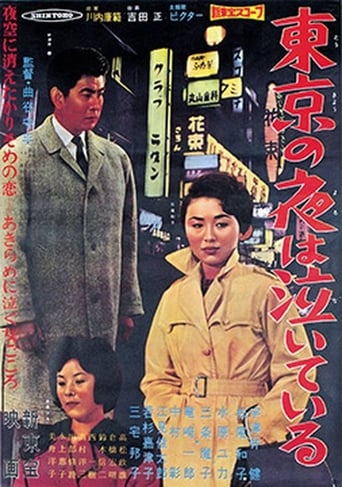 NR
NRKazuko Matsuo sings the theme song to this drama film.
東京の夜は泣いている
1961
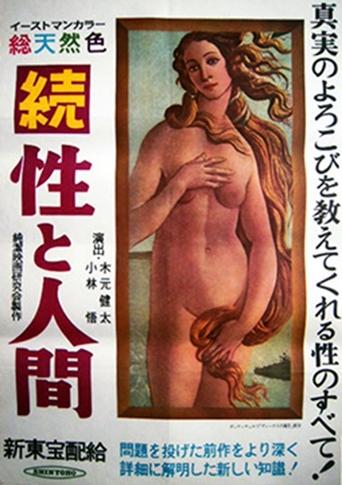 NR
NR1961 Japanese movie
Zoku-sei to ningen
1961
1950s · 35 titles
8.0Meiji Tenno portrays the buildup to the Russo-Japan War. In addition to showing the political events that led to war, it also shows the era from the story of a farm family in rural Japan that sends their son off to war. As such, it could be considered an anti-war movie, showing how, while war is devised by governments, the people do not really understand what war is, and its combatants often do not know what they are fighting for.
Emperor Meiji and the Great Russo-Japanese War
1957
8.0Inside a bustling postwar Tokyo beer hall, a diverse group of patrons, performers, and workers spend a single evening navigating their personal frustrations and social anxieties. A disillusioned professor, a struggling artist, and various laborers find their lives intersecting through chance encounters and heated arguments fueled by drink.
Twilight Saloon
1955
7.8Admiral Isoroku Yamamoto, a brilliant tactician, is a loyal subject of the emperor, despite his grave misgivings about leading Japan's navy into war with the United States. He opposes the attack on Pearl Harbor, but, overruled, he leads his forces to the best of his ability.
The Eagle of the Pacific
1953
 6.7
6.7It's a man's world. Shimamura, an artist, comes to this snowbound town to rejuvenate himself. He connects with Komako, a geisha he met on a previous trip, and it seems like love. She's the foster daughter of a local family, almost engaged to the family's son Yukio, now dying of consumption. He's tended by his sister Yuko who's angry at Komako for abandoning her brother. Shimamura returns to Tokyo but promises he will be back soon. In anticipation of his return, Komako breaks with her patron and her family loses their home. Complications arise when Shimamura doesn't come back as promised. Then Komako discovers that he and Yuko knew each other in Tokyo. Can Komako escape destiny?
Snow Country
1957
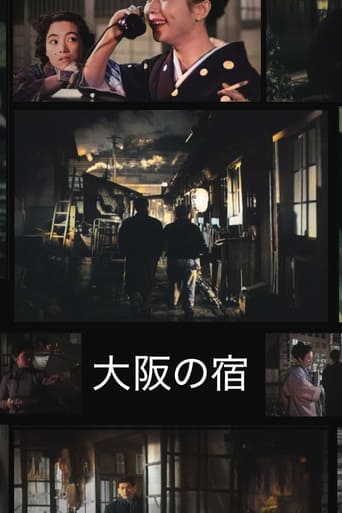 7.5
7.5Follows the story of an insurance company executive from Tokyo, Mr. Mito, who is demoted to the Osaka office. He takes a room at a small inn and tries to rebuild his life.
An Inn at Osaka
1954
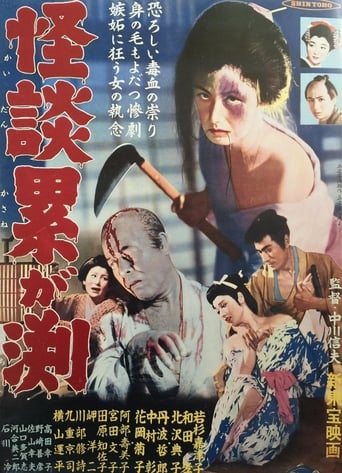 7.3
7.3A blind masseur visits a samurai to request the return of a loan. The samurai kills him in anger, then has his servant dump the body in the Kasane swamp. However, the ghost of the masseur returns to haunt the samurai, who kills his wife by mistake and then goes to the swamp and drowns himself. 20 years later, the masseur's daughter unknowingly falls in love with the samurai's son who has been brought up to be a servant. After she is horribly disfigured in an accident, he plots to run away with another woman, but the path of their escape lies by the Kasane swamp...
The Ghost of Kasane
1957
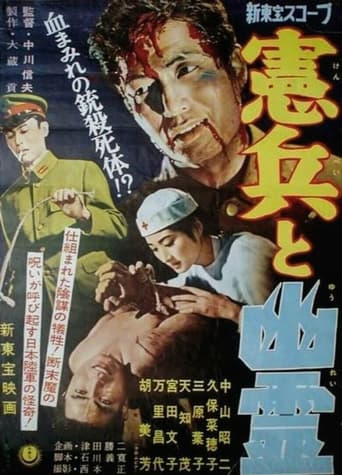 8.0
8.0Desiring another officer’s new wife, a military police lieutenant fabricates evidence of treason that consigns the innocent man to torture and a firing squad. The lieutenant rapes the wife, but is haunted by bad dreams which after he is assigned to a battalion with the victim’s brother.
Ghost in the Regiment
1958
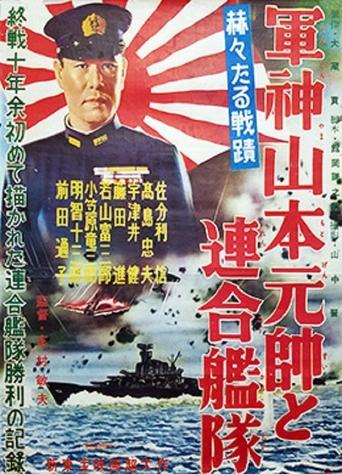 5.0
5.0Admiral Isoroku Yamamoto leads the Combined Fleet of the Imperial Japanese Navy to defeat the American Fleet.
Admiral Yamamoto and the Allied Fleets
1956
 NR
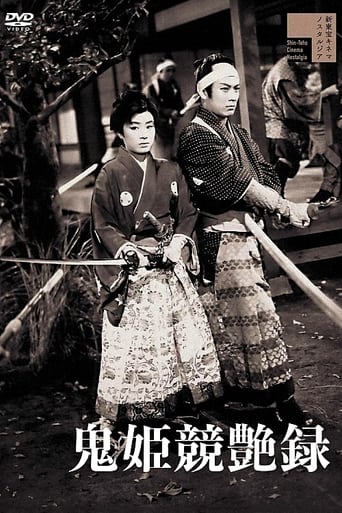
NRAn exciting historical drama in which a beautiful woman secretly solves the family problems of the Owari clan. Hibari Misora plays two roles: a charming princess and a dashing youngster, performs songs and dances throughout the film until the big decisive battle.
Devil Princess’ Beauty Competition
1956
 NR
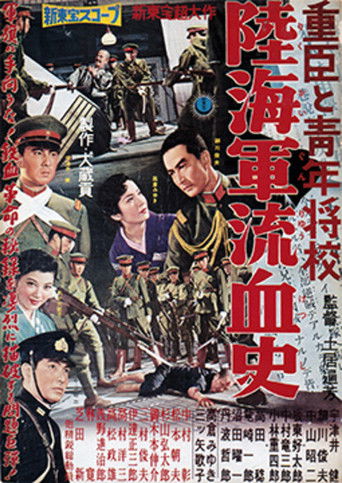
NRA historical film that portrays the fervent and violent actions of young Army and Navy officers, such as the February 26 and May 15 incidents, in a semi-documentary style.
Bloody History of Soldiers
1958
 5.4
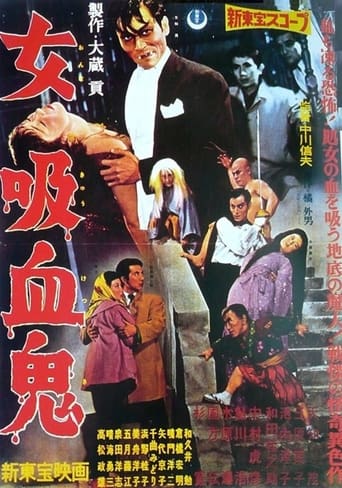
5.4Tamio takes Itsuko to an art gallery and the two find one painting is a nude portrait of Itsuko's mother, who disappeared twenty years ago when she was just a baby. No one knows the first thing about the artist who painted it, but he goes by the name Shiro Sofue, and he's always wearing shades in the daytime...
The Lady Vampire
1959
 NR
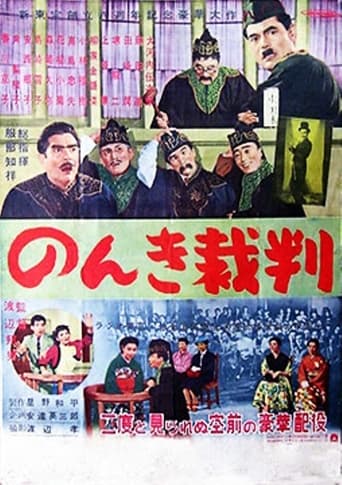
NRA spectacular comedy with a star-studded cast that depicts unusual trials and unexpected verdicts regarding the five deadly sins: the crime of beauty, the crime of a terrifying wife, the crime of taking the wrong course, the crime of seducing, and the crime of killing with laughter.
Nonki saiban
1955
Fourth installment in the "Achako's Notebook of Youth" series.
Achako's Notebook of Youth 4: Happy Marriage
1953
 NR
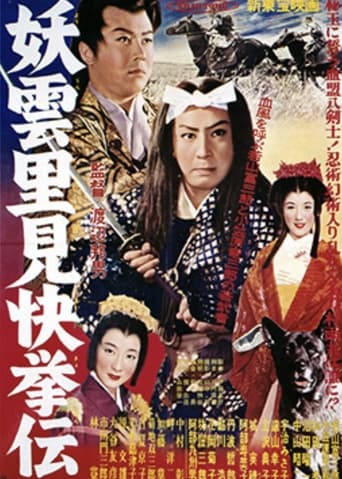
NRIn the first year of Chōroku, Satomi Yoshimi, lord of Takita Castle in Awa, faces defeat by neighboring lord Anzai Kagesuren. As the castle nears collapse, Anzai demands a seed from Yoshimi’s lineage, specifically from his wife, Fushihime. Outraged but facing annihilation, Yoshimi gives Fushihime a string of eight ancestral beads and urges her to escape to loyal retainer Inuda Kobungo. Instead, she goes alone to Anzai, followed by her dog, Hachibo. In a twist, Hachibo attacks and kills Anzai, allowing Fushihime to escape. She later reveals that the beads protected her and predicts that eight warriors bearing these beads will someday defend the Satomi family before passing away. Yoshimi finds one of the beads in Inuzuka Nobuno’s armor and convinces her to serve him. Meanwhile, Baka Daiki, plotting to overthrow Satomi, imprisons Inukawa Shosuke, who tries to intervene, under the watch of vassal Aminen Saomojiro.
Mysterious Clouds: Legend of Satomi's Heroic Deed
1957
 8.0
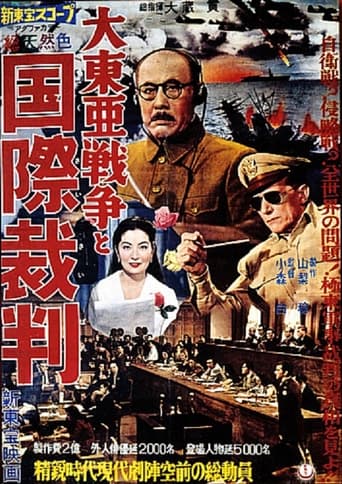
8.0In 1941, overpopulated Japan faces an economic boycott and its armed forces push further to the south. And despite negotiations between Japan and the U. S. A. war is declared with the attack on Pearl Harbour. Victories follow for Japan on land and sea and her forces push forward to the borders of India. But gradually the tide turns in favour of the Allies and after the atom bombings of Hiroshima and Nagasaki, Japan is compelled to accept the Potsdam Declaration and by the order of the Emperor agrees to unconditional surrender. Under the supervision of the occupation forces the International Military Tribunal opens in Tokyo to try the Japanese war leaders. Established in the cause of justice, and to prevent future aggressive wars the trials drag on for two and a half years. And on December 23, 1948, General Tojo and six other war leaders mount the thirteen steps to the gallows at Tokyo's Sugamo prison.
The Pacific War and the International Military Tribunal
1959
Kingoro Yanagiya's 100th film.
親馬鹿花合戦
1953
1952 Japanese film directed by Kunio Watanabe.
Geisha Waltz
1952
 NR
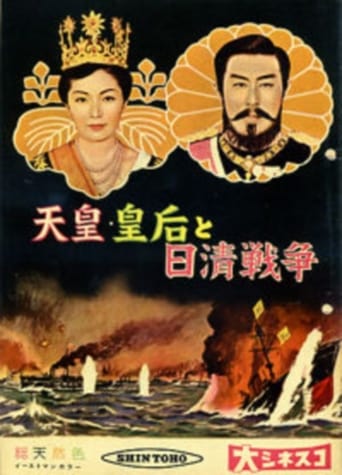
NRNo synopsis available yet.
Emperor & Empress Meiji and the Sino-Japanese War
1958
1958 jidaigeki directed by Masaki Mori for Shintoho.
関八州喧嘩陣
1958
 7.7
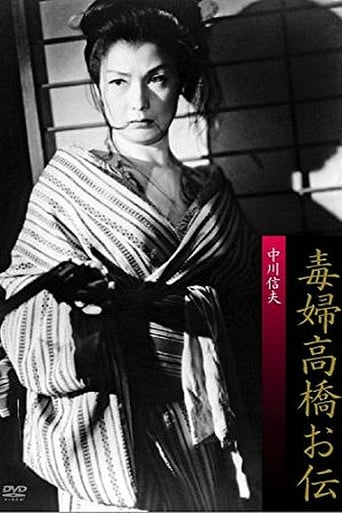
7.7In 1870's Tokyo, Den steals to support the daughter of her first marriage and her consumptive second husband. She falls in love with a young policeman, but is coerced into becoming the mistress of and procurer for a vice boss.
A Wicked Woman
1958
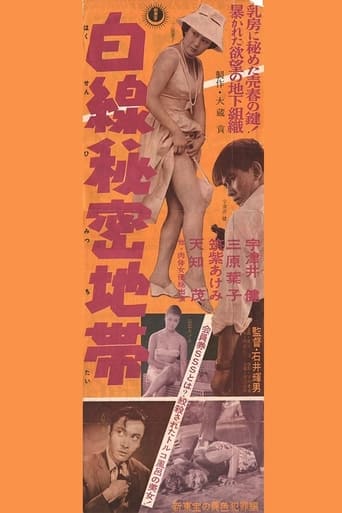 3.0
3.0First film in Teruo Ishii's Line series.
Secret White Line Zone
1958
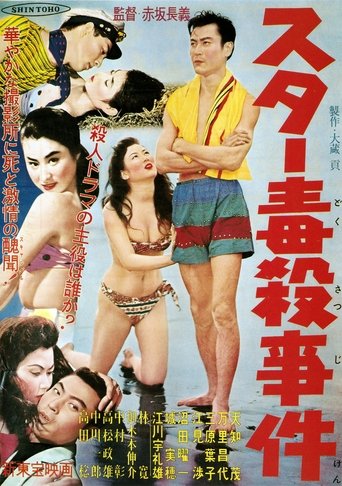 NR
NRJapanese crime film.
Star Poisoning Case
1958
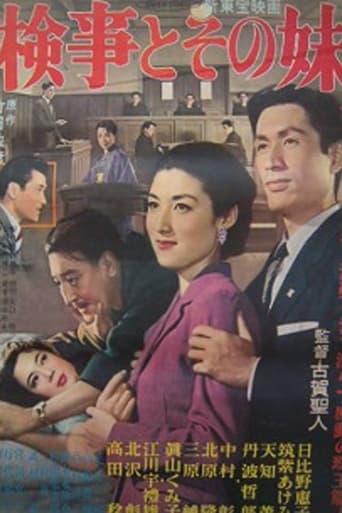 NR
NRNo synopsis available yet.
The Prosecutor and His Sister
1956
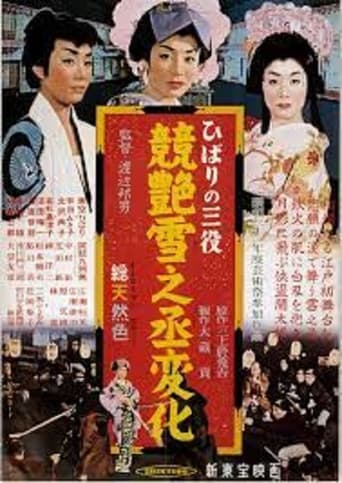 NR
NRNo synopsis available yet.
Hibari's Triple Role: The Dazzling Transformation of Yukinojo
1957
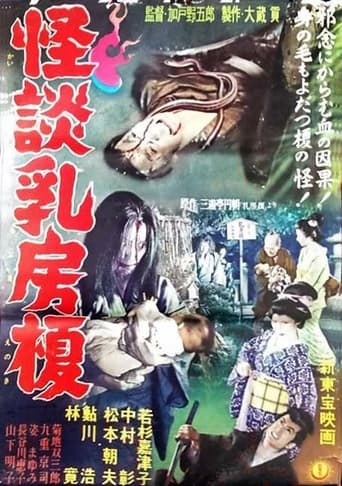 4.9
4.9A painter leaves his family to paint the homes of his rich clients. A lonely, ruthless samurai falls in love with the painter's wife and rapes her. He later murders the painter and his servants. From the afterlife, the painter's ghost seeks revenge on the samurai, and saves his wife and newborn child.
The Mother Tree
1958
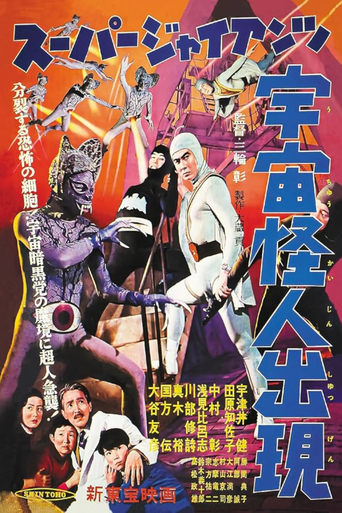 10.0
10.0The 7th Super Giant film. Super Giant battles a marauding alien brain-like creature created by a mad scientist and an alien army. (stand-alone episode)
Super Giant: The Space Mutant Appears
1958
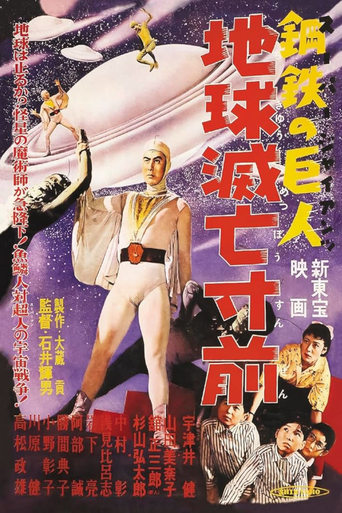 7.0
7.0The 4th Super Giant film, in which he continues his fight against the Kapia Aliens (Part 2 of 2)
Super Giant: Earth on the Verge of Destruction
1957
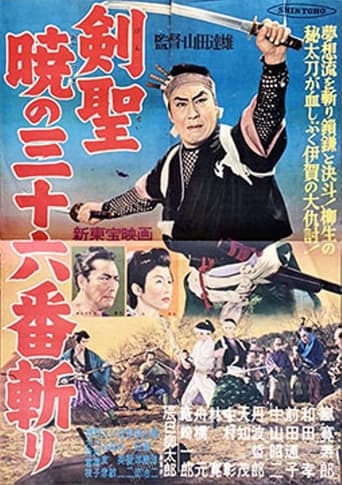 NR
NRNo synopsis available yet.
剣聖 暁の三十六番斬り
1957
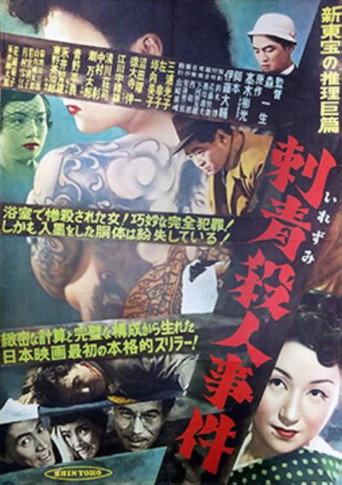 NR
NRNo synopsis available yet.
The Tattoo Murder Case
1953
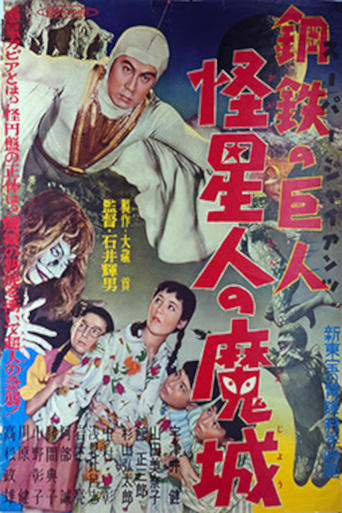 6.5
6.5The 3rd Super Giant film, in which he saves Earth from the threat of the reptile-like Kapia Aliens.
Super Giant: The Mysterious Spacemen's Demonic Castle
1957
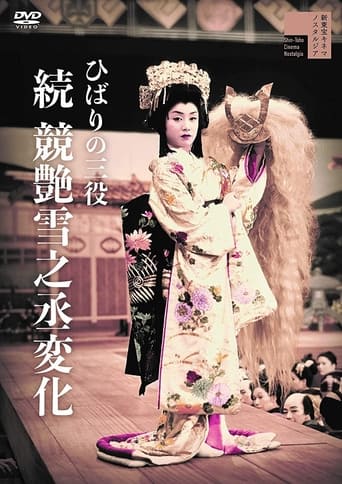 NR
NRNo synopsis available yet.
Hibari's Triple Role: The Transformation of Yukinojo — Part II
1957
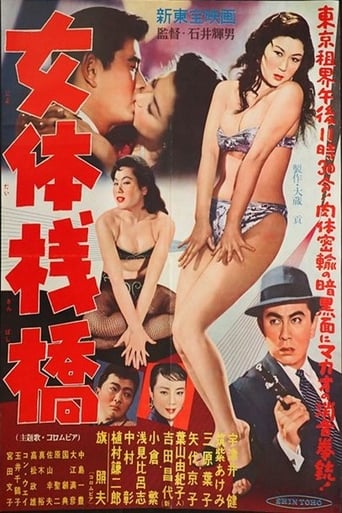 5.8
5.8Director Teruo Ishii's crime action follows the investigative adventures of an undercover cop working with a prostitution ring. It's done in an unique documentary style.
Flesh Pier
1958
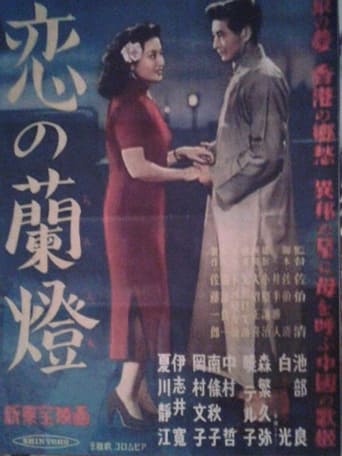 7.0
7.0"My mother is Japanese, a drifting diva of Tokyo" After the death of her father Reika goes to Japan to visit her mother, but can't find her, so she starts performing at a cabaret in Yokohama. Her mother, already settled, found about Reika's whereabouts, but won't acknowledge her daughter for fear of loosing her current status.
Koi no rantō
1951
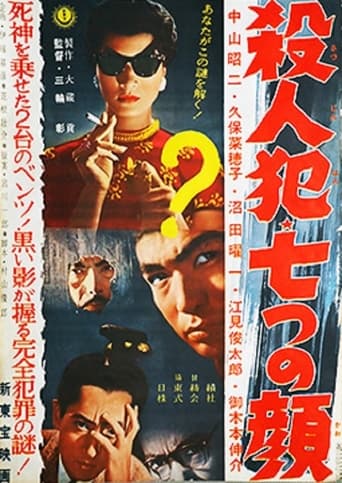 NR
NRJapanese crime film
Satsujinhan nanatsu no kao
1959
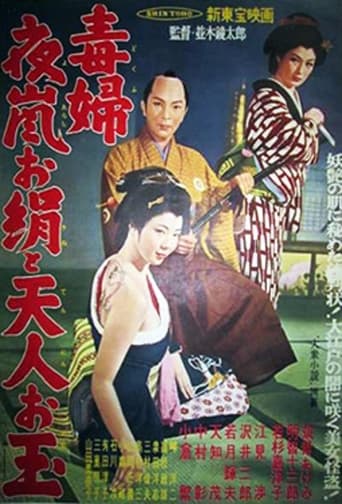 9.0
9.0Fictionalized retelling of the life of a Geisha poisoner.
妖婦 夜嵐お絹と天人お玉
1957
1940s · 14 titles
6.5A hotheaded youth in 1880s Meiji Japan apprentices to judo master Shōgorō Yano, trading brute jujutsu bravado for discipline and humility. As Sanshirō matures, he proves judo’s spirit against old-guard challengers—including a deadly duel—while falling for his vanquished opponent’s daughter. Based on the novel by Tsuneo Tomita, son of Tomita Tsunejirō, the earliest disciple of judo.
Sanshiro Sugata
1943
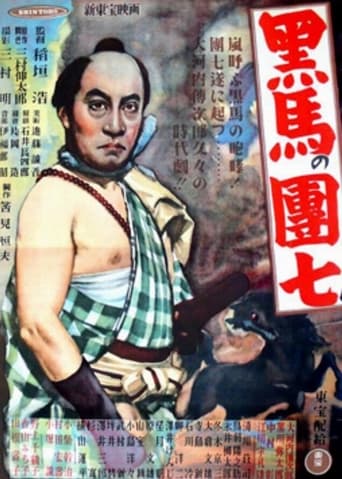 9.0
9.0No synopsis available yet.
Kuro-uma no danshichi
1948
 6.5
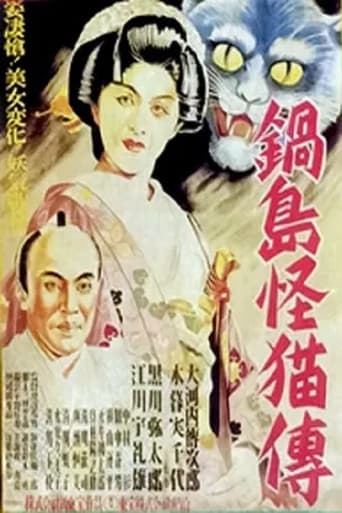
6.5Tanuma Kandayuu is a high class samurai of the house of Nabeshima. He finds a lavish board of Go (a Chinese Board game) at Kinbei's store. He recommend Kinbei to offer it to his lord. Kinbei hesitates at first, since he knows the board has a mysterious legend surrounding it; it's believed that for every game played on the board, one death is required.
Ghost Cat of Nabeshima
1949
 7.0
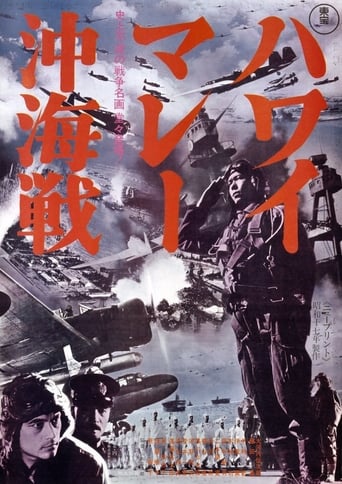
7.0Japanese Navy air cadets train for the attacks on Pearl Harbor and the HMS Prince of Wales.
The War at Sea from Hawaii to Malaya
1942
 10.0
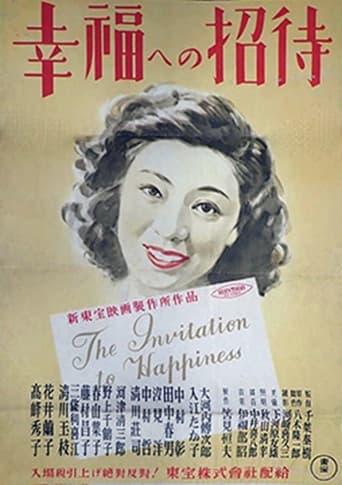
10.0Kôfuku eno shôtai - Invitation to happiness
Invitation to Happiness
1947
 9.0
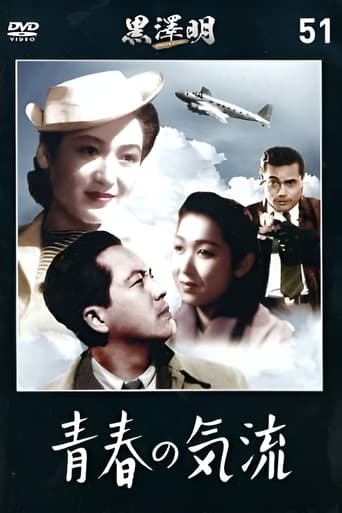
9.0It was supposed to be about a love story, but it was and was not. An aircraft mechanic working for the government is matched by his boss with the latter man's daughter (Setsuko Hara) who is both beautiful and aggressive. Yet, he picks a woman who is less assertive as his bride.
Currents of Youth
1942
 9.0
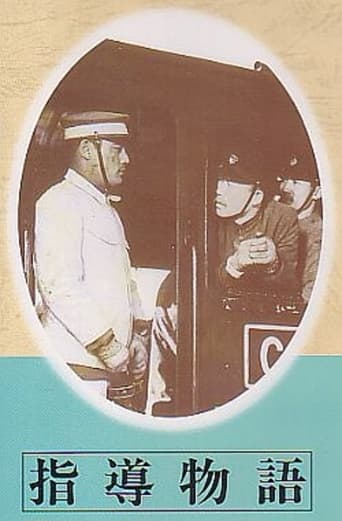
9.0In this semi-documentary, an older locomotive driver is tasked with training younger ones and is currently training two in particular. The old man is finding the task overwhelming as it is hard work with practical lessons and classroom components. His wife has died, but he has three daughters with the oldest taking care of her younger siblings.
Story of Leadership
1941
 8.0
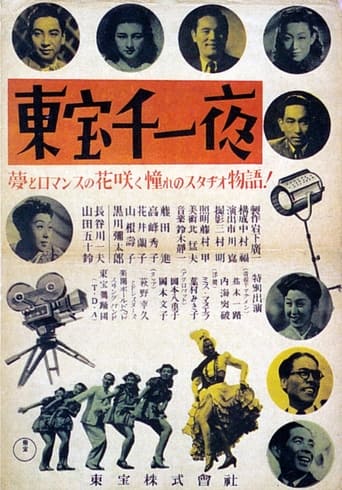
8.0The debut film of Shin Toho Productions
A Thousand and One Nights with Toho
1947
 7.0
7.0No synopsis available yet.
Wakaki sugata
1943
 9.0
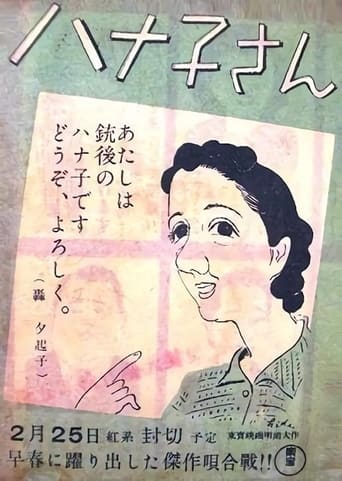
9.0Hanakosan (1943, TOHO, MAKINO Masahiro), a thoroughly light and joyful musical comedy, influenced by Busby Berkeley films, against the national policy under the wartime, was made into a film from comic serials by SUGIURA Yukio published in a magazine.
Miss Hanako
1943
 NR
NRA family comprised of a father, mother and three sisters lives in a posh area. The father is a doctor who has to join the army and work at war. The four remaining women have to take care of themselves. The eldest sister is calm and lady-like. The middle sister (played by Hara Setsuko), in contrast, is active and contemporary. She aspires to be a physician too. The story is based on Little Women by Louisa May Alcott.
The Sisters' Agreement
1940
 10.0
10.0No synopsis available yet.
A World of Two
1940
 NR
NRNo synopsis available yet.
University Gates
1948
 9.0
9.0Based on that testimony, an investigation is launched in the entertainment district, and through a brief conversation between Toda and Nanako at the cabaret "R-Red," it becomes apparent that her lover, Kaneda, is suspicious. Toda and Kaneda are, in fact, members of the gang currently being frantically pursued by the Metropolitan Police. Their leader is a ruthless man named Yoshio Matsui, known as "Tetsu the Murakumo," who has his mistress, Aiko, working as a singer at this cabaret. Kaneda, using his leg injury caused by Detective Mishima as leverage, demands a large sum of money from Tetsu, but is instead met with gunfire from Tetsu's gang. Upon hearing the gunshots, Officer Fujita, who was patrolling nearby, gives chase. As Kaneda lies dying, he reveals the truth before drawing his last breath. With this near-confirmation, Fujita puts out an all-points bulletin for Tetsu.
Shooting Star
1949