
Acting
Michisaburō Segawa
Born — Died
1894-02-12 — 1968-02-23
Place of birth
Nihonbashi, Chuo, Tokyo, Japan
Known for
Acting
Credits
60 titles
Known for
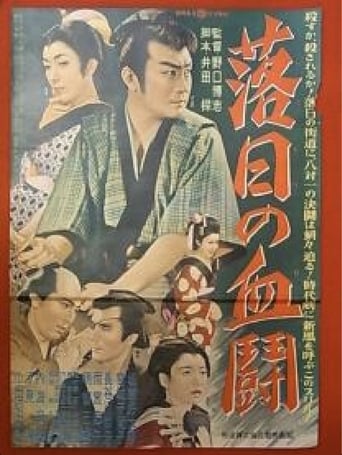 NR
NRA remake of High Noon (1952) as a Japanese jidai-geki sword-fighting movie.
Duel at Sundown
1955
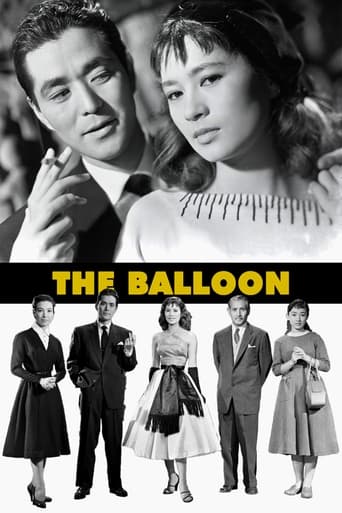 6.3
6.3Haruki Murakami is a successful family man and the head of a camera company. Unbeknownst to Murakami, his arrogant son oscillates between a mistress and a new lover who sings at a nightclub. When Murakami’s daughter befriends the mistress, the affair throws the family into turmoil.
The Balloon
1956
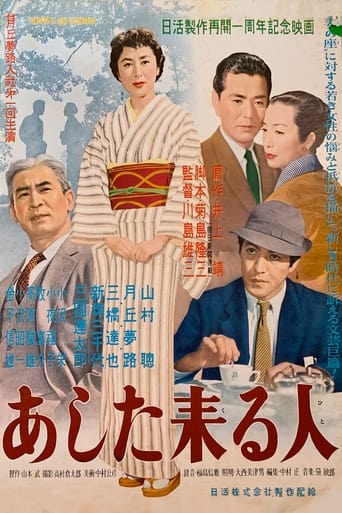 7.0
7.0Jiro Sone sacrifices all comfort to devote himself to research. Young housewife Yachiyo is disappointed with her husband Kappei, who is more attracted to mountain climbing and another girl. When Yachiyo’s father is introduced to Jiro, all of their lives become intertwined...
Till We Meet Again
1955
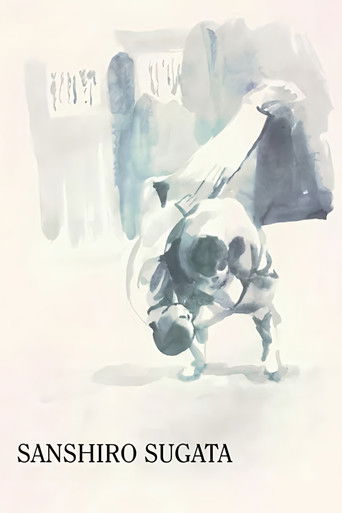 6.5
6.5A hotheaded youth in 1880s Meiji Japan apprentices to judo master Shōgorō Yano, trading brute jujutsu bravado for discipline and humility. As Sanshirō matures, he proves judo’s spirit against old-guard challengers—including a deadly duel—while falling for his vanquished opponent’s daughter. Based on the novel by Tsuneo Tomita, son of Tomita Tsunejirō, the earliest disciple of judo.
Sanshiro Sugata
1943
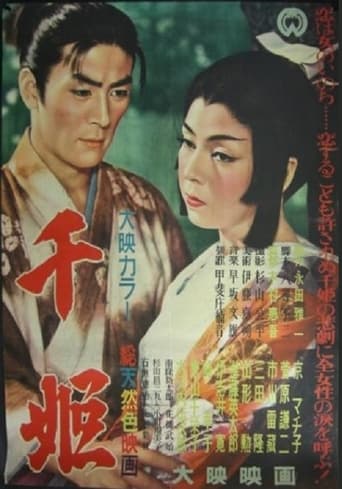 5.0
5.0During the Warring States era of early 17th century Japan, teenage princess Sen is besieged with other members of her family in Osaka Castle, by a rival force led by her grandfather.
The Princess Sen
1954
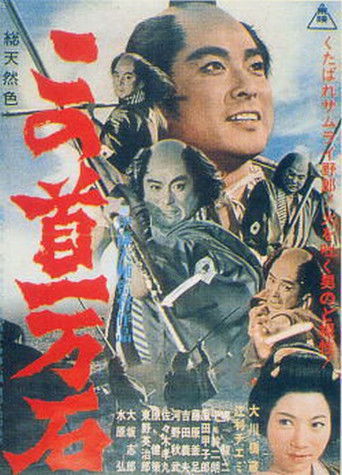 8.7
8.7Gonza was a handsome young laborer, a footman and spear-carrier, working hard for his meager wage. All Gonza wanted was to marry his young sweetheart, but despite their mutual poverty, her status as the daughter of a samurai blocked their path to happiness. A chance opportunity to achieve samurai status would come one day, but Gonza will regret trusting the so-called honorable samurai who extended this fateful offer, and the terrible price he'd pay, fighting for his life in one of the most blood-spattered samurai battles ever filmed.
Tragedy of the Coolie Samurai
1963
Film credits
1960s · 14 titles
8.7Gonza was a handsome young laborer, a footman and spear-carrier, working hard for his meager wage. All Gonza wanted was to marry his young sweetheart, but despite their mutual poverty, her status as the daughter of a samurai blocked their path to happiness. A chance opportunity to achieve samurai status would come one day, but Gonza will regret trusting the so-called honorable samurai who extended this fateful offer, and the terrible price he'd pay, fighting for his life in one of the most blood-spattered samurai battles ever filmed.
Tragedy of the Coolie Samurai
1963
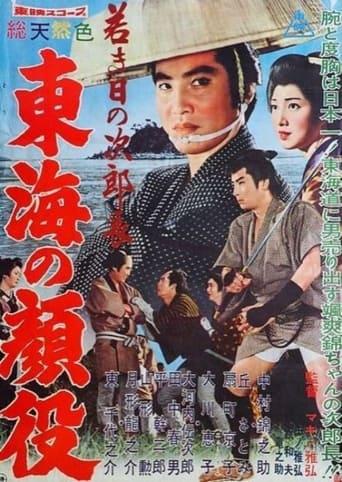 7.0
7.0His skill and courage were the best in Japan! The life story of Jirocho, a man who protected people on the Tokaido Road. The fearless Kinnosuke Nakamura enthusiastically plays the young Jirocho from Shimizu in this chivalrous story.
Jirocho’s Days of Youth: Boss of the Tokai Region
1960
 8.2
8.2In the third, and final chapter of this epic tale, handsome swordsman Genji helps a vulnerable princess who is in search of a missing scroll that belongs to the Shogun. This is one of the most highly regarded trilogies featuring a youthful Nakamura Kinnosuke in one of his best roles. This was Kinnosuke at the height of his career, with charm, honor and a vicious sword. If you enjoyed the first two films in the series, you can't miss the exciting conclusion. Even without know-ledge of the first two films, this movie stands on its own with great action throughout!
Tales of Young Genji Kuro 3
1962
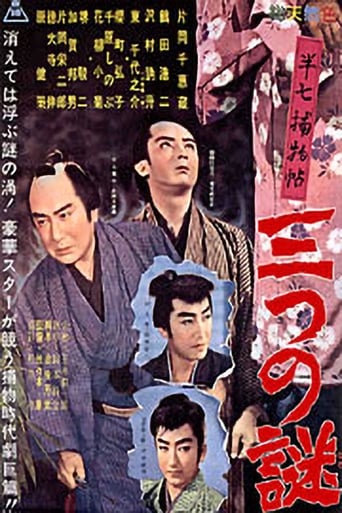 7.5
7.5Detective Hanshichi (Kataoka Chiezo) solves 3 mysterious murder cases. Great story and an impressive all-star cast, a must see!
Cases of Hanshichi
1960
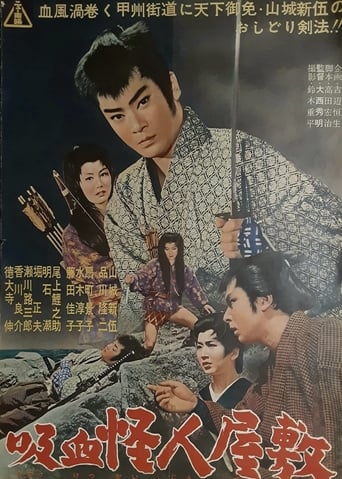 NR
NRA sequel to "Vampire Dead Beauty Carving", featuring the same members from the previous work, including scriptwriter Koji Takada, director Hideaki Onishi, and cinematographer Shigehira Suzuki.
Vampire Monster Mansion
1961
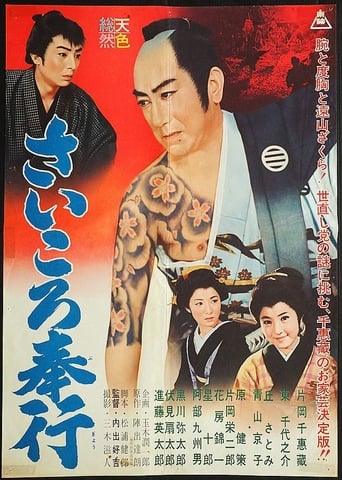 9.0
9.0Based on the exploits of real-life historical character Magistrate Toyama no Kinsan, this exciting tale brings the “Demon Magistrate” as he is called to the aid of a beautiful young woman who asks to be abducted on the eve of her wedding so that she would not have to marry a country bumpkin. Instead she plans to go to Edo, where life can be cheap and common criminals run rampant. Can Magistrate Toyama, a gambler himself, see through the plot and keep her safe from harm. Don’t miss this spectacular showpiece of samurai era action led by superstar Kataoka Chiezo in one of his signature roles. When he bares his tattooed right shoulder, all hell breaks loose!
Magistrate of Dice
1961
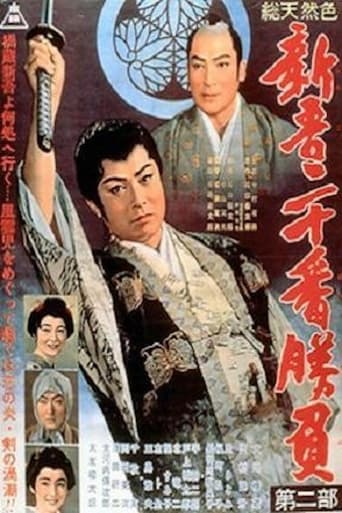 NR
NRThe second film in the 20 Duels of Young Shingo trilogy directed by Sadatsugu Matsuda.
20 Duels of Young Shingo, Part 2
1961
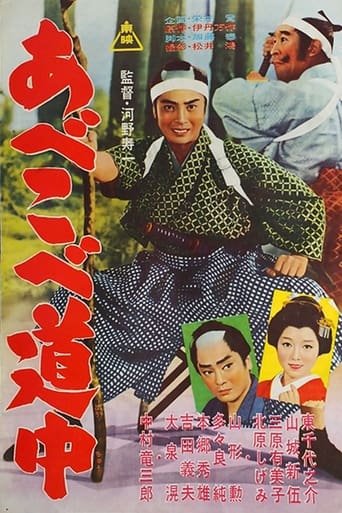 NR
NRNo synopsis available yet.
Abekobe dōchū
1962
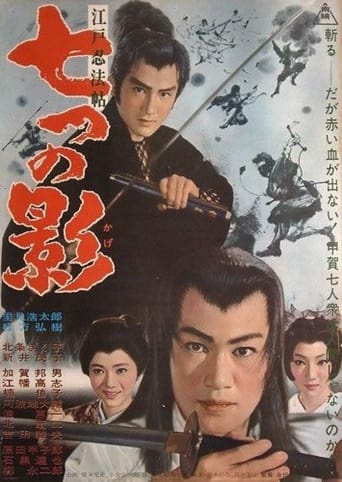 NR
NRDuring the reign of Shogun Tsunayoshi, seven ninja of the Koga clan secretly plot against the illegitimate son of the former shogun.
Edo Ninja Scroll: Seven Shadows
1963
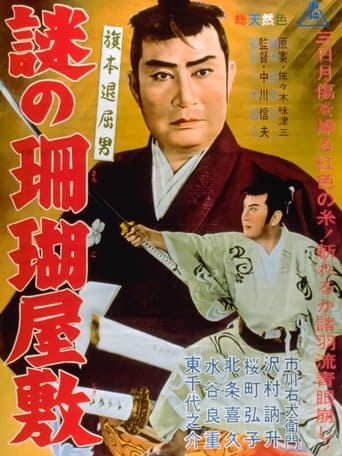 NR
NRBored Hatamoto movie #29
Bored Hatamoto: The Mysterious Coral Mansion
1962
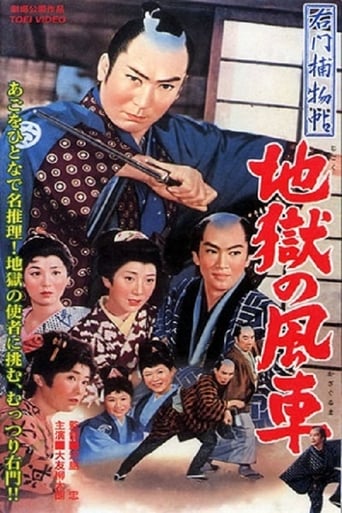 6.5
6.5Umon’s services are called upon when innocent bystanders, Kayo and Minokichi, along with the ronin, Gontaro are mistakenly identified as suspects in several recent murder cases. To prove their innocence and uncover the truth, Umon launches his own investigation.
Case of Umon: Hell’s Windmill
1960
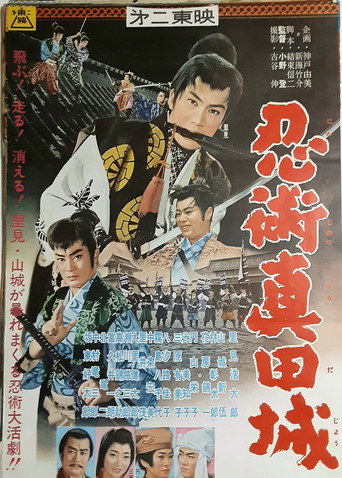 NR
NREvil wizards and ninjutsu black magic cloud the land as the legendary Sanada Yukimura tries to defend Osaka Castle from Tokugawa Ieyasu’s tightening noose. Can Sarutobi Sasuke and Saizo the Mist level the playing field with their own ninjutsu skills? This rousing gem in the plucky swashbuckling ninja magician vein is full of familiar historical and shinobi genre names, plus rarer characters like a lady wizard and a female samurai love interest. Satomi Kotaro and Yamashiro Shingo star in what was one of the last bastions of this type of ninja movie before the Shinobi-no-Mono inspired 60s craze redefined the genre.
Ninjutsu at Sanada Castle
1961
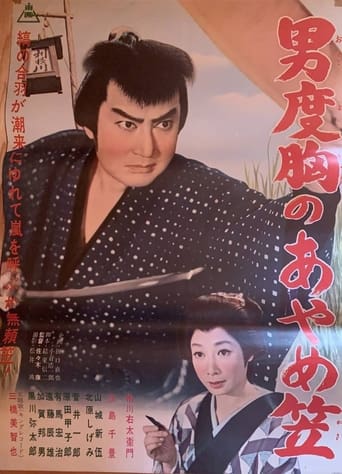 NR
NR1962 Japanese movie
Otoko dokyō no ayame kasa
1962
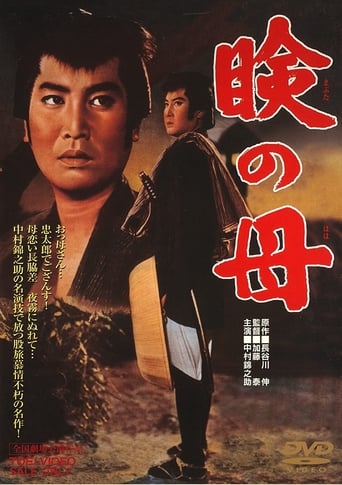 6.6
6.6Period piece about a young man who, because of his hard life alone in the world, has become a yakuza. When he hears that his mother may be living in Edo (Tokyo), he travels there, intent on finding her and leaving the swordsman's life behind. But a team of rival gangsters is hot on his heels.
In Search of Mother
1962
1950s · 32 titles
NRA remake of High Noon (1952) as a Japanese jidai-geki sword-fighting movie.
Duel at Sundown
1955
6.3Haruki Murakami is a successful family man and the head of a camera company. Unbeknownst to Murakami, his arrogant son oscillates between a mistress and a new lover who sings at a nightclub. When Murakami’s daughter befriends the mistress, the affair throws the family into turmoil.
The Balloon
1956
7.0Jiro Sone sacrifices all comfort to devote himself to research. Young housewife Yachiyo is disappointed with her husband Kappei, who is more attracted to mountain climbing and another girl. When Yachiyo’s father is introduced to Jiro, all of their lives become intertwined...
Till We Meet Again
1955
5.0During the Warring States era of early 17th century Japan, teenage princess Sen is besieged with other members of her family in Osaka Castle, by a rival force led by her grandfather.
The Princess Sen
1954
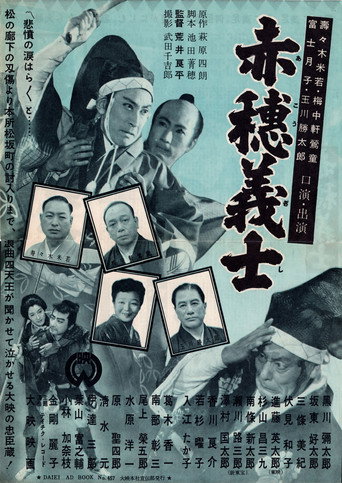 NR
NRNo synopsis available yet.
Akōgishi
1954
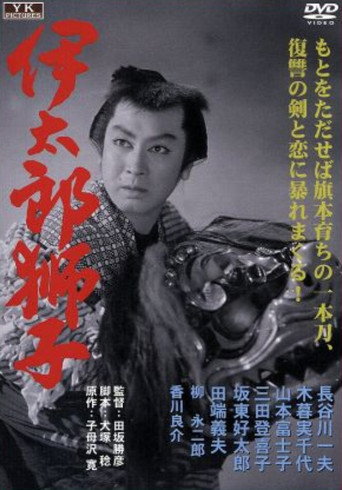 NR
NRItarō abandons his life as a hatamoto to become a yakuza.
Itarō jishi
1955
 6.6
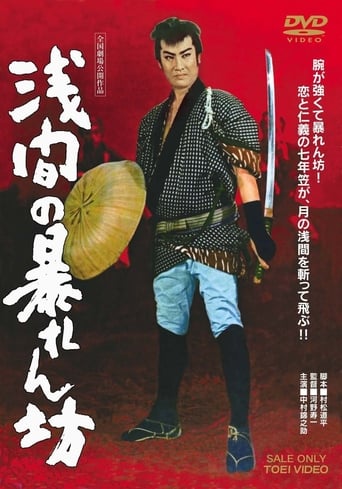
6.6When Boss Juzo's Shinmachi Yakuza family struck fear into the hearts of his adversaries, Boss Shohei's Okabe Yakuza family with a merciless gang of raiders, Itaro of Asama was missing. With the courage of a lion he had gone off to face the enemy and settle the score all by himself. As a result he had to take the blame in place of Boss Shohei, and went off to adventures on his own.
Roughneck From Asama
1958
 6.0
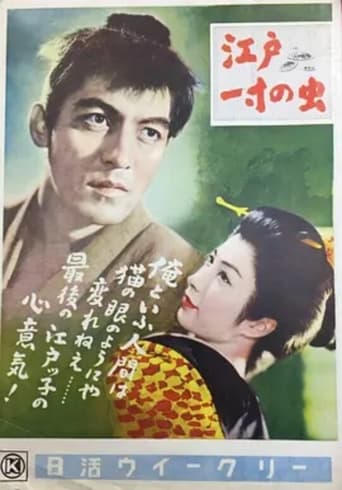
6.0This historical film depicts the life of a man who was at the mercy of the waves during transition from the end of the Edo period to the Meiji Restoration, and therefore, shows audience the dynamic change from Edo to Meiji. Before the war, the director, Eisuke Takizawa, together with the writers, formed a scenario writer group "Narutaki-gumi and they shot many historical masterpieces.
The Samurai of Edo
1955
 NR
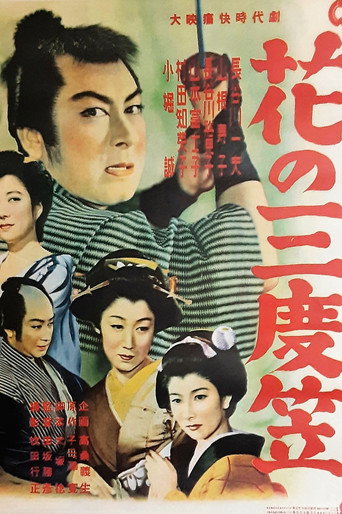
NRNo synopsis available yet.
Hana no sando gasa
1954
 NR
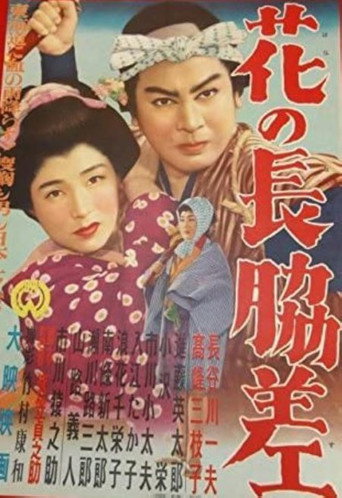
NRNo synopsis available yet.
Hana no nagadosu
1954
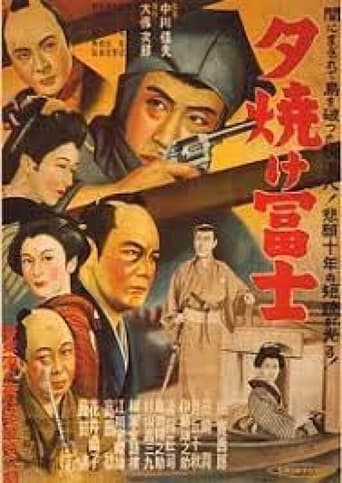 NR
NRJidai-geki starring Kanjuro Arashi
Sunset Over Mount Fuji
1952
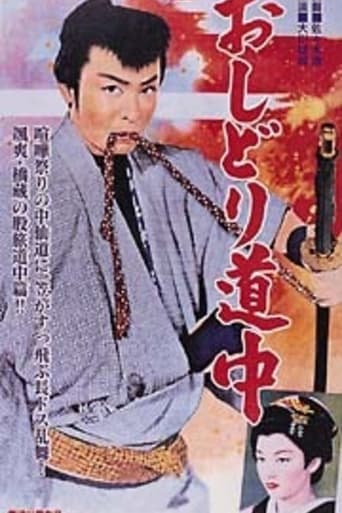 7.5
7.5With flashing swordwork and a terrific story, wandering gambler Kusama Hanjiro inspires the wrath of Boss Jirotaro who has been terrorizing travelers along the route through his territory. When Hanjiro steps in to gamble with him one-on-one it leads to a deadly vendetta that will show no mercy. Along the way Hanjiro is called upon to help sisters with no one else to depend on. Will the feud end in tragedy, or can the honest wanderer prevail against the bloodlust of an angry yakuza boss whom he had scarred for life?
Happily Tied to the Road
1959
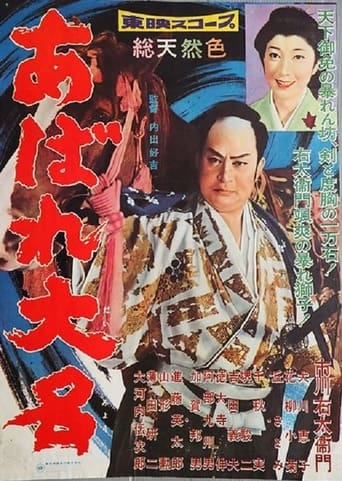 9.0
9.0No synopsis available yet.
The Unleashed Lord
1959
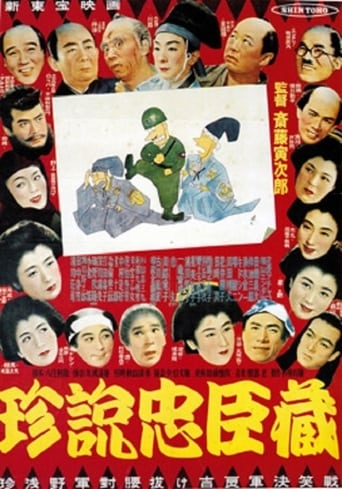 NR
NRA comedic retelling of the legend of the loyal 47 ronin.
珍説忠臣蔵
1953
 7.0
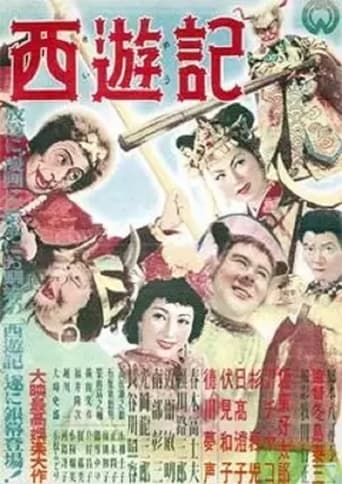
7.0An adaptation of the famous 16th century novel, Journey to the West.
Saiyûki
1952
 NR
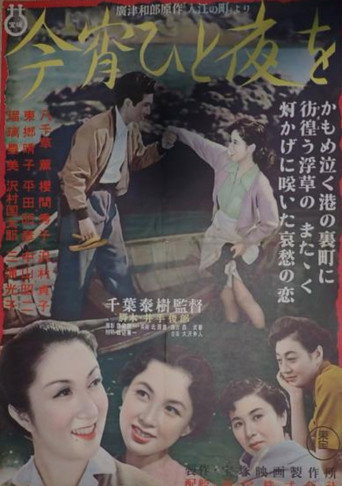
NRThe story of the hardships facing women working as maids and waitresses at a resort hotel restaurant.
One Night of Love
1954
 NR
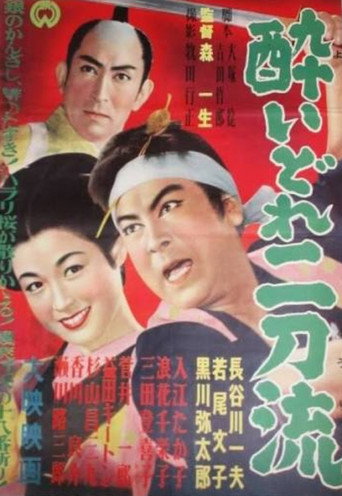
NRNo synopsis available yet.
Yoidore nitōryū
1954
 NR
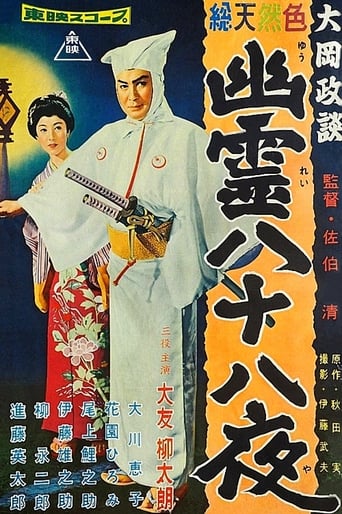
NRA hotshot investigator solves a series of gruesome murders in this exciting and dark classic.
Magistrate Ooka’s Legends
1958
 6.3
6.3One of the great stories from Japan’s rich history comes to life in this true tale of the bloody showdown between two rival yakuza gangs in the 1840’s. The battle between Boss Sukegoro of Iioka and Boss Shigezo of Sasagawa has been portrayed many times, most notably in the first Zatoichi film, where the blind man befriends the tubercular ronin Hirate Miki, before cutting him down in one of the great duels in cinema history. This all-star extravaganza pulls out all the stops, with appearances by virtually all of the great actors and actresses from Toei’s studio at the time. Ichikawa Utaemon’s portrayal of the kind-hearted, noble yakuza boss Shigezo of Sasagawa contrasts sharply with the devious Sukegoro of Iioka. Corrupt as he may have been, his men were all willing to give up their lives for him.
A Spectacular Showdown
1959
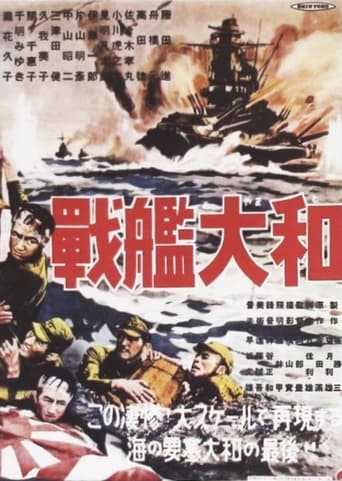 NR
NRThe film is about the Yamato's suicide mission to Okinawa in March 1945 to defend the homeland threatened by U.S. bombers. Adapted from Mitsuru Yoshida's 1952 book "Requiem for the Battleship Yamato".
The Battleship Yamato
1953
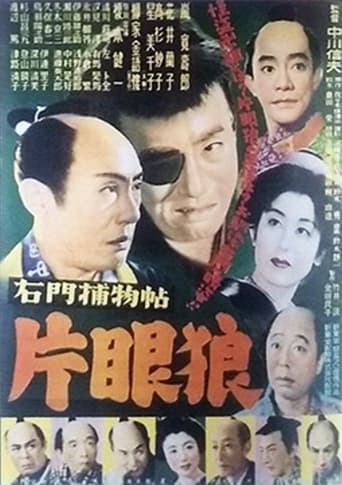 NR
NRNo synopsis available yet.
Umon's Detective Stories: The One-Eyed Wolf
1951
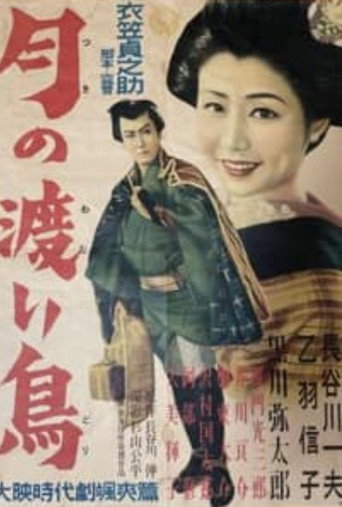 NR
NRNo synopsis available yet.
Tsuki no wataridori
1951
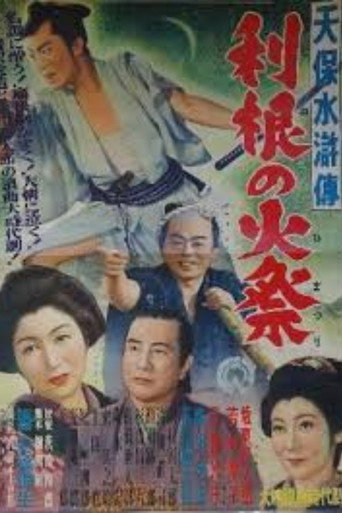 NR
NRNo synopsis available yet.
Tenpō suiko-den: Tone no himatsuri
1952
 5.5
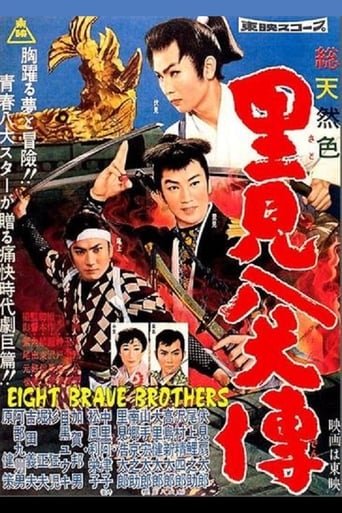
5.5One day, Yoshimi Satomi, the castle owner of Takita Castle in the country of Anbo, and his confidant Daisuke Kinba, on the way to hunt wild boars, felt sorry for a small dog that was about to be swallowed by a giant snake like a giant tree, and killed the serpent in a fierce battle and saved the puppy. Yoshimi decided to keep the puppy, naming it Hachibo. Now the Serpent Demon is determined to destroy Takita Castle, while Hachibo defends it with his life. His spirit is split into eight, and eight brave warriors must unite to defeat the demoness snake.
Eight Brave Brothers
1959
 NR
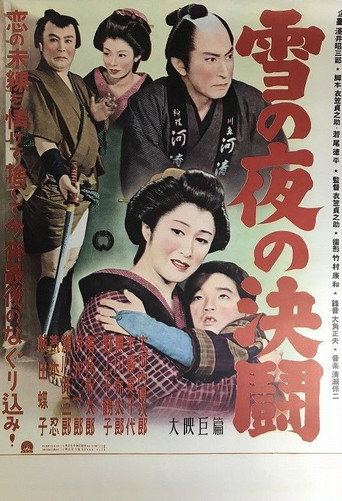
NRA yakuza returning from an island journey takes a stranger’s young child under his wing as he travels, gives up the woman he loves to his brother-in-arms, kills a corrupt gang boss in the name of justice and turns himself in.
Snowy Night Duel
1954
 6.0
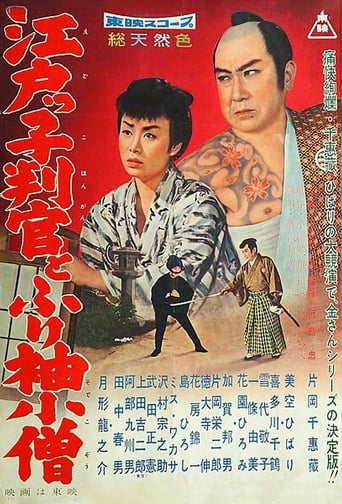
6.0It's an extravaganza of entertainment as famous magistrate in disguise, Toyama no Kinshiro attempts to confront the elusive thief known as the "Long-Sleeve Burglar". Played to the hilt by Misora Hibari in a delightful performance highlighted by singing, dancing, and swordplay with a unique story within a story twist that starts to unfold in the city jail as a playwright is brought into custody and meets the famed Long-Sleeve Burglar himself. Misora Hibari is totally captivating in this gender bending role as the famed thief whose expoits can only be stopped by the great Kin-san himself!
The Edo Official and Apprentice
1959
1956 Japanese film, originally released in three parts.
Kobushidake denki
1956
 NR
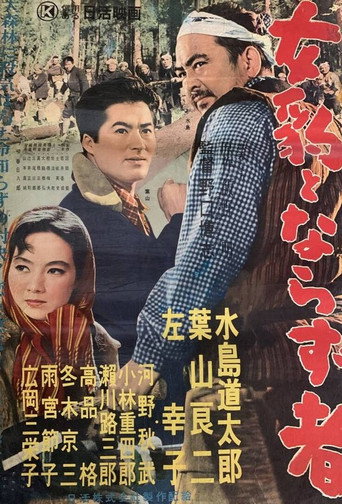
NRA poignant entertainment epic about a righteous mountain man, a young company director with new ideals, and a beautiful woman with wild charm, whose love and action unfold against the backdrop of a rice field in the middle of a vast forest.
Mehyō to Narazu Mono
1957
1956 Japanese film, originally released in two parts.
快傑耶茶坊
1956
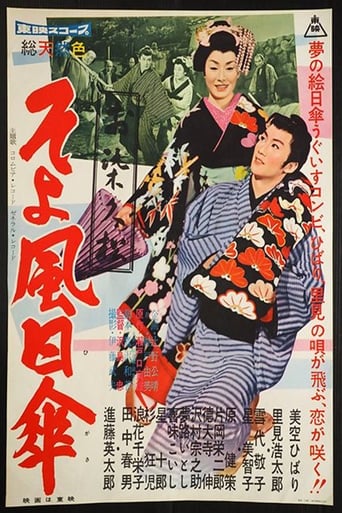 5.0
5.0A young, feisty woman named Osome searches for her true love in the midst of a family crisis.
Gentle Breeze
1959
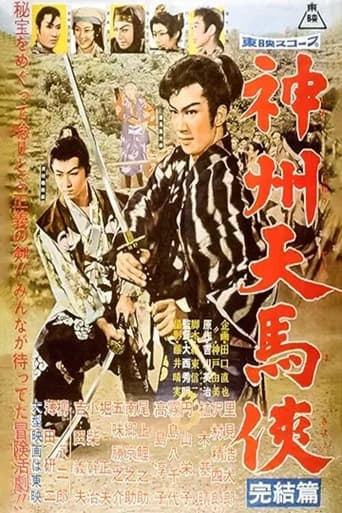 NR
NRIn a desperate crisis, Inamaru is plunged into the dark sea by a strike from Tokugawa Ieyasu. Ryutaro desperately tries to rescue Inamaru. However, it's not just Ieyasu who aims for him and the precious treasure of the Unshaken Banner. Various individuals, good and evil alike, are aiming for the foothills of Mount Fuji where the hidden treasure lies.
神州天馬侠 完結篇
1958
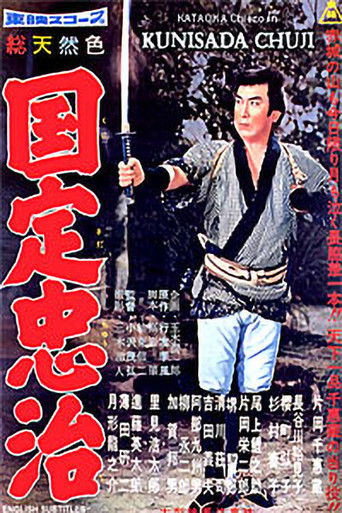 5.6
5.6Kunisada Chuji is a common folk hero who looks out for poor people in the country who are at the mercy of corrupt officials. Intent on fulfilling a dying wish from one of his henchmen, Asataro, to find a decent home for his young nephew, Chuji descends from his hide-out in the mountain, and heads to the city in spite of numerous dangers that await him there.
Kunisada Chuji
1958
1940s · 4 titles
6.5A hotheaded youth in 1880s Meiji Japan apprentices to judo master Shōgorō Yano, trading brute jujutsu bravado for discipline and humility. As Sanshirō matures, he proves judo’s spirit against old-guard challengers—including a deadly duel—while falling for his vanquished opponent’s daughter. Based on the novel by Tsuneo Tomita, son of Tomita Tsunejirō, the earliest disciple of judo.
Sanshiro Sugata
1943
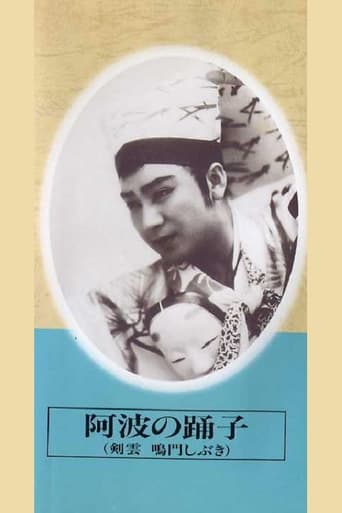 7.0
7.0Jurobei, a kaisen tonya (wholesaler in port) in Awa, was wronged and killed on the day of the Dance Festival by the evil merchant & the chamberlin. His brother (Kazuo Hasegawa) vowed vengeance on the day of his brother's death. So every year the villains are worried during the Awa Dance Festival (which is part of the Obon festival), but nothing has ever happened, until seven years later...
Dancers of Awa
1941
A classic wartime jidaigeki about the life of the famous samurai and first of the "Great Unifiers" of Japan, Oda Nobunaga, with Kataoka Chiezo and Shimura Takashi
Oda Nobunaga
1940
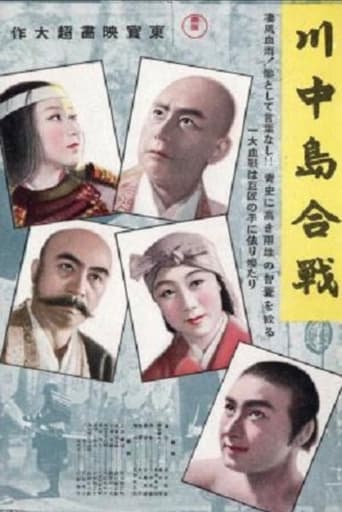 7.0
7.0This epic depicts the battle between Uesugi Kenshin and Takeda Shingen. The focus of the story is the struggle by the unit leader in charge of the main supply wagons and the supply troops to transport materiel to the Uesugi army. To this are added episodes involving an itinerant woman.
The Battle of Kawanakajima
1941
1930s · 10 titles
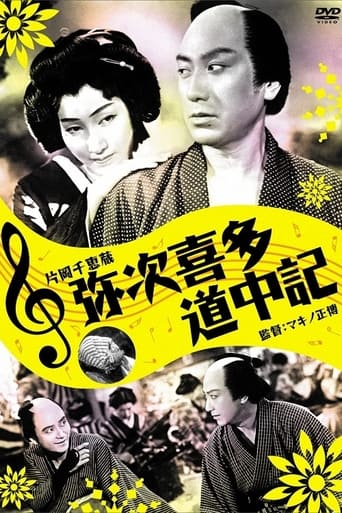 9.0
9.0A captivating operetta by Masahiro Makino based on Juppensha Ikku's humorous novel "Tōkaidōchū Hizakurige" starring Chiezo Kataoka and Kyoji Sugi.
Yaji And Kita's Traveling Diary
1938
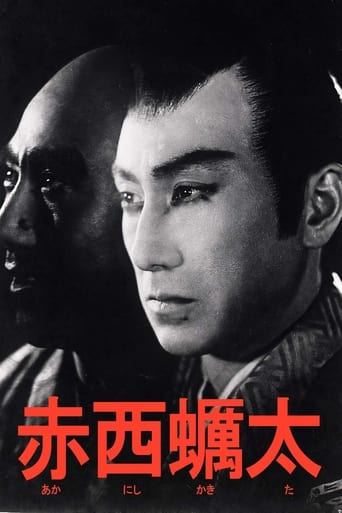 6.4
6.4A samurai is ordered by his lord to go to Edo and investigate the truth behind the rumor of a rebellion against him.
The Letter
1936
 7.0
7.0The tale of Nakayama Yasubei’s duel is famous, even if he in reality probably did not cut down 18 opponents. The story has been related in film, rakugo, kodan and on stage many times, in part because Nakayama later joined the famous 47 Ronin (Chushingura) as Horibe Yasubei. But Makino and Inagaki’s version gives no hint of this more serious future, playing up the thrills and the comedy with Bando’s bravura performance. The multiple pans of Yasubei running to the duel are an exemplar of the experimental flourishes of 1930s Japanese cinema and the final duel, performed virtually like a dance number, is a marker of Makino’s love of rhythm and one of the best sword fights in Japanese film history. The film was originally released under the title Chikemuri Takadanoba (Bloody Takadanobaba) with a length of 57 minutes, but suffered some cuts and a title change when it was re-released in 1952.
Blood Spilled at Takadanobaba
1937
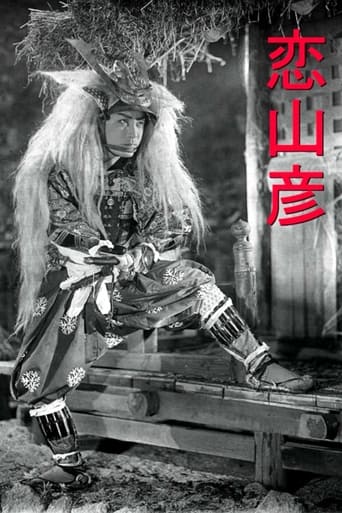 NR
NRA man is brutally murdered and his famed shamisen (a three-stringed musical instrument) called the "Yamabiko" stolen. Prince Kogenta swears to avenge his father-in-law's death and retrieve the family heirloom.
Echo of Love
1937
 NR
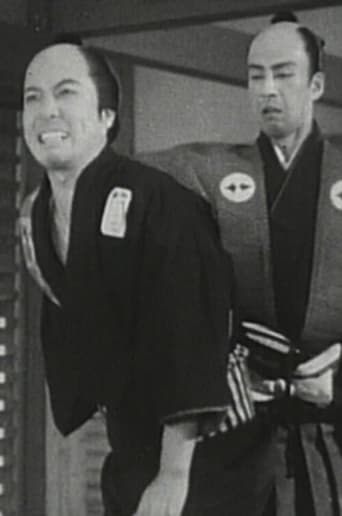
NRNaosuke, a servant of Okajima Yasoemon, devoted himself to his master. One day, his master Okajima Yasoemon, lost his face in front of people. It was a revenge by Oono, a karo (minister) who lost his chance to earn money by selling a fake antique to the lord. Okajima told the lord it was fake. Okajima endured Oono's humiliation. But, his servant Naosuke, could not. But what could he do? Oono is superior of his master. Naosuke would not hesitate to lay down his life for his master. But killing Oono would ruin his master. He wanted to clear his master's disgrace. What to do?
Devoted Servant Naosuke
1939
 9.0
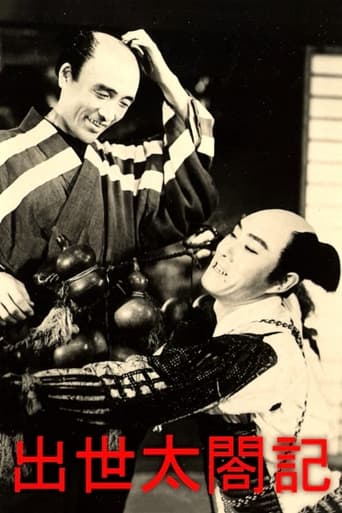
9.0Taikoki is a legendary biography of Toyotomi Hideyoshi, who rose to the office of taikō. And the story of this film is about the rise to power of Toyotomi Hideyoshi from a farmer's son.
Taiko's Rising in the World
1938
This film tells the story of a ronin's search for his parents, but primarily is a group portrait of life in a Tokugawa-era tenement. Considered a lost film.
The Elegant Swordsman
1934
No synopsis available yet.
Yataro's Hat - Comings and Goings
1932
Based on the old tale of Jiraiya, this 1937 version is essentially a revenge story with fantastic visuals.
Jiraiya
1937
 7.0
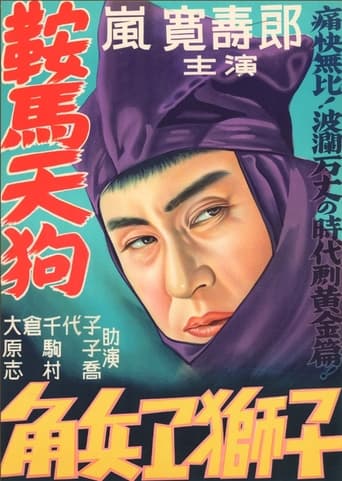
7.0This is Kanjûrô Arashi's first film with Nikkatsu after his independent production company went bankrupt (many of these independent companies went bankrupt shortly after the transition to sound). As he is mostly famous for his portrait of Kurama tengu (and on the other hand, he's the definitive actor for Kurama Tengu as well), Nikkatsu made another version of Kurama tengu, co-directed by Masahiro Makino & Sadatsugu Matsuda who are both sons of Shozo Makino. Scripted by Yoshitake Hisa, a jidaigeki specialist who later scripted several Toei All-Star Jidaigeki.
Kurama Tengu
1938