
Directing
Édouard Lock
Born
1954-03-03 (72)
Place of birth
Tànger, Morocco
Known for
Directing
Credits
3 titles
Édouard Lock is a Canadian dance choreographer and founder of the Canadian dance group, La La La Human Steps. He formed La La La Human Steps in 1980, and began choreographing full-length works, which soon attracted international attention. Since 1985, each work for La La La has toured internationally for up to two years. The company was disbanded in September 2015 owing to financial difficulties. Édouard Lock has also worked with several figures in the world of music. He created a choreographed event with David Bowie and Louise Lecavalier as part of the 40th anniversary celebrations of the Institute of Contemporary Arts, filmed by video artist Nam June Paik, then continued his collaboratio…
Known for
 7.8
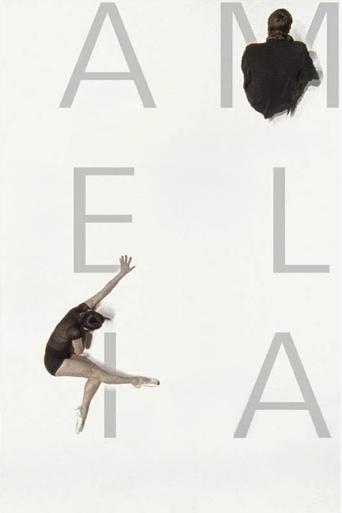
7.8The multi-award-winning dance film Amelia (2002), directed and choreographed by Edouard Lock and performed by the acclaimed dance company La La La Human Steps, explores the use of point technique using extended intertwining solos, complex partnering sequences and extreme speed to generate powerful performances with unexpected moments of tender emotion and serenity.
Amelia
2003
 NR
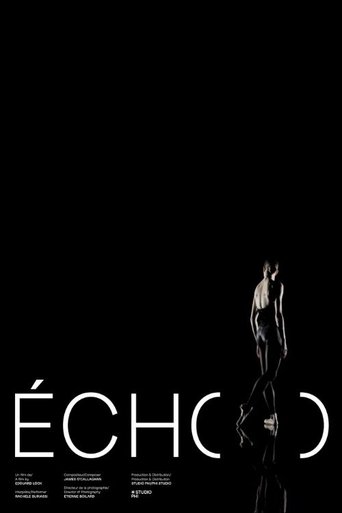
NRA lone ballerina dances with her reflection in Écho, a film directed by world-renowned choreographer Édouard Lock. Interpreted by the principal dancer of Les Grands Ballets Canadiens, Rachele Buriassi, this intimate solo piece was inspired by feelings of solitude experienced in lockdown. It begins with a ballerina in the familiar surroundings of a theatre, but the camera soon closes in on the figure and renders it almost abstract, disrupting one’s sense of time and space. An evocative score by James O’Callaghan enters into dialogue with Buriassi’s movements as she slips in and out of shadow and light, illusion and reality.
Écho
—
 NR
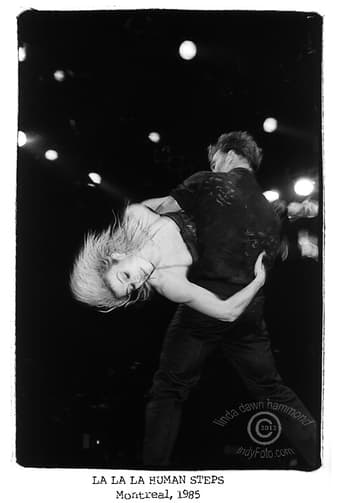
NRCanadas contemporary dance group La La La Human Steps performs Édouard Lock's "Human Sex" .
Human Sex
1985
Film credits
Behind the camera
7.8The multi-award-winning dance film Amelia (2002), directed and choreographed by Edouard Lock and performed by the acclaimed dance company La La La Human Steps, explores the use of point technique using extended intertwining solos, complex partnering sequences and extreme speed to generate powerful performances with unexpected moments of tender emotion and serenity.
Amelia
2003
NRA lone ballerina dances with her reflection in Écho, a film directed by world-renowned choreographer Édouard Lock. Interpreted by the principal dancer of Les Grands Ballets Canadiens, Rachele Buriassi, this intimate solo piece was inspired by feelings of solitude experienced in lockdown. It begins with a ballerina in the familiar surroundings of a theatre, but the camera soon closes in on the figure and renders it almost abstract, disrupting one’s sense of time and space. An evocative score by James O’Callaghan enters into dialogue with Buriassi’s movements as she slips in and out of shadow and light, illusion and reality.
Écho
—