
Acting
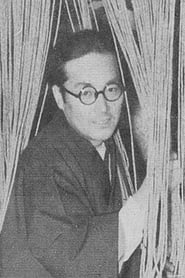
Ryūtarō Tatsumi
Born — Died
1905-04-20 — 1989-07-29
Place of birth
Ako, Hyōgo Prefecture, Japan
Known for
Acting
Credits
51 titles
Ryūtarō Tatsumi (辰巳柳太郎; April 20 1905 - July 29 1989) was a Japanese actor.
Known for
 NR
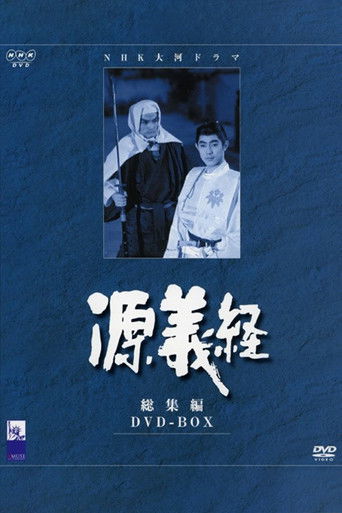
NRThe chronicles of the life of Minamoto no Yoshitsune (1159 - May 17th, 1189). He was a late Heian and early Kamakura general of the Minamoto clan of Japan. Yoshitsune was the ninth son of Minamoto no Yoshitomo. His older brother Minamoto no Yoritomo founded the Kamakura shogunate.
Minamoto no Yoshitsune
1966
 7.5
7.5In a small village in a valley everyone who reaches the age of 70 must leave the village and go to a certain mountain top to die. If anyone should refuse they would disgrace their family. Old Orin is 69. This winter it is her turn to go to the mountain. But first she must make sure that her eldest son Tatsuhei finds a wife.
The Ballad of Narayama
1983
 NR
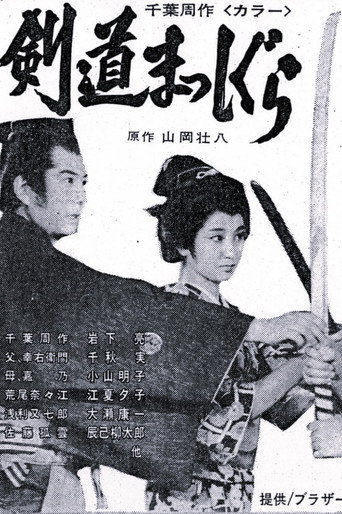
NRChiba Shusaku: Kendo Masshigura is a Japanese period drama that aired on the TBS network from November 2, 1970 to August 30, 1971 in the "Brother Gekijo" slot. It ran for 44 colour episodes of 30 minutes each. Based on Sohachi Yamaoka's novel "Chiba Shusaku", it depicts the youth of Chiba Shusaku, founder of the Hokushin Itto-ryu school of swordsmanship. A hot-blooded young man who calls himself Shusaku enters the dojo of Asari Matashichiro and, through encounters with all kinds of people, grows rapidly both in swordsmanship and in character. Produced by TBS and Shochiku. Rerun on the Japanese CS channel Jidaigeki Senmon Channel from March 17, 2025.
Chiba Shusaku: Kendo Masshigura
1970
 6.4
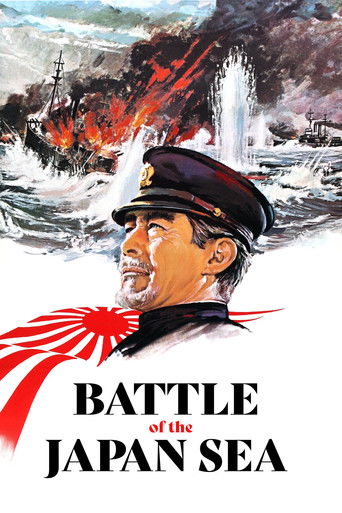
6.4Japan and Russia clash in what comes to be known as the Russo-Japanese War. An attempt by the Japanese fleet and army to take Port Arthur fails, and a Russian fleet bears down on the Sea of Japan. Admiral Heihachiro Togo sends his fleet to confront the Russians, with results which stun both nations. Meanwhile, Major Genjiro Akashi makes secret negotiations with the Bolshevik revolutionaries in Russia, negotiations that have repercussions far beyond the conflict at hand.
Battle of the Japan Sea
1969
 NR
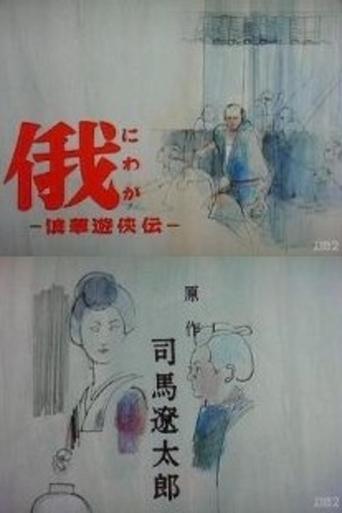
NRA dramatization of Ryotaro Shiba's novel of the same title about the life of Kobayashi Sahē, a chivalrous man who actually existed at the end of the Edo period.
Story of Yakuza in Naniwa
1970
 7.0
7.0A ronin desperately seeks a way out of financial straits; he allies with the Tosa clan under the ruthless leader Takechi, who quickly takes advantage.
Tenchu!
1969
Film credits
1980s · 5 titles
7.5In a small village in a valley everyone who reaches the age of 70 must leave the village and go to a certain mountain top to die. If anyone should refuse they would disgrace their family. Old Orin is 69. This winter it is her turn to go to the mountain. But first she must make sure that her eldest son Tatsuhei finds a wife.
The Ballad of Narayama
1983
 8.0
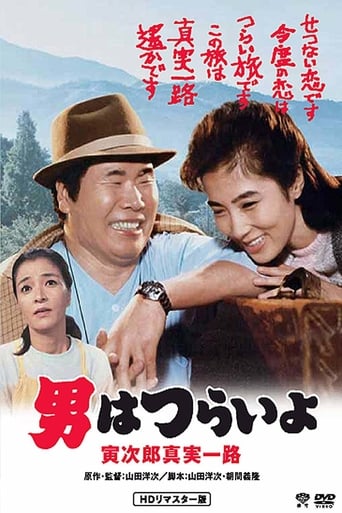
8.0Tora-san spends several days at the home of a hard-working salaryman ("salaried worker"), who abruptly disappears. When the man's wife asks Tora-san to help find him, he falls in love with her, and secretly hopes the husband will not be found.
Tora-san's Forbidden Love
1984
 8.0
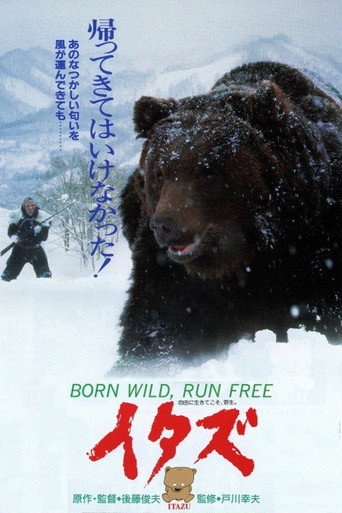
8.0Hunting master Ginzo kills a man-eating bear. When he finds out the bear had a cub, Ginzo decides to raise the cub, but the bear later becomes a troublemaker.
The Forest of the Little Bear
1987
 NR
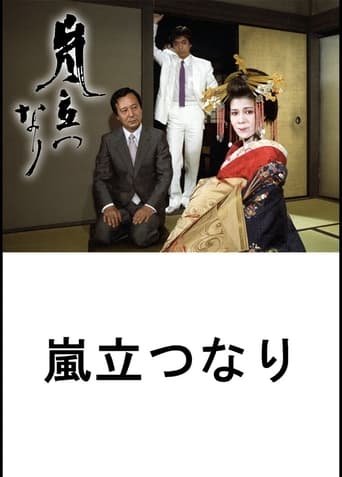
NRCan a woman love two men at the same time? Set against the backdrop of Kyoto's rich history, this story depicts a woman's difficult choice for love. Ayako, played by Yukiyo Toake, is an international conference coordinator. Torn between her childhood sweetheart (played by Kenji Sawada) and her English professor (played by Noboru Nakaya), Ayako will seek answers to love, marriage, and choice.
Arashi Tatsunari
1982
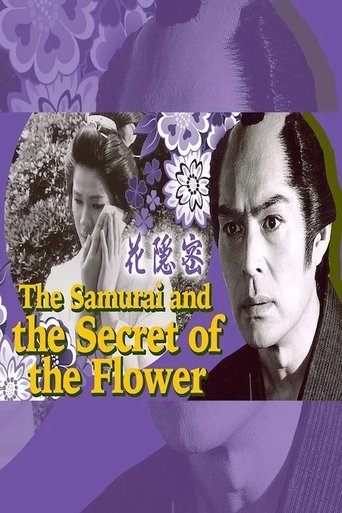 NR
NRDuring Ienari Tokugawa's period. Hanakurabe (a playful competition of poetry with flowers in this period) was held to please Shogun (General), and Shiroshobu of the Date family and Higoshobu of the Hosokawa family competed with each other. As a result, the Hosokawa family won and Yahei Tabuki of the Date family killed himself. At the funeral, a beautiful woman (Hibiko Maya) appeared in front of Yahei's son, Yazyuro (Tsuyoshi Kato). The woman said, "I am a woman of the Hosokawa family, and the person who killed your father" and left. To revenge father, he became "Hanaonmitsu" to make a better flower than Higoshobu.
The Samurai and the Secret of the Flower
1983
1970s · 13 titles
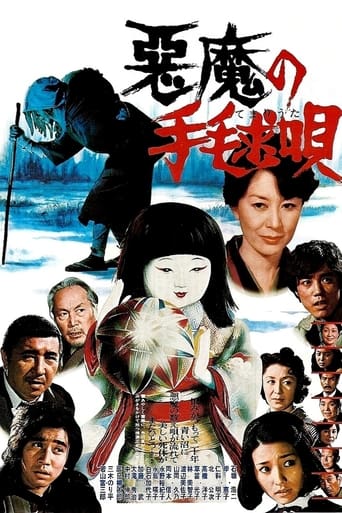 6.6
6.6Kôsuke Kindaichi, a somewhat peculiar private detective, visits a remote town. He meets a police detective and they start to investigate an old unsolved murder. Then some murders happen. Kindaichi must find out about the past in order to reveal who the murderer is.
Lullaby to Kill
1977
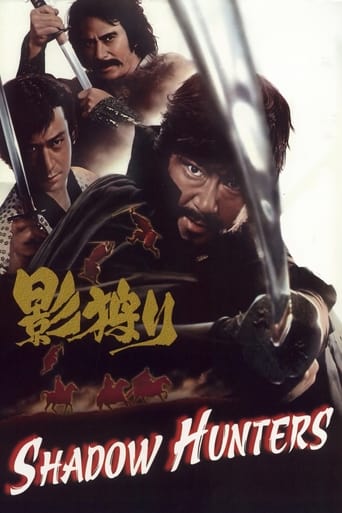 7.2
7.2Set during the declining years of the Tokugawa shogunate, Shadow Hunters details the questionably noble exploits of three ronin who act as "Shadow Hunters". These three ronin are not your normal ornery ruffians who are looking for a drink, a broad and someone to jab a sword into, but are in fact former samurai who, rather than follow their destroyed fiefs and murdered masters into death via seppuku, have dedicated their combined sword prowess to stopping the government from raping its daimyos for valuable resources.
Shadow Hunters
1972
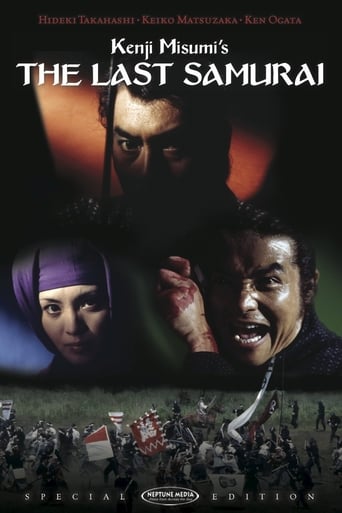 7.6
7.6The film follows the story of Sugi Toranosuke, a ronin, who returns to his home town of Edo many years after his attempted suicide as a sickly child. Rescued and adopted by a master swordsman, he has grown into a master swordsman and a very kind gentleman. The time is around 1868 the year that the nails were finally put into the coffin containing the feudal system that nurtured and sustained the samurai. Sugi is confused and unsure about what is happening but his teacher wants him out of the chaos of the multiple power struggles between the various clans.
The Last Samurai
1974
 10.0
10.0Toei studios last ninkyo eiga of the 70's.
Path of Japanese Chivalry: Story of All-Out Attack
1975
 7.0
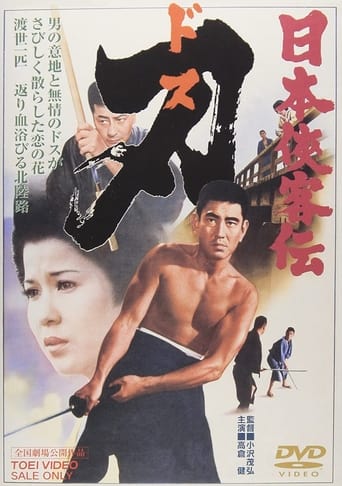
7.0No synopsis available yet.
Dagger
1971
 7.0
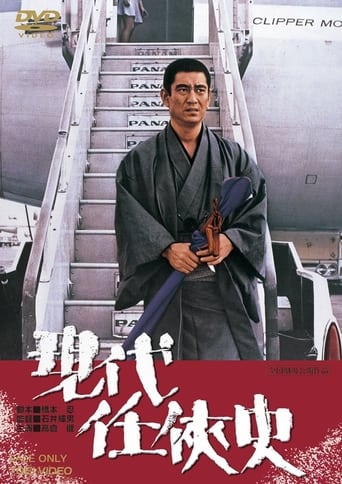
7.0In the roaring 1970s, a man who has left the world of the yakuza to become the owner of a sushi restaurant decides to rise up again when he sees his former family being overrun by a modern yakuza group from the Kansai region.
Yakuza of the Present
1973
 NR
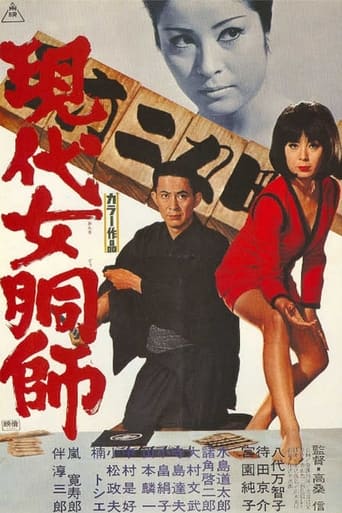
NRNo synopsis available yet.
Modern Sorority
1970
 5.8
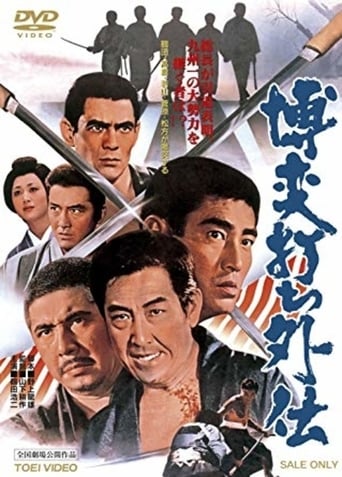
5.8When Omuro Yahachi of the Omuro family is selected as Mutsumikai Soke's successor, the conflict between the Kitakyushu and Wakamatsu begins.
The Pledge
1972
 NR
NRSet in Kawasaki in 1925, Challenge at Dawn is based on the Tsurumi Riot Incident, which actually ocurred in Yokohama that year and was sparked by corruption and yakuza involvement in the construction industry.
Challenge at Dawn
1971
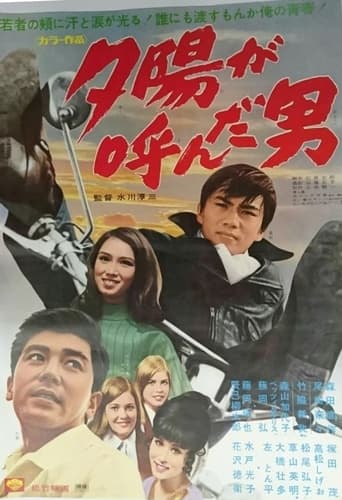 NR
NRContrast between two outlooks on life: one of a poor factory worker and the other the heir to millions.
The Sunset is Calling Me
1970
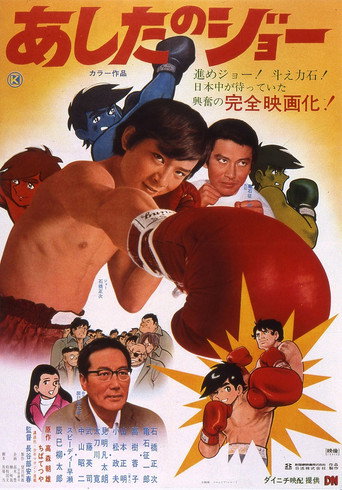 6.0
6.0No synopsis available yet.
Tomorrow's Joe
1970
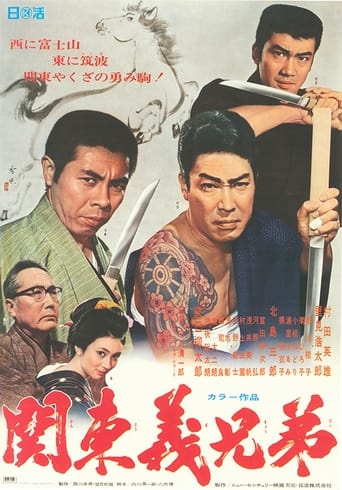 NR
NRThe beginning of the Showa period. A town in the Kanto region. During the autumn festival, a car from Daihoji Senzo hit a child and left. Upon hearing this, Shogoro Chiba's boss tried to pay for the medical treatment of Kenbo, but Senzo ordered his child Gentaro to claim damages to the car and ruined Shogoro's gambling house.
The Fearless Brotherhood Duet of Kanto
1970
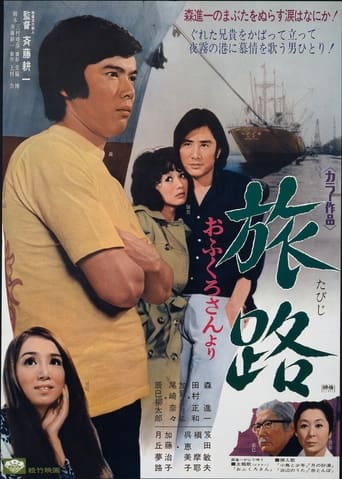 NR
NRBased on Shinichi Mori song
Tabiji: ofukuro-san yori
1971
1960s · 17 titles
6.4Japan and Russia clash in what comes to be known as the Russo-Japanese War. An attempt by the Japanese fleet and army to take Port Arthur fails, and a Russian fleet bears down on the Sea of Japan. Admiral Heihachiro Togo sends his fleet to confront the Russians, with results which stun both nations. Meanwhile, Major Genjiro Akashi makes secret negotiations with the Bolshevik revolutionaries in Russia, negotiations that have repercussions far beyond the conflict at hand.
Battle of the Japan Sea
1969
7.0A ronin desperately seeks a way out of financial straits; he allies with the Tosa clan under the ruthless leader Takechi, who quickly takes advantage.
Tenchu!
1969
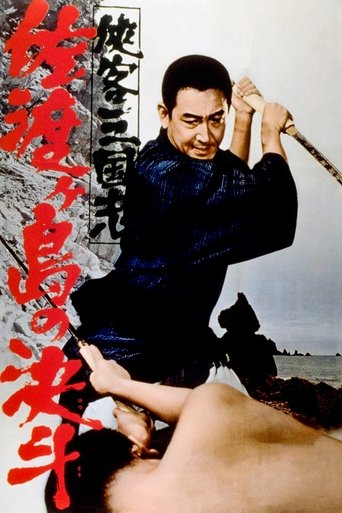 NR
NRNo synopsis available yet.
Kingdom of Samurai
1966
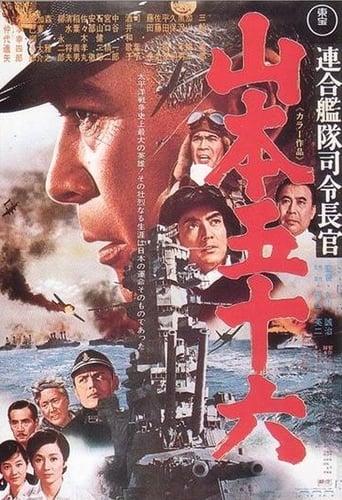 8.5
8.5As Japan joins in a political pact with Nazi Germany and fascist Italy, Admiral Isoroku Yamamoto is appointed supreme commander of the Japanese fleet. With Japan headed inexorably toward war, Yamamoto, despite his misgivings, believes the only possible victory lies in destroying the American fleet by surprise at Pearl Harbor. The attack succeeds, but fails to sink the American carrier fleet. Thus Yamamoto must lead the Japanese navy into war with ever-diminishing likelihood of success.
Admiral Yamamoto
1968
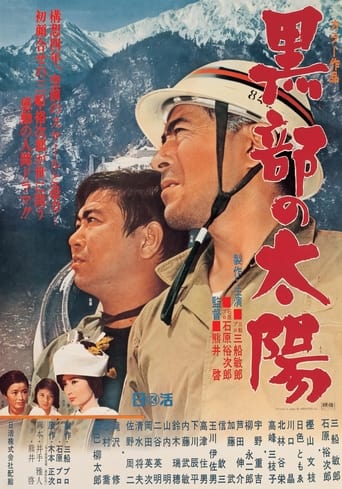 7.0
7.0Kitagawa is an engineer charged with construction of a gigantic tunnel through the Japan Alps for the transportation of equipment in the building of the massive Kurobe Dam. The tunnel crosses an earthquake fault and Kitagawa is beleaguered not only by cave-ins and flooding, but by strife between management and the workers's union. Adding to Kitagawa's stress is the knowledge that as his attention is pulled inexorably toward the tunnel construction, his youngest daughter is dying from leukemia.
The Sands of Kurobe
1968
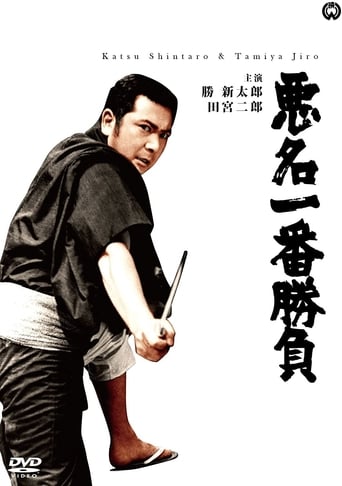 8.0
8.0No synopsis available yet.
Bad Reputation: Showdown of the Best
1969
 6.0
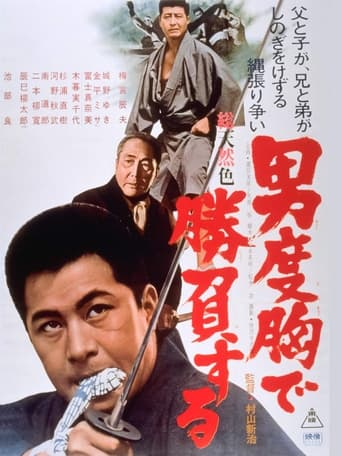
6.0A young yakuza who respects obligation and humanity must face cruel and heartless turf wars leading to a fight to the death with his own brother.
Nerves for Victory
1966
 9.0
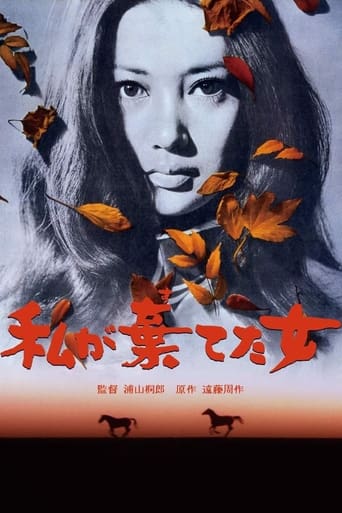
9.0Tsutomu Yoshioka, a Tokyo office worker, is engaged to Mariko, the niece of his company's president. But Yoshioka has a crisis of consence when he remembers his former love Mitsu, a rural girl whom he met and later left while in college. Shimako, a former friend, persuades Yoshioka to meet with Mitsu while she plots to blackmail Yoshioka by photographing the meeting to break up Mariko and Yoshioka.
The Girl I Abandoned
1969
 8.0
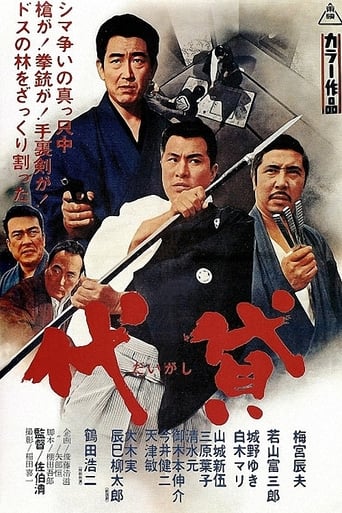
8.0The three henchmen join forces to challenge the brutal gang that is trying to control the city of Izu in Shizuoka during the early Showa period. Representatives of three different yakuza gangs - Tatsuo Umemiya, Tomisaburo Wakayama and Koji Tsuruta celebrate male friendship and male chivalry in action.
Henchmen
1968
 9.0
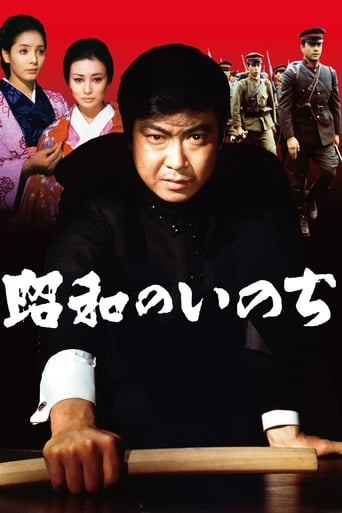
9.0The early years of the Showa period were turbulent times for Japan. The country suffered financial crisis and famine, women worked under intolerable employment conditions, and political corruption was a major issue. Out of fear that the great nation would soon fall, a group of young patriotic men gathered to lay out plans to assassinate the crooked politicians. One of these young terrorists was Shinsuke Kusaka. He receives orders to kill the Prime Minister.
Man of a Stormy Era
1968
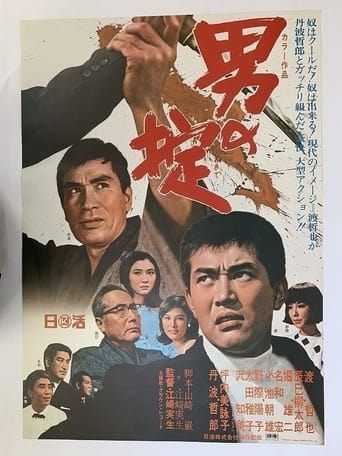 7.0
7.0Tetsuya Watari, a modern youth idol, co-stars with Tetsuro Tamba for the first time, and a young man who survives freely is an action giant who swings down the iron arm of justice and anger toward evil
The Code of Man
1968
 7.0
7.0With his penultimate film, Uchida revisited one of his popular prewar titles, 1936’s Theatre of Life, an adaptation of Shiro Ozaki’s eponymous novel. Three-time Seijun Suzuki collaborator Goro Tanada wrote a gangsterized adaptation of Ozaki’s story for Uchida at a time when the yakuza had eclipsed the samurai genre as Toei's main cash crop. Protagonist Hishakaku murders a man in a quarrel over a barmaid and goes to jail. In his temporary absence, his girlfriend Otoyo, a former geisha, falls for Hishakaku’s brother, inciting a dangerous love triangle that, in typical yakuza fashion, ends tragically.
Hishakaku and Kiratsune: A Tale of Two Yakuza
1968
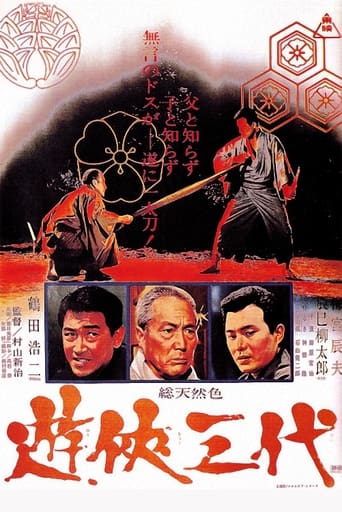 NR
NRThe film depicts the fate of a young yakuza boss and his father, who confront each other, not knowing that they are relatives, and become victims of a brutal war for territory between the clans according to the merciless laws of the yakuza.
Three Generations of Yakuza
1966
A television drama based on "Shirano Benjuro", a translation of the play "Cyrano de Bergerac" by Edmond Rostand .
Cyrano de Bergerac
1965
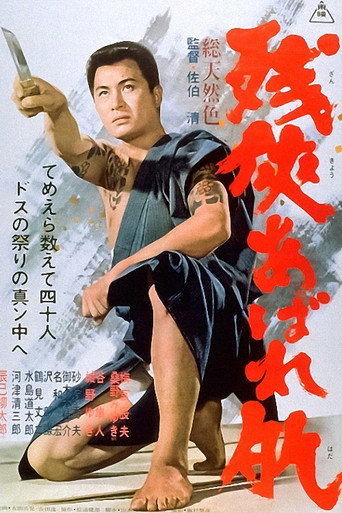 NR
NRIt has been 5 years since Eijiro Kikukawa of the Asakusa Kaminarimon family killed the head of the Suzaki family. Finally he gets out of prison and comes to the city of Odahama, where he had a mistress, Okei, whom he could not forget. He accidentally helped a man named Hanji from the Kurokane family and was received by the family as a guest. And soon Eijiro is involved in a showdown between the yakuza families.
Wild Spirit
1967
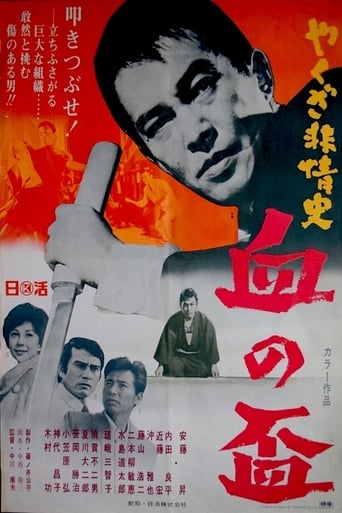 NR
NRSecond delivery in the "Yakuza Hijoshi" series. The protagonist, played by Ando Noboru, is torn between the organization and his old friends.
Fill the Cup with Blood
1969
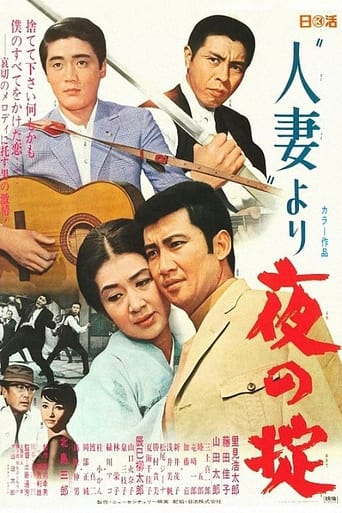 NR
NRThe film takes place in Yokohama, a night city where you can revel in the neon mood. A bartender who wants to become a singer and a beautiful married woman burn fierce and ephemeral love in a confrontation with a ruthless yakuza.
Married Woman: Another Law of the Night
1969
1950s · 12 titles
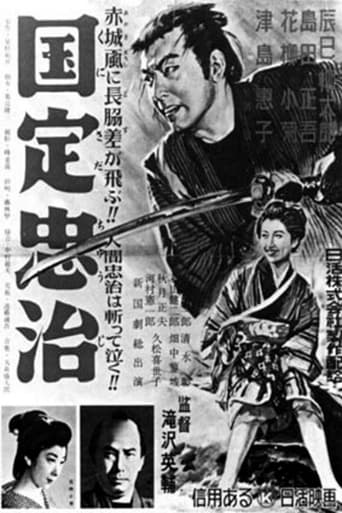 9.0
9.0Kunisada Tadaharu, a peasant of Kunisada Village in Joshu Sai County, could not stand the bad government and poor harvest of Takebe Genhan, the governor of the time. entered the world of As he played more and more games at the gambling hall, he became feared as "Chuji the gambling robber", and became a boss who had a share of Inui such as Nikko's Enzo and Shimizu's Kentetsu. However, due to a disagreement, he killed his benefactor Isaburo Boss, and was abandoned by Yasugoro and was chased. However, Chuji cleverly took advantage of the peasant uprising, shut himself up on Mt. Akagi, opened a gambling hall, and was touted as the greatest boss in the Kanto region. The magistrate, who learned of the close relationship between the peasants and Chuji, finally arranged for Chuji to go on a trip. Chuji, who doesn't know that he was weighed, gleefully descends the mountain, but...
Kunisada Chūji
1954
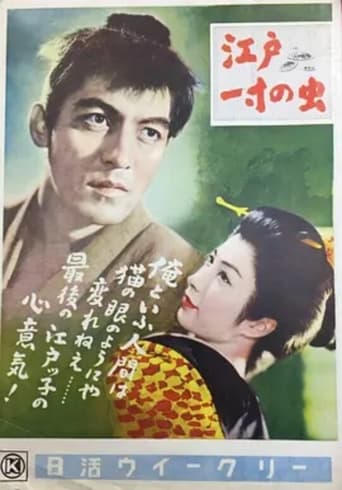 6.0
6.0This historical film depicts the life of a man who was at the mercy of the waves during transition from the end of the Edo period to the Meiji Restoration, and therefore, shows audience the dynamic change from Edo to Meiji. Before the war, the director, Eisuke Takizawa, together with the writers, formed a scenario writer group "Narutaki-gumi and they shot many historical masterpieces.
The Samurai of Edo
1955
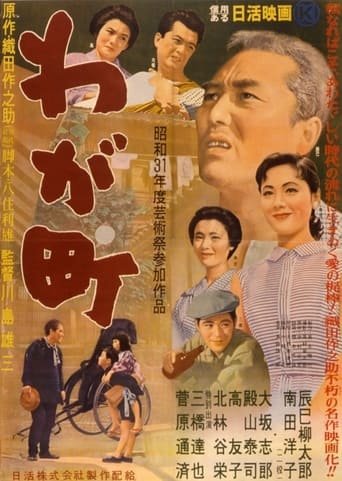 6.9
6.9In 1906, after finishing a tough migrant job in the Philippines, Takichi has returned to Japan. He starts to work as a rickshaw driver, but his lover had died of an illness, leaving a baby girl, Hatsue. Hatsue grows up beautifully and falls in love with Shintaro. But Takichi objects to their relationship...
Our Town
1956
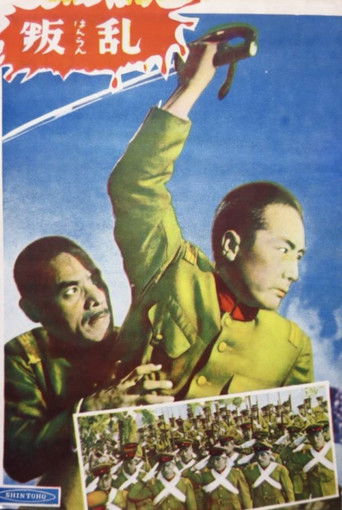 NR
NRNo synopsis available yet.
Hanran
1954
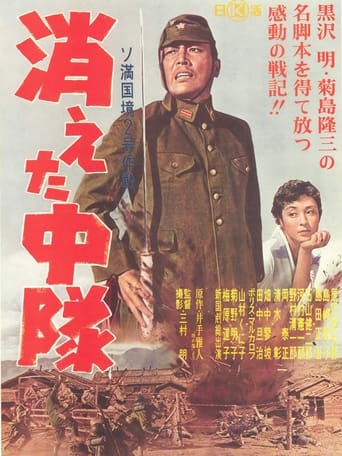 7.0
7.0In June 1941, Captain Kagawa (Ryutaro Tatsumi), who had just graduated from the military academy, was assigned as the captain of a sentry patrol in Beiman, which was located on the opposite side of the Heilongjiang River from the Semidomka region of the Soviet Union. His predecessor, Lieutenant Kishi (Kawamura Kenichiro), a mild-mannered middle-aged man, had earned the trust of his men and the villagers by relaxing his military duties. However, newly appointed Lieutenant Kagawa thinks that Kishi's way of doing things is sloppy and begins to train the soldiers furiously in order to teach them a lesson.
Vanished Enlisted Man
1955
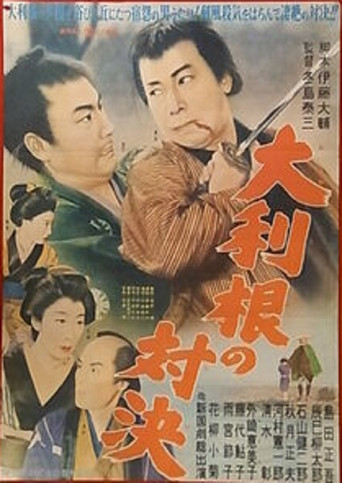 NR
NRIn the town of Yumoto, Asakichi, a left-arm-less gambler who had been winning at the gambling hall, was attracted by the sound of a faintly heard storyteller, Saman, and left his seat. Asakichi was fascinated by the voice of Oyasu, who sounded exactly like his wife Ochiyo, who had died three years earlier. Asakichi told Oyasu that Ochiyo had fled with him to his home town of Omigawa just before he was deposed by the samurai Shingo Inaba, but that he had put her through a lot of hardship to make her die. Oyasu's husband Tokujiro was a palace carpenter in Edo, but his skills were damaged and he came to take a cure. Asakichi heard about Oyasu's story and offered him money, and Tokujiro's arm was almost completely healed by Oyasu's nursing care.
Ootone no Taiketsu
1955
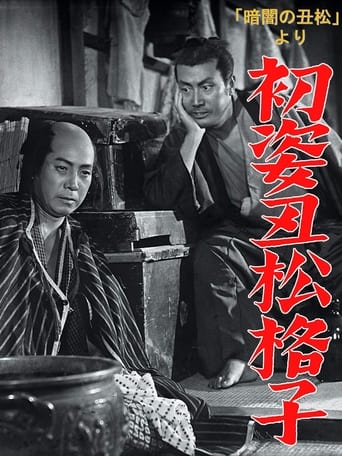 NR
NRFukagawa's chef Ushimatsu of the restaurant Kawatake fell in love with a maid named Omame and changed dramatically. He stopped gambling and womanizing much to the surprise of his friends. As their wedding day approached, Minosuke who had long been infatuated with Omame threatened her mother Okuma by using a promissory note for three ryō that he lent to her.
Hatsu sugata ushimatsu gōshi
1954
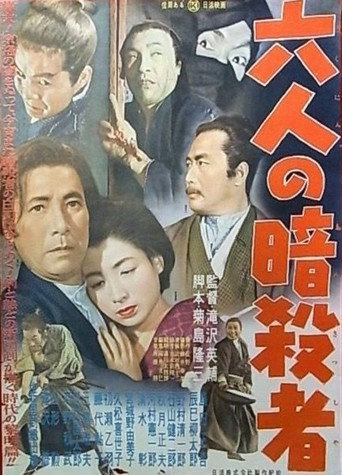 9.0
9.0No synopsis available yet.
Six Assassins
1955
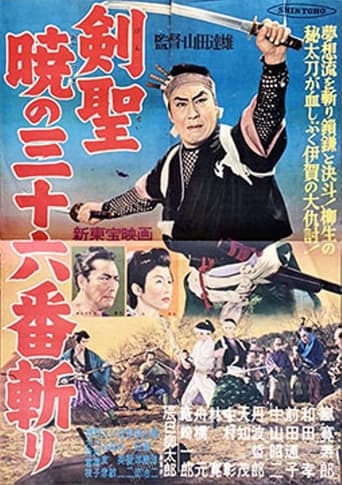 NR
NRNo synopsis available yet.
剣聖 暁の三十六番斬り
1957
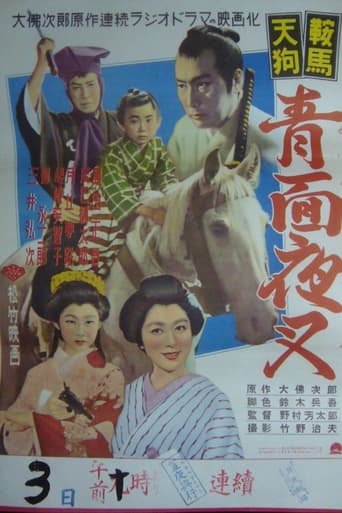 NR
NRAt the end of the Edo period - On his way back after being invited by the three Mikados of Higashi Shirakawa, Kurama Tengu was attacked by the Shinsengumi. Given the circumstances, he began to suspect a connection between the Mikado and the Shinsengumi.
Kurama tengu: Aomen yasha
1953
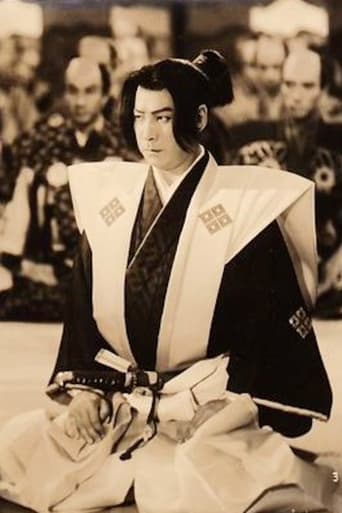 NR
NRAs the reputation of Sasaki Kojiro, who traveled through various provinces with his long sword seeking duels, began to spread, he was summoned by Lord Hosokawa Sansai upon the recommendation of Kokura clan warrior Iwama Kakubei. However, at this time, due to the proposal by Nagaoka Sado, it was agreed that Kojiro would face Miyamoto Musashi in a duel. If he won, Kojiro would officially become the chief instructor, as he desired. Until then, he had a provisional stipend of 500 koku. Learning that Musashi was in Kyoto, Kojiro set off for the city. En route, he was joined by a woman named Shino, who held a grudge against Musashi.
武蔵と小次郎
1952
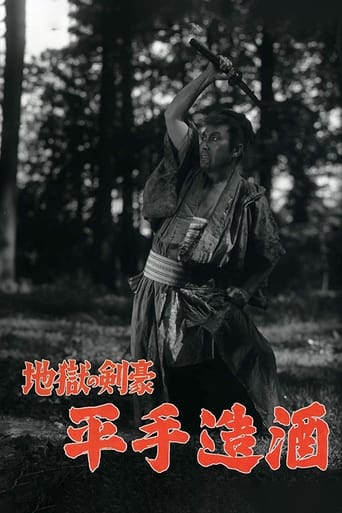 NR
NRThe man is chased by losing the beauty and preciousness of love and the foundation of life without overcoming the hardship of life.
Hirate Miki the Swordman
1954
1940s · 1 titles
Series credits
NRThe chronicles of the life of Minamoto no Yoshitsune (1159 - May 17th, 1189). He was a late Heian and early Kamakura general of the Minamoto clan of Japan. Yoshitsune was the ninth son of Minamoto no Yoshitomo. His older brother Minamoto no Yoritomo founded the Kamakura shogunate.
Minamoto no Yoshitsune
1966
NRChiba Shusaku: Kendo Masshigura is a Japanese period drama that aired on the TBS network from November 2, 1970 to August 30, 1971 in the "Brother Gekijo" slot. It ran for 44 colour episodes of 30 minutes each. Based on Sohachi Yamaoka's novel "Chiba Shusaku", it depicts the youth of Chiba Shusaku, founder of the Hokushin Itto-ryu school of swordsmanship. A hot-blooded young man who calls himself Shusaku enters the dojo of Asari Matashichiro and, through encounters with all kinds of people, grows rapidly both in swordsmanship and in character. Produced by TBS and Shochiku. Rerun on the Japanese CS channel Jidaigeki Senmon Channel from March 17, 2025.
Chiba Shusaku: Kendo Masshigura
1970
NRA dramatization of Ryotaro Shiba's novel of the same title about the life of Kobayashi Sahē, a chivalrous man who actually existed at the end of the Edo period.
Story of Yakuza in Naniwa
1970