
Known for
 6.1
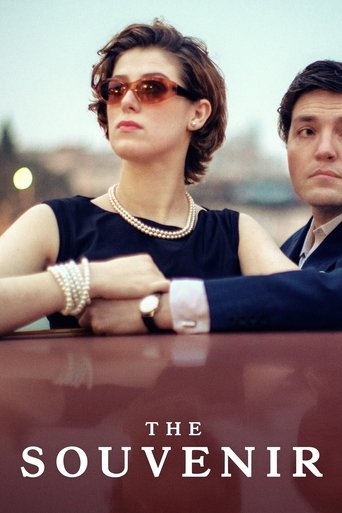
6.1A shy but ambitious film student falls into an intense, emotionally fraught relationship with a charismatic but untrustworthy older man.
The Souvenir
2019
 7.7
7.7First broadcast in 1987 on the UK's Channel 4, Bombin' is a documentary about Afrika Bambaataa's Zulu nation bringing American hip-hop culture to the UK for first time. The main focus is the graffiti art of Brim and the variety of reactions he is faced with from the British public and press.
Bombin'
1987
 7.0
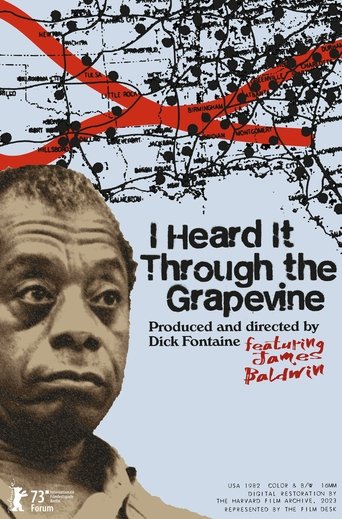
7.0Renowned Black writer James Baldwin retraces his time in the South during the Civil Rights Movement, reflecting with his trademark brilliance and insight on the passage of more than two decades. From Selma and Birmingham and Atlanta; to the battleground beaches of St. Augustine, Florida, with Chinua Achebe; and back north for a visit to Newark with Amiri Baraka, Baldwin lays bare the fiction of progress in post–Civil Rights America, wondering “what happened to the children” and those 'who did not die, but whose lives were smashed on Freedom Road'.
I Heard It Through the Grapevine
1982
 NR
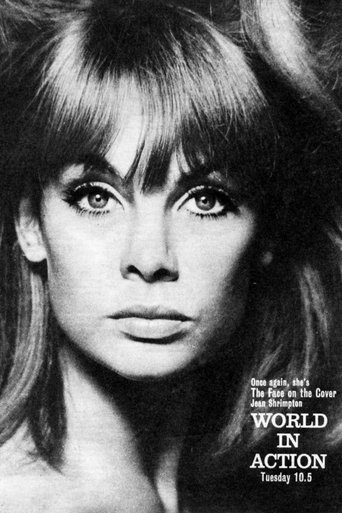
NRThe life of the world’s top model Jean Shrimpton and her svengali photographer David Bailey.
The Face on the Cover
1964
 8.5
8.5Beat This: A Hip-Hop History is a 1984 BBC documentary film about hip-hop culture, directed by Dick Fontaine. The cast includes Afrika Bambaataa, DJ Kool Herc — the film includes footage from Herc's original dance parties — The Cold Crush Brothers, Jazzy Jay, Brim Fuentes, and The Dynamic Rockers. It is narrated by Imhotep Gary Byrd. Originally part of the Arena television series, it was among the first crop of documentaries about hip-hop.
Beat This!: A Hip Hop History
1984
 NR
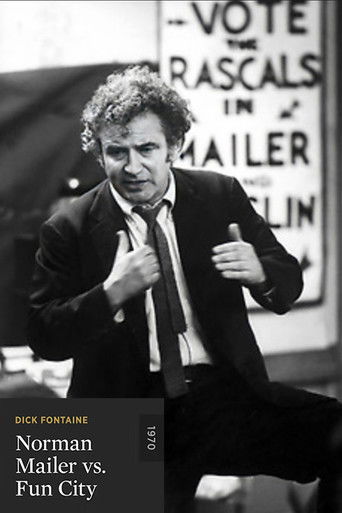
NRDick Fontaine documents Norman Mailer’s 1969 bid for the Mayor’s office in New York City. Accompanied by his running mate, Jimmy Breslin, Mailer charismatically works the press and the public with a provocative platform that ultimately fails.
Norman Mailer vs. Fun City
1970
Film credits
Behind the camera
7.7First broadcast in 1987 on the UK's Channel 4, Bombin' is a documentary about Afrika Bambaataa's Zulu nation bringing American hip-hop culture to the UK for first time. The main focus is the graffiti art of Brim and the variety of reactions he is faced with from the British public and press.
Bombin'
1987
7.0Renowned Black writer James Baldwin retraces his time in the South during the Civil Rights Movement, reflecting with his trademark brilliance and insight on the passage of more than two decades. From Selma and Birmingham and Atlanta; to the battleground beaches of St. Augustine, Florida, with Chinua Achebe; and back north for a visit to Newark with Amiri Baraka, Baldwin lays bare the fiction of progress in post–Civil Rights America, wondering “what happened to the children” and those 'who did not die, but whose lives were smashed on Freedom Road'.
I Heard It Through the Grapevine
1982
7.0Renowned Black writer James Baldwin retraces his time in the South during the Civil Rights Movement, reflecting with his trademark brilliance and insight on the passage of more than two decades. From Selma and Birmingham and Atlanta; to the battleground beaches of St. Augustine, Florida, with Chinua Achebe; and back north for a visit to Newark with Amiri Baraka, Baldwin lays bare the fiction of progress in post–Civil Rights America, wondering “what happened to the children” and those 'who did not die, but whose lives were smashed on Freedom Road'.
I Heard It Through the Grapevine
1982
NRThe life of the world’s top model Jean Shrimpton and her svengali photographer David Bailey.
The Face on the Cover
1964
NRThe life of the world’s top model Jean Shrimpton and her svengali photographer David Bailey.
The Face on the Cover
1964
8.5Beat This: A Hip-Hop History is a 1984 BBC documentary film about hip-hop culture, directed by Dick Fontaine. The cast includes Afrika Bambaataa, DJ Kool Herc — the film includes footage from Herc's original dance parties — The Cold Crush Brothers, Jazzy Jay, Brim Fuentes, and The Dynamic Rockers. It is narrated by Imhotep Gary Byrd. Originally part of the Arena television series, it was among the first crop of documentaries about hip-hop.
Beat This!: A Hip Hop History
1984
NRDick Fontaine documents Norman Mailer’s 1969 bid for the Mayor’s office in New York City. Accompanied by his running mate, Jimmy Breslin, Mailer charismatically works the press and the public with a provocative platform that ultimately fails.
Norman Mailer vs. Fun City
1970
 6.0
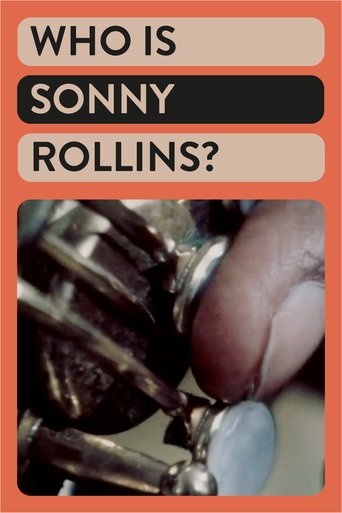
6.0A portrait of jazz saxophonist Sonny Rollins during a period of self-exile, filmed practicing and reflecting on music, politics, and artistic independence across New York City.
Who Is Sonny Rollins?
1968
6.0A portrait of jazz saxophonist Sonny Rollins during a period of self-exile, filmed practicing and reflecting on music, politics, and artistic independence across New York City.
Who Is Sonny Rollins?
1968
 NR
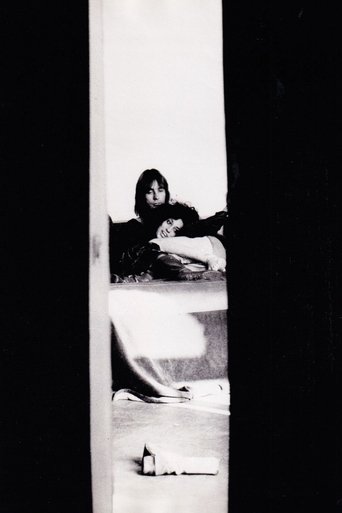
NROne of the human trio is Dick Fontaine, the director, a thin, long-haired youth who has put together this highly personal exercise on something or other that runs, mercifully, for 58 minutes and comes from an English group of movie folk called the Tattooists. The second visitor to the animal abattoir is a pretty girl. The third is a porky, middle-aged man addicted to the expression, "Ya know?" The two men carry on a running argument about whether they should make a picture about pigs. "Are we making a movie, ya know?" says Fatso. "Where is it, ya know?" Then a bit later: "I'm making a movie about pigs, ya know?"
Double Pisces, Scorpio Rising
1970
NROne of the human trio is Dick Fontaine, the director, a thin, long-haired youth who has put together this highly personal exercise on something or other that runs, mercifully, for 58 minutes and comes from an English group of movie folk called the Tattooists. The second visitor to the animal abattoir is a pretty girl. The third is a porky, middle-aged man addicted to the expression, "Ya know?" The two men carry on a running argument about whether they should make a picture about pigs. "Are we making a movie, ya know?" says Fatso. "Where is it, ya know?" Then a bit later: "I'm making a movie about pigs, ya know?"
Double Pisces, Scorpio Rising
1970
 NR
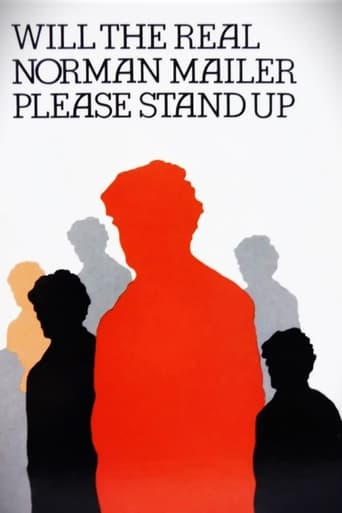
NRPortrait of Norman Mailer at the time of the Pentagon demonstrations in 1967, documenting Mailer's involvement and arrest, together with two TV appearances and shooting on the set of his second film 'Beyond the Law'.
Will the Real Norman Mailer Please Stand Up?
1968
A satire on celebrity with a cacophony of gossip merchants, publicists, and “a host of stars.”
Heroes
1967
 NR
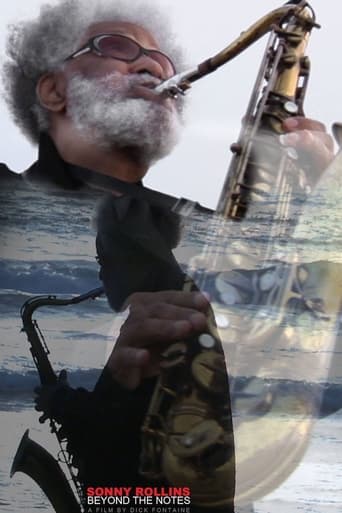
NRSonny Rollins: Beyond the Notes uses his 80th birthday concert to look into the man and his music.
Sonny Rollins: Beyond the Notes
2012
NRSonny Rollins: Beyond the Notes uses his 80th birthday concert to look into the man and his music.
Sonny Rollins: Beyond the Notes
2012
 NR
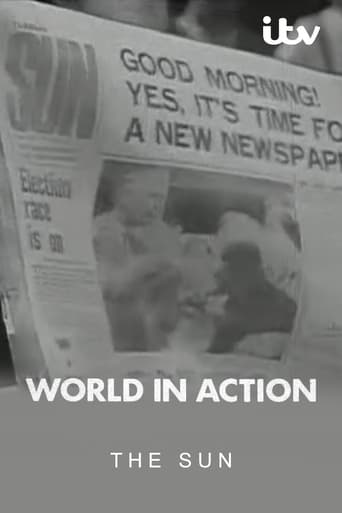
NRThe end of the 'Daily Herald' and the beginning of a new daily paper, 'The Sun'. Also a portrait of its first editor, Hugh Cudlipp.
The Sun
1964
NRThe end of the 'Daily Herald' and the beginning of a new daily paper, 'The Sun'. Also a portrait of its first editor, Hugh Cudlipp.
The Sun
1964
 NR
NRBBC TV Special from 1988.
Cleo Sings Sondheim
1988
 8.5
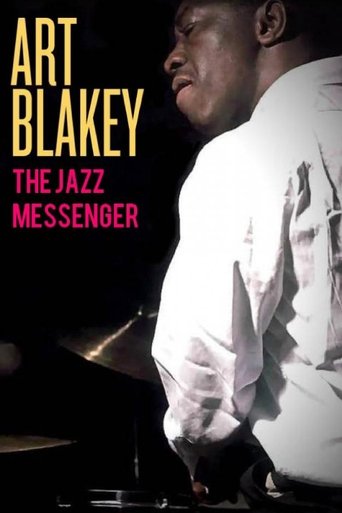
8.5A portrait of inspirational jazz drummer and teacher Art Blakey with Dizzy Gillespie, many pupils including Wayne Shorter, the Marsalis brothers, and a surprising new generation of musicians and dancers.
Art Blakey: The Jazz Messenger
1988
Although Rahsaan Roland Kirk and John Cage never actually meet in this film (Cage's enigmatic questions about sound are intercut with some of Kirk's more ambitious experiments with it) these two very different musical iconoclasts share a similar vision of the boundless possibilities of music.
Sound??
1966
 NR
NRInterview with Jacques Tati on the set of his 1967 film "PlayTime". Produced for the British television program "Tempo International".
Tativille
1966
In Paris in the spring of 1966, Ornette Coleman, controversial Free Jazz composer, wrote and recorded the soundtrack for a Living Theatre project, a film entitled Who's crazy? This documentary short is a record of the two days Ornette spent in the studio making music with collaborators, virtuoso bass player David Izenson (formerly of the NBC Symphony Orchestra) and drummer Charles Moffett. Ornette plays alto, violin, trumpet and piano and introduces his haunting ballad "Sadness." When not performing, the artists discuss the precariousness of the musical life, the price of artistic freedom and personal fulfillment, and in the cases of Ornette and Moffett, the pain of discrimination.
David, Moffett, and Ornette: The Ornette Coleman Trio
1966
Report on the death in San Quentin prison, California, on 21 August 1971 of six men including black militant, George Jackson, whose funeral was an occasion for oration by Black Panther leaders including Bobby Seale and Huey P. Newton.
Death of a Revolutionary
1972
A physique short starring two muscle-bound actors
Cell Mates
1968