

Directing
Seiichirō Yamaguchi
Born — Died
1938-03-10 — 2007-11-10
Place of birth
Shinagawa, Tokyo Prefecture, Japan
Known for
Directing
Credits
8 titles
Japanese film director and screenwriter.
Known for
 7.2
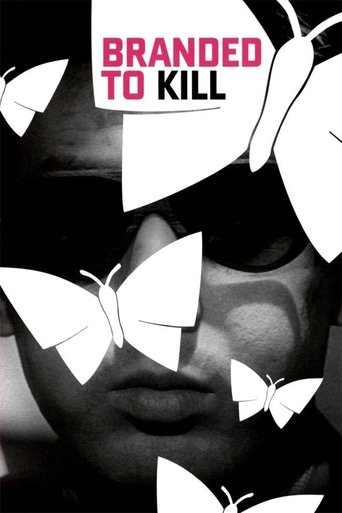
After botching his latest assignment, a third-ranked Japanese hit man becomes the target of another assassin.
Branded to Kill
1967
 4.4
Toda, a disillusioned journalist that was once a part of the student movement, recalls his former youth when he meets a confident young woman through his work.
Love Hunter: Lust
1973
 NR
Post World War II, Minoru lives by selling supplies that had been stolen from the U.S. military. One day, he is arrested due to the plotting of Kurahata, a member of the Yakuza who doesn't like him.
Records of Bloodshed
1970
 4.8
Kyōko is a woman with a promiscuous past who is sexually unsatisfied with her marriage. Her frustrations lead her to have hedonistic dreams, such as her mother and grandfather having sex together. Seeking to rejuvenate her marriage, she throws a wild party. The ploy is a success.
Love Hunter
1972
 5.3
A prostitute and her lover go on the run after killing her pimp.
Wet Lips
1972
 5.5
This biopic is centered on New Year's Day of 1894, when Kitamura is recovering from a suicide attempt. Japan is then under the spell of fervent patriotism because the government wants to build up public support for a war with China. Kitamura's literary friends and militant comrades come to visit. They wonder why Kitamura wants to kill himself. Kitamura at first refuses to receive them, then he sits down with them and looks back on his days as a civil rights militant, his stormy love life and his ardent but destructive desire to live literature to the full.
Kitamura Tokoku: My Winter Song
1977
Behind the camera
7.2After botching his latest assignment, a third-ranked Japanese hit man becomes the target of another assassin.
Branded to Kill
1967
4.4Toda, a disillusioned journalist that was once a part of the student movement, recalls his former youth when he meets a confident young woman through his work.
Love Hunter: Lust
1973
4.4Toda, a disillusioned journalist that was once a part of the student movement, recalls his former youth when he meets a confident young woman through his work.
Love Hunter: Lust
1973
NRPost World War II, Minoru lives by selling supplies that had been stolen from the U.S. military. One day, he is arrested due to the plotting of Kurahata, a member of the Yakuza who doesn't like him.
Records of Bloodshed
1970
4.8Kyōko is a woman with a promiscuous past who is sexually unsatisfied with her marriage. Her frustrations lead her to have hedonistic dreams, such as her mother and grandfather having sex together. Seeking to rejuvenate her marriage, she throws a wild party. The ploy is a success.
Love Hunter
1972
5.3A prostitute and her lover go on the run after killing her pimp.
Wet Lips
1972
5.5This biopic is centered on New Year's Day of 1894, when Kitamura is recovering from a suicide attempt. Japan is then under the spell of fervent patriotism because the government wants to build up public support for a war with China. Kitamura's literary friends and militant comrades come to visit. They wonder why Kitamura wants to kill himself. Kitamura at first refuses to receive them, then he sits down with them and looks back on his days as a civil rights militant, his stormy love life and his ardent but destructive desire to live literature to the full.
Kitamura Tokoku: My Winter Song
1977