
Directing
Jamsheed Akrami
Acting credits
Behind the camera
 5.6
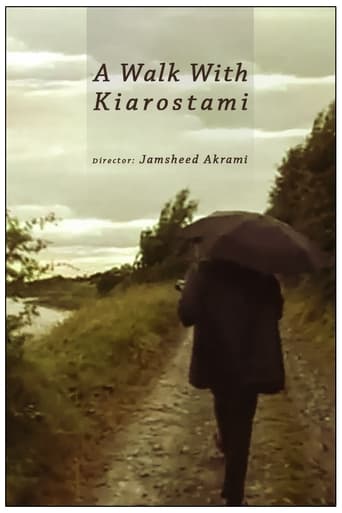
5.6U.S.-based film professor Jamsheed Akrami talks to Iranian master Abbas Kiarostami in an inpromptu video interview, which offers a frank and funny view of Kiarostami rarely seen before.
A Walk with Kiarostami
2003
5.6U.S.-based film professor Jamsheed Akrami talks to Iranian master Abbas Kiarostami in an inpromptu video interview, which offers a frank and funny view of Kiarostami rarely seen before.
A Walk with Kiarostami
2003
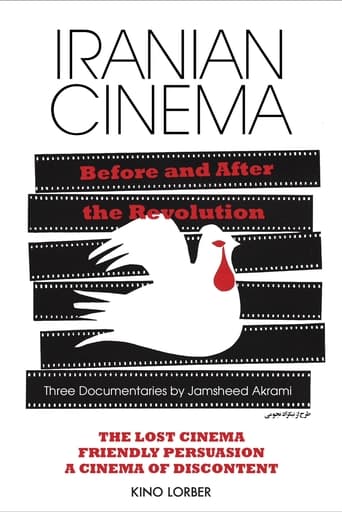
A Documentary chronicling the development of Iranian cinema before and after the 1979 Islamic Revolution.
Dreams Betrayed
—
 6.5
6.5Documentary about the renaissance of filmmaking in Iran.
Friendly Persuasion: Iranian Cinema After the 1979 Revolution
2001
 6.0
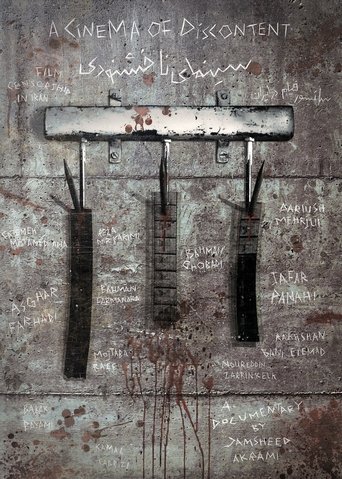
6.0The international success of Iranian cinema over the past decades may have veiled the fact that Iranian filmmakers work under extremely harsh circumstances rarely seen in other national cinemas. Filmmaking in Iran is subject to tight government controls and strict censorship codes ranging from banning any criticism of the regime to highly restrictive codes on representation of women and their interactions with men. The imposed codes have undermined the creativity of the filmmakers and their ability to tackle pressing social issues.
A Cinema of Discontent
2013
 NR
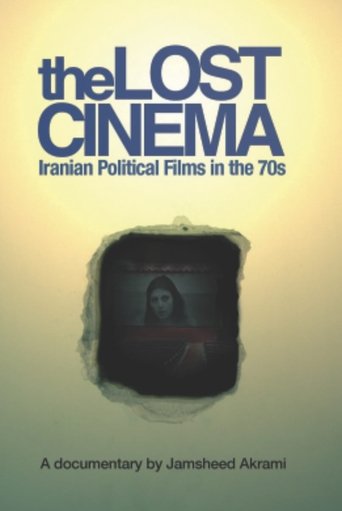
NRThe Lost Cinema is a film essay on the Iranian New Wave, a film movement which blossomed in the 70s as a protest against a local film industry dominated by shallow, socially uninformed domestic films and excessive exhibition of Hollywood and European imports. Despite the movement’s contribution to the political awareness of the Iranian middle class, the New-Wave films, along with all other pre-revolutionary titles, were banned due to their non-conformity to the severely restrictive censorship codes imposed by the Islamic government after the 1979 Revolution. The ban has effectively shelved half a century of film heritage in Iran.
The Lost Cinema: Iranian Political Films in the 70s
2007