
Directing
Saul Landau
Born — Died
1936-01-15 — 2013-09-09
Known for
Directing
Credits
43 titles
Known for
Mordant, self-aware, freighted with sensitivity toward Chile’s problem, wary of caricature, disposed toward consciousness of human fallibility, it is a deft blend of fiction and documentary set in the tumultuous days leading up to the election of Salvador Allende in 1970.
What Is to Be Done?
1972
 6.5
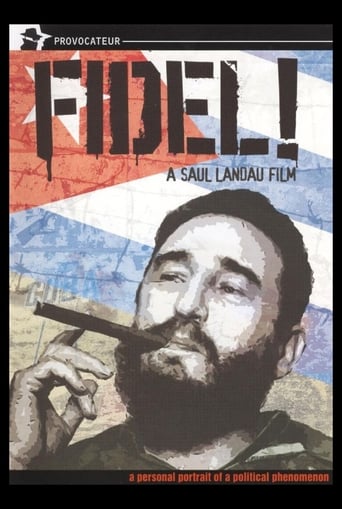
This film provides a unique view of Cuba's leader, containing fascinating archive footage of the Bay of Pigs invasion and scenes of Che Guevara - alongside interviews with political prisoners.
Fidel
1971
 6.7
"Just before dawn on New Year's Day 1994, armed Mayan Indians declared war on the government. They immediately seized eight towns in Chiapas and set in motion events that ripped away a facade of prosperity and stability to reveal 'the other Mexico'. They demanded land, public services and Indian autonomy - the right to communally own and farm land. They called themselves the Zapatista Army of National Liberation (EZLN). This documentary features in-depth interviews with people from the EZLN, among them Subcommandante Marcos. THE SIXTH SUN portrays an epic confrontation pitting impoverished peasants against large landowners and government forces in Mexico poorest state, Chiapas. The film raises important questions as to what is to be judged expendable in the rush to global economic integration - whether the destruction of whole peoples and cultures that have survived over centuries is simply to be accepted as the price of 'progress'.
The Sixth Sun: Mayan Uprising in Chiapas
1995
 NR
Documentary film about three veterans of the Civil Rights movement who have become peace spokesman for the new opposition activist. It traces their thought and action over the past year, as they see themselves moving from demonstration to political organizing.
From Protest to Resistance
1968
 NR
This interview was conducted shortly after the late President Dr. Salvador Allende won the Chilean elections of 1970. Dr. Salvador Allende was the first democratically elected socialist president in Latin America. Three years later, Allende was killed during a coupe lead by General that overthrew the Allende government.
Conversation with Allende
1971
 NR
Documentary portrait of former CIA official John Stockwell, who resigned after becoming disillusioned with the organization's activities.
The CIA Case Officer: John "Bob" Stockwell
1978
Film credits
1970s · 2 titles
NRThis interview was conducted shortly after the late President Dr. Salvador Allende won the Chilean elections of 1970. Dr. Salvador Allende was the first democratically elected socialist president in Latin America. Three years later, Allende was killed during a coupe lead by General that overthrew the Allende government.
Conversation with Allende
1971
 7.0
Documentary about the atomic testing done in the desert of Nevada, the health risks it posed to closely involved military personnel, and the lack of transparency from US administrations about its effects on the public at large.
Paul Jacobs and the Nuclear Gang
1979
Behind the camera
Mordant, self-aware, freighted with sensitivity toward Chile’s problem, wary of caricature, disposed toward consciousness of human fallibility, it is a deft blend of fiction and documentary set in the tumultuous days leading up to the election of Salvador Allende in 1970.
What Is to Be Done?
1972
Mordant, self-aware, freighted with sensitivity toward Chile’s problem, wary of caricature, disposed toward consciousness of human fallibility, it is a deft blend of fiction and documentary set in the tumultuous days leading up to the election of Salvador Allende in 1970.
What Is to Be Done?
1972
6.5This film provides a unique view of Cuba's leader, containing fascinating archive footage of the Bay of Pigs invasion and scenes of Che Guevara - alongside interviews with political prisoners.
Fidel
1971
6.5This film provides a unique view of Cuba's leader, containing fascinating archive footage of the Bay of Pigs invasion and scenes of Che Guevara - alongside interviews with political prisoners.
Fidel
1971
6.7"Just before dawn on New Year's Day 1994, armed Mayan Indians declared war on the government. They immediately seized eight towns in Chiapas and set in motion events that ripped away a facade of prosperity and stability to reveal 'the other Mexico'. They demanded land, public services and Indian autonomy - the right to communally own and farm land. They called themselves the Zapatista Army of National Liberation (EZLN). This documentary features in-depth interviews with people from the EZLN, among them Subcommandante Marcos. THE SIXTH SUN portrays an epic confrontation pitting impoverished peasants against large landowners and government forces in Mexico poorest state, Chiapas. The film raises important questions as to what is to be judged expendable in the rush to global economic integration - whether the destruction of whole peoples and cultures that have survived over centuries is simply to be accepted as the price of 'progress'.
The Sixth Sun: Mayan Uprising in Chiapas
1995
NRDocumentary film about three veterans of the Civil Rights movement who have become peace spokesman for the new opposition activist. It traces their thought and action over the past year, as they see themselves moving from demonstration to political organizing.
From Protest to Resistance
1968
NRThis interview was conducted shortly after the late President Dr. Salvador Allende won the Chilean elections of 1970. Dr. Salvador Allende was the first democratically elected socialist president in Latin America. Three years later, Allende was killed during a coupe lead by General that overthrew the Allende government.
Conversation with Allende
1971
NRDocumentary portrait of former CIA official John Stockwell, who resigned after becoming disillusioned with the organization's activities.
The CIA Case Officer: John "Bob" Stockwell
1978
 NR
Life inside a San Francisco jail
The Jail
1972
 NR
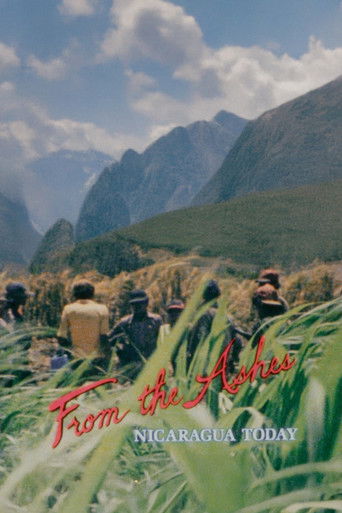
In this documentary portrait of post-revolutionary Nicaragua, director Helena Solberg follows the Chavarría family while examining the broader social and political changes following the 1979 overthrow of the Somoza dictatorship. Interweaving personal testimony with archival footage of U.S. intervention, revolutionary struggle, and national reform efforts, the film reflects on the hopes and tensions shaping the country’s future.
From the Ashes: Nicaragua Today
1982
Documentary chronicling the emergence of the religious New Right in the early Eighties, when, buoyed by the 1980 election of Ronald Reagan as President, conservative politicians and organizations launched nationwide attacks on communism, homosexuality, feminism, abortion, pornography and liberal politicians. By profiling such influential figures as religious broadcaster and Moral Majority founder Jerry Falwell, anti-Equal Rights Amendment activist Phyllis Schlafly, conservative Senator Jesse Helms, right-wing direct-mail fundraiser Richard Viguerie, and John LeBoutillier (R-NY), a representative of the new conservative breed of congressmen, the video offers a provocative portrait of the roots of a powerful force in contemporary American politics
Quest for Power: Sketches of the American New Right
1983
 NR
Documentary about the Jamaican presidential campaign of Michael Manley
Land of My Birth
1976
 NR
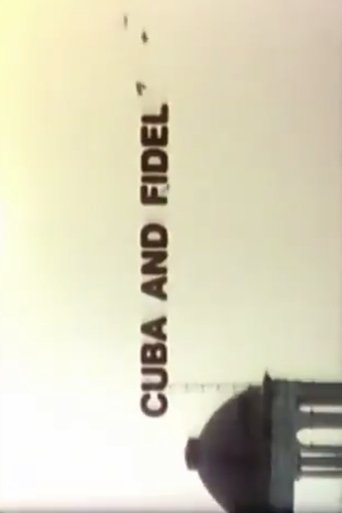
The documentary explores the life and political influence of Fidel Castro, leader of the Cuban Revolution. Through interviews and archival footage, the documentary offers an in-depth look at the events that brought Castro to power and his impact on Cuba and the world.
Cuba and Fidel
1974
 NR
This documentary reflects on the lives and aspirations of an African American family - the Johns - who moved to West Oakland from Louisiana, focusing on Robert Lee Johns and his mother Agnes.
Losing Just the Same
1966
NRThis documentary reflects on the lives and aspirations of an African American family - the Johns - who moved to West Oakland from Louisiana, focusing on Robert Lee Johns and his mother Agnes.
Losing Just the Same
1966
A unique story of a small urban community of Native Hawaiians and the women who championed for their rights to their land against all odds.
Papakolea: A Story of Hawaiian Land
1992
A unique story of a small urban community of Native Hawaiians and the women who championed for their rights to their land against all odds.
Papakolea: A Story of Hawaiian Land
1992
 NR
A short film where jail house poet, Michael Beasley, reads his poetry illustrated by footage taken inside the San Francisco jail, in 1972. Music by Country Joe and His All-Star Band.
Zombies in a House of Madness
1972
 7.5
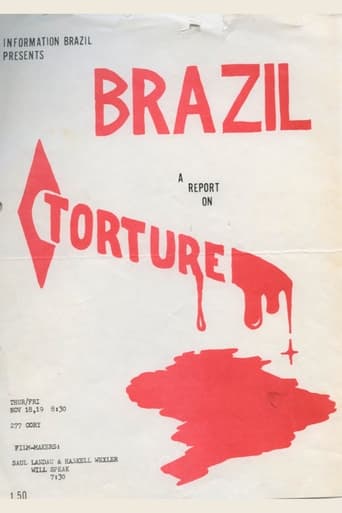
The filmmakers spoke to ex-political prisoners who had been tortured by the military government who were at that point supported by the US government.
Brazil: A Report on Torture
1971
 5.2
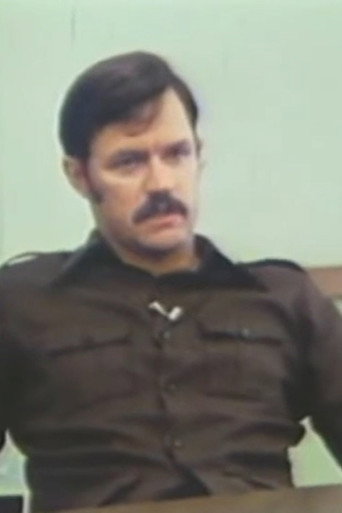
This television program follows an FBI agent provocateur, Robert Wall. Wall chronicles how he spied on people and institutions. He describes how he surveilled Stokeley Carmichae and tried to incite violence at a peace march.
Robert Wall: Ex-FBI Agent
1972
5.2This television program follows an FBI agent provocateur, Robert Wall. Wall chronicles how he spied on people and institutions. He describes how he surveilled Stokeley Carmichae and tried to incite violence at a peace march.
Robert Wall: Ex-FBI Agent
1972
 9.0
A Song for Dead Warriors examines the reasons for the Wounded Knee occupation in the spring of 1973 by Oglala Sioux Indians and members of the American Indian Movement (AIM). The film captures the conflict between AIM, the Sioux militants, the government’s Bureau of Indian Affairs and those allied with the US government.
A Song for Dead Warriors
1974
 NR
Traveling through villages along the Nicaraguan-Honduran border, the filmmakers document the impact of the covert war against Nicaragua's Sandinista government, featuring interviews with mercenaries, soldiers, spies and civilian victims.
Target Nicaragua: Inside a Covert War
1983
NRTraveling through villages along the Nicaraguan-Honduran border, the filmmakers document the impact of the covert war against Nicaragua's Sandinista government, featuring interviews with mercenaries, soldiers, spies and civilian victims.
Target Nicaragua: Inside a Covert War
1983
 NR
Examination of the impact of corporate globalization on Mexico, focusing on the maquiladoras, U.S.-owned factories employing cheap Mexican labor
Maquila: A Tale of Two Mexicos
2000
NRExamination of the impact of corporate globalization on Mexico, focusing on the maquiladoras, U.S.-owned factories employing cheap Mexican labor
Maquila: A Tale of Two Mexicos
2000
NRExamination of the impact of corporate globalization on Mexico, focusing on the maquiladoras, U.S.-owned factories employing cheap Mexican labor
Maquila: A Tale of Two Mexicos
2000
 5.0
This documentary chronicles half a century of hostile U.S.-Cuba relations. The film highlights decades of assassinations and sabotage at first backed by Washington, then ignored by the very government that launched a "war against terrorism."
Will the Real Terrorist Please Stand Up
2010
5.0This documentary chronicles half a century of hostile U.S.-Cuba relations. The film highlights decades of assassinations and sabotage at first backed by Washington, then ignored by the very government that launched a "war against terrorism."
Will the Real Terrorist Please Stand Up
2010
7.0Documentary about the atomic testing done in the desert of Nevada, the health risks it posed to closely involved military personnel, and the lack of transparency from US administrations about its effects on the public at large.
Paul Jacobs and the Nuclear Gang
1979
7.0Documentary about the atomic testing done in the desert of Nevada, the health risks it posed to closely involved military personnel, and the lack of transparency from US administrations about its effects on the public at large.
Paul Jacobs and the Nuclear Gang
1979
 NR
A portrait of the Watergate Congress at work
Who Shot Alexander Hamilton
1974
 NR
Much to the dismay of residents of Tepoztlan, Mexico, where they still speak the indigenous language of Nahual, foreign investors have brought globalization to their village - building factories, shopping malls, and, most egregiously, a golf resort with 1500 vacation chalets and a country club. The newly elected Tepoztlan mayor sneered: “We don’t play that sport here,” because, he explained, maintenance of a large golf course “would sap badly needed farming water; pesticides and chemical fertilizer to maintain the grass would pollute the town’s aquifers.”
We Don't Play Golf Here
2007
NRMuch to the dismay of residents of Tepoztlan, Mexico, where they still speak the indigenous language of Nahual, foreign investors have brought globalization to their village - building factories, shopping malls, and, most egregiously, a golf resort with 1500 vacation chalets and a country club. The newly elected Tepoztlan mayor sneered: “We don’t play that sport here,” because, he explained, maintenance of a large golf course “would sap badly needed farming water; pesticides and chemical fertilizer to maintain the grass would pollute the town’s aquifers.”
We Don't Play Golf Here
2007
A U.S. congressional delegation, led by Congressman Nick Rahall (D-West Virginia) and former South Dakota Senator James Abourezk, travel to Iraq in September 2002 to meet with Sa'doun Hammadi, Speaker of the Iraqi National Assembly, and Tariq Aziz, former Iraqi Deputy Prime Minister, to discuss the re-admission of UN arms inspectors in the hope of averting war.
Iraq: Voices From the Street
2002
 NR
No synopsis available yet.
Syria: Between Iraq and a Hard Place
2004
NRNo synopsis available yet.
Syria: Between Iraq and a Hard Place
2004