

Acting
Kathryn Card
Born — Died
1892-10-04 — 1964-03-01
Place of birth
Butte, Montana, USA
Known for
Acting
Credits
74 titles
From Wikipedia, the free encyclopedia Kathryn Card (October 4, 1892 – March 1, 1964) was an American radio, television and film actress who may be best remembered for her role as Mrs. MacGillicuddy, Lucy's mother on I Love Lucy. Her first screen credit was in 1945 for her role as Louise in the Corliss Archer movie Kiss and Tell, starring Shirley Temple as Corliss Archer. The next year she appeared in Undercurrent with Robert Taylor, Katharine Hepburn, and Robert Mitchum. Then, in 1949, Card gave an interesting albeit brief performance (uncredited) as an extremely polite but no-nonsense loan processor for prospective borrower Joan Bennett in The Reckless Moment. On February 8, 1954, Card m…
Known for
 7.7
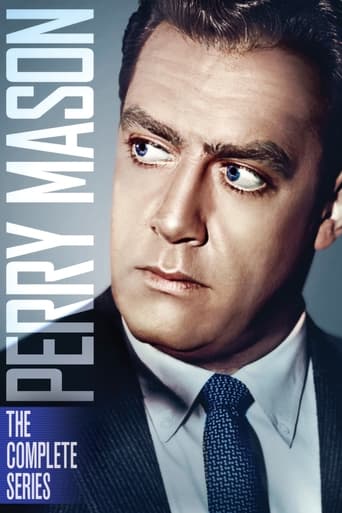
7.7The cases of master criminal defense attorney Perry Mason and his staff who handled the most difficult of cases in the aid of the innocent.
Perry Mason
1957
 6.6
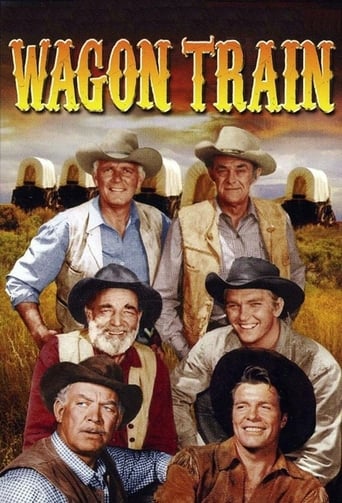
6.6The series initially starred veteran movie supporting actor Ward Bond as the wagon master, later replaced upon his death by John McIntire, and Robert Horton as the scout, subsequently replaced by lookalike Robert Fuller a year after Horton had decided to leave the series. The series was inspired by the 1950 film Wagon Master directed by John Ford and starring Ben Johnson, Harry Carey Jr. and Ward Bond, and harkens back to the early widescreen wagon train epic The Big Trail starring John Wayne and featuring Bond in his first major screen appearance playing a supporting role. Horton's buckskin outfit as the scout in the first season of the television series resembles Wayne's, who also played the wagon train's scout in the earlier film.
Wagon Train
1957
 6.5
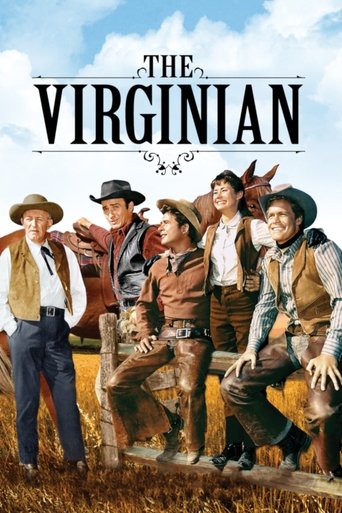
6.5The Shiloh Ranch in Wyoming Territory of the 1890s is owned in sequence by Judge Henry Garth, the Grainger brothers, and Colonel Alan MacKenzie. It is the setting for a variety of stories, many more based on character and relationships than the usual western.
The Virginian
1962
 7.4
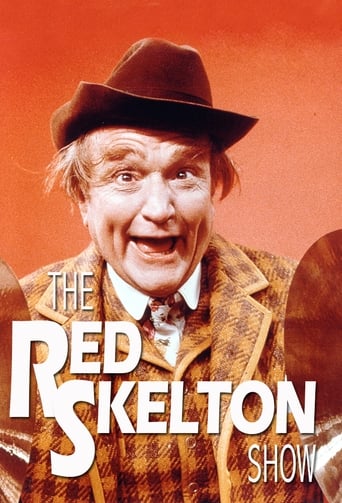
7.4The Red Skelton Show is an American variety show that was a television staple for two decades, from 1951 to 1971. It was second to Gunsmoke and third to The Ed Sullivan Show in the ratings during that time. Skelton, who had previously been a radio star, had appeared in several motion pictures as well. Although his television series is largely associated with CBS, where it appeared for more than fifteen years, it actually began and ended on NBC. During its run, the program received three Emmy Awards, for Skelton as best comedian and the program as best comedy show during its initial season, and an award for comedy writing in 1961.
The Red Skelton Show
1951
 6.8
6.8Four Star Playhouse is an American television anthology series that ran from 1952 to 1956, sponsored in its first bi-weekly season by The Singer Company; Bristol-Myers became an alternate sponsor when it became a weekly series in the fall of 1953. The original premise was that Charles Boyer, Ida Lupino, David Niven, and Dick Powell would take turns starring in episodes. However, several other performers took the lead from time to time, including Ronald Colman and Joan Fontaine. Blake Edwards was among the writers and directors who contributed to the series. Edwards created the recurring character of illegal gambling house operator Willie Dante for Dick Powell to play on this series. The character was later revamped and spun off in his own series starring Howard Duff, then-husband of Lupino. The pilot for Meet McGraw, starring Frank Lovejoy, aired here, as did another episode in which Lovejoy recreated his role of Chicago newspaper reporter Randy Stone, from the radio drama Nightbeat.
Four Star Playhouse
1952
 3.8
3.8Climax! is an American anthology series that aired on CBS from 1954 to 1958. The series was hosted by William Lundigan and later co-hosted by Mary Costa. It was one of the few CBS programs of that era to be broadcast in color. Many of the episodes were performed and broadcast live.
Climax!
1954
Film credits
1960s · 6 titles
 5.7
5.7The buoyant Molly Brown has survived the first crisis of her life—a flood. Sixteen years later she sets out to make her way in the world. She assures the Leadville saloon keeper that she can sing and play the piano, and learns quickly. Soon she marries Johnny Brown, who in a few years will be able to replace the original cigar wrapper wedding ring with a replica in gold and gemstones. The Browns head for Europe and bring a few crowned heads back to Denver for a party that turns into a ballroom brawl. Molly goes to Europe alone, returning on the Titanic. She didn't survive a flood as a baby for the story to end here.
The Unsinkable Molly Brown
1964
 6.2
6.2Drama critic Larry Mackay, his wife Kate and their four sons move from their crowded Manhattan apartment to an old house in the country. While housewife Kate settles into suburban life, Larry continues to enjoy the theater and party scene of New York.
Please Don't Eat the Daisies
1960
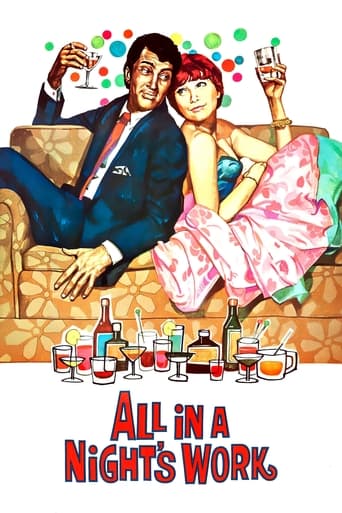 6.0
6.0After the sudden death of magazine publisher Colonel Ryder, his nephew, Tony inherits the magazine and has big plans to expand it. While negotiating a loan from the bank, Tony gets a call from a detective surrounding his uncle's death. It turns out Colonel Ryder died in his hotel room with a smile on his face and a young woman was seen fleeing his room wearing only a towel. Suspicious of this woman and afraid the magazine's wholesome image may be tarnished and their loan denied, Tony asks the detective to stick around and find her.
All in a Night's Work
1961
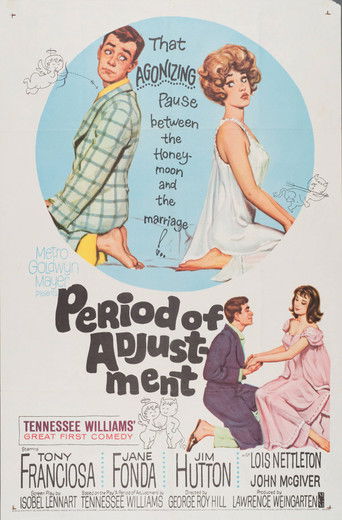 6.0
6.0A newlywed couple on their honeymoon visit friends who are having marital problems of their own.
Period of Adjustment
1962
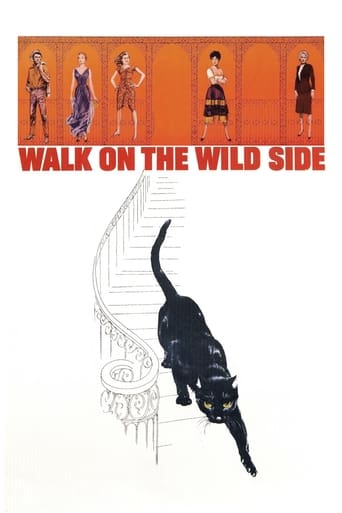 6.6
6.6At a 1930s New Orleans bordello, Hallie is the main attraction for both clients and the shrewd madam. The arrival of Dove Linkhorn, her lovesick sweetheart from three years ago, disrupts the normal and triggers a chain of events involving a number of people, including the young woman he travelled with, who is now the Doll House's newest employee.
Walk on the Wild Side
1962
 5.9
5.9Director Paul Wendkos' 1960 film adaptation of the controversial novel "Harrison High", about an idealistic young high-school teacher dealing with over-sexed and troubled teenagers, is notable for its casting of newcomer Dick Clark in the starring role. Others in the cast include Tuesday Weld, Michael Callan, Victoria Shaw, Roberta Shore, Warren Berlinger, Doug McClure, Linda Watkins, Rudy Bond, Philip Coolidge, Stephen Talbot, Kathryn Card, James Darren, Duane Eddy, The Rebels and Bess Flowers.
Because They're Young
1960
1950s · 18 titles
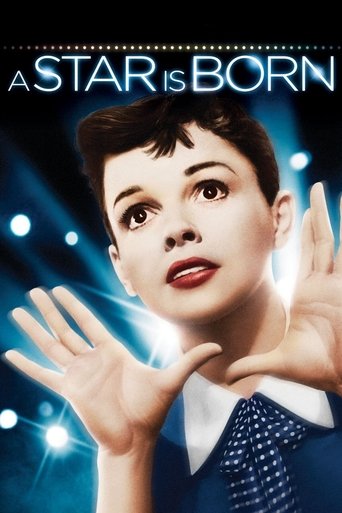 7.1
7.1A movie star helps a young singer-actress find fame, even as age and alcoholism send his own career into a downward spiral.
A Star Is Born
1954
 6.4
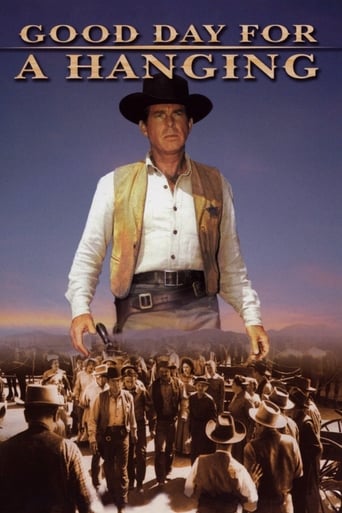
6.4When the local sheriff is killed after a bank robbery, ex-lawman Ben Cutler collars the apparent killer, Eddie Campbell. Because of his background as a local youth who spent time living with the Cutlers, Eddie gets the benefit of the doubt from Ben's daughter and his wife-to-be. Ben is firm that Eddie is guilty, and as the matter is debated in a divisive court battle, it will soon become clear whether he's right.
Good Day for a Hanging
1959
 6.8
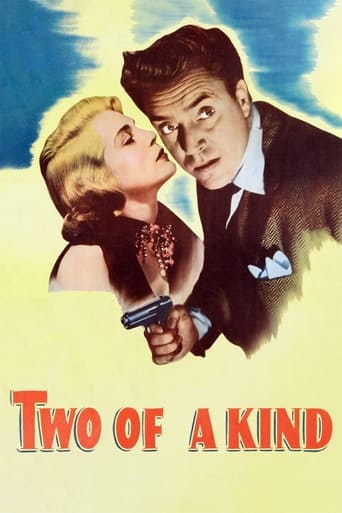
6.8A con woman and a lawyer get a carnival grifter to pose as an elderly rich couple's long-lost son.
Two of a Kind
1951
 7.0
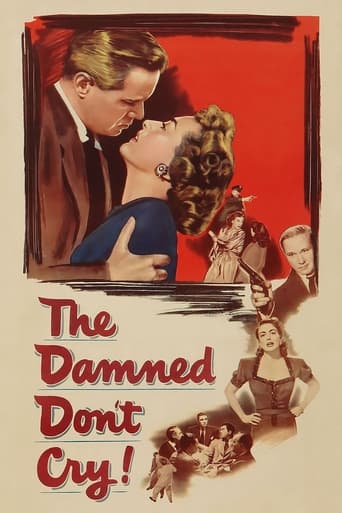
7.0Fed up with her small-town marriage, a woman goes after the big time and gets mixed up with the mob.
The Damned Don't Cry
1950
 7.0
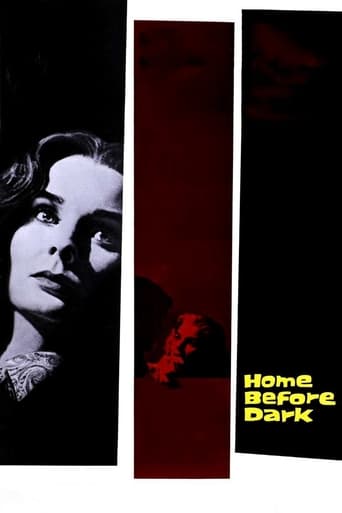
7.0A young woman returns home after being institutionalized in a mental hospital.
Home Before Dark
1958
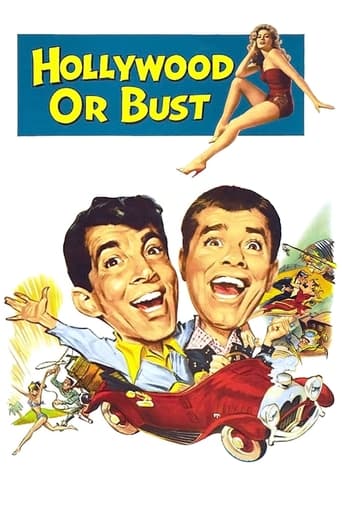 6.2
6.2The last movie with Jerry Lewis and Dean Martin together, is a satire of the life in Hollywood. Steve Wiley is a deceiver who cheats Malcolm Smith when he wins a car, claiming that he won it too. Trying to steal the car, Steve tells Malcolm that he lives in Hollywood, next to Anita Ekberg's. When Malcom hears that, they both set out for Hollywood and the adventure begins...
Hollywood or Bust
1956
 6.5
6.5A marriage broker can't resist meddling in the life of a model, with disastrous results.
The Model and the Marriage Broker
1951
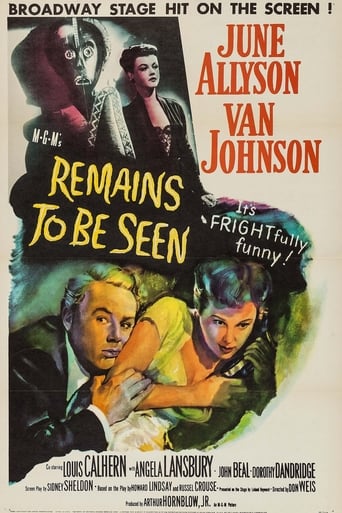 6.0
6.0A singer and her apartment manager get mixed up in a creepy Park Avenue murder and find themselves facing danger at every turn.
Remains to Be Seen
1953
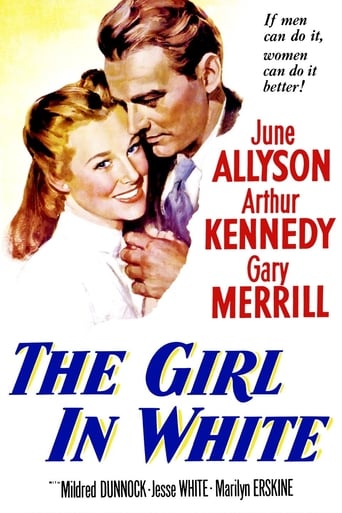 7.1
7.1The first female doctor in New York City comes up against prejudice from male counterparts who feel threatened by her skills. Eventually, though, they come to respect her and romance blossoms between her and the head doctor.
The Girl in White
1952
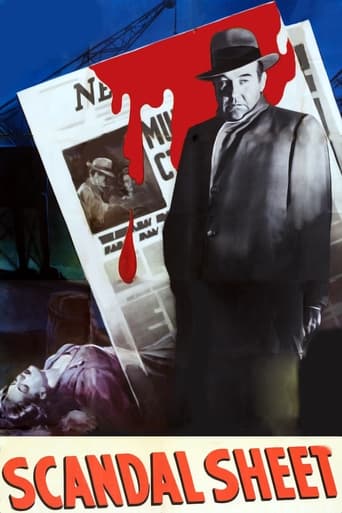 7.0
7.0A tabloid editor assigns a young reporter to solve a murder the editor committed himself.
Scandal Sheet
1952
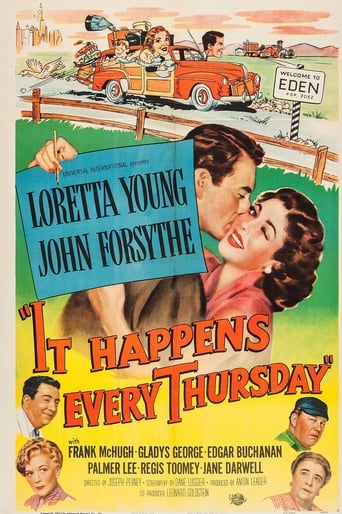 6.3
6.3New York reporter Bob MacAvoy is persuaded by pregnant wife Jane to buy a broken-down weekly newspaper in Eden, California. They have humorous problems with small town mores and eccentric citizens. But their schemes to increase circulation get them in over their heads.
It Happens Every Thursday
1953
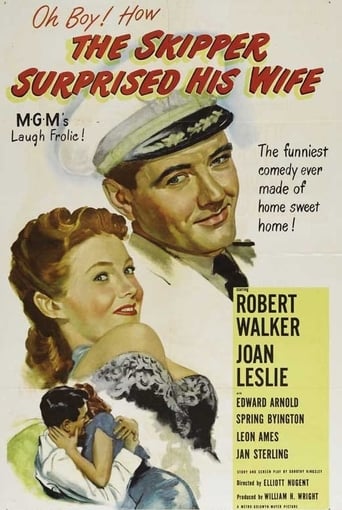 5.2
5.2A captain tries to keep home as tight as his ship.
The Skipper Surprised His Wife
1950
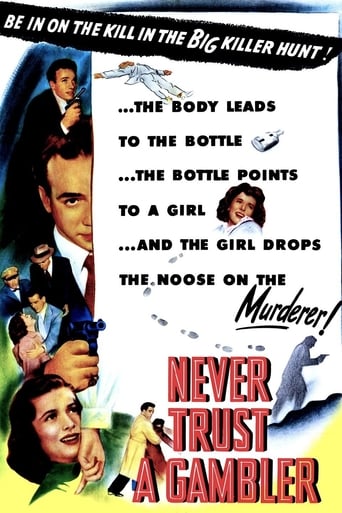 5.6
5.6A small-time gambler on the run from the law hides in his ex-wife's house.
Never Trust a Gambler
1951
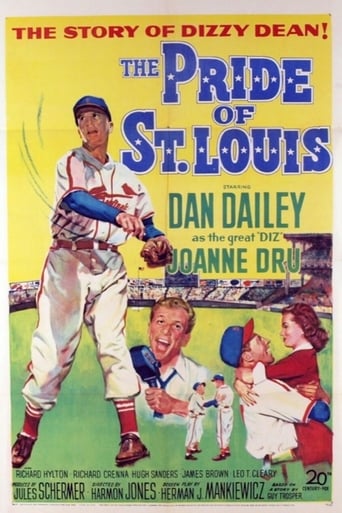 7.0
7.0The story of Jerome "Dizzy" Dean, a major-league baseball pitcher for the St. Louis Cardinals and Chicago Cubs in the 1930s and 1940s.
The Pride of St. Louis
1952
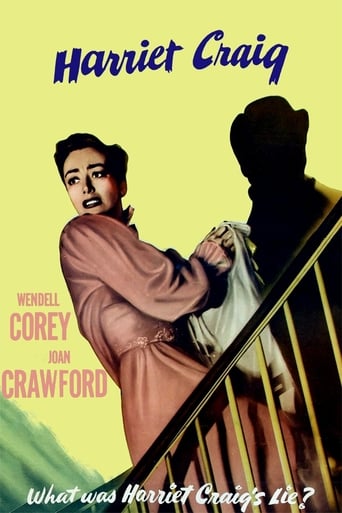 7.5
7.5A perfectionist woman's devotion to her home drives away friends and family.
Harriet Craig
1950
 5.9
5.9A good-hearted nurse gets mixed up with a millionaire who could help her hospital.
You for Me
1952
 8.0
8.0An airliner flying nonstop at night from Miami to New York fails to check in, then disappears from radar. We see how its disappearance affects people on the ground.
No Time at All
1958
 5.0
5.0A woman is forced to leave her marriage by her violent, over-bearing husband whose objective is to train their young son to follow his evil footsteps.
Night of Execution
1955
1940s · 10 titles
 6.7
6.7After discovering the dead body of her teenage daughter's lover, a housewife takes desperate measures to protect her family from scandal.
The Reckless Moment
1949
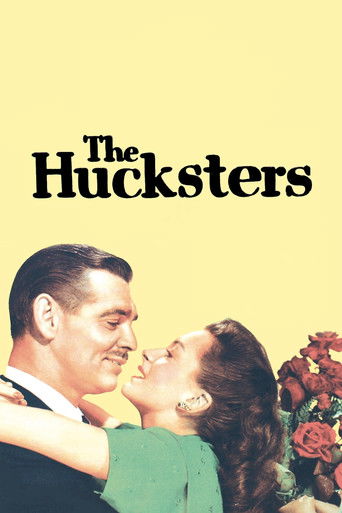 7.0
7.0A World War II veteran wants to return to advertising on his own terms, but finds it difficult to be successful and maintain his integrity.
The Hucksters
1947
 5.9
5.9After a rapid engagement, a dowdy daughter of a chemist weds an industrialist, knowing little of his family or past. He transforms her into an elegant society wife, but becomes enraged whenever she asks about Michael, his mysterious long-lost brother.
Undercurrent
1946
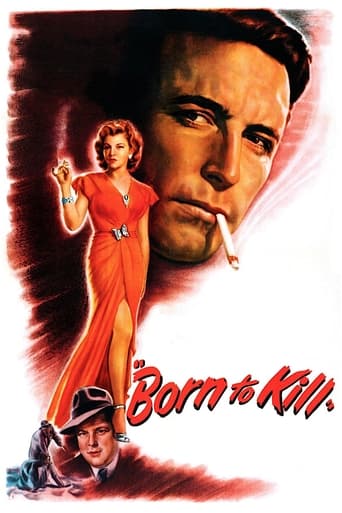 6.7
6.7A calculating divorcée risks her chances at wealth and security with a man she doesn't love by getting involved with a hotheaded murderer.
Born to Kill
1947
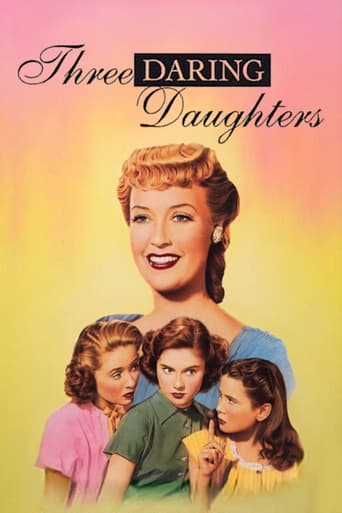 5.9
5.9Three young girls try to help their divorced mother find the right husband.
Three Daring Daughters
1948
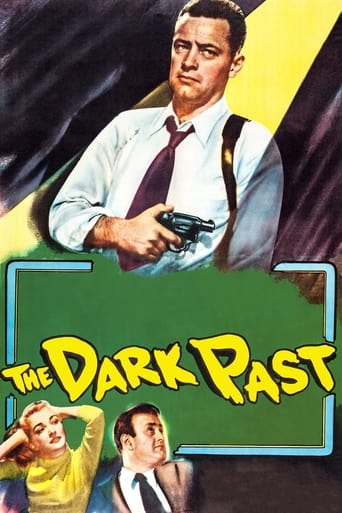 6.0
6.0A gang hold a family hostage in their own home. The leader of the escaped cons is bothered by a recurring dream that the doctor of the house may be able to analyze.
The Dark Past
1948
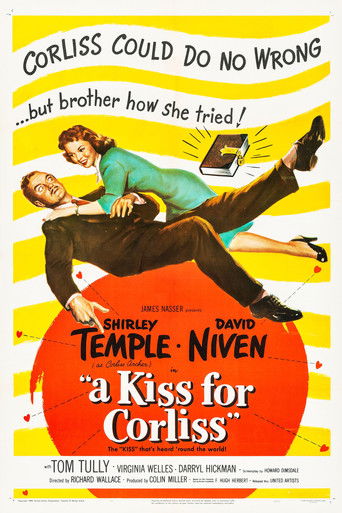 5.8
5.8After a brief encounter with the romantic and thrice divorced Kenneth Marquis, Corliss Archer decides to write in her diary that they are together in order to make her boyfriend Dexter jealous. Corliss' father had also served as attorney representing Kenneth Marquis' ex-wife during his most recent divorce trial. When Corliss and Dexter don't come home one evening until five in the morning, Corliss decides to pretend to have amnesia to avoid the inevitable punishment awaiting her.
A Kiss for Corliss
1949
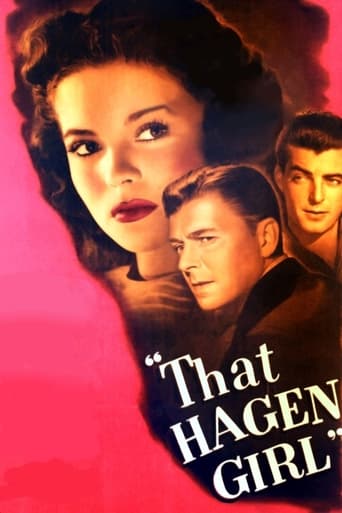 5.3
5.3Mary Hagen lives in a small town in Ohio and goes to Jordon Junior College. For years, there has been whispers, rumors and gossip about who are her real parents. When Tom Bates returns to town, he takes over the house and practice that Judge Merrivale left him when he died. As Tom has been away a number of years, this leads to more gossip and Mary believes that he is her father. The popular and rich Ken loves Mary, but his family and friends constantly remind him that she is 'not one of us'. Julia, a teacher at school encourages Mary but Mary cannot get a break in anything she does, or is accused of doing. Tom knows the answer to her true identity, and he is silent.
That Hagen Girl
1947
 7.3
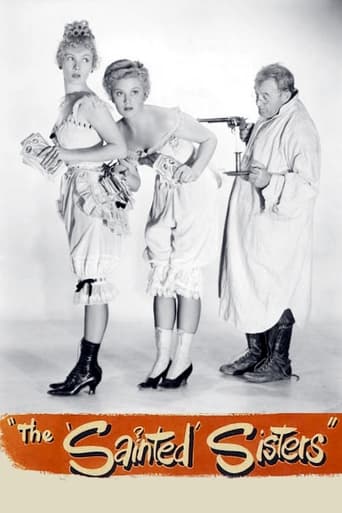
7.3Two female con artists from New York City, fleeing the law with money from their latest scam, hide out in a small town in Maine, near the Canadian border. However, this small town's residents aren't quite as unsophisticated as the girls think they are.
The Sainted Sisters
1948
 6.3
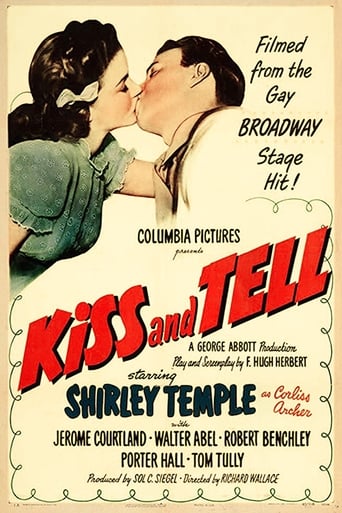
6.3Film adaptation of the Broadway hit, about the comic mayhem that erupts in a small town when a 15-year old high-schooler (Shirley Temple) is wrongly suspected of being pregnant.
Kiss and Tell
1945
Series credits
7.7The cases of master criminal defense attorney Perry Mason and his staff who handled the most difficult of cases in the aid of the innocent.
Perry Mason
1957
7.7The cases of master criminal defense attorney Perry Mason and his staff who handled the most difficult of cases in the aid of the innocent.
Perry Mason
1957
6.6The series initially starred veteran movie supporting actor Ward Bond as the wagon master, later replaced upon his death by John McIntire, and Robert Horton as the scout, subsequently replaced by lookalike Robert Fuller a year after Horton had decided to leave the series. The series was inspired by the 1950 film Wagon Master directed by John Ford and starring Ben Johnson, Harry Carey Jr. and Ward Bond, and harkens back to the early widescreen wagon train epic The Big Trail starring John Wayne and featuring Bond in his first major screen appearance playing a supporting role. Horton's buckskin outfit as the scout in the first season of the television series resembles Wayne's, who also played the wagon train's scout in the earlier film.
Wagon Train
1957
6.6The series initially starred veteran movie supporting actor Ward Bond as the wagon master, later replaced upon his death by John McIntire, and Robert Horton as the scout, subsequently replaced by lookalike Robert Fuller a year after Horton had decided to leave the series. The series was inspired by the 1950 film Wagon Master directed by John Ford and starring Ben Johnson, Harry Carey Jr. and Ward Bond, and harkens back to the early widescreen wagon train epic The Big Trail starring John Wayne and featuring Bond in his first major screen appearance playing a supporting role. Horton's buckskin outfit as the scout in the first season of the television series resembles Wayne's, who also played the wagon train's scout in the earlier film.
Wagon Train
1957
6.5The Shiloh Ranch in Wyoming Territory of the 1890s is owned in sequence by Judge Henry Garth, the Grainger brothers, and Colonel Alan MacKenzie. It is the setting for a variety of stories, many more based on character and relationships than the usual western.
The Virginian
1962
7.4The Red Skelton Show is an American variety show that was a television staple for two decades, from 1951 to 1971. It was second to Gunsmoke and third to The Ed Sullivan Show in the ratings during that time. Skelton, who had previously been a radio star, had appeared in several motion pictures as well. Although his television series is largely associated with CBS, where it appeared for more than fifteen years, it actually began and ended on NBC. During its run, the program received three Emmy Awards, for Skelton as best comedian and the program as best comedy show during its initial season, and an award for comedy writing in 1961.
The Red Skelton Show
1951
7.4The Red Skelton Show is an American variety show that was a television staple for two decades, from 1951 to 1971. It was second to Gunsmoke and third to The Ed Sullivan Show in the ratings during that time. Skelton, who had previously been a radio star, had appeared in several motion pictures as well. Although his television series is largely associated with CBS, where it appeared for more than fifteen years, it actually began and ended on NBC. During its run, the program received three Emmy Awards, for Skelton as best comedian and the program as best comedy show during its initial season, and an award for comedy writing in 1961.
The Red Skelton Show
1951
7.4The Red Skelton Show is an American variety show that was a television staple for two decades, from 1951 to 1971. It was second to Gunsmoke and third to The Ed Sullivan Show in the ratings during that time. Skelton, who had previously been a radio star, had appeared in several motion pictures as well. Although his television series is largely associated with CBS, where it appeared for more than fifteen years, it actually began and ended on NBC. During its run, the program received three Emmy Awards, for Skelton as best comedian and the program as best comedy show during its initial season, and an award for comedy writing in 1961.
The Red Skelton Show
1951
7.4The Red Skelton Show is an American variety show that was a television staple for two decades, from 1951 to 1971. It was second to Gunsmoke and third to The Ed Sullivan Show in the ratings during that time. Skelton, who had previously been a radio star, had appeared in several motion pictures as well. Although his television series is largely associated with CBS, where it appeared for more than fifteen years, it actually began and ended on NBC. During its run, the program received three Emmy Awards, for Skelton as best comedian and the program as best comedy show during its initial season, and an award for comedy writing in 1961.
The Red Skelton Show
1951
7.4The Red Skelton Show is an American variety show that was a television staple for two decades, from 1951 to 1971. It was second to Gunsmoke and third to The Ed Sullivan Show in the ratings during that time. Skelton, who had previously been a radio star, had appeared in several motion pictures as well. Although his television series is largely associated with CBS, where it appeared for more than fifteen years, it actually began and ended on NBC. During its run, the program received three Emmy Awards, for Skelton as best comedian and the program as best comedy show during its initial season, and an award for comedy writing in 1961.
The Red Skelton Show
1951
6.8Four Star Playhouse is an American television anthology series that ran from 1952 to 1956, sponsored in its first bi-weekly season by The Singer Company; Bristol-Myers became an alternate sponsor when it became a weekly series in the fall of 1953. The original premise was that Charles Boyer, Ida Lupino, David Niven, and Dick Powell would take turns starring in episodes. However, several other performers took the lead from time to time, including Ronald Colman and Joan Fontaine. Blake Edwards was among the writers and directors who contributed to the series. Edwards created the recurring character of illegal gambling house operator Willie Dante for Dick Powell to play on this series. The character was later revamped and spun off in his own series starring Howard Duff, then-husband of Lupino. The pilot for Meet McGraw, starring Frank Lovejoy, aired here, as did another episode in which Lovejoy recreated his role of Chicago newspaper reporter Randy Stone, from the radio drama Nightbeat.
Four Star Playhouse
1952
3.8Climax! is an American anthology series that aired on CBS from 1954 to 1958. The series was hosted by William Lundigan and later co-hosted by Mary Costa. It was one of the few CBS programs of that era to be broadcast in color. Many of the episodes were performed and broadcast live.
Climax!
1954
 6.2
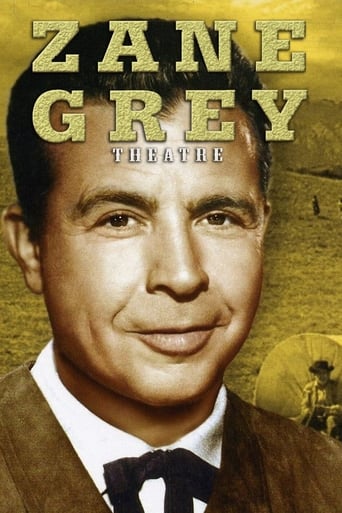
6.2Dick Powell's Zane Grey Theatre, sometimes simply called Zane Grey Theatre, is an American Western anthology series which ran on CBS from 1956 to 1961.
Dick Powell's Zane Grey Theatre
1956
 7.9
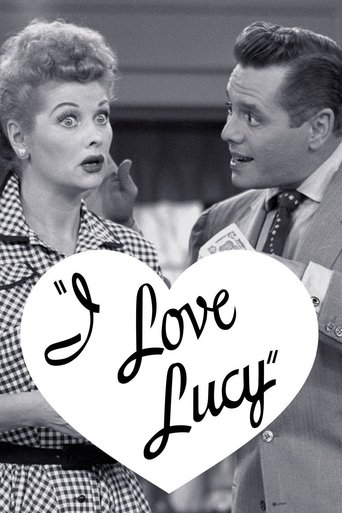
7.9Cuban Bandleader Ricky Ricardo would be happy if his wife Lucy would just be a housewife. Instead she tries constantly to perform at the Tropicana where he works, and make life comically frantic in the apartment building they share with landlords Fred and Ethel Mertz, who also happen to be their best friends.
I Love Lucy
1951
7.9Cuban Bandleader Ricky Ricardo would be happy if his wife Lucy would just be a housewife. Instead she tries constantly to perform at the Tropicana where he works, and make life comically frantic in the apartment building they share with landlords Fred and Ethel Mertz, who also happen to be their best friends.
I Love Lucy
1951
 7.3
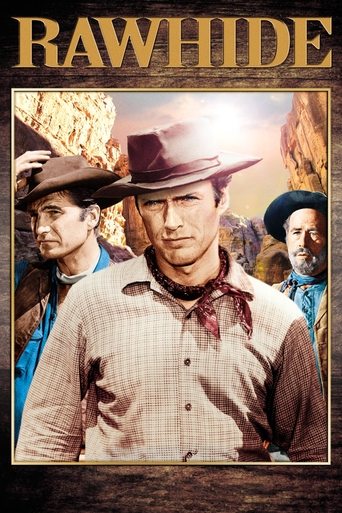
7.3The tale of trail boss Gil Favor and his trusty foreman Rowdy Yates as they drives cattle across the old west. Along the way they meet up with adventure and drama.
Rawhide
1959
7.3The tale of trail boss Gil Favor and his trusty foreman Rowdy Yates as they drives cattle across the old west. Along the way they meet up with adventure and drama.
Rawhide
1959
7.3The tale of trail boss Gil Favor and his trusty foreman Rowdy Yates as they drives cattle across the old west. Along the way they meet up with adventure and drama.
Rawhide
1959
 6.7
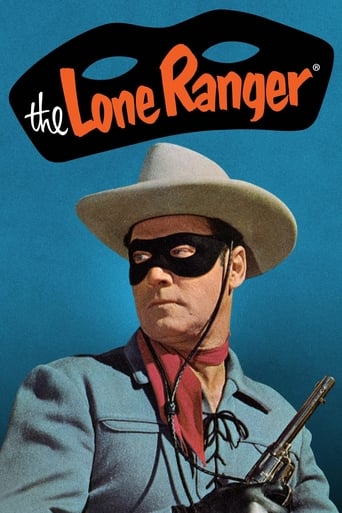
6.7The Lone Ranger is an American western television series that ran from 1949 to 1957, starring Clayton Moore with Jay Silverheels as Tonto. The live-action series initially featured Gerald Mohr as the episode narrator. Fred Foy served as both narrator and announcer of the radio series from 1948 to its finish and became announcer of the television version when story narration was dropped there. This was by far the highest-rated television program on the ABC network in the early 1950s and its first true "hit".
The Lone Ranger
1949
 7.8
7.8A television anthology series hosted by Alfred Hitchcock featuring dramas, thrillers, and mysteries.
Alfred Hitchcock Presents
1955
 6.6
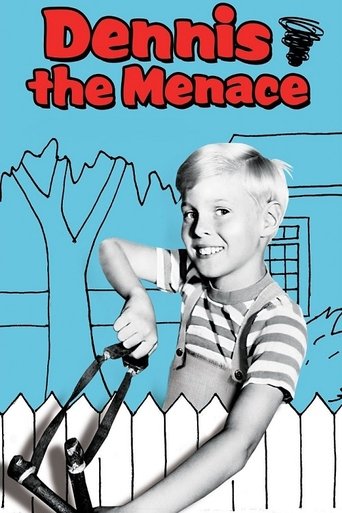
6.6This 1959-1963 television situation comedy series follows the lives of the Mitchell family, Henry, Alice, and their only child Dennis, an energetic, trouble-prone, mischievous, but well-meaning boy, who often tangles with his peace-and-quiet-loving neighbor George Wilson, a retired salesman, or, later, with George's brother John, a writer. Dennis is basically a good, well-intentioned boy who always tries to help people, but who winds up making situations worse – often at Mr. Wilson's expense.
Dennis the Menace
1959
 7.8
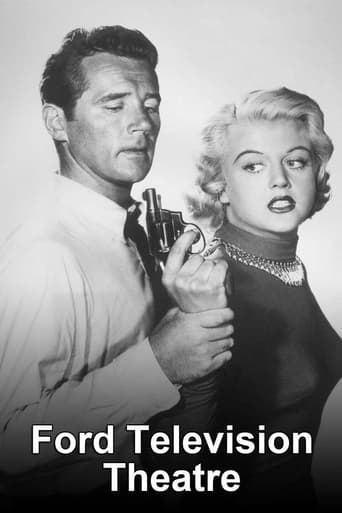
7.8This show started in New York City, with Broadway actors and actresses. It then moved to Hollywood, California, where Hollywood actors and actresses headed the cast.
The Ford Television Theatre
1952
7.8This show started in New York City, with Broadway actors and actresses. It then moved to Hollywood, California, where Hollywood actors and actresses headed the cast.
The Ford Television Theatre
1952
7.8This show started in New York City, with Broadway actors and actresses. It then moved to Hollywood, California, where Hollywood actors and actresses headed the cast.
The Ford Television Theatre
1952
 6.0
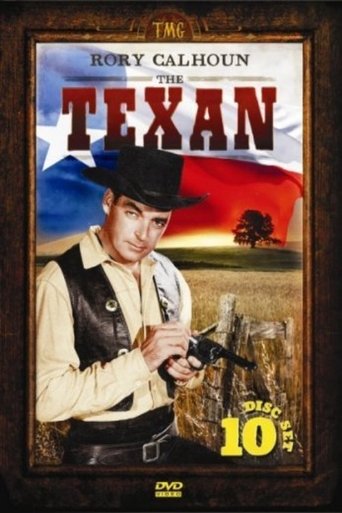
6.0The Texan was a Western television series starring popular B movie actor Rory Calhoun, which aired on the CBS television network from 1958 to 1960.
The Texan
1958
6.0The Texan was a Western television series starring popular B movie actor Rory Calhoun, which aired on the CBS television network from 1958 to 1960.
The Texan
1958
 7.2
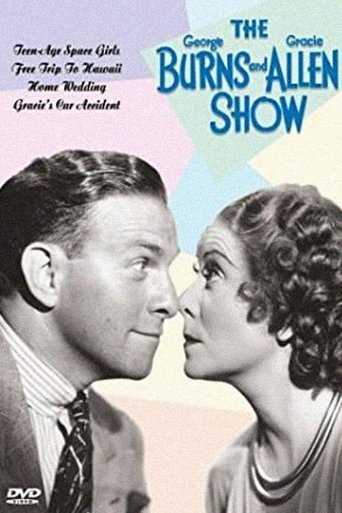
7.2Burns and Allen, an American comedy duo consisting of George Burns and his wife, Gracie Allen, worked together as a comedy team in vaudeville, films, radio and television and achieved great success over four decades.
The George Burns and Gracie Allen Show
1950
7.2Burns and Allen, an American comedy duo consisting of George Burns and his wife, Gracie Allen, worked together as a comedy team in vaudeville, films, radio and television and achieved great success over four decades.
The George Burns and Gracie Allen Show
1950
7.2Burns and Allen, an American comedy duo consisting of George Burns and his wife, Gracie Allen, worked together as a comedy team in vaudeville, films, radio and television and achieved great success over four decades.
The George Burns and Gracie Allen Show
1950
 6.2
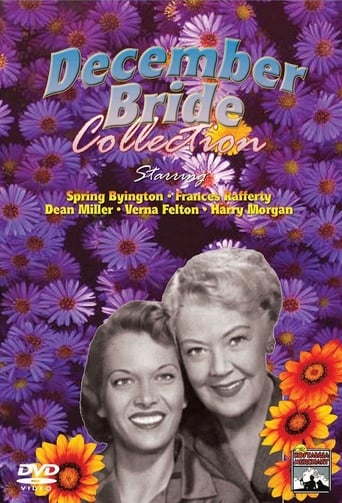
6.2December Bride is an American sitcom that aired on the CBS television network from 1954 to 1959, adapted from the original CBS radio network series that aired from June 1952 through September 1953.
December Bride
1954
6.2December Bride is an American sitcom that aired on the CBS television network from 1954 to 1959, adapted from the original CBS radio network series that aired from June 1952 through September 1953.
December Bride
1954
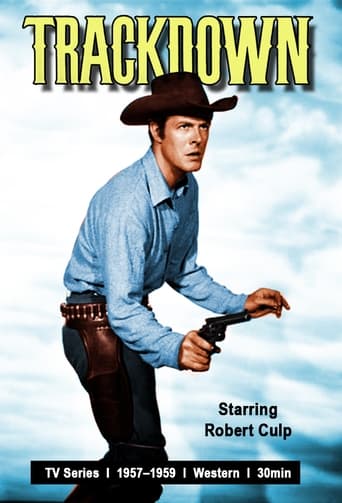 6.9
6.9Trackdown is an American Western television series starring Robert Culp that aired on CBS between 1957 and 1959. More than seventy episodes of this series were produced by Dick Powell's Four Star Television and filmed at the Desilu-Culver Studio. The series was itself a spin-off of Powell's anthology series, Dick Powell's Zane Grey Theater.
Trackdown
1957
 7.5
7.5Playhouse 90 is an American television anthology series that was telecast on CBS from 1956 to 1960 for a total of 133 episodes. It originated from CBS Television City in Los Angeles, California. Since live anthology drama series of the mid-1950s were usually hour-long shows, the title highlighted the network's intention to present something unusual, a weekly series of hour-and-a-half dramas rather than 60-minute plays. Playhouse 90 began as a pitch by Frank Stanton—the formidable, forward-thinking right-hand man to CBS chairman William S. Paley—during a brainstorming session for program ideas. The project was ultimately developed by Hubbell Robinson, a CBS vice president who received no screen credit on Playhouse 90 but is often described as its creator.
Playhouse 90
1956
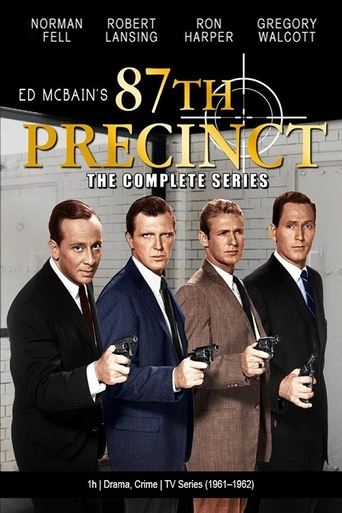 7.8
7.887th Precinct is an American crime drama starring Robert Lansing, Gena Rowlands, and Ron Harper, which aired on NBC on Monday evenings during the 1961–1962 television season.
87th Precinct
1961
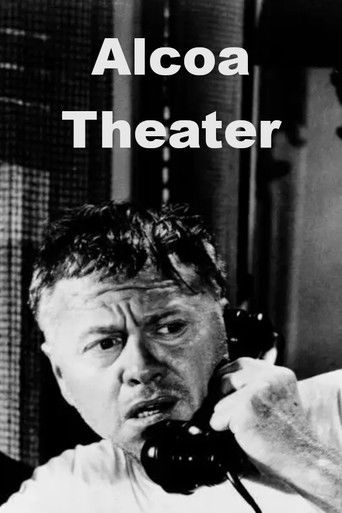 7.0
7.0Alcoa Theatre is a half-hour American anthology series telecast on NBC at 9:30 pm on alternate Monday nights from October 7, 1957 to September 16, 1960. The program also aired under the title Turn of Fate, with the stories depicting the difficulties faced by individuals who are suddenly thrust into unexpected and perilous dangers. Alcoa Theatre was syndicated together with Goodyear Theatre as Award Theatre. In 1955, The Alcoa Hour premiered in a one-hour format aired on Sunday nights, but it was reduced to 30 minutes, retitled Alcoa Theatre, and moved to Monday evening in 1957. The show employed an alternating rotating company of actors: David Niven, Robert Ryan, Jane Powell, Jack Lemmon and Charles Boyer. Each appeared in dramatic and light comedic roles through the first season.
Alcoa Theatre
1957
 4.6
4.6Cavalcade of America is an anthology drama series that was sponsored by the DuPont Company, although it occasionally presented a musical, such as an adaptation of Show Boat, and condensed biographies of popular composers. It was initially broadcast on radio from 1935 to 1953, and later on television from 1952 to 1957. Originally on CBS, the series pioneered the use of anthology drama for company audio advertising. Cavalcade of America documented historical events using stories of individual courage, initiative and achievement, often with feel-good dramatizations of the human spirit's triumph against all odds. This was consistent with DuPont's overall conservative philosophy and legacy as an American company dating back to 1802. The company's motto, "Maker of better things for better living through chemistry," was read at the beginning of each program, and the dramas emphasized humanitarian progress, particularly improvements in the lives of women, often through technological innovation.
Cavalcade of America
1952
 6.5
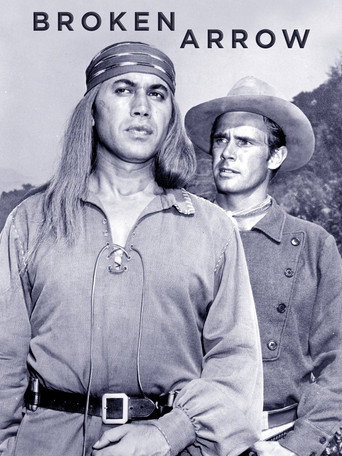
6.5Broken Arrow is a Western series which ran on ABC-TV in prime time from 1956 through 1958 on Tuesdays at 9 p.m. Eastern time. Repeat episodes were shown by ABC on Sunday afternoons during the 1959–60 season. Selected repeats were then shown once again in prime time during the summer of 1960.
Broken Arrow
1956
 7.0
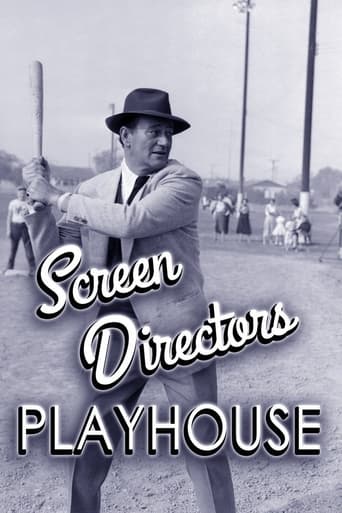
7.0Presented by Eastman Kodak, this show was a series of original scripts directed by acclaimed directors and featuring well-known performers. The stories ranged from musicals to comedies and dramas.
Screen Director's Playhouse
1955
 7.6
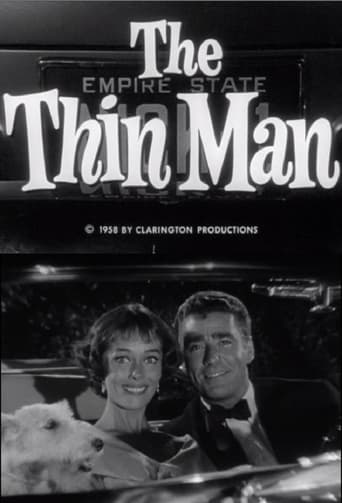
7.6Nick Charles was a private detective who married the wealthy Nora and decided to settle down and leave the good life. Unfortunately for the couple, Nick's past frequently caught up with him and got the couple involved in mystery after mystery. The series was based on the popular MGM series of movies of the 1930's starring William Powell and Myrna Loy. Peter Lawford and Phyllis Kirk starred as the televison versions of Nick and Nora which ran on NBC for two seasons from 1957-59.
The Thin Man
1957
 5.0
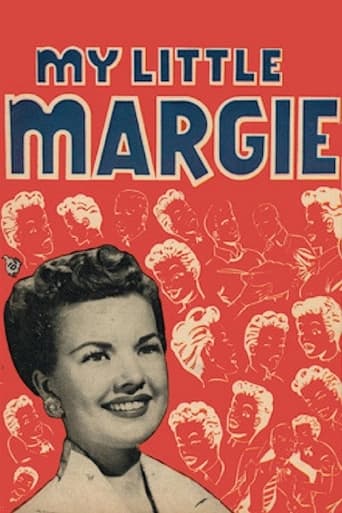
5.0My Little Margie is an American situation comedy starring Gale Storm and Charles Farrell that alternated between CBS and NBC from 1952 to 1955.
My Little Margie
1952