
Directing
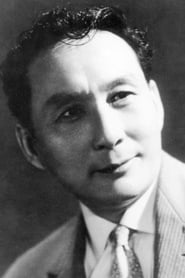
Zheng Jun-li
Born — Died
1911-12-05 — 1969-04-23
Place of birth
Shanghai, China
Known for
Directing
Credits
30 titles
Zheng Junli (December 6, 1911 – April 23, 1969) was a Chinese actor and director born in Shanghai and who rose to prominence in the golden age of Chinese Cinema. His films The Spring River Flows East and Crows and Sparrows are widely considered classics of Chinese cinema. He was severely persecuted during the Cultural Revolution and died in prison.
Known for
 5.9
5.9China 1839. Because the British imports of opium into Southern China are creating such widespread medical and economic problems, the weak Manchu emperor Tao Kuang is forced to take action that precipitates the 'Opium War'.
The Opium Wars
1959
 NR
NRNo synopsis available yet.
共赴国难
1932
 6.7
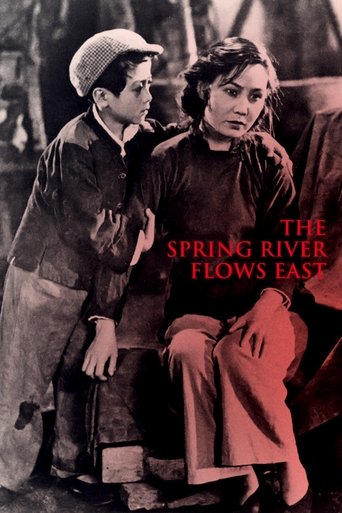
6.71930's China. The village of a poor family is taken over by the occupying Japanese army. One son, Zhongliang, leaves his wife and young son to join a medic group for the Chinese Army. The other son, Zhangmin goes into hiding to protect his family. The focus shifts back and forth from the brothers' parents and Zhongliang's wife and son to Zhongliang's newfound life of luxury in a town not too far away. The plight of Zhongliang's mother, his wife, Sufan and her son, Kongeson is contrasted with Zhongliang's rise in a flourishing company.
The Spring River Flows East
1947
 7.5
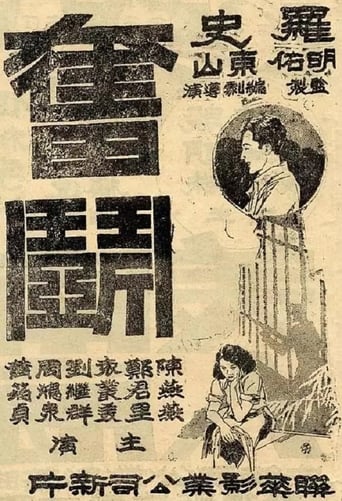
7.5A Chinese couple in the 1930s struggle to survive. Things get complicated for them when he enlists to fight the war against Japan.
Struggling
1932
 3.4
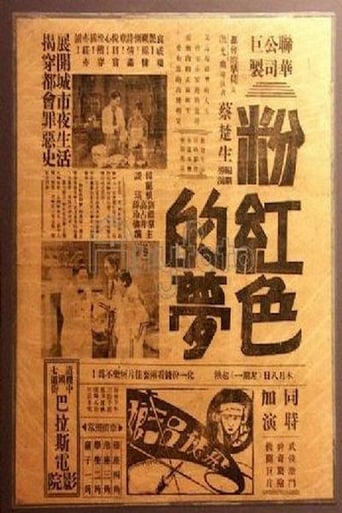
3.4Pink Dream tells the story of a young novelist who is supported by a loving and hard-working wife. The novelist, however, is drawn to the decadent life of a socialite who introduces him to the dance halls that dot Shanghai. As the film progresses, the novelist soon learns of the emptiness of this urban existence and rejects it as a "pink dream."
A Rosy Dream
1932
 6.7
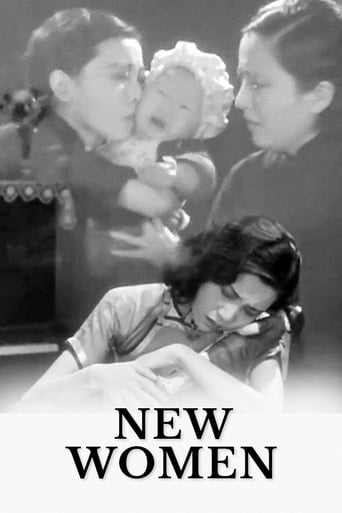
6.7Overnight, the sexy Wei Ming will become a successful novelist. But, desperate to get the money that she needs to cure her little daughter (and harassed by a rich, unscrupulous rake), she will end up eventually engage in luxury prostitution.
New Women
1935
Film credits
1940s · 1 titles
1930s · 14 titles
NRNo synopsis available yet.
共赴国难
1932
7.5A Chinese couple in the 1930s struggle to survive. Things get complicated for them when he enlists to fight the war against Japan.
Struggling
1932
3.4Pink Dream tells the story of a young novelist who is supported by a loving and hard-working wife. The novelist, however, is drawn to the decadent life of a socialite who introduces him to the dance halls that dot Shanghai. As the film progresses, the novelist soon learns of the emptiness of this urban existence and rejects it as a "pink dream."
A Rosy Dream
1932
6.7Overnight, the sexy Wei Ming will become a successful novelist. But, desperate to get the money that she needs to cure her little daughter (and harassed by a rich, unscrupulous rake), she will end up eventually engage in luxury prostitution.
New Women
1935
 6.9
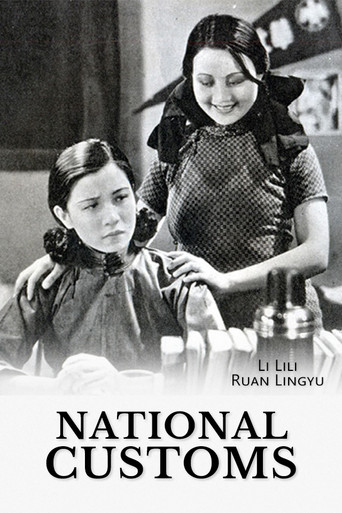
6.9In 1930, two sisters from the countryside, the serious Zhang Lan and the frivolous Zhang Tao graduate from secondary school where their mother Zhang Jie serves as principal. They both love their cousin Zuo, but have ambitions other than marriage. Their lives change dramatically when both attend university in Shanghai and encounter modern urban life and rapidly changing society. The film also depicts the emergence of Chiang Kai-shek's 1934 New Life Movement. Lianhua Film Studio did the film to appease the Nationalist Party which accused it of primarily presenting left-wing films, which was true.
National Customs
1935
 NR
NRNo synopsis available yet.
A Girl in an Isolated City
1936
 7.0
7.0A Chinese film
Tears of a Mother
1937
 6.2
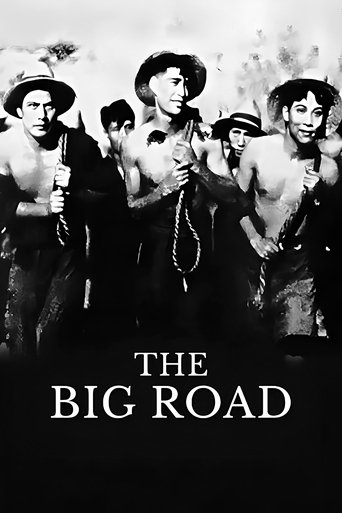
6.2Six young men from the city take jobs building roads for the Chinese Army
The Big Road
1935
 5.6
5.6A wild country girl moves to Shanghai with her painter boyfriend and experiences exploitation and poverty.
Wild Rose
1932
 7.0
7.0A warlord's nephew lusts for farmer Song Ke's sister. When Song refuses, the whole family is thrown into jail and the sister commits suicide. The father dies of grief and Song lives with his cousin abroad. The warlord's nephew loses power and also escapes to the same country.
Loving Blood of the Volcano
1932
 NR
NRNo synopsis available yet.
Life
1934
 NR
NRA silent Chinese feature film
Lost Lambs
1936
 7.3
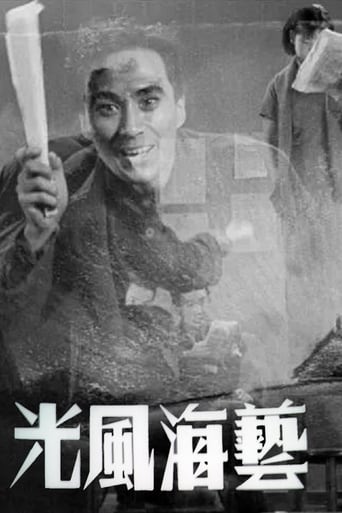
7.3Three stories about art stages. "Film City", "Drama Group" and "Dance Class".
Vistas of Art
1938
 9.0
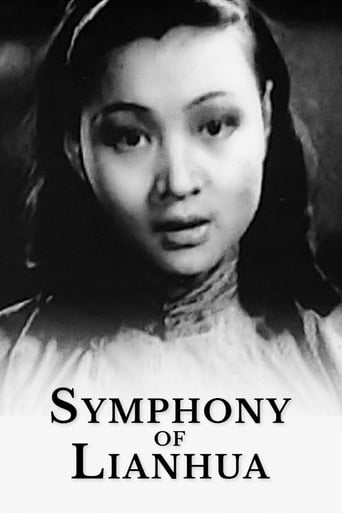
9.0"Lianhua Symphony" - a small collection, consisting of eight short films shot in 1937 by young filmmakers Shanghai Lianhua Film Company. Part 1: Two Yuans (兩毛錢) directed by Situ Huimin / Part 2: Nightmares in Spring Chamber (春閨斷夢) directed by Fei Mu / Part 3: The Stranger (陌生人) directed by Tan Youliu / Part 4: Three Friends (三人行) directed by Shen Fu / Part 5: Landscape Under the Moonlight (月下小景) directed by He Mengfu / Part 6: The Ghost (鬼) directed by Zhu Shilin / Part 7: Rhapsody of a Madman (瘋人狂想曲) directed by Sun Yu / Part 8: Five Little Brothers (小五義) directed by Cai Chusheng
Symphony of Lianhua
1937
Behind the camera
5.9China 1839. Because the British imports of opium into Southern China are creating such widespread medical and economic problems, the weak Manchu emperor Tao Kuang is forced to take action that precipitates the 'Opium War'.
The Opium Wars
1959
6.71930's China. The village of a poor family is taken over by the occupying Japanese army. One son, Zhongliang, leaves his wife and young son to join a medic group for the Chinese Army. The other son, Zhangmin goes into hiding to protect his family. The focus shifts back and forth from the brothers' parents and Zhongliang's wife and son to Zhongliang's newfound life of luxury in a town not too far away. The plight of Zhongliang's mother, his wife, Sufan and her son, Kongeson is contrasted with Zhongliang's rise in a flourishing company.
The Spring River Flows East
1947
6.71930's China. The village of a poor family is taken over by the occupying Japanese army. One son, Zhongliang, leaves his wife and young son to join a medic group for the Chinese Army. The other son, Zhangmin goes into hiding to protect his family. The focus shifts back and forth from the brothers' parents and Zhongliang's wife and son to Zhongliang's newfound life of luxury in a town not too far away. The plight of Zhongliang's mother, his wife, Sufan and her son, Kongeson is contrasted with Zhongliang's rise in a flourishing company.
The Spring River Flows East
1947
 6.7
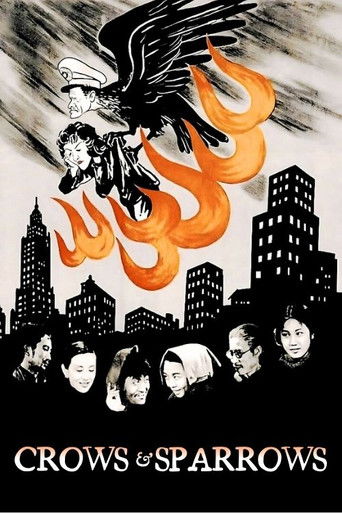
6.7A story of a corrupt party official who attempts to sell an apartment building he has appropriated from the original owner and the struggles of the tenants to prevent themselves being thrown onto the street.
Crows and Sparrows
1949
6.7A story of a corrupt party official who attempts to sell an apartment building he has appropriated from the original owner and the struggles of the tenants to prevent themselves being thrown onto the street.
Crows and Sparrows
1949
 NR
NRA propaganda documentary on Hangzhou before and after the liberation.
People's New Hangzhou
1953
 NR
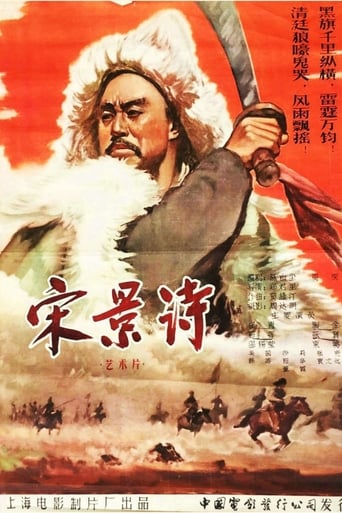
NRIn the mid-19th century, at the height of the Opium War, the Chinese people rose up against the feudal system and the Manchu dynasty, which had capitulated to foreign invaders. ... With their heads bowed, peasants in chains trudge along, those who refused to give money to crush their rebellious brothers. Suddenly, their path is blocked. It is Song Jing-shi who has come to their rescue with his detachment. The freed peasants joined Song Jing-shi. This is how the core of the Black Flag Army was formed. The first historical film made in socialist China in the 1950s. The script is based on authentic material collected in villages in Shandong Province. Legends about the cruelty of Sen Gelinzin and the bravery of Sun Jing-shi, who is called the "Chinese Spartacus," still live on among the people.
Song Jing Shi
1955
 NR
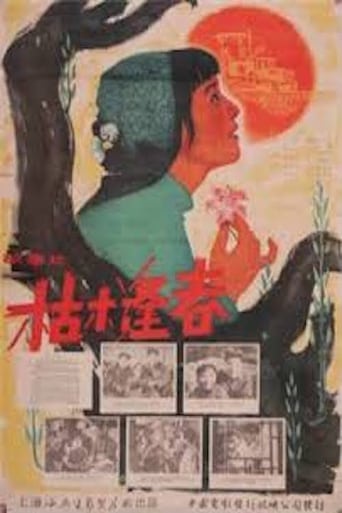
NRA critical hit during one of China’s most politically charged periods, Zheng’s follow-up to his 1959 anniversary epics merged Soviet-style socialist realism with his own breakthroughs in film technique, specifically his use of continuous camera movement in the spirit of traditional Chinese scrolls. Tractor-kino at its finest, the film revolves around two rural lovers—one struck with a deadly disease—and their eventual survival thanks to socialist medical advances.
A Withered Tree Meets Spring
1961
NRA critical hit during one of China’s most politically charged periods, Zheng’s follow-up to his 1959 anniversary epics merged Soviet-style socialist realism with his own breakthroughs in film technique, specifically his use of continuous camera movement in the spirit of traditional Chinese scrolls. Tractor-kino at its finest, the film revolves around two rural lovers—one struck with a deadly disease—and their eventual survival thanks to socialist medical advances.
A Withered Tree Meets Spring
1961
A documentary on the anti-Japanese war, once thought to be lost but eventually a print was discovered in the archive of Taiwan.
Long Live the Chinese Nation
1940
A documentary on the anti-Japanese war, once thought to be lost but eventually a print was discovered in the archive of Taiwan.
Long Live the Chinese Nation
1940
 8.0
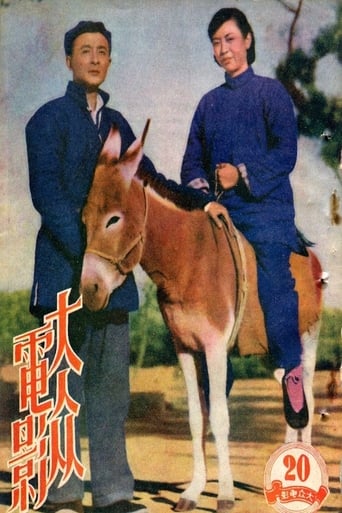
8.0An absorbing example of genre filmmaking in the People’s Republic of China, Husband and Wife could at first glance be mistaken for any other romantic melodrama chronicling the rise and decline of a married couple’s love; here, though, that love takes place in (and is entirely defined by) a realm of political upheaval and Maoist ideology. A Shanghai intellectual marries an illiterate peasant woman–turned–collectivist hero, with outcomes both universal (differences emerge) and specific (revolutionary self-critiques). At first a popular hit, the film (and Zheng himself) was soon critically attacked for counterrevolutionary, pro-bourgeois thought. Zheng even penned a confessional autocritique, but the damage to his career was done. (BAMPFA)
Husband and Wife
1951
8.0An absorbing example of genre filmmaking in the People’s Republic of China, Husband and Wife could at first glance be mistaken for any other romantic melodrama chronicling the rise and decline of a married couple’s love; here, though, that love takes place in (and is entirely defined by) a realm of political upheaval and Maoist ideology. A Shanghai intellectual marries an illiterate peasant woman–turned–collectivist hero, with outcomes both universal (differences emerge) and specific (revolutionary self-critiques). At first a popular hit, the film (and Zheng himself) was soon critically attacked for counterrevolutionary, pro-bourgeois thought. Zheng even penned a confessional autocritique, but the damage to his career was done. (BAMPFA)
Husband and Wife
1951
 7.0
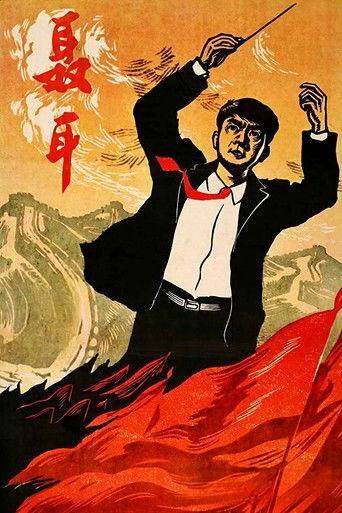
7.0Shot in gorgeous color, this fascinating communist flipside to fifties Hollywood music biopics chronicles the life and tragic early death of Nie Er, the composer of the PRC’s national anthem.
Nie Er
1962
7.0Shot in gorgeous color, this fascinating communist flipside to fifties Hollywood music biopics chronicles the life and tragic early death of Nie Er, the composer of the PRC’s national anthem.
Nie Er
1962