
Known for
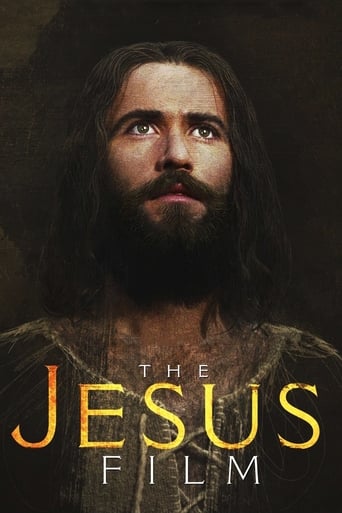 8.3
Three and a half years of Jesus' ministry, as told in the Gospel of Luke.
Jesus
1979
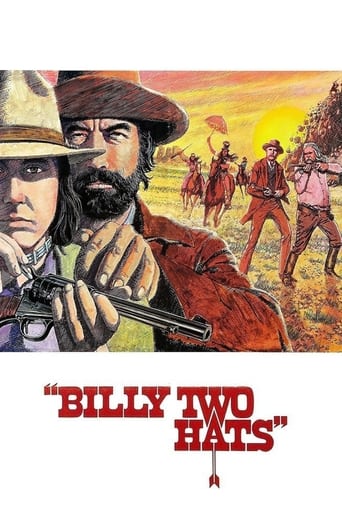 5.8
After a bank robbery, runaway Scottish outlaw Arch Deans and his young half-breed Kiowa partner Billy Two Hats develop a father-son relationship, but Sheriff Henry Gifford is determined to capture or kill them.
Billy Two Hats
1974
 5.5
Dr. Mabuse has been locked away for years in an insane asylum. Suddenly crimes start occurring and no one knows the culprit. A detective goes to visit the Doctor to find some sort of clues to the robberies.
The Testament of Dr. Mabuse
1962
 6.8
Strange things happen in a revue theatre. The dancer Maria seems to be hunted by an invisible admirer. When the body of a probable FBI agent is found in a trunk the police asks FBI man Joe Como for help. Como gets interested in the revue theatre and an ominous transport firm soon. When he is receiving mysterious threatening letters he is sure that Dr. Mabuse has risen again. But what is going on at "Enterprise X" so that both the goverment and the mad genius in crime are interested in it?
The Invisible Dr. Mabuse
1962
 5.0
A middle-aged truck driver travelling through the desert with his good-for-nothing nephew and a pretty nun, gets stuck and are forced to wait to be rescued.
Short Cut to Haifa
1972
 6.5
A Chinese cult bent on taking over the world uses an idol called The Golden Reptile that they believe can give them the power to achieve their goal.
The Curse of the Yellow Snake
1963
Film credits
1970s · 7 titles
8.3Three and a half years of Jesus' ministry, as told in the Gospel of Luke.
Jesus
1979
5.8After a bank robbery, runaway Scottish outlaw Arch Deans and his young half-breed Kiowa partner Billy Two Hats develop a father-son relationship, but Sheriff Henry Gifford is determined to capture or kill them.
Billy Two Hats
1974
5.0A middle-aged truck driver travelling through the desert with his good-for-nothing nephew and a pretty nun, gets stuck and are forced to wait to be rescued.
Short Cut to Haifa
1972
 8.5
A story about Rafi and Tsipi - newlyweds leaving with their parents.
A Movie and Breakfast
1977
 7.5
In this Israeli comedy, the baker has half a winning lottery ticket, and his deceased partner has the other. In order to benefit from winning, somebody needs to put the two together. The baker searches stealthily for the missing half, so do the dead partner's son-in-law and a group of thieves who hear of this potential windfall. There is some slapstick as this group chases one or another of its member through the streets and shops of Tel-Aviv
Fifty Fifty
1971
 8.5
No synopsis available yet.
The Father
1975
 8.5
Kuni Lemel's grandfather, who lives in Brooklyn, says he will give his fortune to the grandson who will move to Israel and marry a Jewish girl. The twin grandsons, Kuni the Orthodox and Moni the secular, compete for the money.
Kuni Lemel in Tel Aviv
1976
1960s · 10 titles
5.5Dr. Mabuse has been locked away for years in an insane asylum. Suddenly crimes start occurring and no one knows the culprit. A detective goes to visit the Doctor to find some sort of clues to the robberies.
The Testament of Dr. Mabuse
1962
6.8Strange things happen in a revue theatre. The dancer Maria seems to be hunted by an invisible admirer. When the body of a probable FBI agent is found in a trunk the police asks FBI man Joe Como for help. Como gets interested in the revue theatre and an ominous transport firm soon. When he is receiving mysterious threatening letters he is sure that Dr. Mabuse has risen again. But what is going on at "Enterprise X" so that both the goverment and the mad genius in crime are interested in it?
The Invisible Dr. Mabuse
1962
6.5A Chinese cult bent on taking over the world uses an idol called The Golden Reptile that they believe can give them the power to achieve their goal.
The Curse of the Yellow Snake
1963
 6.2
The supposedly dead and buried Mabuse returns to his criminal activities, as his longtime foe Police Inspector Lohmann, a dauntless girl reporter, and an American - who may be an FBI agent, or maybe a Chicago mobster - investigate a series of gruesome murders connected to a maximum security prison and involving a minister who has written a book called "The Anatomy Of The Devil".
The Return of Dr. Mabuse
1961
 6.3
Audie plays a James Bond-type action hero assigned to destroy a Neo-Nazy weapons factory headed by nemesis George Sanders.
Trunk to Cairo
1966
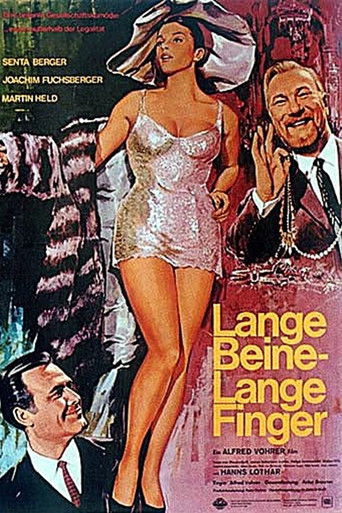 8.0
Baron Holberg, who looks back with pride on a long family tradition as hotel thieves, is horrified when his daughter Doris falls in love with the lawyer Robert Hammond, of all people, rather than choosing the art thief Sammy, as he would wish. Under the pretext that they are being pursued by the police, he lures his daughter away from the lawyer, but when he confesses the deception to her, Doris immediately sets off for Hammond's country estate near London. However, Hammond's father is not too fond of the connection either...
Long Legs, Long Fingers
1966
 6.4
This romantic drama directed by Peter Frye is about the son of a millionaire Jewish family living in Texas who travels to Israel. On his way to the hotel in Tel Aviv after landing at the airport, the son Mike (Seymour Gitin) gets invited to spend some time with a cab driver's family. Before he has time to experience jet lag, the unwanted attentions of a female in the hotel send Mike packing. He ends up with the cabbie's family, a mixed group presided over by an authoritative matriarch (Batya Lancet). She sees no reason why one of her marriageable daughters should not hook up with this millionaire Mike, but Mike has already lost his heart to a model on a magazine cover -- quite a sticky wicket.
I Like Mike
1961
 6.7
A series of knife murders have an odd feature about them; the victims find that their luggage has been packed for them just before their deaths. Scotland Yard investigates, and discover that the murders are linked to an addictive drug called Mescadrine.
The Secret of the Black Trunk
1962
 8.0
During the Palestinian War of 1948, an American falls in love with her late fiance's friend, an Israeli gunrunner.
Sands of Beersheba
1964
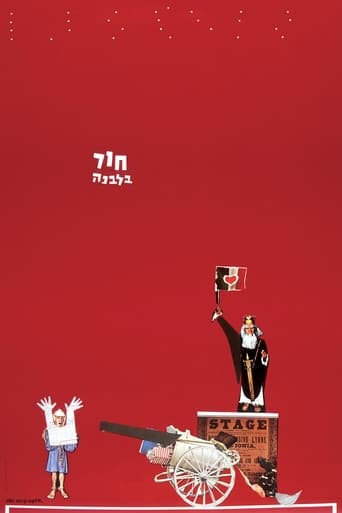 6.0
A comic and episodic satire, the film uses improvisation to illustrate the clash between fantasy and reality in real life. Although conceived in the style of Mekas’ “Hallelujah the hills” (1962), it’s an authentically Israeli satire, an openly rebellious and individualistic expression that poked fun at the sacred myths of earlier zionist films. The technique of film within the film is used to portray cinema as reflection of the imagination, a miracle based on dreams and fantasies that take on concrete characteristics – parallel to the miracle of Israel, the dream that has become reality. Although not a commercial success, its importance is beyond any measure, though it remains a unique experiment, boldly uncommercial and subversive, out of any context in that patriotic, ideological epoch.
Hole in the Moon
1964