
Directing
Stephen Dwoskin
Born — Died
1939-01-15 — 2012-06-28
Place of birth
New York, New York
Known for
Directing
Credits
56 titles
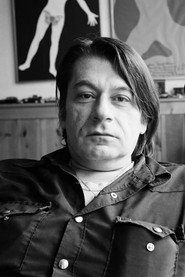
Stephen Dwoskin was born in New York in 1939 and began making independent shorts there in 1961. In 1964 he followed his research work to London where he settled and participated in the founding of the London Filmmaker’s Co-op. His experimental films, for which he himself does the camera work, play with ideas of desire, sexual and mental solitude and the passage of time. In his films he also explores representation in cinema, performances, personal impressions and his own physical handicap which has been a source of inspiration for him throughout his career. Dwoskin died on 28th June 2012 in London. His sensitive and emancipating works have been the subject of various international presenta…
Known for
 4.9
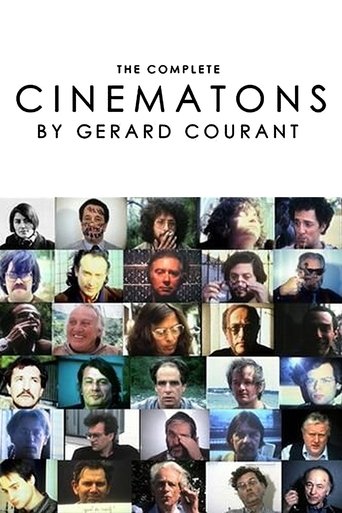
4.9Cinématon is a 156-hour long experimental film by French director Gérard Courant. It was the longest film ever released until 2011. Composed over 36 years from 1978 until 2006, it consists of a series of over 2,821 silent vignettes (cinématons), each 3 minutes and 25 seconds long, of various celebrities, artists, journalists and friends of the director, each doing whatever they want for the allotted time. Subjects of the film include directors Barbet Schroeder, Nagisa Oshima, Volker Schlöndorff, Ken Loach, Benjamin Cuq, Youssef Chahine, Wim Wenders, Joseph Losey, Jean-Luc Godard, Samuel Fuller and Terry Gilliam, chess grandmaster Joël Lautier, and actors Roberto Benigni, Stéphane Audran, Julie Delpy and Lesley Chatterley. Gilliam is featured eating a 100-franc note, while Fuller smokes a cigar. Courant's favourite subject was a 7-month-old baby. The film was screened in its then-entirety in Avignon in November 2009 and was screened in Redondo Beach, CA on April 9, 2010.
Cinématon
1978
 7.6
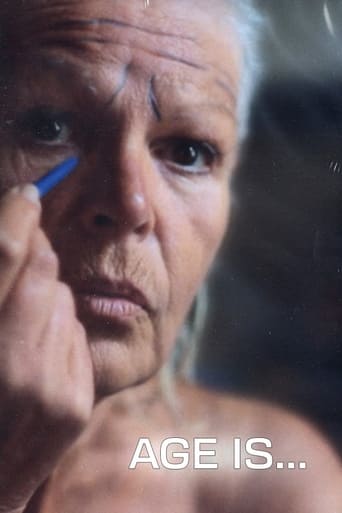
7.6Stephen Dwoskin’s final film is a meditation on the subjective experience and cultural concepts of ageing. The film is an ode to the texture, the beauty, the singularity of aging faces and silhouettes, a hypnotic poem in the Dwoskin meaning of the term which is long observations of very tiny details. A gesture, a pause, a look, a moment. Throughout his films intimacy has always played a leading role and this is also true for Age is..., all the faces being close friends, or close friends relatives and sometimes even Stephen himself.
Age Is...
2012
 7.5
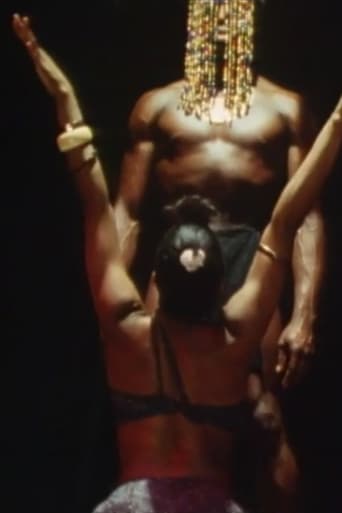
7.5Stephen Dwoskin brings together members of the Ballet Negres dance company, founded in London in 1946.
Ballet Black
1986
 7.0
7.0To Tea, made in Holland (at the house of the Dutch avant-garde filmmaker Franz Zwartjes), is a slowed ‘Alice in Roomland’.A guide to sensual contact between two women. Their contact is arrived at through an arrangement of slow tactics. As the light of day goes the bodies come closer, and the piano melody floats in a distant hall. Once my Hungarian art teacher said: “If you exaggerate the objective lines you reach a stronger subjective expression.” So here the strange tea party gives over to touch. – S.D.
To Tea
1970
 7.0
7.0Jonas Mekas assembles 160 portraits, appearances, and fleeting sketches of underground and independent filmmakers captured between 1955 and 1996. Fast-paced and archival in spirit, the film celebrates the avant-garde as its own “nation of cinema,” a vital community existing outside the dominance of commercial film.
Birth of a Nation
1997
The film is just this kind wandering through the personal ways and whys of different kinds of pain in different kinds of people. The film searches through the many levels of pain and finds it in its unique position between disaster and pleasure. Pain is..thus plunges us instantly into the midst of controversy and the unknown.
Pain Is...
1997
Film credits
2010s · 2 titles
 3.2
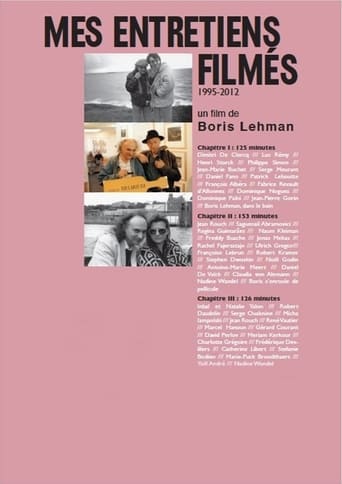
3.2This distinctly personal journey into the artistic possibilities of independent film is not to be missed. Jonas Mekas, Jean-Pierre Gorin, Robert Kramer and many other visionaries and mavericks of the silver screen – as well as a book seller, a critic and a psychoanalyst – discuss what cinema has meant to them, what it is and what it could be and, implicitly, how it has changed over the 18 years in which this film was shot. Director Boris Lehman leads the charge, drawing in moments of absurdist humour and inventive camera work; he keeps things raw and spontaneous. His encounters with the now much-missed Jean Rouch and Stephen Dwoskin are particularly touching and stand testament to their personal playfulness and candour. An engaging, absorbing, epic odyssey of a movie.
My Conversations on Film
2013
 NR
NRStephen Dwoskin was born in New York in 1939 and began making independent shorts there in 1961. In 1964 he followed his research work to London where he settled and participated in the founding of the London Filmmaker’s Co-op. His experimental films, for which he himself does the camera work, play with ideas of desire, sexual and mental solitude and the passage of time. In his films he also explores representation in cinema, performances, personal impressions and his own physical handicap which has been a source of inspiration for him throughout his career. His sensitive and emancipating works have been the subject of various international presentations.
Cinexpérimentaux #9: Stephen Dwoskin
2012
2000s · 2 titles
 6.8
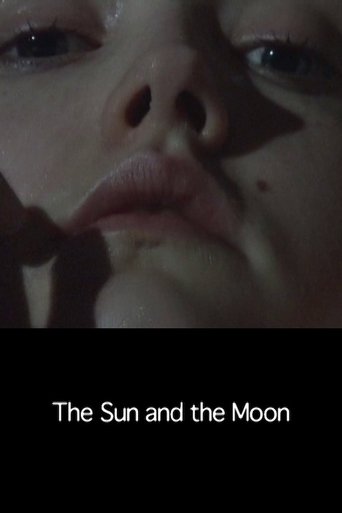
6.8'The Sun and the Moon, a film fairy tale, is about two women’s terrifying encounter with ‘Otherness’ in the form of a man, abject and monstrous, and for them to either to witness, accept or partake in his annihilation. All are caught in their own isolation and are fearful of the menace that has to be met. The film, as a personal interpretation of Beauty and the Beast, enciphers concerns, beliefs and desires in seductive images that are themselves a form of camouflage, making it possible to utter harsh truths.'
The Sun and the Moon
2008
Shot in Brixton, London, in 2004, the film is originally a letter addressed to Dwoskin by its authors. It creates a unique space, movement and rhythm in which they develop his point of view on the evolution of cinema in the western world.
Conversation Piece with Stephen Dwoskin
2005
1990s · 2 titles
7.0Jonas Mekas assembles 160 portraits, appearances, and fleeting sketches of underground and independent filmmakers captured between 1955 and 1996. Fast-paced and archival in spirit, the film celebrates the avant-garde as its own “nation of cinema,” a vital community existing outside the dominance of commercial film.
Birth of a Nation
1997
The film is just this kind wandering through the personal ways and whys of different kinds of pain in different kinds of people. The film searches through the many levels of pain and finds it in its unique position between disaster and pleasure. Pain is..thus plunges us instantly into the midst of controversy and the unknown.
Pain Is...
1997
1980s · 5 titles
 9.0
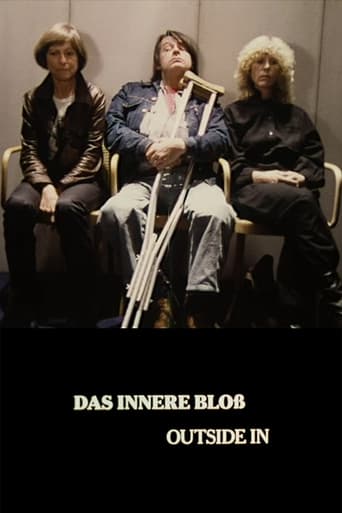
9.0A personal film by experimental director Stephen Dwoskin.
Outside In
1981
Reel 13 of Gérard Courant's on-going Cinematon series.
Cinématon XIII
1981
 NR
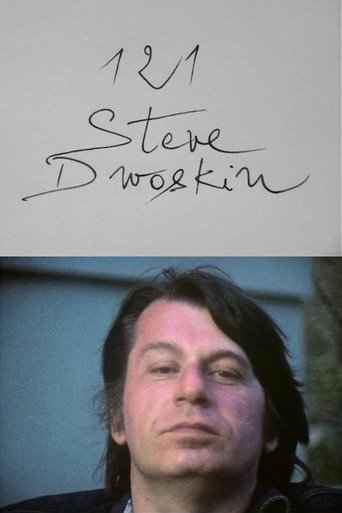
NRNo synopsis available yet.
Cinématon n°121 : Stephen Dwoskin
1981
A exploration of the origin, theory, philosophy and themes of Stephen Dwoskin's films from 1963 to 1984.
The Cinema of Stephen Dwoskin
1984
 6.0
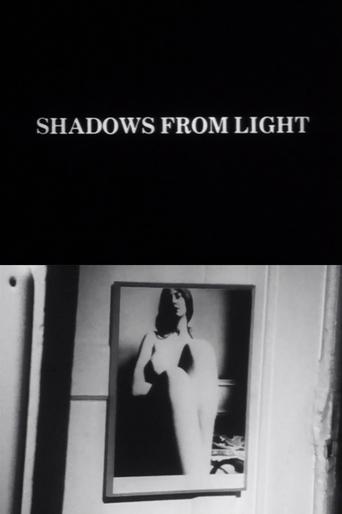
6.0Born in 1904, Brandt was a shy and enigmatic man who dominated British photography for decades. His early studies of class-divided Britain were followed by the postwar series of "distorted nudes", shot on beaches and inside rooms. The film is a fitting final portrait of Brandt (it was completed in the year he died), and recomposes his work in cinematic terms. The camera moves through an apartment where the pictures were taken, to reveal photographs scattered 'in situ'. These are panned to show the surrounding space, the angle of vision and a model who reconstructs Brandt's original image. Dwoskin emphasises visual atmosphere through the language of the eye.
Shadows from Light
1983
1970s · 3 titles
4.9Cinématon is a 156-hour long experimental film by French director Gérard Courant. It was the longest film ever released until 2011. Composed over 36 years from 1978 until 2006, it consists of a series of over 2,821 silent vignettes (cinématons), each 3 minutes and 25 seconds long, of various celebrities, artists, journalists and friends of the director, each doing whatever they want for the allotted time. Subjects of the film include directors Barbet Schroeder, Nagisa Oshima, Volker Schlöndorff, Ken Loach, Benjamin Cuq, Youssef Chahine, Wim Wenders, Joseph Losey, Jean-Luc Godard, Samuel Fuller and Terry Gilliam, chess grandmaster Joël Lautier, and actors Roberto Benigni, Stéphane Audran, Julie Delpy and Lesley Chatterley. Gilliam is featured eating a 100-franc note, while Fuller smokes a cigar. Courant's favourite subject was a 7-month-old baby. The film was screened in its then-entirety in Avignon in November 2009 and was screened in Redondo Beach, CA on April 9, 2010.
Cinématon
1978
 7.2
7.2A portrait of a relationship between a physically disabled man and an able-bodied woman.
Behindert
1974
Avant-garde appeal on behalf of and made by the adventurous leftist London cinema, The Other Cinema, using the facilities provided by the BBC community programme unit.
Open Door: The Other Cinema
1977
Behind the camera
7.6Stephen Dwoskin’s final film is a meditation on the subjective experience and cultural concepts of ageing. The film is an ode to the texture, the beauty, the singularity of aging faces and silhouettes, a hypnotic poem in the Dwoskin meaning of the term which is long observations of very tiny details. A gesture, a pause, a look, a moment. Throughout his films intimacy has always played a leading role and this is also true for Age is..., all the faces being close friends, or close friends relatives and sometimes even Stephen himself.
Age Is...
2012
7.6Stephen Dwoskin’s final film is a meditation on the subjective experience and cultural concepts of ageing. The film is an ode to the texture, the beauty, the singularity of aging faces and silhouettes, a hypnotic poem in the Dwoskin meaning of the term which is long observations of very tiny details. A gesture, a pause, a look, a moment. Throughout his films intimacy has always played a leading role and this is also true for Age is..., all the faces being close friends, or close friends relatives and sometimes even Stephen himself.
Age Is...
2012
7.5Stephen Dwoskin brings together members of the Ballet Negres dance company, founded in London in 1946.
Ballet Black
1986
7.5Stephen Dwoskin brings together members of the Ballet Negres dance company, founded in London in 1946.
Ballet Black
1986
7.5Stephen Dwoskin brings together members of the Ballet Negres dance company, founded in London in 1946.
Ballet Black
1986
7.0To Tea, made in Holland (at the house of the Dutch avant-garde filmmaker Franz Zwartjes), is a slowed ‘Alice in Roomland’.A guide to sensual contact between two women. Their contact is arrived at through an arrangement of slow tactics. As the light of day goes the bodies come closer, and the piano melody floats in a distant hall. Once my Hungarian art teacher said: “If you exaggerate the objective lines you reach a stronger subjective expression.” So here the strange tea party gives over to touch. – S.D.
To Tea
1970
The film is just this kind wandering through the personal ways and whys of different kinds of pain in different kinds of people. The film searches through the many levels of pain and finds it in its unique position between disaster and pleasure. Pain is..thus plunges us instantly into the midst of controversy and the unknown.
Pain Is...
1997
The film is just this kind wandering through the personal ways and whys of different kinds of pain in different kinds of people. The film searches through the many levels of pain and finds it in its unique position between disaster and pleasure. Pain is..thus plunges us instantly into the midst of controversy and the unknown.
Pain Is...
1997
 6.0
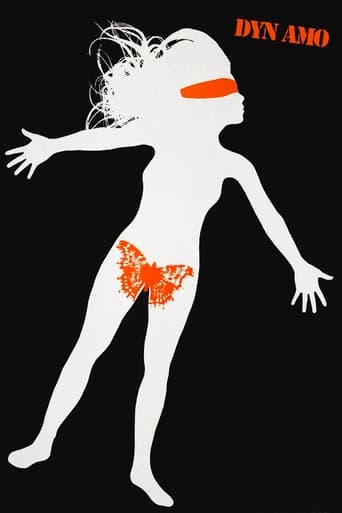
6.0'Dyn Amo' is a 'drama' exploring the distinction between a person's self and his projection of that self to others; and it's a 'horror movie' tragically suggesting how a projection can become more substantial than the self behind it. Its subjects are role-playing (especially sexual role-playing), and the masochism of playing a role that conforms to others' exploitative interests.
Dyn Amo
1972
6.0'Dyn Amo' is a 'drama' exploring the distinction between a person's self and his projection of that self to others; and it's a 'horror movie' tragically suggesting how a projection can become more substantial than the self behind it. Its subjects are role-playing (especially sexual role-playing), and the masochism of playing a role that conforms to others' exploitative interests.
Dyn Amo
1972
 9.0
9.0Trixi is Dwoskin’s most convulsive version of his recurrent theme: the confrontation of a solitary girl with the camera. Shot in one continuous 8-hour session. Trixi records Beatrice Cordua’s responses to the situation, from initial shyness, fear and withdrawal through teasing and posturing to naked surrender and final exhaustion …. The camera is highly mobile; often confronting the girl in extreme close-ups, sometimes swooping down from overhead, sometimes searching to “recapture” her …. The camera itself is the object of erotic desire, [in] the sense of giving a performance shifting imperceptibly in a helpless self-exposure in response to its constant stare. Clearly, the form of the film was dictated by the response of the performer. Beatrice Cordua proves Dwoskin’s most expressive subject to date, and the film is correspondingly “open,” the camera having been willing to choose its tactics as direct responses.
Trixi
1969
Filmed in New York in 1964, completed in London 1967.
Naissant
1964
 7.0
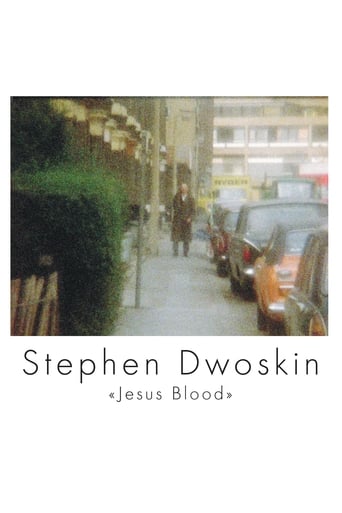
7.0A man walks towards the camera down the end of a street to the sound of 'Jesus’ Blood Never Failed Me Yet', a composition by Gavin Bryars based on a loop of an anonymous homeless man singing the song. The man’s voice is progressively intensified by an instrumental accompaniment, which increases in density and richness, before the whole thing gradually fades out. Dwoskin’s film was produced to be shown during the premiere of Jesus' Blood Never Failed Me Yet at the Queen Elizabeth Hall, London in December 1972. For Dwoskin, it represents “… the singing voice of the last days of a London drunk (anonymous) as the orchestra raises him to heaven. The faint ghost image of a figure swims gradually to you through the grains of film low light…”
Jesus Blood
1972
6.8'The Sun and the Moon, a film fairy tale, is about two women’s terrifying encounter with ‘Otherness’ in the form of a man, abject and monstrous, and for them to either to witness, accept or partake in his annihilation. All are caught in their own isolation and are fearful of the menace that has to be met. The film, as a personal interpretation of Beauty and the Beast, enciphers concerns, beliefs and desires in seductive images that are themselves a form of camouflage, making it possible to utter harsh truths.'
The Sun and the Moon
2008
6.8'The Sun and the Moon, a film fairy tale, is about two women’s terrifying encounter with ‘Otherness’ in the form of a man, abject and monstrous, and for them to either to witness, accept or partake in his annihilation. All are caught in their own isolation and are fearful of the menace that has to be met. The film, as a personal interpretation of Beauty and the Beast, enciphers concerns, beliefs and desires in seductive images that are themselves a form of camouflage, making it possible to utter harsh truths.'
The Sun and the Moon
2008
 7.2
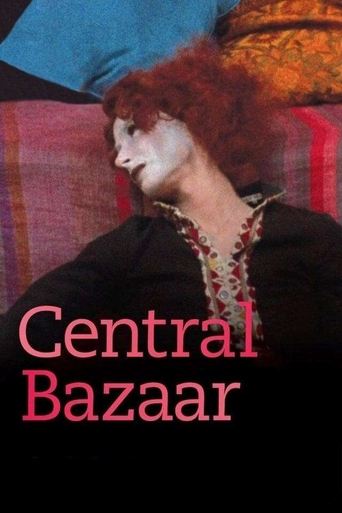
7.2A group of strangers explore their fantasies over a period of five days.
Central Bazaar
1976
 6.3
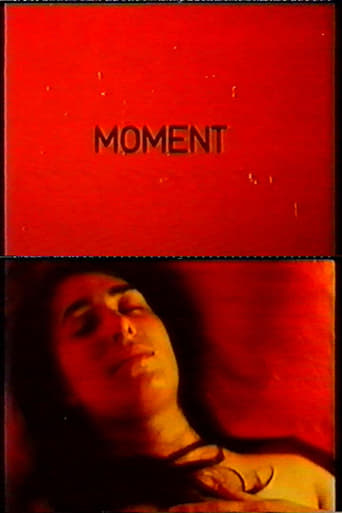
6.3A static camera records, in one single continuous shot, a woman's face before, during and after orgasm. The act of looking and the limits of the film frame are highlighted in this intimate sexual episode with Tina Fraser. Artist Stephen Dwoskin presents a powerful, personal moment while maintaining a distance and resisting the viewer being subsumed into the action on screen.
Moment
1968
 NR
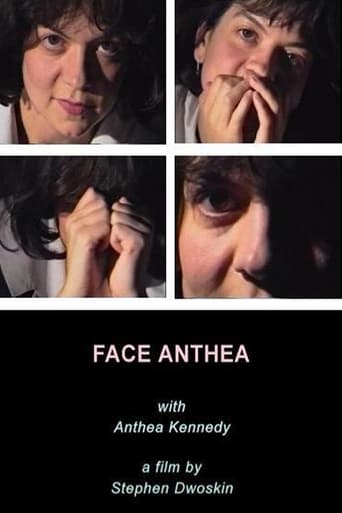
NR"Either in its natural state or with its embellishments of makeup, jewels, and hairdos, nothing can restrain the imagination from the most forms of speculation. All the senses are concentrated in this one head: eyes, ears, nose, lips, tongue and the skin which covers all with its network of vibrating nerves. One imagines the senses, the counterpart of our own, ready to respond with all the various moods, suggestions and agreements. Through the eyes alone, when placed in contact with our own, a visual dialogue and interplay is embarked upon. And when the lips, two bodies fitting together in perfect harmony, break into a smile, they invite further exploration. Then, with the engagement of time, this dialogue shifts from speculation to realization. The face transforms from its abstract suggestiveness to the singular projection of seduction. It is no longer anyones face; it is the face of one particular person" (Stephen Dwoskin)
Face Anthea
1990
9.0A personal film by experimental director Stephen Dwoskin.
Outside In
1981
9.0A personal film by experimental director Stephen Dwoskin.
Outside In
1981
7.2A portrait of a relationship between a physically disabled man and an able-bodied woman.
Behindert
1974
 9.5
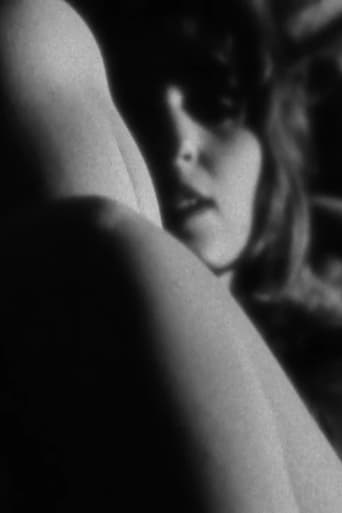
9.5Images of a woman lying on a bed appearing to have a sexual fantasy for lack of anything else to do.
Alone
1964
 8.5
8.5An unfulfilled man renders himself to the unrealized sensuality of four women. In his drifting search, he fails and fades in the same loneliness as the women.
Times For
1970
8.5An unfulfilled man renders himself to the unrealized sensuality of four women. In his drifting search, he fails and fades in the same loneliness as the women.
Times For
1970
 NR
NR"Hi Steve" and "Dear Robert" exchanged between two filmmakers: Robert Kramer and Stephen Dwoskin. "The Videoletters strip away the formalities that had littered our work and thinking. Through the making of the 'video letters' we started to relearn and re-look.". The Videoletters provide the benefits of reflection -- a lubricant for thought made out of very basic stuff -- the reduction of complexity -- and they cemented a brotherhood. Sadly, Robert's untimely death prevented the continuation of the "video letters" and they remain unfinished and unedited. (S.D.)
Vidéolettres / Videoletters
1991
 NR
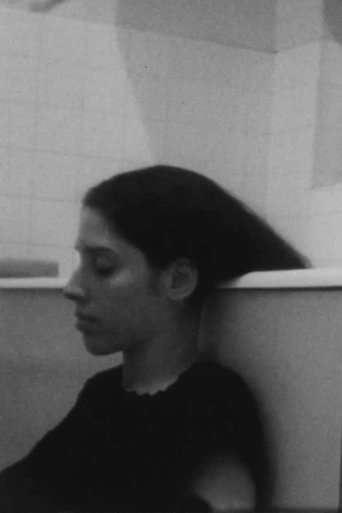
NRThe beginning of the prevalent theme – or question – what keeps us apart, even when together? This question in the later film not just the question, but as a statement…
Me Myself and I
1969
 4.6
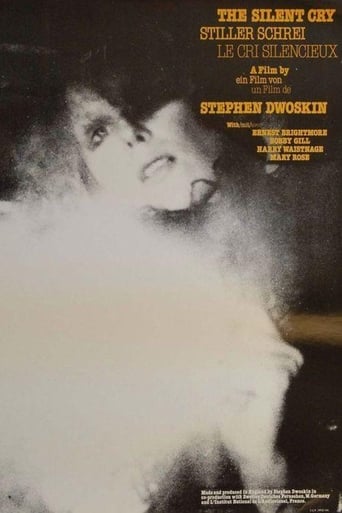
4.6'The Silent Cry is a fictionalised narrative film, based on documentary facts and extracts of one English girl's memories and thoughts, all surrounded, and directed towards her particular dilemma. This dilemma can be summarized as her basic inability to have relationships, especially sustained relationships, and particularly with men. This is the total of her statement and the film. The construction and flow of the film follows the way she thinks - it is her point of view that is followed in the film. So all things are the way she remembers and dwells on them, and which are important to her.' - S.D.
The Silent Cry
1977
 7.0
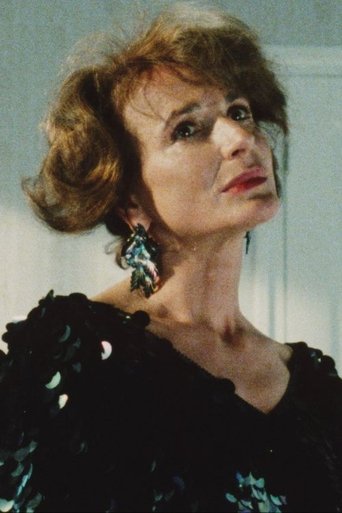
7.0An old man remembers the troubled relationship he had with his mother, the erotic games, and the phantasms in which she managed to attract him. The main line gives but a small idea of the film, of its erotic style, its choreographic dimension, its strange fragmentation. The film drifts along an ever-renewed invention, intertwining lavish dances, mask games, musical comedy, parodies, permanent repression of the body offering itself as an object of desire to the viewer who is literally seduced.’
Further and Particular
1988
 7.3
7.3Evolves around the rooms of a house as one of the main characters, Lisiska, is waiting and is studied in depth as she prepares herself for a meeting. The film attempts to display sexual barriers and misconceptions, and about the role-playing and the confusion around the whole question of sexual and sensual involvement. The essence is the confrontation with self-deception, lies and the real fear of contact with both sexes.
Death and Devil
1973
 NR
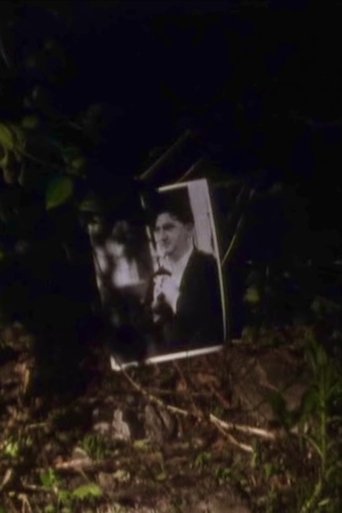
NRA film about the writing of Brendan Behan realised through three performers wandering through Dublin reciting extracts from his work. Together it tells of Behan's life and also prison, about executions,about the fear that sometimes penetrates the soul and of the disgrace of day to day life in jail. Their Irish accents strengthen and empower the words during the unrolling of the 30 minute film immediately grabbing the harshness, force and cry of Behan's world. "The Irish dislike those of their kind who think", said Behan, who wrote a lot, lived a lot, and drank a lot.
The Spirit of Brendan Behan
1990
 NR
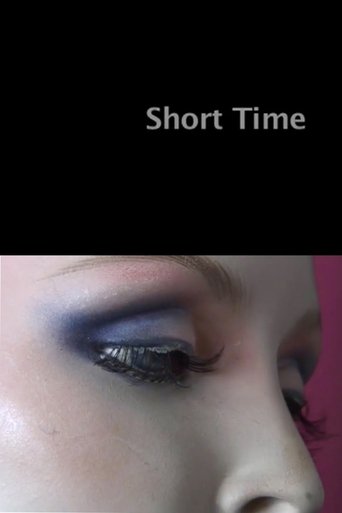
NRA summer in Beechdale Road. A meditation on the passage of time, the time in between things and the time spent together - and apart. The film was made to be screened in a loop, without credits.
Short Time
2006
Seeking in the archives of Robert Kramer, a detective, Keja Ho is looking for her deceased father. His ghostly presence haunts her search and motivates the singular dialogue between her family memories and friends.
I'll be Your Eyes, You'll Be Mine
2006
 7.0
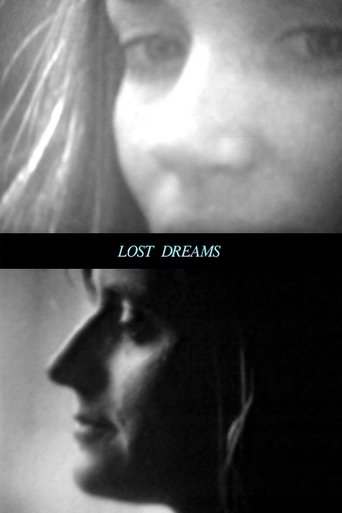
7.0Lost dreams is made out of those little remnants of images, from a single glance to a detailed moment, of those women from youth’s love and young dreams. They are woven together, like fragments of the mind, from the ends of the film to the corners of the frame.
Lost Dreams
2003
 7.5
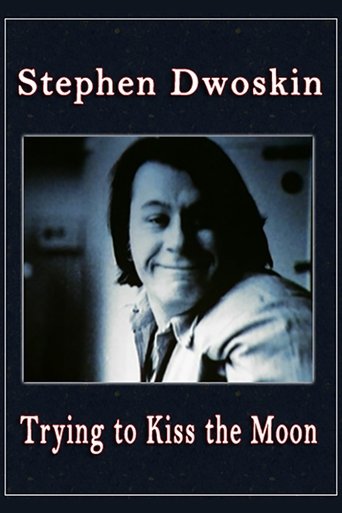
7.5In this unique approach to the autobiographical film format, director Stephen Dwoskin pieces together home movies shot by his parents in New York City, a video letter recorded during the 1990 Gulf War by filmmaker Robert Kramer, and raw footage filmed by Dwoskin himself. A veteran of the New York independent film scene of the 1960s, Dwoskin constructs a film poem in which the strong sentiment of his personal story—he was stricken by polio and eventually confined to a wheelchair—never overwhelms the beauty of the film’s distinct form.
Trying to Kiss the Moon
1994
 NR
NRMore like sketches Phone Portrait and Phone Strip explore the moving image through the uniqueness of the most modern of technologies – the cellphone – that, though being modern, produces a near primitive and raw image reminiscent of the very first moving images.
Phone Portrait
2007
 10.0
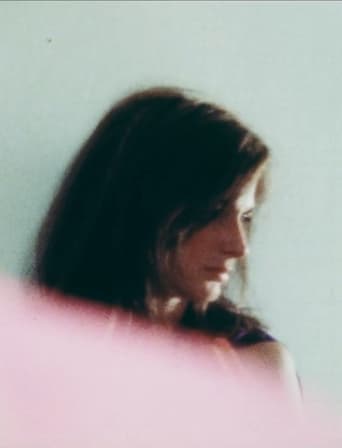
10.0The film questions the possible viewing positions with the girl; in other words, who and what is looking at whom? and is the girl alone or with another – or is the camera position that of voyeur or protagonist? The only way to figure it out is to spend some time with her! – S.D.
Kleiner Vogel
1976
 6.4
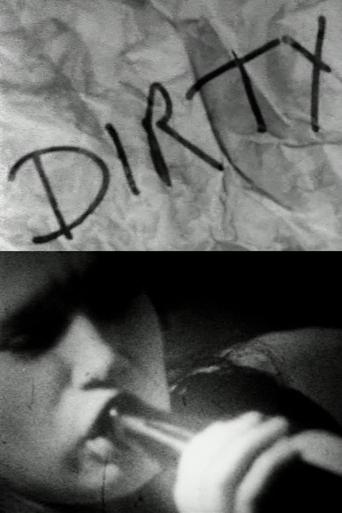
6.4DIRTY is the reincarnation of two girls, a bottle and one bed. Their bodies, hands and face expressions reach out in a refilm look.
Dirty
1971
 7.0
7.0An ode to Stephen Dwoskin's father. The film blends found family footage of the young and the ageing father. It takes the tiny gestures of daily life and turns them into the monumental moments of tenderness and respect. Part of trilogy of memoirs of loved ones.
Dad
2003
 5.4
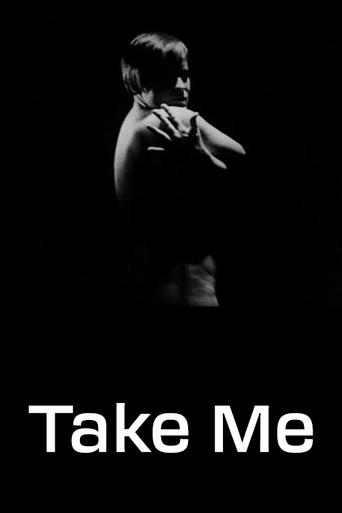
5.4Short experimental film focusing on body paint and the female form.
Take Me
1969
Avant-garde appeal on behalf of and made by the adventurous leftist London cinema, The Other Cinema, using the facilities provided by the BBC community programme unit.
Open Door: The Other Cinema
1977