
Known for
 NR
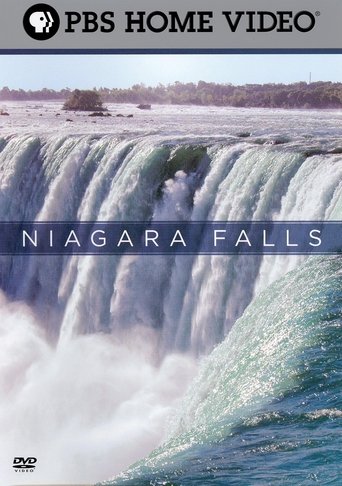
NRNIAGARA FALLS is more than the celebration of a natural wonder: it's a study of human achievement and human folly on an epic scale. It is a tale of exploitation and preservation and the changing nature of love in America - of the way Man has related to Nature over centuries. With spectacular high definition videography, the camera takes us to the edge of the falls via helicopter and boat; we see newsreel footage, actual weddings and much more
Niagara Falls
2006
 7.0
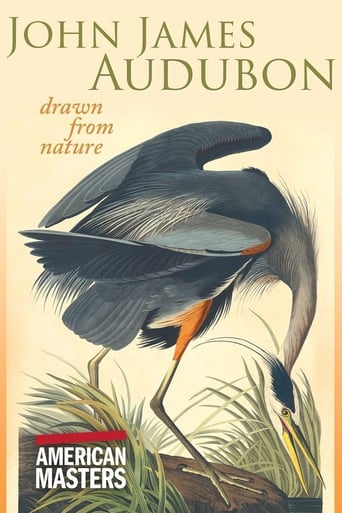
7.0This beautifully photographed documentary profiles the surprising life of John James Audubon, one of the foremost naturalists, artists and explorers of the 19th century. Audubon's stunningly vivid wildlife portraits are examined in detail. A self-taught artist, Audubon was also a showman who reveled in dramatizing his Wild West adventures when he toured European drawing rooms. Audubon's fierce promotion of conservation is also discussed.
John James Audubon: Drawn from Nature
2007
 7.4
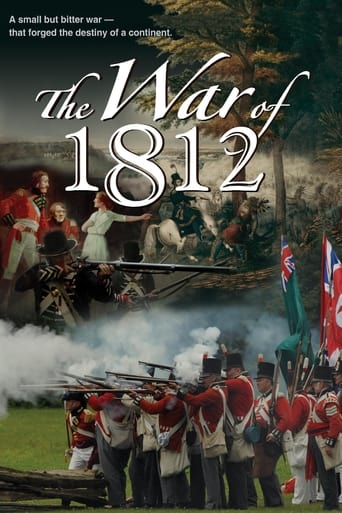
7.4The War 1812 is a two-hour film history of a deeply significant event in North American and world history. The war shaped American, Canadian and British destiny in the most literal way possible: had one or two battles or decisions gone a different way, a map of the United States today would look entirely (and shockingly) different. The fires of this war forged the nation of Canada; at the same time, the result tolled the end of Native American dreams of a separate nation. By war's end, the process of Native nation removal had already begun in the southeast, paving the way for a Cotton Kingdom powered by slavery, and a United States that had been on the verge of collapse was ready to announce its arrival as a global power. The U.S. did not win the War of 1812, but the noble experiment of democracy had managed to survive intense pressure from without, and within.
The War of 1812
2011
 7.3
7.3Tells about the Wilderness Act of 1964 and the three men responsible for its passage: forester/philosopher Aldo Leopold, author of the bestselling Sand County almanac and the first to bring the word 'ecology' into standard usage; Bob Marshall, millionaire socialist and founder of the Wilderness Society; and Howard Zahniser, a bureaucrat with a love of the wild places he seldom saw. Singly and together, these three fought from the 1920s through the 1950s to preserve the natural world. Provides an overview of the roots of the environmental movement, offering a deeper understanding of one of the most important issues facing contemporary civilization.
Wild by Law
1991
A look at deaf culture from the 19th century to the present.
Through Deaf Eyes
2007
Behind the camera
NRNIAGARA FALLS is more than the celebration of a natural wonder: it's a study of human achievement and human folly on an epic scale. It is a tale of exploitation and preservation and the changing nature of love in America - of the way Man has related to Nature over centuries. With spectacular high definition videography, the camera takes us to the edge of the falls via helicopter and boat; we see newsreel footage, actual weddings and much more
Niagara Falls
2006
7.0This beautifully photographed documentary profiles the surprising life of John James Audubon, one of the foremost naturalists, artists and explorers of the 19th century. Audubon's stunningly vivid wildlife portraits are examined in detail. A self-taught artist, Audubon was also a showman who reveled in dramatizing his Wild West adventures when he toured European drawing rooms. Audubon's fierce promotion of conservation is also discussed.
John James Audubon: Drawn from Nature
2007
7.4The War 1812 is a two-hour film history of a deeply significant event in North American and world history. The war shaped American, Canadian and British destiny in the most literal way possible: had one or two battles or decisions gone a different way, a map of the United States today would look entirely (and shockingly) different. The fires of this war forged the nation of Canada; at the same time, the result tolled the end of Native American dreams of a separate nation. By war's end, the process of Native nation removal had already begun in the southeast, paving the way for a Cotton Kingdom powered by slavery, and a United States that had been on the verge of collapse was ready to announce its arrival as a global power. The U.S. did not win the War of 1812, but the noble experiment of democracy had managed to survive intense pressure from without, and within.
The War of 1812
2011
7.3Tells about the Wilderness Act of 1964 and the three men responsible for its passage: forester/philosopher Aldo Leopold, author of the bestselling Sand County almanac and the first to bring the word 'ecology' into standard usage; Bob Marshall, millionaire socialist and founder of the Wilderness Society; and Howard Zahniser, a bureaucrat with a love of the wild places he seldom saw. Singly and together, these three fought from the 1920s through the 1950s to preserve the natural world. Provides an overview of the roots of the environmental movement, offering a deeper understanding of one of the most important issues facing contemporary civilization.
Wild by Law
1991
7.3Tells about the Wilderness Act of 1964 and the three men responsible for its passage: forester/philosopher Aldo Leopold, author of the bestselling Sand County almanac and the first to bring the word 'ecology' into standard usage; Bob Marshall, millionaire socialist and founder of the Wilderness Society; and Howard Zahniser, a bureaucrat with a love of the wild places he seldom saw. Singly and together, these three fought from the 1920s through the 1950s to preserve the natural world. Provides an overview of the roots of the environmental movement, offering a deeper understanding of one of the most important issues facing contemporary civilization.
Wild by Law
1991
A look at deaf culture from the 19th century to the present.
Through Deaf Eyes
2007