
Acting
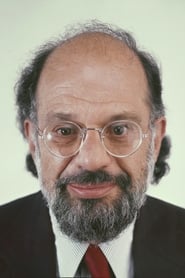
Allen Ginsberg
Born — Died
1926-06-03 — 1997-04-05
Place of birth
Newark, New Jersey, USA
Known for
Acting
Credits
67 titles
Irwin Allen Ginsberg (June 3, 1926 – April 5, 1997) was an American poet. He is considered to be one of the leading figures of both the Beat Generation during the 1950s and the counterculture that soon followed. He vigorously opposed militarism, economic materialism and sexual repression and was known as embodying various aspects of this counterculture, such as his views on drugs, hostility to bureaucracy and openness to Eastern religions. He was one of many influential American writers of his time known as the Beat Generation, which included famous writers such as Jack Kerouac and William S. Burroughs. Description above from the Wikipedia article Allen Ginsberg, licensed under CC-BY-SA, fu…
Known for
 6.8
6.8The Dick Cavett Show has been the title of several talk shows hosted by Dick Cavett on various television networks.
The Dick Cavett Show
1968
 7.5
7.5This eight-part, 16½-hour television event explores New York City's rich history as the premier laboratory of modern life. A sweeping narrative covering nearly 400 years and 400 square miles, it reveals a complex and dynamic city that has played an unparalleled role in shaping the nation and reflecting its ideals.
New York
1999
 7.0
7.0Part documentary, part concert film, part fever dream, this film captures the troubled spirit of America in 1975 and the joyous music that Dylan performed during the fall of that year.
Rolling Thunder Revue: A Bob Dylan Story by Martin Scorsese
2019
 7.2
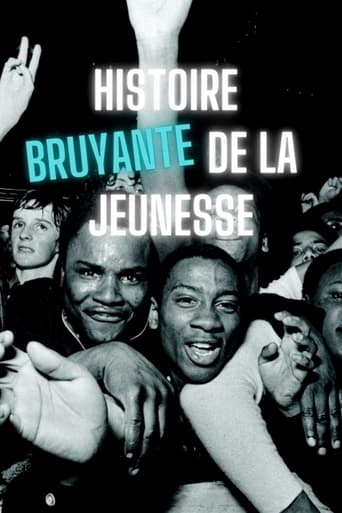
7.2A look back at the social movements, revolts and youth subcultures from the post-war period to the present day: after the World War II, the left-bank of Paris became a mecca for jazz and alternative living, youth culture was born with trailblazing American movies, and rock became the soundtrack to a generation that wanted to change everything.
70 Years of Youth Revolt
2020
 6.5
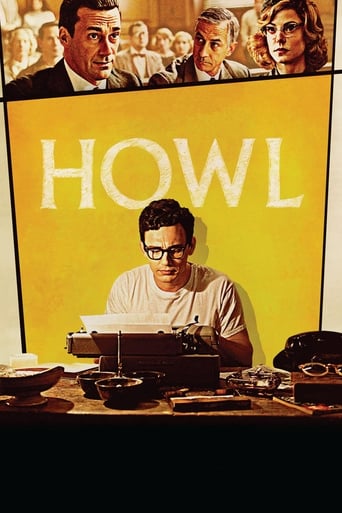
6.5It's San Francisco in 1957, and an American masterpiece is put on trial. Howl, the film, recounts this dark moment using three interwoven threads: the tumultuous life events that led a young Allen Ginsberg to find his true voice as an artist, society's reaction (the obscenity trial), and mind-expanding animation that echoes the startling originality of the poem itself. All three coalesce in a genre-bending hybrid that brilliantly captures a pivotal moment-the birth of a counterculture.
Howl
2010
 7.1
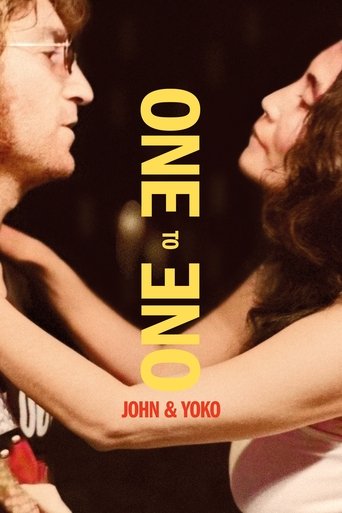
7.1An exploration of the seminal and transformative 18 months that one of music’s most famous couples — John Lennon and Yoko Ono — spent living in Greenwich Village, New York City, in the early 1970s.
One to One: John & Yoko
2025
Film credits
2020s · 8 titles
7.1An exploration of the seminal and transformative 18 months that one of music’s most famous couples — John Lennon and Yoko Ono — spent living in Greenwich Village, New York City, in the early 1970s.
One to One: John & Yoko
2025
 6.8
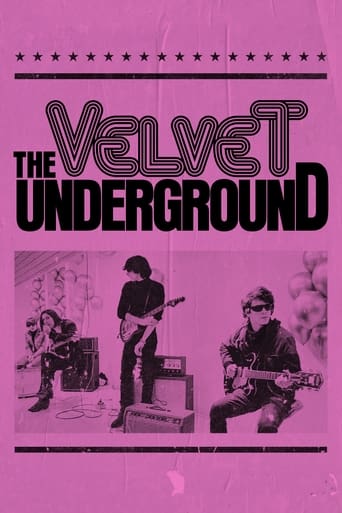
6.8Experience the iconic rock band's legacy in the first major documentary to tell their story. Directed with the era’s avant-garde spirit by Todd Haynes, this kaleidoscopic oral history combines exclusive interviews with dazzling archival footage.
The Velvet Underground
2021
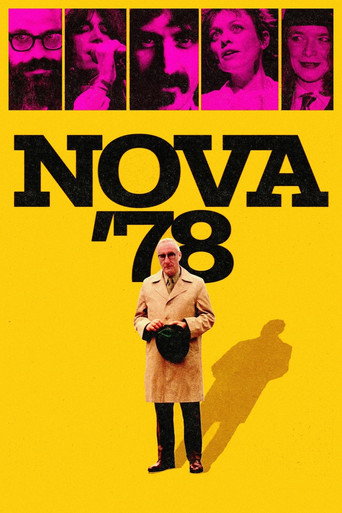 NR
NREast Village, New York, 1978. William Burroughs, Patti Smith, Frank Zappa, Allen Ginsberg, and other brilliant minds come together in an explosion of ideas, art, and rebellion.
Nova '78
2026
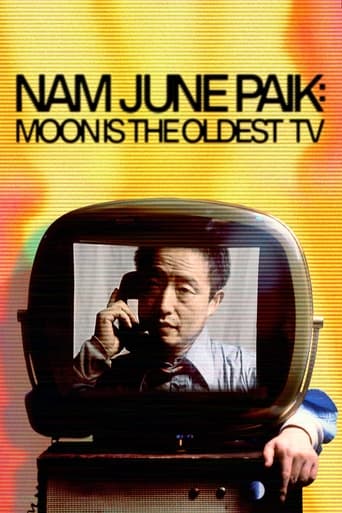 6.8
6.8The quixotic journey of Nam June Paik, one of the most famous Asian artists of the 20th century, who revolutionized the use of technology as an artistic canvas and prophesied both the fascist tendencies and intercultural understanding that would arise from the interconnected metaverse of today's world.
Nam June Paik: Moon Is the Oldest TV
2023
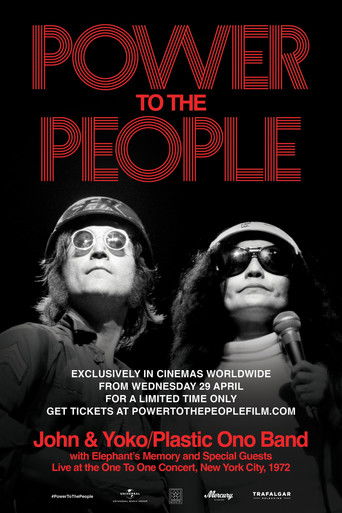 NR
NRJohn & Yoko/Plastic Ono Band with Elephant's Memory and Special Guests performed these now-legendary sold-out One To One concerts to a combined audience of 40,000 people, raising over $1.5M for children with intellectual and developmental disabilities. They were the only full-length concerts John Lennon (with Yoko Ono) performed after leaving The Beatles.
Power to the People: John & Yoko Live in NYC
2026
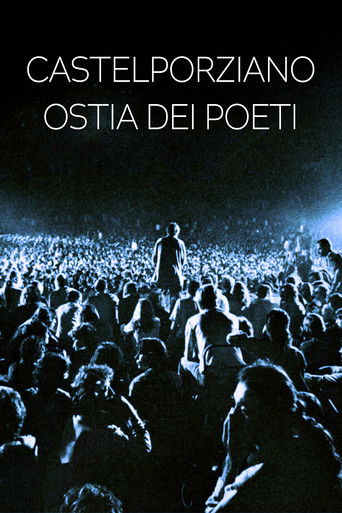 7.5
7.5The film recounts the "First International Festival of Poets" held on the beach at Castelporziano in 1979, intertwining the event with symbolic and disturbing events in Italy in the late 1970s, such as the proximity to the site of Pasolini's murder and an oil spill offshore coinciding with the event.
castelporziano ostia dei poeti
2025
 6.7
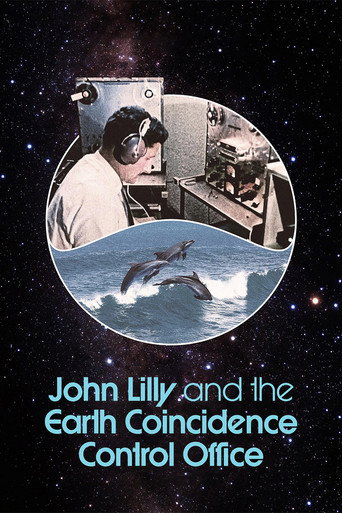
6.7The daring experimenter Dr. John C. Lilly dedicated his life to radical self-investigation and unlocking the mysteries of consciousness and communication. “My body is my laboratory” was the motto, and his research on the language of dolphins and whales – as well as psychedelics and sensory deprivation – assured his own cult status in 20th-century pop culture as the basis for Ken Russel’s Altered States and Mike Nichols’s The Day of the Dolphin. Directors Michael Almareyda and Courtney Stephens, along with narrator Chloë Sevigny, explore the life of a determined scientist and his experiments into the psychonautical unknown.
John Lilly and the Earth Coincidence Control Office
2025
 NR
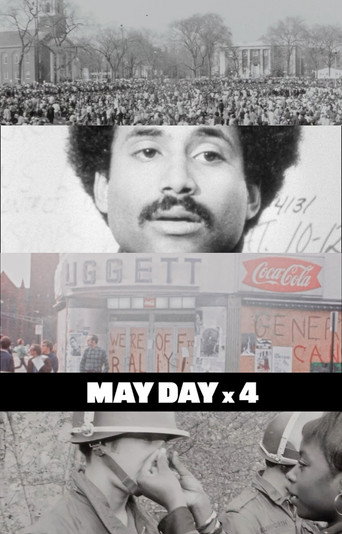
NRDrawing on archival footage from four separate film productions that documented the protests of early May, 1970, this short film creates a kaleidoscopic portrait of the response to the New Haven Black Panther trials.
May Day x 4
2026
2010s · 10 titles
7.0Part documentary, part concert film, part fever dream, this film captures the troubled spirit of America in 1975 and the joyous music that Dylan performed during the fall of that year.
Rolling Thunder Revue: A Bob Dylan Story by Martin Scorsese
2019
6.5It's San Francisco in 1957, and an American masterpiece is put on trial. Howl, the film, recounts this dark moment using three interwoven threads: the tumultuous life events that led a young Allen Ginsberg to find his true voice as an artist, society's reaction (the obscenity trial), and mind-expanding animation that echoes the startling originality of the poem itself. All three coalesce in a genre-bending hybrid that brilliantly captures a pivotal moment-the birth of a counterculture.
Howl
2010
 7.3
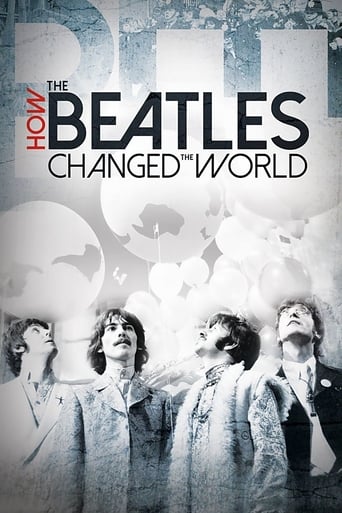
7.3The fascinating story of the cultural, social, spiritual, and musical revolution ignited by the coming of the Beatles. Tracing the impact that these four band members had, first in their native Britain and soon after worldwide, it reappraises the band and follows their path from young subversives to countercultural heroes. Featuring fresh, revealing interviews with key collaborators as well as a wealth of rarely-seen archival footage, this is a bold new take on the most significant band in the history of music and their enduring impact on popular culture.
How the Beatles Changed the World
2017
 6.5
6.5In a hypercompetitive world, drugs like Adderall offer students, athletes, coders and others a way to do more -- faster and better. But at what cost?
Take Your Pills
2018
 5.5
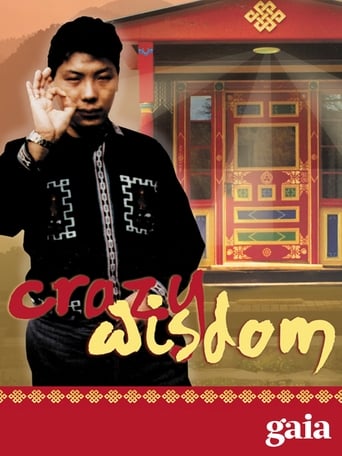
5.5CRAZY WISDOM explores the arrival of Tibetan Buddhism in America through the story of Chögyam Trungpa, who landed in the U.S. in 1970. Trungpa became renowned for translating ancient Buddhist concepts into language and ideas that Westerners could understand and shattered preconceived notions about how an enlightened teacher should behave. Initially rejected, his teachings are now recognized by western philosophers and spiritual leaders as authentic and profound.
Crazy Wisdom: The Life and Times of Chögyam Trungpa Rinpoche
2011
 4.0
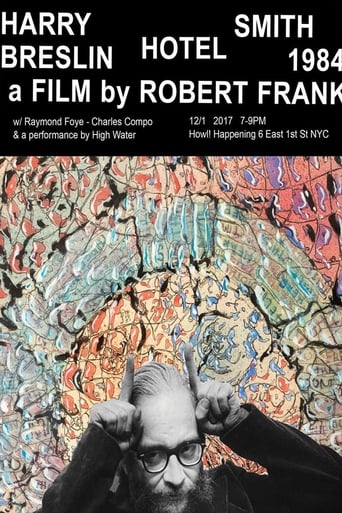
4.0The 94-year-old Robert Frank’s unique recordings of his fellow artists Harry Smith and Allen Ginsberg, which he had salvaged from his own archive for Harry Smith at the Breslin Hotel.
Harry Smith at the Breslin Hotel
2017
 9.2
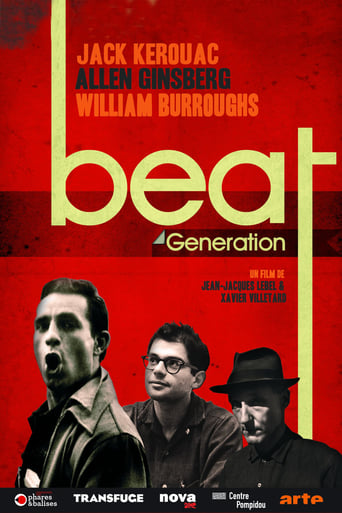
9.2Tells the story of the wonderful and long-lasting friendship between Jack Kerouac, Allen Ginsberg and William Burroughs that gave birth to the Beat Generation movement.
Beat Generation
2014
 5.0
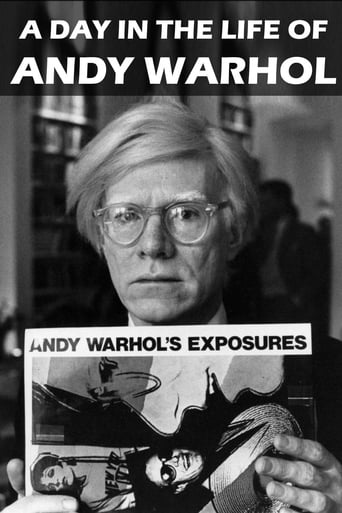
5.0Stephen Smith sets out to discover the real Andy Warhol - in the hour-by-hour detail of his daily life.
A Day in the Life of Andy Warhol
2015
 7.0
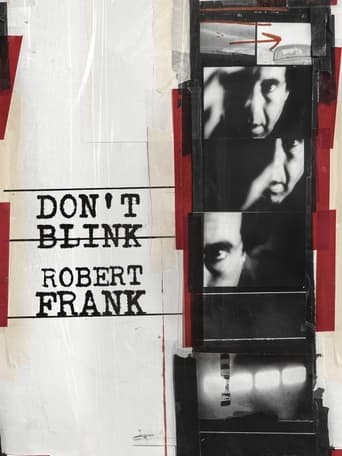
7.0The life and work of Robert Frank—as a photographer and a filmmaker—are so intertwined that they're one in the same, and the vast amount of territory he's covered, from The Americans in 1958 up to the present, is intimately registered in his now-formidable body of artistic gestures. From the early '90s on, Frank has been making his films and videos with the brilliant editor Laura Israel, who has helped him to keep things homemade and preserve the illuminating spark of first contact between camera and people/places. Don't Blink is Israel's like-minded portrait of her friend and collaborator, a lively rummage sale of images and sounds and recollected passages and unfathomable losses and friendships that leaves us a fast and fleeting imprint of the life of the Swiss-born man who reinvented himself the American way, and is still standing on ground of his own making at the age of 90.
Don't Blink - Robert Frank
2015
 7.0
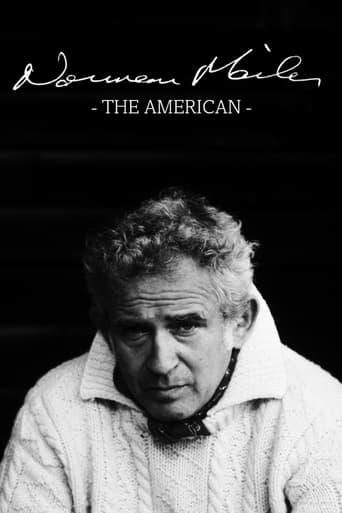
7.0A provocateur, a rebel, a performer, and a true American, Norman Mailer never stopped giving people something to talk about. This documentary goes beyond the Mailer of the bookshelves and NY Times best seller list to Mailer the social critic, family man, filmmaker, and lover. Here's a look into the life of a complex, intellectual, working class hero. With never before seen footage of Adele Morales Mailer's startling revelations after being stabbed by her husband. Featuring unseen footage and interviews from wives and lovers, enemies and admirers, his children and the man himself.
Norman Mailer: The American
2012
2000s · 8 titles
 7.8
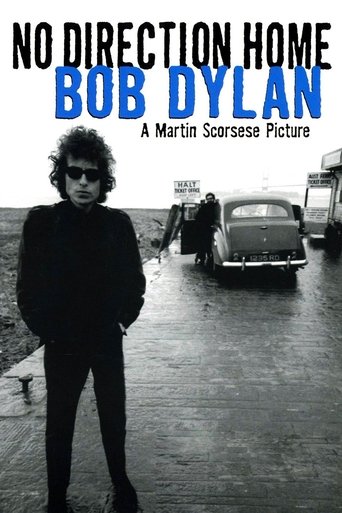
7.8A chronicle of Bob Dylan's strange evolution between 1961 and 1966 from folk singer to protest singer to "voice of a generation" to rock star.
No Direction Home: Bob Dylan
2005
 6.9
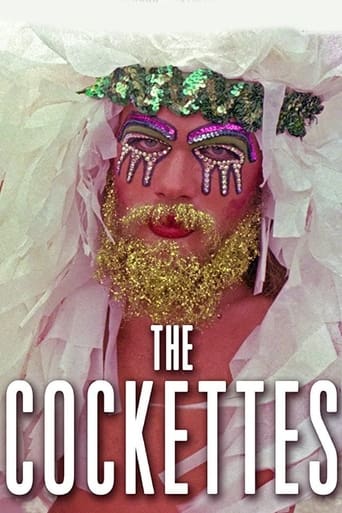
6.9Documentary about the gender-bending San Francisco performance group who became a pop culture phenomenon in the early 1970s.
The Cockettes
2002
 7.8
7.8A compilation of over 30 years of private home movie footage shot by Lithuanian-American avant-garde director Jonas Mekas, assembled by Mekas "purely by chance", without concern for chronological order.
As I Was Moving Ahead Occasionally I Saw Brief Glimpses of Beauty
2000
 NR
NRLSD Guru Tim Leary teaches us all to die by dying himself in what he calls his "custom death". This documentary deals with Mr. Leary's last days, all captured on camera by his own request.
Tim Leary: The Art of Dying
2008
A documentary about the film, I am Curious-Yellow (1967), and how it made it into the USA and changed film in USA forever by breaking the USA Obscenity Codes.
The Battle for 'I Am Curious-Yellow'
2003
 10.0
10.0John McNaughton's spotlight on George Condo and his art. The film, which follows the progress of Condo's large-scale oil painting Big Red over the course of one year, features an appearance by Allen Ginsberg, as well as footage of Condo collaborating with William S. Burroughs on paintings the two made together at Burroughs' Kansas home in the mid-1990s.
Condo Painting
2000
 6.2
6.2Wild Combination is a visually absorbing portrait of the seminal avant-garde composer, singer-songwriter, cellist, and disco producer Arthur Russell. Before his death in 1992, Arthur prolifically created music that spanned both pop and the transcendent possibilities of abstract art. Now, over fifteen years since his passing, Arthur's work is finally finding its audience. Wolf incorporates rare archival footage and commentary from Arthur's family, friends, and closest collaborators to tell this poignant and important story.
Wild Combination: A Portrait of Arthur Russell
2008
 NR
NRWith Allen Ginsberg, Frank O'Hara, Ray Bremser, Le Roi Jones, Peter Orlovsky, this film takes place in the Living Theater, 1958.
Poets at the Living Theater
2006
1990s · 8 titles
 6.6
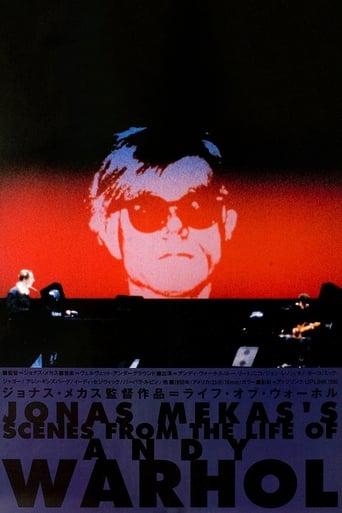
6.6Jonas Mekas’s intimate diary film spans 1963 to 1990, capturing Andy Warhol alongside friends and collaborators from the New York avant-garde. Featuring figures such as Allen Ginsberg, John Lennon, Yoko Ono, and George Maciunas—as well as rare footage of the Velvet Underground’s first performance—it offers a personal portrait of Warhol’s world and his intersections with art, music, and counterculture.
Scenes from the Life of Andy Warhol: Friendships and Intersections
1990
 5.6
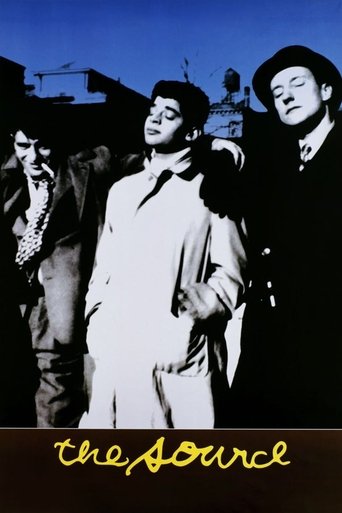
5.6Traces the Beats from Allen Ginsberg and Jack Kerouac's meeting in 1944 at Columbia University to the deaths of Ginsberg and William S. Burroughs in 1997. Three actors provide dramatic interpretations of the work of these three writers, and the film chronicles their friendships, their arrival into American consciousness, their travels, frequent parodies, Kerouac's death, and Ginsberg's politicization. Their movement connects with bebop, John Cage's music, abstract expressionism, and living theater. In recent interviews, Ginsberg, Burroughs, Kesey, Ferlinghetti, Mailer, Jerry Garcia, Tom Hayden, Gary Snyder, Ed Sanders, and others measure the Beats' meaning and impact.
The Source
1999
 7.0
7.0Jonas Mekas assembles 160 portraits, appearances, and fleeting sketches of underground and independent filmmakers captured between 1955 and 1996. Fast-paced and archival in spirit, the film celebrates the avant-garde as its own “nation of cinema,” a vital community existing outside the dominance of commercial film.
Birth of a Nation
1997
 5.7
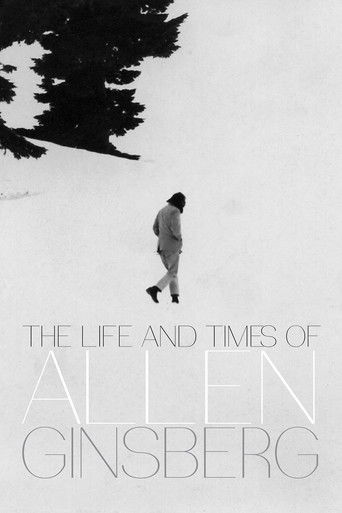
5.7Visionary, radical, spiritual seeker, renowned poet, founding member of a major literary movement, champion of human rights, Buddhist, political activist and teacher. Extensive archival footage, interviews, and home movies cover Allen Ginsberg's life, activism, and influence on American culture through the Beat era, the 1960s, and beyond.
The Life and Times of Allen Ginsberg
1994
"Today memory creeps along the wall at Seven Bleecker. In the back of my eyes, longings and obsessions, Outside someone is yelling Robert! I love New York…." Robert Frank looks back on a lifetime of memory-gathering through photographs, home movies (his parents' gravesite, June Leaf making art), portraits of artist friends (Raoul Hague, Allen Ginsberg), and portraits of those he admired (Jean-Luc Godard). The film resembles one of Gregory Corso's "shuffle poems," as Frank muses, "Together go words and images without sound. I have an obsession in my life for Fragments which reveal and hide truth." — Museum of Modern Art
Moving Pictures
1994
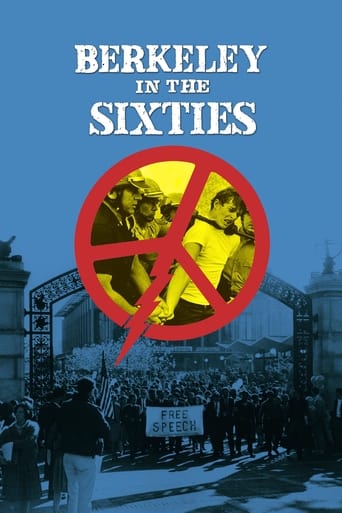 6.0
6.0A documentary about militant student political activity at the University of California, Berkeley in the 1960s.
Berkeley in the Sixties
1990
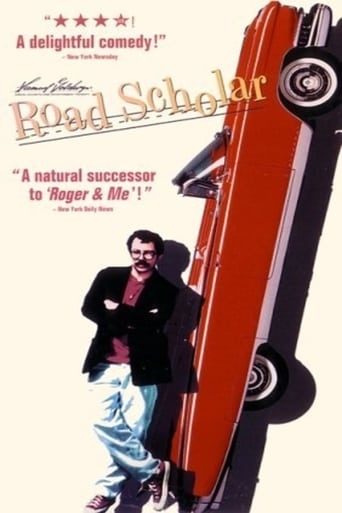 8.5
8.5Andrei Cordescu, NPR journalist, Romanian immigrant, naturalized American citizen, and newly-licensed driver, sets out on a cross- country road trip. He travels from-sea-to-shining-sea in a red 1968 Cadillac ragtop, exploring the meaning of freedom to a variety of Americans in this gently comic, yet poignant, documentary. Highlights include stops in New York, Camden, Detroit, Chicago, Taos, Arizona, Las Vegas, and San Francisco.
Road Scholar
1993
 6.4
6.4Not a documentary in the strictest sense of the word. Rather, it is a journey through the world of the artist Jonas Mekas - one of the exponents of independent U.S. movies; founder and director of the New York Anthology Film Archive.
Jonas in the Desert
1994
1980s · 9 titles
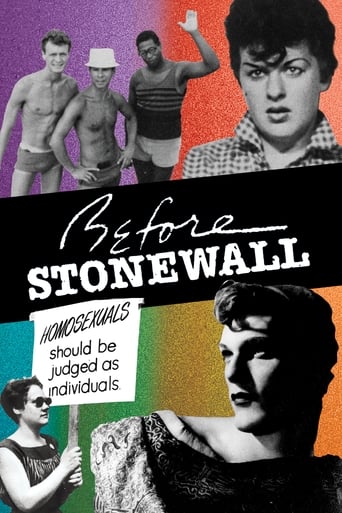 6.5
6.5New York City's Stonewall Inn is regarded by many as the site of gay and lesbian liberation since it was at this bar that drag queens fought back against police June 27-28, 1969. This documentary uses extensive archival film, movie clips and personal recollections to construct an audiovisual history of the gay community before the Stonewall riots.
Before Stonewall
1984
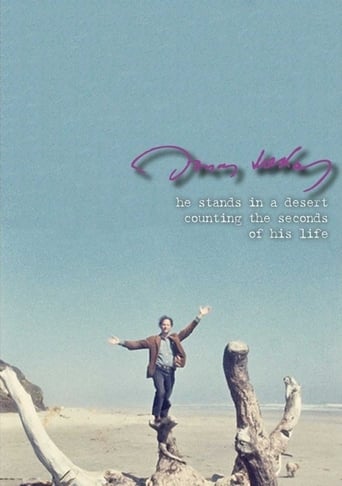 8.4
8.4A film collage tracing the story of the lives, loves, and deaths within the artistic community surrounding Jonas Mekas.
He Stands in a Desert Counting the Seconds of His Life
1986
 NR
NRPresents an intimate view of four decades of the Swiss-born artist Robert Frank who has had an extraordinary influence on contemporary photography and filmmaking. This documentary which examines his life through his films and photographs, includes interviews with many of his collaborators and contemporaries. Written, directed and edited by Philip Brookman, Amy Brookman
Fire in the East: A Portrait of Robert Frank
1986
 8.1
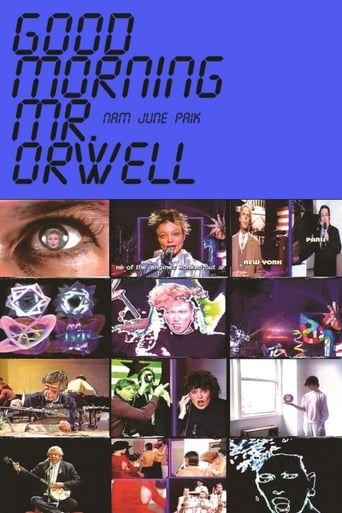
8.1In his book "1984", George Orwell saw the television of the future as a control instrument in the hands of Big Brother. Right at the start of the much-anticipated Orwellian year, Paik and Co. were keen to demonstrate satellite TV's ability to serve positive ends-- Namely, the intercontinental exchange of culture, combining both highbrow and entertainment elements. A live broadcast shared between WNET TV in New York and the Centre Pompidou in Paris, linked up with broadcasters in Germany and South Korea, reached a worldwide audience of over 10 or even 25 million (including the later repeat transmissions).
Good Morning, Mr. Orwell
1984
 7.0
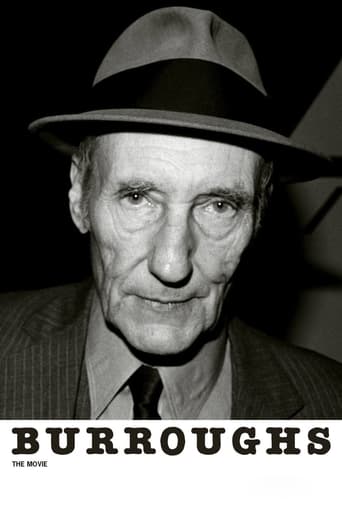
7.0An exploration of Burroughs’ life story, as told by Burroughs himself along with many of his contemporaries, including Allen Ginsberg, Brion Gysin, Francis Bacon, Herbert Huncke, Patti Smith, Terry Southern, and William Burroughs Jr.
Burroughs: The Movie
1984
 NR
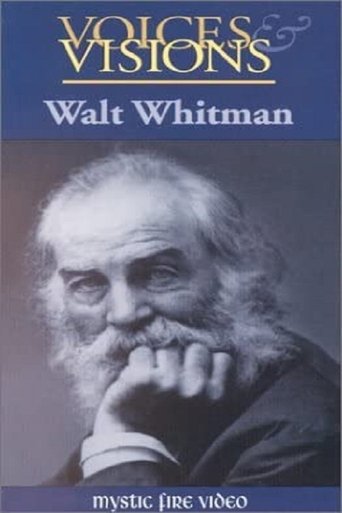
NRWalt Whitman was the first major poet to create a truly American vision and style. His extraordinary example gave American verse much of its subsequent character and diction. Rejecting traditional constraints of form and subject matter, Whitman considered democracy itself appropriate grist for his own poetic mill, inventing a radically different sort of free verse to express what he had to say.
Voices & Visions: Walt Whitman
1988
 6.5
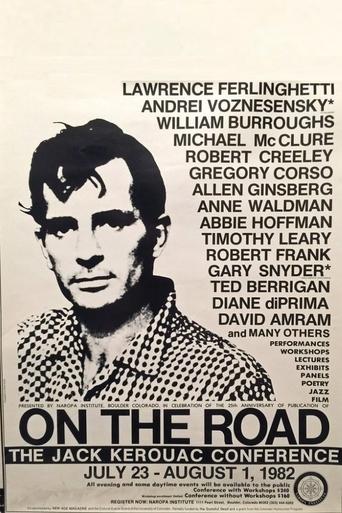
6.5In 1982, Robert Frank was on hand at the Naropa Institute in Boulder, Colorado, to film the Jack Kerouac Conference, a 25th-anniversary commemoration of On the Road in which poignantly aging Beats and fellow-traveling authors, activists, and composers (Allen Ginsberg, William Burroughs, Gregory Corso, Michael McClure, Herbert Huncke, Anne Waldman, Lawrence Ferlinghetti, Ken Kesey, Abbie Hoffman, David Amram) gathered on a rain-swept Chautauqua porch to recite poetry and raise a glass to their patron saint. Particularly memorable is Frank’s humorous encounter with a group of grizzled and well-lubricated onlookers. — Museum of Modern Art
This Song for Jack
1983
 7.3
7.3An ironic New York City thriller involving a mafioso and a restless, witty lawyer.
It Don't Pay to Be an Honest Citizen
1985
 NR
NRThe influence of Jewish fathers on their sons and the complexity of familial relationships are explored in a witty, poignant portrait of two artists. Beat poet Allen Ginsberg (whose father Louis was a poet in his own right) and performance artist/sculptor Allan Kaprow (whose father is a high-powered lawyer) are the sons who struggle with and against the influences of these patriarchal figures.
Allan ‘n Allen’s Complaint
1982
1970s · 4 titles
 5.5
5.5Fiction and documentary mingle in a freewheeling portrait of Susan Superstar, a New York celebrity on a drug-fueled downward slide that mirrors Edie Sedgwick’s own self-destructive spiral.
Ciao! Manhattan
1973
 9.0
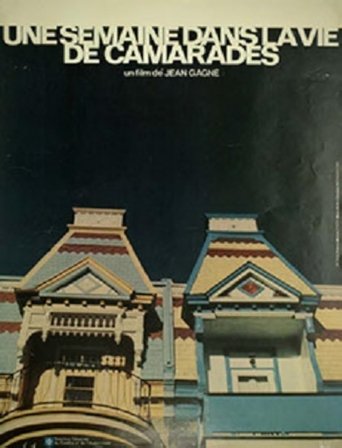
9.0A road movie whose journey intersects with and extends the events of the International Counter-Culture Meeting that took place in 1975 in Montreal. This meeting, at the heart of the film, features several important figures of the counterculture in Quebec. Throughout the film, these individuals, often through their creative endeavors, question the evolution of their society and counterculture itself.
Une semaine dans la vie de camarades
1976
 5.5
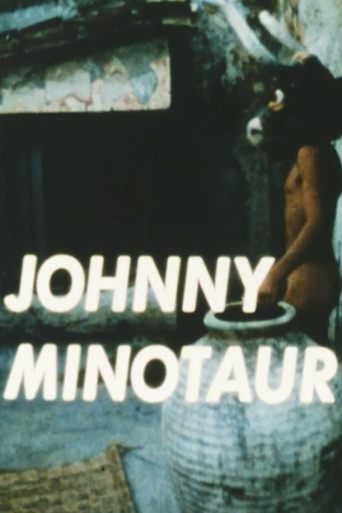
5.5Johnny Minotaur is a lyrical explosion of taboos: incest, intergenerational desire, pansexuality and autoeroticism are a few of the issues Charles Henri Ford grapples with through mythopoeic, sensual imagery, recitations of his diaries and a philosophical debate featuring an impressive narration by such artists as Salvador Dali, Allen Ginsberg, Warren Sonbert and Lynne Tillman.
Johnny Minotaur
1971
 7.9
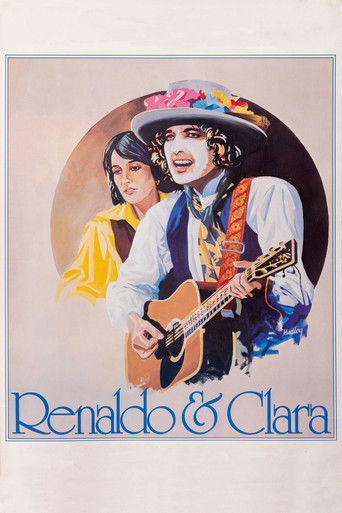
7.9Filmed in the autumn of 1975 prior to and during Bob Dylan's Rolling Thunder Revue tour – featuring appearances and performances by Ronee Blakley, T-Bone Burnett, Jack Elliott, Allen Ginsberg, Arlo Guthrie, Ronnie Hawkins, Roger McGuinn, Joni Mitchell, Mick Ronson, Arlen Roth, Phil Ochs, Sam Shepard, and Harry Dean Stanton – the film incorporates three distinct film genres: concert footage, documentary interviews, and dramatic fictional vignettes reflective of Dylan's song lyrics and life.
Renaldo and Clara
1978
1960s · 13 titles
 6.4
6.4When a young poet hires a marketing company to turn his suicide into a mass-media spectacle, he finds that his subversive intentions are quickly diluted into a reactionary gesture.
Herostratus
1967
 7.4
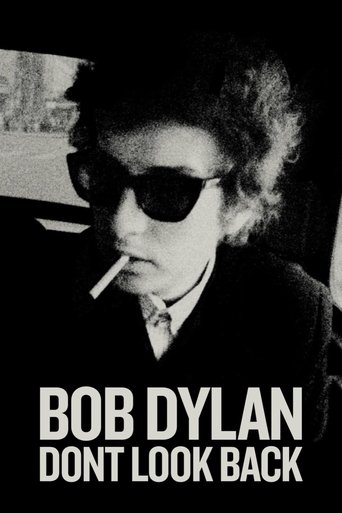
7.4In this wildly entertaining vision of one of the twentieth century’s greatest artists, Bob Dylan is surrounded by teen fans, gets into heated philosophical jousts with journalists, and kicks back with fellow musicians Joan Baez, Donovan, and Alan Price.
Bob Dylan – Don't Look Back
1967
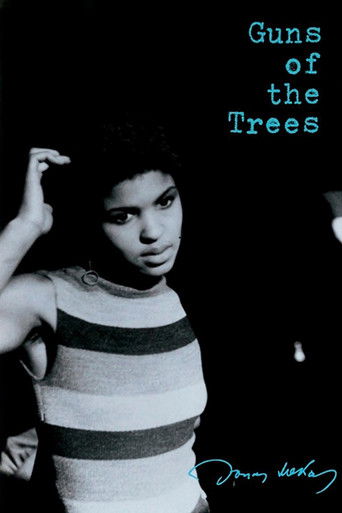 7.3
7.3Barbara, a young woman consumed by despair, contemplates suicide, while a man she meets in a church and a married couple struggle to persuade her that life is still worth living. Mekas’s film weaves this intimate drama into a larger reflection on alienation, politics, and the turbulence of early 1960s America.
Guns of the Trees
1961
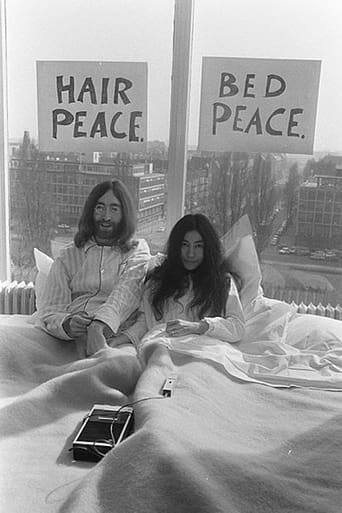 7.5
7.5John and Yoko in the presidential suite at the Hilton Amsterdam, which they had decorated with hand-drawn signs above their bed reading "Bed Peace." They invited the global press into their room to discuss peace for 12 hours every day.
Bed Peace
1969
 7.3
7.3Also known as Walden, Jonas Mekas’s first diary film is a six-reel chronicle of his life in 1960s New York, interweaving moments with family, friends, lovers, and artistic idols. Blending everyday encounters with portraits of the avant-garde art scene, it forms an epic, personal meditation on community, creativity, and the passage of time.
Diaries, Notes, and Sketches
1968
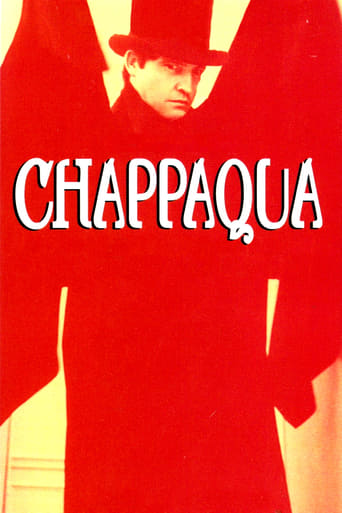 6.2
6.2Semi-autobiographical story of Conrad Rooks, who travels to France to undergo a drug-withdrawal cure. Flashbacks to the beginings of psychedelia in San Fran. Though initially confusing, as Rooks blends drug-illusion with reality, and cuts color with black-and-white and monochrome tinted shots, "Chappaqua" is conventionally constructed with a beginning, middle, and end.
Chappaqua
1966
UCLA Student Film, Preserved by the UCLA Film and Television Archive. A striking documentary shot cinema verite style of the 1968 Democratic National Convention in Chicago, with contrasting film and audio inside the convention center and the protests outside.
Chicago
1968
 6.5
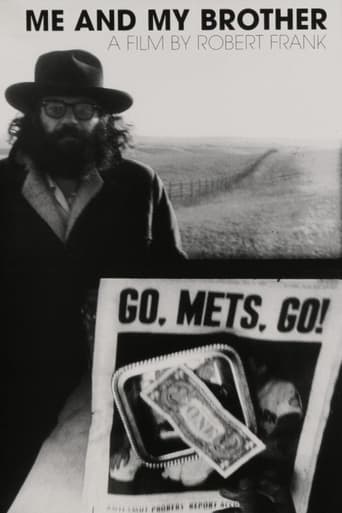
6.5Julius Orlovsky, after spending years in a New York mental hospital, emerges catatonic and must rely on his brother Peter, who lives with poet Allen Ginsberg. When Julius wanders off in the middle of filming, Frank hires and actor (Joseph Chaikin) to play the character and begins a fictional version of his psychological portrait. Then, as suddenly as he vanished, Julius turns up in an institution where he and Peter must face their relationship.
Me and My Brother
1969
 4.9
4.9Jonas Mekas captures an afternoon in New York as a Hare Krishna group fills the streets with chanting and song. Filmed with his characteristic freewheeling style and later incorporated into Walden, the short stands as an impressionistic sketch of spiritual fervor and Mekas’s participatory approach to cinema.
Hare Krishna
1967
 5.4
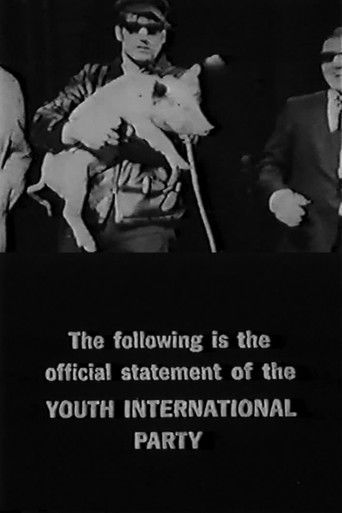
5.4The Youth International Party, whose members were commonly called Yippies, was a radically youth-oriented and countercultural revolutionary group opposed to war and the status quo of American culture. Known for using theatrics and humor to advocate social change, several Yippies were notably on trial as the Chicago 7. Primarily consisting of footage from the 1968 Democratic National Convention in Chicago which sparked massive demonstrations that were met by violence and hysteria caused by the police. This film also includes found newsreel footage as well as Pigasus - the pig the Yippies advanced as a candidate for President of the United States.
Yippie
1968
 2.0
2.0The legendary press conference in San Fransisco at KQED studios on Dec. 3rd 1965. This was a pivotal year in Bob Dylan's career. In the early part of the year he released "Bringing It All Back Home", the first album that saw him move distinctly away from his folk music origins. In the summer he followed it with "Highway 61 Revisited", an out and out rock 'n' roll album, and the single "Like A Rolling Stone" hit No.2 on the US charts. His appearance at that year's Newport Folk Festival saw him use an electric guitar on stage, a hugely controversial move at the time that saw him booed by much of the audience. Against this background, Dylan went into the studios of TV station KQED in San Francisco for a broadcast press conference hosted by Ralph J. Gleason, his only one from this era ever to be filmed.
Dylan Speaks
1965
 10.0
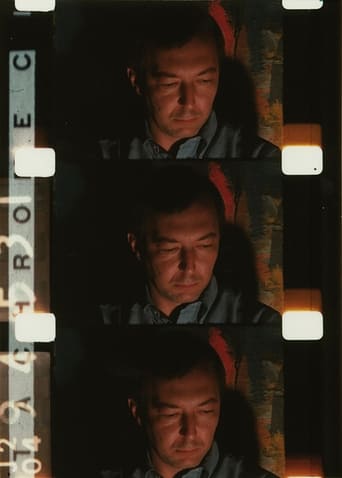
10.0In March and April of 1966, Markopoulos created this filmic portrait of writers and artists from his New York circle, including Parker Tyler, W. H. Auden, Jasper Johns, Susan Sontag, Storm De Hirsch, Jonas Mekas, Allen Ginsberg, and George and Mike Kuchar, most observed in their homes or studios. Filmed in vibrant color, Galaxie pulses with life. It is a masterpiece of in-camera composition and editing, and stands as a vibrant response to Andy Warhol's contemporary Screen Tests. Preserved by the Academy Film Archive in 2001.
Galaxie
1966
 6.4
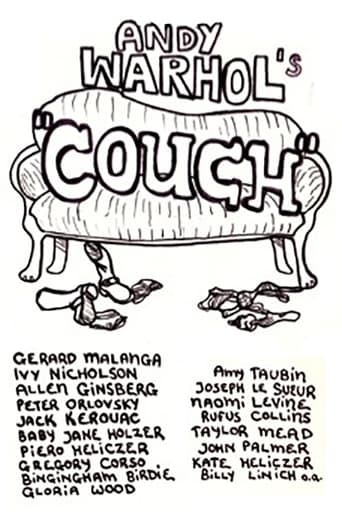
6.4The couch at Andy Warhol's Factory was as famous in its own right as any of his Superstars. In Couch, visitors to the Factory were invited to "perform" on camera, seated on the old couch. Their many acts-both lascivious and mundane-are documented in a film that has come to be regarded as one of the most notorious of Warhol's early works. Across the course of the film we encounter such figures as poets Allen Ginsberg and Gregory Corso, the writer Jack Kerouac, and perennial New York figure Taylor Mead.
Couch
1964
Series credits
6.8The Dick Cavett Show has been the title of several talk shows hosted by Dick Cavett on various television networks.
The Dick Cavett Show
1968
7.5This eight-part, 16½-hour television event explores New York City's rich history as the premier laboratory of modern life. A sweeping narrative covering nearly 400 years and 400 square miles, it reveals a complex and dynamic city that has played an unparalleled role in shaping the nation and reflecting its ideals.
New York
1999
7.2A look back at the social movements, revolts and youth subcultures from the post-war period to the present day: after the World War II, the left-bank of Paris became a mecca for jazz and alternative living, youth culture was born with trailblazing American movies, and rock became the soundtrack to a generation that wanted to change everything.
70 Years of Youth Revolt
2020
Behind the camera
5.4The Youth International Party, whose members were commonly called Yippies, was a radically youth-oriented and countercultural revolutionary group opposed to war and the status quo of American culture. Known for using theatrics and humor to advocate social change, several Yippies were notably on trial as the Chicago 7. Primarily consisting of footage from the 1968 Democratic National Convention in Chicago which sparked massive demonstrations that were met by violence and hysteria caused by the police. This film also includes found newsreel footage as well as Pigasus - the pig the Yippies advanced as a candidate for President of the United States.
Yippie
1968
 5.8
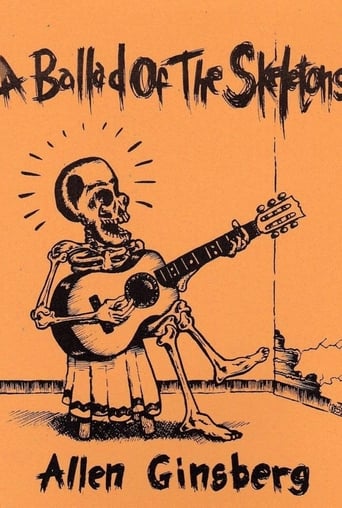
5.8A close-up of Allen Ginsberg reciting his “skeletons” poem is bluescreened and dissolved against archival film and video clips, and backed by musicians to create a sort of song that becomes an American anthem.
Ballad of the Skeletons
1997
Japanese landscapes of autumn colors, modern calligraphy, Shakuhachi flute music. Traditional Haiku is juxtaposed with the poetry of Allen Ginsberg, combining Western humor into an Eastern setting.
An Autumn Wind
1994
 NR
NRCarved to the beat verses of Allen Ginsberg and his eponymous poem, A Supermarket in California paints the most surreal contours of an America watched, dreamed, filtered through the eyes of a poet who meets Walt Whitman in a supermarket and pines for a world that may not exist.
A Supermarket in California
2024