
Directing
William Heise
Born 1847-10-01 · Germany
William Heise was an American film cinematographer and director, active in the 1890s. Along with William K.L. Dickson, Heise was one of the most prolific filmmakers of the nascent days of cinema. Together, both men worked on many of the early shorts produced by the Edison Manufacturing Company and were credited for more than 175 short silent films, capturing numerous scenes of everyday life as well as different aspects of performance and sport.
Acting credits
Behind the camera
“A comic subject, clear, bright and characteristic. Shows four girls in their night dresses, engaged in an animated pillow fight. During the action the pillows become torn, and the feathers fly over their heads and about the room in great numbers, producing with the white dresses and the black background a novel effect. Sharp, full of action, and popular in character.” (Edison Catalog)
Pillow Fight
1897
 6.0
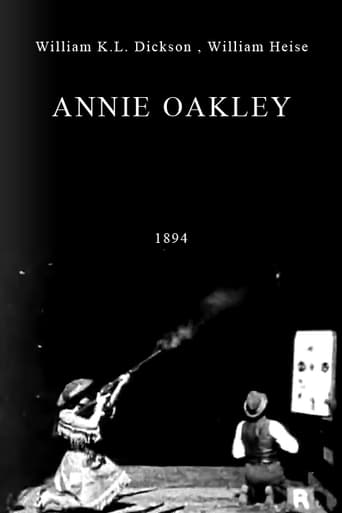
6.0A short Edison Black Maria studio film featuring famed sharpshooter Annie Oakley, known as “Little Sure Shot.” Born Phoebe Ann Oakley Mozee in Ohio in 1860, she rose to global fame performing with Buffalo Bill’s Wild West show. Accompanied (likely) by her husband and fellow marksman Frank Butler, Oakley’s diminutive stature belied her legendary marksmanship.
Annie Oakley
1894
 5.6
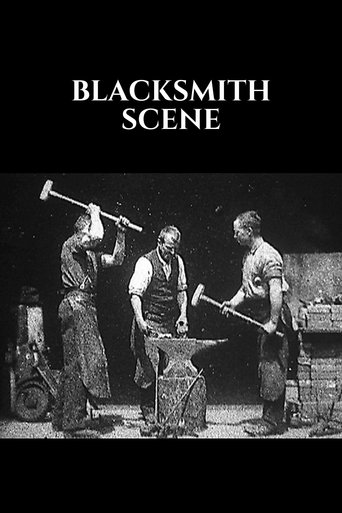
5.6Three men hammer on an anvil and pass a bottle of beer around. Notable for being the first film in which a scene is being acted out.
Blacksmithing Scene
1893
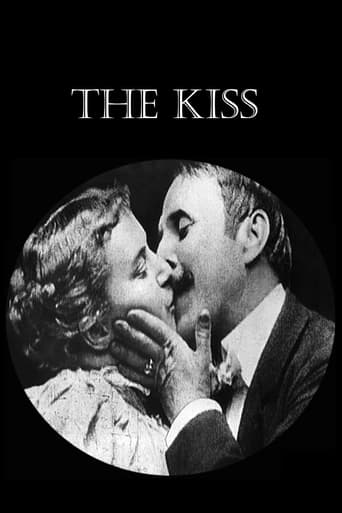 5.2
5.2They get ready to kiss, begin to kiss, and kiss in a way that brings down the house every time.
The Kiss
1896
Selection of hand-painted films made from serpentine dance performances between 1895 and 1907, with original music by Carol Robinson. Produced for ARTE / Lobster Films.
Butterfly Dances
2007
In the background, five fans lean on the ropes looking into the ring. The referee is to the left; like the fans, he hardly moves as two fighters swing roundhouse blows at each other. Mike Leonard, in white trunks, is the aggressor; in black, Jack Cushing stands near the edge of the ring, warily pawing the air as Leonard comes at him. A couple of punches land, but the fighters maintain their upright postures.
Leonard-Cushing Fight
1894
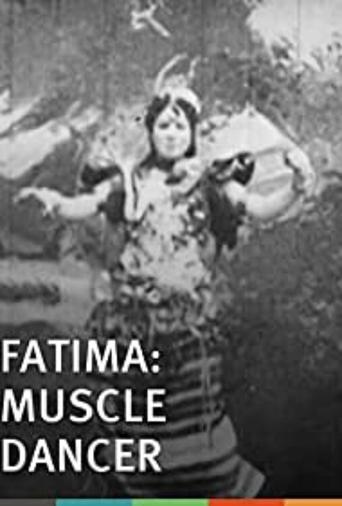 5.0
5.0The dancer Fatima, well-known for her dancing shows at the World's Exhibition in 1893, performs for the camera. She opens her act by twirling around a few times, and then she does the 'muscle dance' for which she had attracted considerable notoriety.
Fatima's Coochee-Coochee Dance
1896
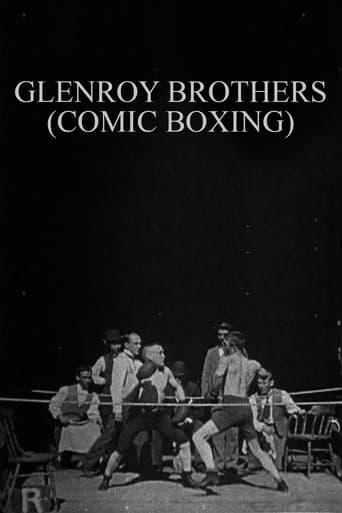 4.9
4.9The Glenroy Brothers perform a portion of their vaudeville act, "The Comic View of Boxing: The Tramp & the Athlete", which depicts a boxer with a classic style trying to contend with an opponent who uses a very unorthodox approach.
Glenroy Brothers (Comic Boxing)
1894
The sinister mesmerist Svengali hypnotizes two characters, then dies abruptly in a Trilby segment from David Henderson's Aladdin, Jr. burlesque. Lost.
Death Scene
1895
The sinister mesmerist Svengali hypnotizes a group of people and compels them to perform various humorous acts in a Trilby segment from David Henderson's Aladdin, Jr. burlesque. Lost.
Hypnotic Scene
1895
A vaudeville routine: two denizens of the Bowery dance while under the influence. She's wearing a light dress with a full skirt. He wears a white sport coat and tie. Both have hats. On a small stage, she approaches him gingerly, leaning forward. He grabs her close, she leans into him, and he waltzes her around.
Bowery Waltz
1897
The Leigh Sisters perform a risqué Trilby-inspired dance with an umbrella. Scene from David Henderson's Aladdin, Jr. burlesque. Lost.
Trilby Dance
1895
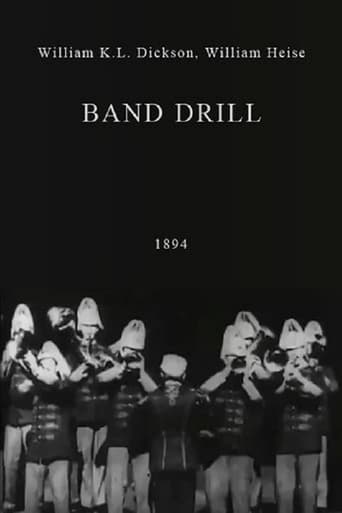 3.8
3.8A scene from Charles Hoyt's 'A Milk White Flag': A brass band marches out, led by bandmaster Steele Ayers. When Ayers reaches his position, he turns around and directs the musicians as they take up their own positions.
Band Drill
1894
 3.9
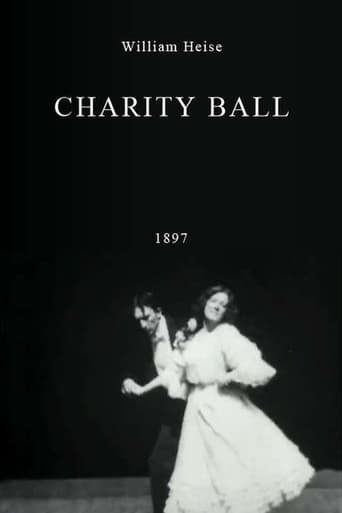
3.9A Victorian couple dancing.
Charity Ball
1897
 4.3
4.3The camera shows a water ride at Bergen Beach at Coney Island. A raised track filled with water forms a chute, and a small boat full of park visitors slides down the chute. Alongside, empty boats are hauled back up to the top of the ride.
Shooting the Chutes
1896
 6.1
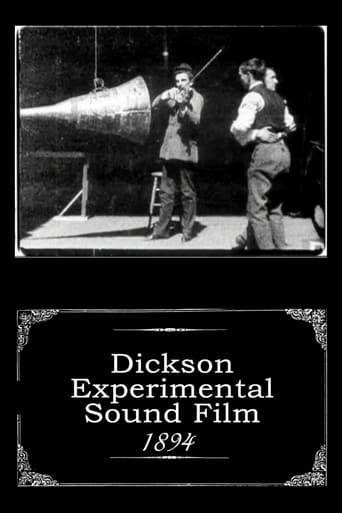
6.1William K.L. Dickson plays the violin while two men dance. This is the oldest surviving sound film where sound is recorded on the phonograph.
Dickson Experimental Sound Film
1894
 5.9
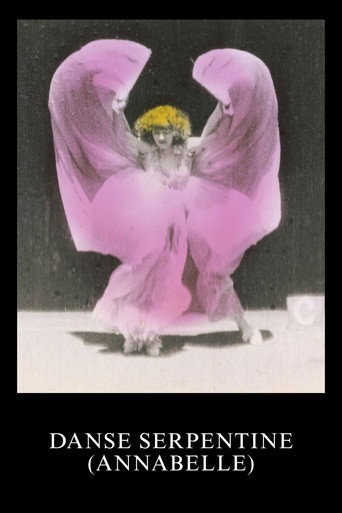
5.9In a long, diaphanous skirt, held out by her hands with arms extended, Broadway dancer Annabelle Moore performs. Her dance emphasizes the movement of the flowing cloth. She moves to her right and left across an unadorned stage. Many of the prints were distributed in hand-tinted color.
Danse serpentine (Annabelle)
1895
 5.0
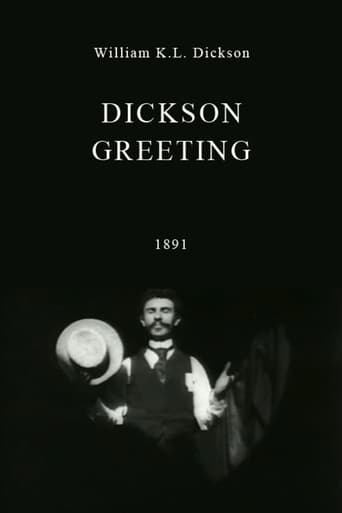
5.0William K.L. Dickson brings his hat from his one hand to the other and moves his head slightly, as a small nod toward the audience. This was the first film produced by the Edison Manufacturing Company to be shown to public audiences and the press.
Dickson Greeting
1891
 3.0
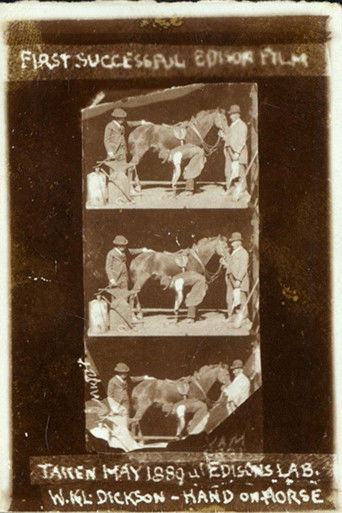
3.0One of the pictures to be seen in the machine, for example, was that of a blacksmith shop in which two men were working, one shoeing a horse, the other heating iron at the forge. One would be seen to drive the nail into the shoe of the horse's hoof, to change his position and every movement needed in the work was clearly shown as if the object was in real (life). In fact, the whole routine of the two men's labor and their movements for the day was presented to the view of the observer.
Horse Shoeing
1893
 4.8
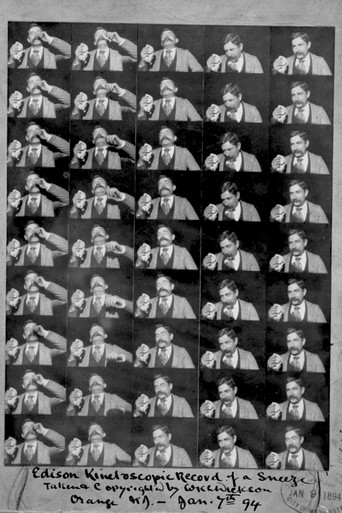
4.8A man (Thomas Edison's assistant) takes a pinch of snuff and sneezes. This is one of the earliest Thomas Edison films and was the second motion picture to be copyrighted in the United States.
Edison Kinetoscopic Record of a Sneeze
1894
 5.2
5.2The first woman to appear in front of an Edison motion picture camera and possibly the first woman to appear in a motion picture within the United States. In the film, Carmencita is recorded going through a routine she had been performing at Koster & Bial's in New York since February 1890.
Carmencita
1894
 6.3
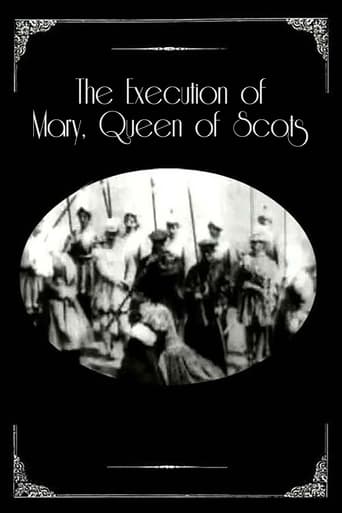
6.3A short film depicting the execution of Mary, Queen of the Scots. Mary is brought to the execution block and made to kneel down with her neck over it. The executioner lifts his axe ready to bring it down. After that frame Mary has been replaced by a dummy. The axe comes down and severs the head of the dummy from the body. The executioner picks up the head and shows it around for everyone else to see. One of the first camera tricks to be used in a movie.
The Execution of Mary, Queen of Scots
1895
 4.2
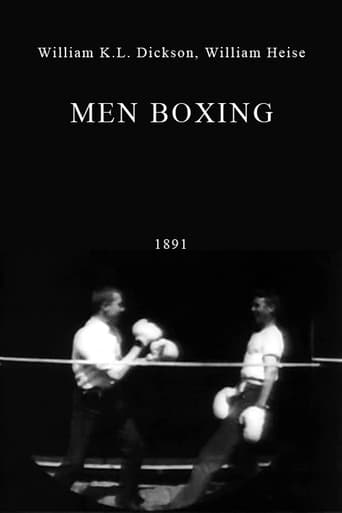
4.2Experimental film fragment made with the Edison-Dickson-Heise experimental horizontal-feed kinetograph camera and viewer, using 3/4-inch wide film.
Men Boxing
1891
 5.5
5.5Annabelle (Whitford) Moore performs one of her popular dances. For this performance, her costume has a pair of wings attached to her back, to suggest a butterfly. As she dances, she uses her long, flowing skirts to create visual patterns.
Annabelle Butterfly Dance
1894