
Acting
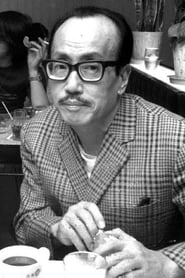
Junzaburō Ban
Born — Died
1908-01-10 — 1981-10-26
Place of birth
Yonezawa, Yamagata, Japan
Known for
Acting
Credits
64 titles
Junzaburō Ban (伴淳三郎 Ban Junzaburō, January 10, 1910 – October 26, 1981) was a Japanese comedian and actor. His real name was Hirosada Suzuki (鈴木寛定 Suzuki Hirosada).
Known for
 NR
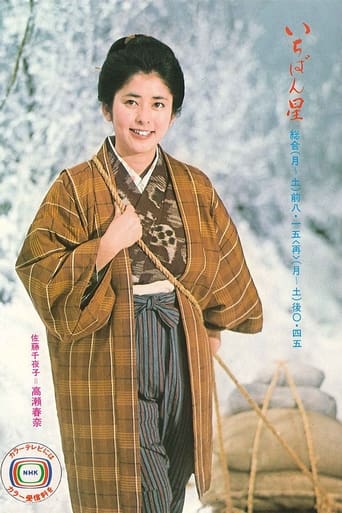
NRThe 19th NHK Asadora. A dramatization of the life of the singer Chiyako Sato. Michiko Godai replaced Haruna Takase in the lead two months into the series when Takase became ill. Adapted from the novel "Aa Tokyo Koshinkyoku" by Yuki Ryoichi.
Ichibanboshi
1977
 7.1
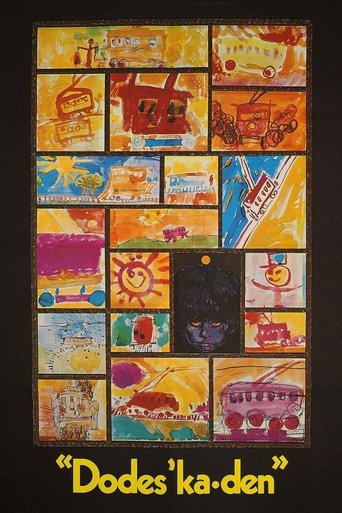
7.1On a Tokyo dump’s shantytown edge, interwoven vignettes follow residents scraping by: a boy who “drives” an imaginary trolley, a homeless father and son designing a dream house, a young woman brutalized at home, drunks, schemers, and saints of small kindnesses. Kurosawa crafts a ragged mosaic of hardship, fantasy, and flickers of grace that keep people moving forward.
Dodes'ka-den
1970
 7.8
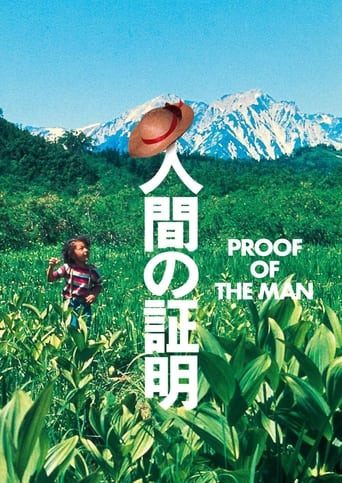
7.8When an American is murdered in a Japanese inn, Tokyo police detective Munesue follows the trail of the killer to New York. There he is joined by a New York City detective named Shuftan and together they sort out the crime.
Proof of the Man
1977
 7.3
7.3Three robbers escape with loot from a heist before one of them kills the others. Their corpses wash up near the aftermath of a maritime calamity, provoking a policeman's interest.
A Fugitive from the Past
1965
 6.2
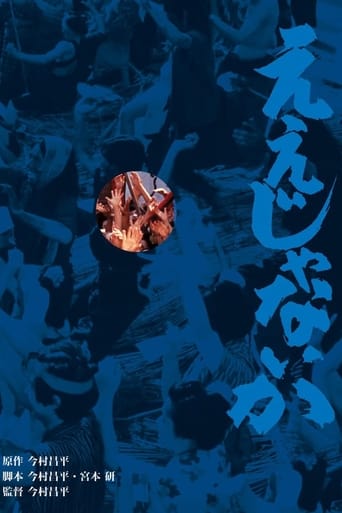
6.2The film depicts carnivalesque atmosphere summed up by the cry "Ei ja nai ka" ("Why not?") in Japan in 1867 and 1868 in the days leading to the Meiji Restoration. It examines the effects of the political and social upheaval of the time, and culminates in a revelrous march on the Tokyo Imperial Palace, which turns into a massacre. Characteristically, Imamura focuses not on the leaders of the country, but on characters in the lower classes and on the fringes of society.
Eijanaika
1981
 8.3
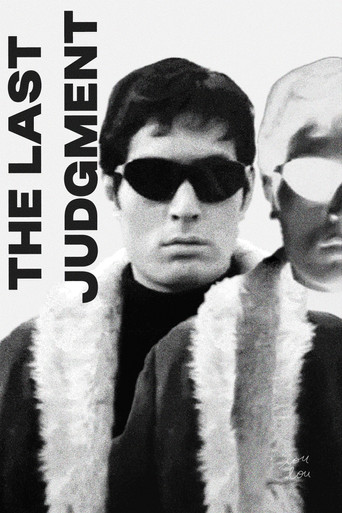
8.3Driven by greed and a desire for his cousin's wife, Jiro orchestrates a complex frame-up to have his cousin arrested for murder.
The Last Judgment
1965
Film credits
1980s · 4 titles
6.2The film depicts carnivalesque atmosphere summed up by the cry "Ei ja nai ka" ("Why not?") in Japan in 1867 and 1868 in the days leading to the Meiji Restoration. It examines the effects of the political and social upheaval of the time, and culminates in a revelrous march on the Tokyo Imperial Palace, which turns into a massacre. Characteristically, Imamura focuses not on the leaders of the country, but on characters in the lower classes and on the fringes of society.
Eijanaika
1981
 7.0
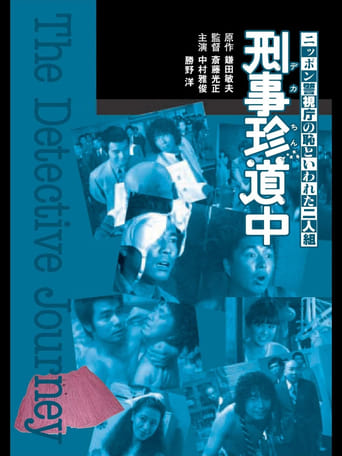
7.0A comedy directed by Mitsumasa Saito about a pair of clumsy detectives who solve a case they become involved in by chance. Shosuke Ikashima and Ryuji Kabaya, who repeatedly screw things up, encounter a real robbery during a bank robbery simulation training...
The Detective Journey
1980
 5.5
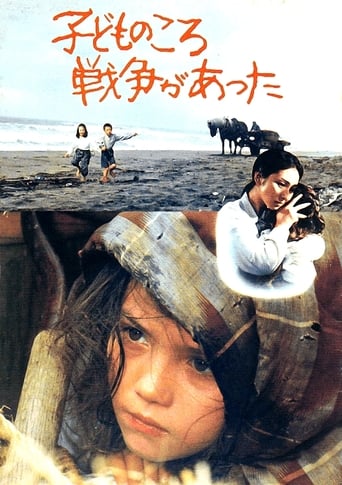
5.5An award-winning Japanese film about a child's experiences during the Second World War.
There Was a War When I Was a Child
1981
 7.2
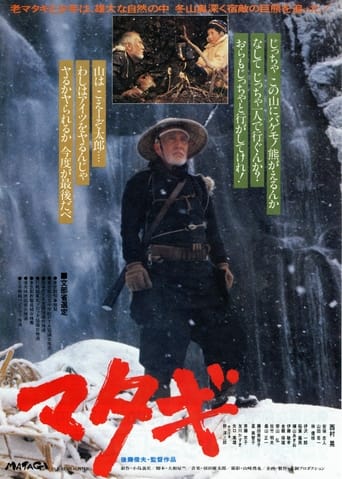
7.2After an old man is attacked by a bear in the snowy mountains of northern Japan, he vows to hunt down the marauder.
The Old Bear Hunter
1982
1970s · 14 titles
7.1On a Tokyo dump’s shantytown edge, interwoven vignettes follow residents scraping by: a boy who “drives” an imaginary trolley, a homeless father and son designing a dream house, a young woman brutalized at home, drunks, schemers, and saints of small kindnesses. Kurosawa crafts a ragged mosaic of hardship, fantasy, and flickers of grace that keep people moving forward.
Dodes'ka-den
1970
7.8When an American is murdered in a Japanese inn, Tokyo police detective Munesue follows the trail of the killer to New York. There he is joined by a New York City detective named Shuftan and together they sort out the crime.
Proof of the Man
1977
 7.6
7.6To solve the mystery of a murder of an old governess which takes place at a wealthy Daidoji family's country estate, family secrets and lies dating back several generations must be sorted out once and for all.
Queen Bee
1978
 10.0
10.0Three men, all named Masa, join forces to capitalize on each of their unique yet questionable talents against a hyper-competitive Tokyo underworld.
The Three Ginza Rascals
1976
 8.0
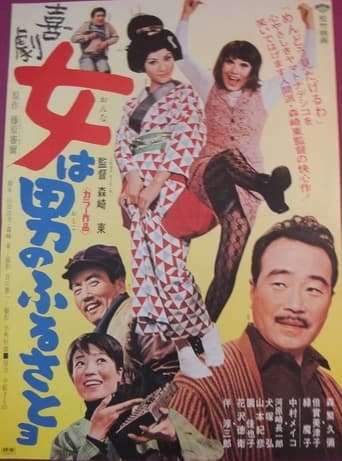
8.0Comedy of an entertainment agent and strip-teasers.
Follow the Girls
1971
 6.1
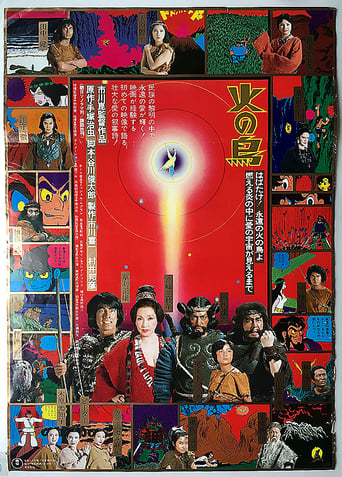
6.1This extraordinarily complex film is not only a send-up of every samurai film ever made, it is also an extrapolation of the value of life. The Yamatai, represented by Prince Susano-O and elderly advisor Sumuke, hire Yumihiko of Matsuro to hunt the phoenix so that Queen Himiko, sister of Susano-O can have eteranal life.
The Phoenix
1978
 6.0
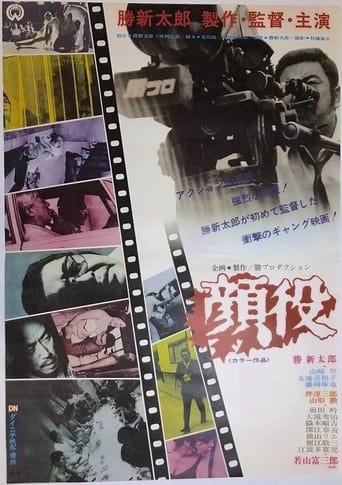
6.0A detective is charged with investigating a bank corruption scandal.
Kaoyaku
1971
 7.7
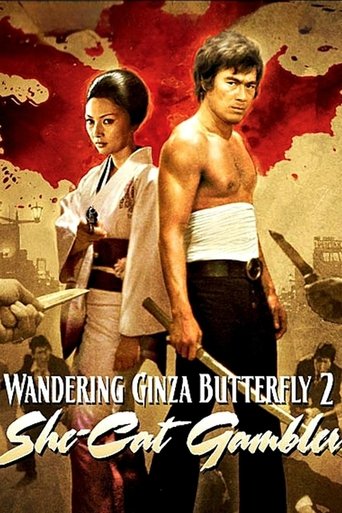
7.7Meiko Kaji reprises her role as Nami, a vengeful female gang leader, in the second installment of this high-action series that casts a new actor -- martial arts legend Sonny Chiba -- in the role of Nami's loyal friend Ryuji. This time around, Nami is looking for Hoshiden, the man who murdered her father and shattered her once-hopeful childhood. But living under an assumed name, Hoshiden could stay hidden forever.
Wandering Ginza Butterfly: She-Cat Gambler
1972
 6.2
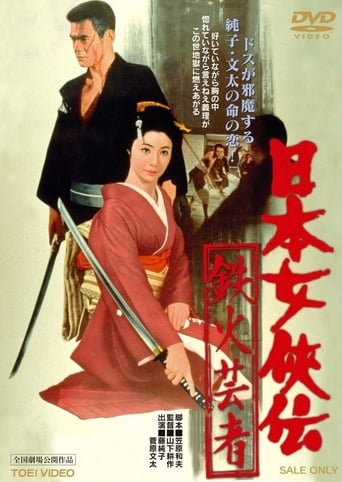
6.2Young geisha Koshizu's wish of reuniting with the man, Yukichi, who helped her ten years ago comes true. When she learns of the trouble Yukichi's business is facing, she stands ready to come to his aid, and thus repay a debt that's long overdue.
A Lively Geisha
1970
 8.0
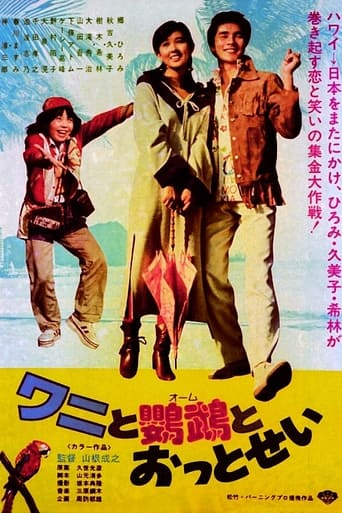
8.0A comedy farce depicting the noise that occurs when two unemployed circus participants discover a debt bond in a basket with parrots, which they received instead of pension money. At that time, Hiromi Go and Kirin Kiki, who were gaining popularity, play the main roles, demonstrating an exquisite combination.
Crocodile, Parrot and Fur Seal
1977
 6.1
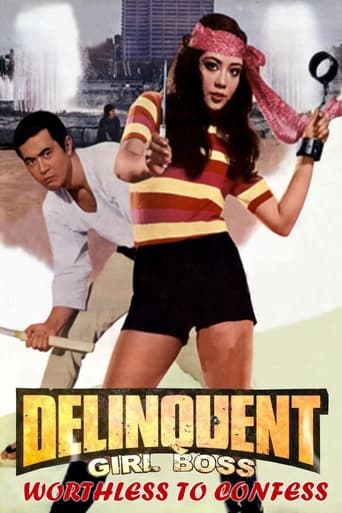
6.1Reiko Oshida stars as a young wannabe gangster tough girl, just released from reform school. She tracks down one of her classmates fathers, who runs an auto repair shop that the local Yakuza are trying to force out of business and take over, and starts working for him. At the same time a recently released from prison, and now ill Yakuza is trying to make a new life for himself and his girl, a friend of Reiko's, who also just graduated from reform school. A fateful car crash brings the two on a collision course with each other and the brutal Yakuza clan, which can only end bloody vengeance.
Delinquent Girl Boss: Worthless to Confess
1971
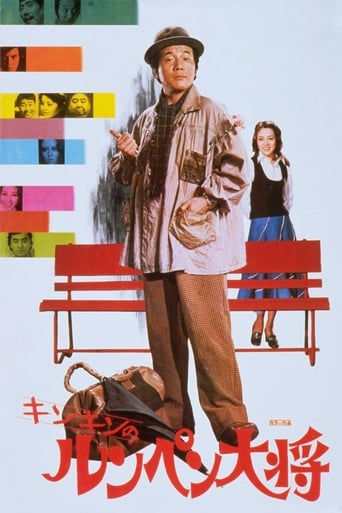 10.0
10.0No synopsis available yet.
Hobo General
1976
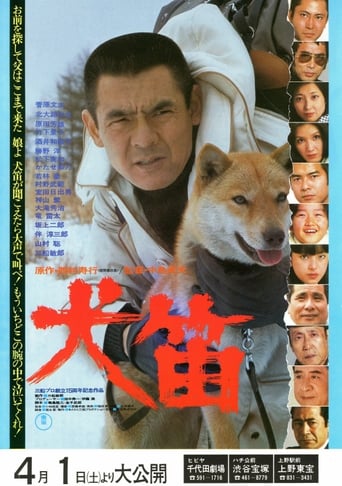 7.5
7.5Shiro Akitsu goes on a relentless search for his abducted 7-year-old daughter, with the aid of an Ainu dog summoned by a whistle she gave him.
Shag
1978
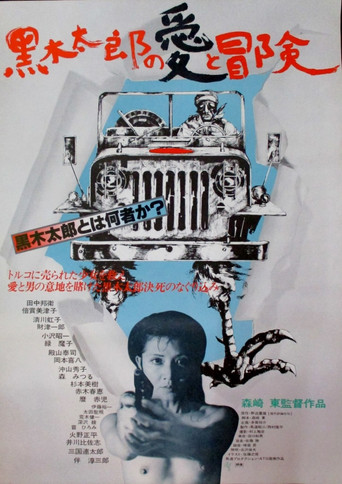 8.2
8.2Taro Kuroki, 42, is a stuntman with a samurai's heart. He loves adventures, plays pranks with the police, tries to cure a cat lady by reversing her trauma, and finally, rescues his niece who is about to be lured into prostitution.
The Love and Adventures of Kuroki Taro
1977
1960s · 31 titles
7.3Three robbers escape with loot from a heist before one of them kills the others. Their corpses wash up near the aftermath of a maritime calamity, provoking a policeman's interest.
A Fugitive from the Past
1965
8.3Driven by greed and a desire for his cousin's wife, Jiro orchestrates a complex frame-up to have his cousin arrested for murder.
The Last Judgment
1965
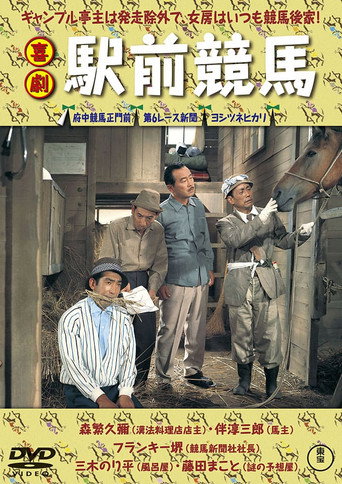 NR
NRThe 17th "Ekimae" feature.
How to Win a Race
1966
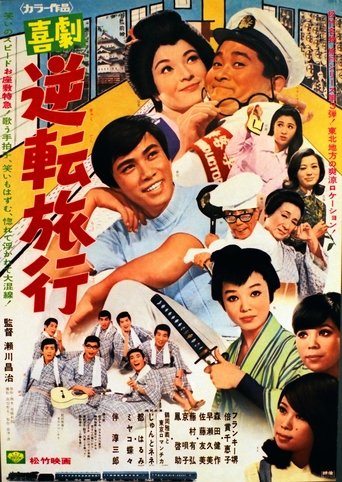 10.0
10.0A drama from director Masaharu Segawa.
Topsy-Turvy Journey
1969
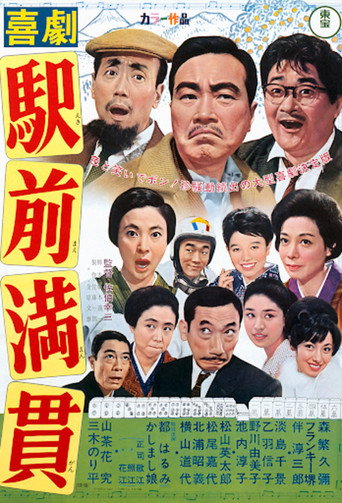 NR
NRThe 18th "Ekimae" feature.
Mahjong Madness
1967
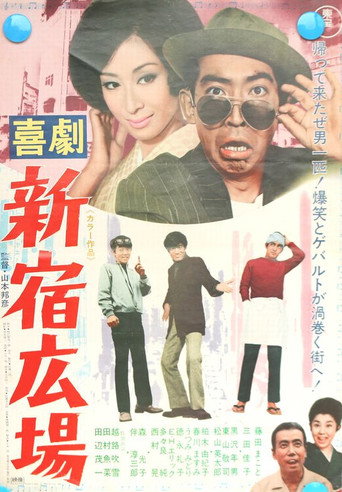 NR
NRComedy about residents of Shinjuku.
Shinjuku Plaza
1969
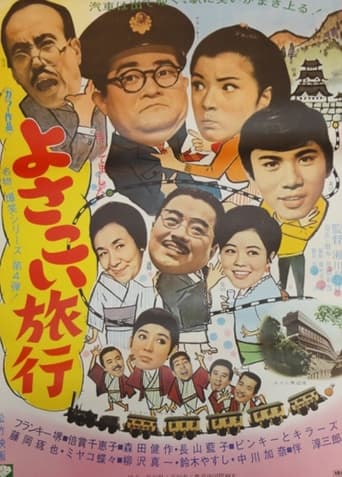 8.0
8.0A drama by director Masaharu Segawa.
Yosakoi Journey
1969
 NR
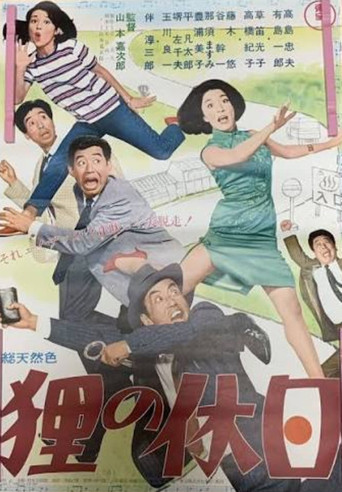
NRNo synopsis available yet.
Swindler Meets Swindler
1966
 NR
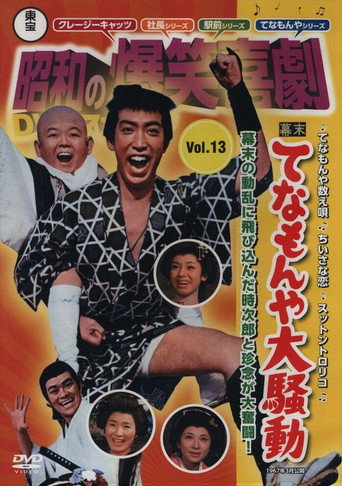
NRThe fourth "Tenamonya" feature. Adapted from the popular television comedy, Fujita stars in this film based on historical events.
Last Days of the Tokugawa Regime: Tenamonya Confusion
1967
 9.0
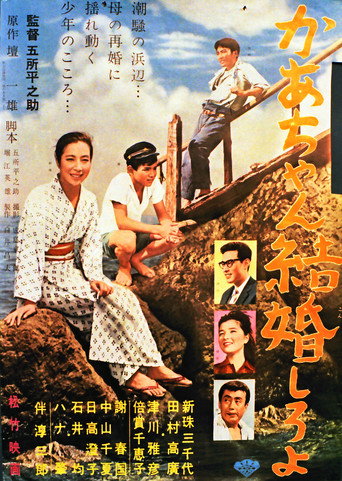
9.0No synopsis available yet.
Get Married, Mother
1962
 NR
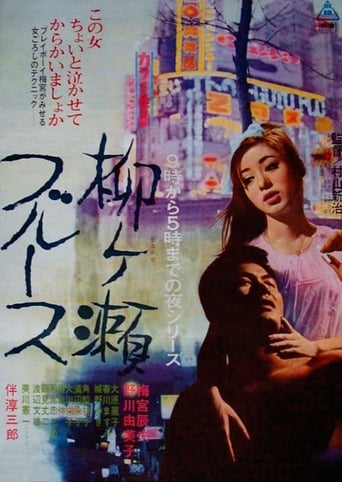
NRJiro, a smooth-talking, womanizing bartender, flees from a Yakuza boss to Yanagase.
Yanagase Blues
1967
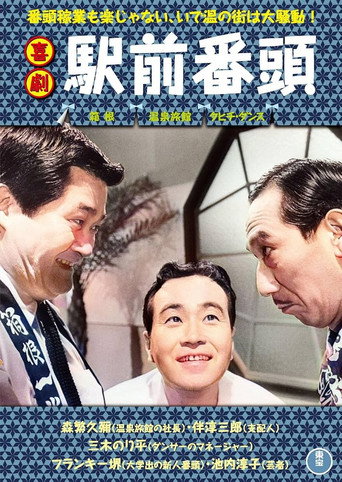 NR
NRThe 16th "Ekimae" feature.
Big Wind at the Spa
1966
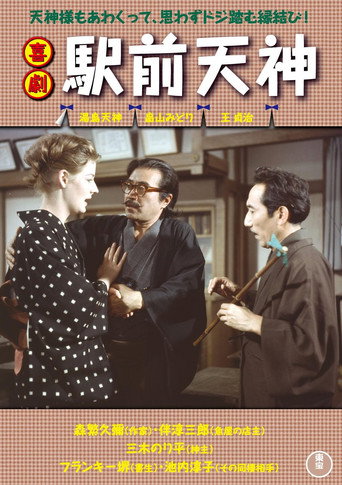 NR
NRThe 10th "Ekimae" feature.
Heavenly Gods in Front of the Train Station
1964
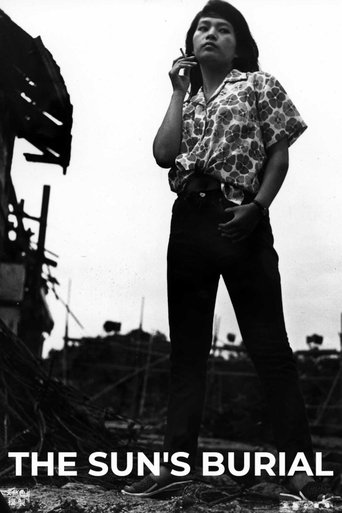 6.5
6.5In Osaka's slum, capricious folks without futures engage in pilfering, assault and robbery, prostitution, and the trading of ID cards and blood.
The Sun's Burial
1960
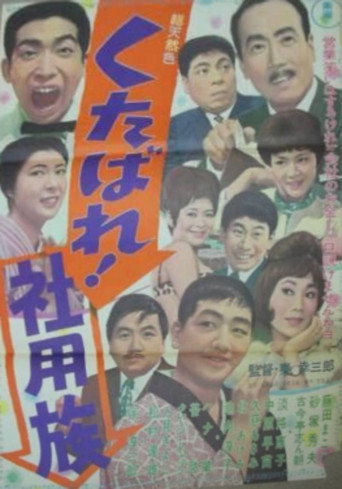 NR
NRNo synopsis available yet.
Go to Hell! Company Men
1964
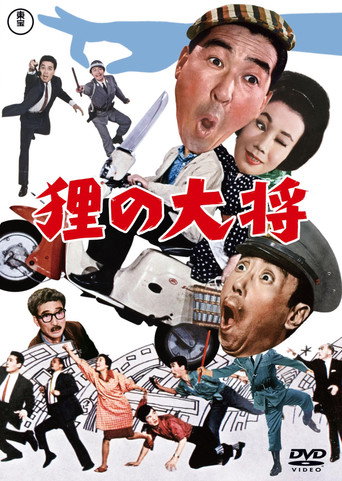 NR
NRNo synopsis available yet.
Raccoon Dog Leader
1965
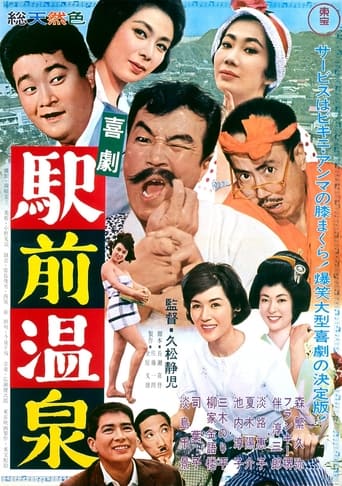 10.0
10.0Fourth entry in the Ekimae series, focusing on the restoration of a Fukushima hot spring inn.
A Comedy in Front of the Station: Onsen
1962
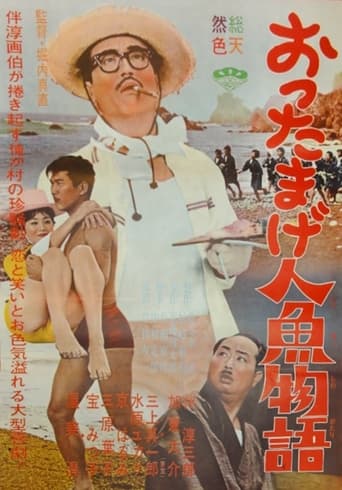 NR
NR1962 Japanese movie
Ottamage ningyo monogatari
1962
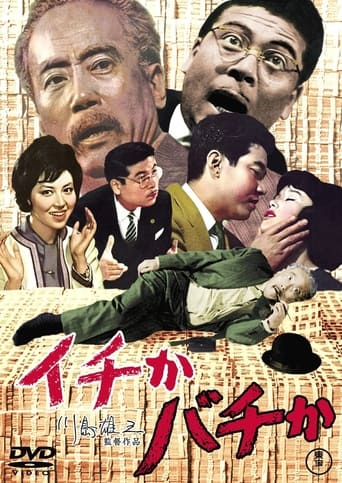 10.0
10.0The final film by Yuzo Kawashima.
Fifty-Fifty
1963
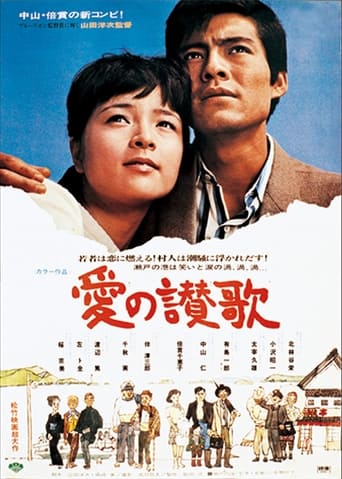 6.5
6.5The life in a small village in Shikoku and the love story between two young people.
Song of Love
1967
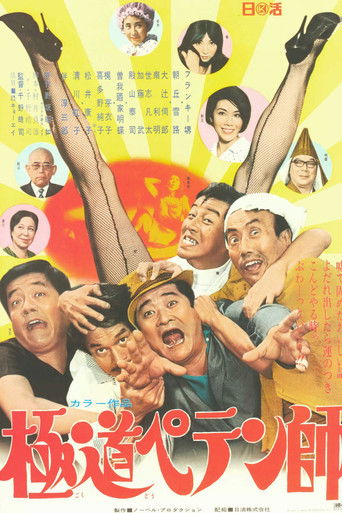 10.0
10.0A group of one-hit wonder scam artists led by the troubled "Kanpai," dealing with impotence, embark on a lively and poignant societal comedy. They overturn the distorted trends and authorities of modern society through peculiar methods such as taking over temples and creating fake emerging religions.
Gokudô Petenshi
1969
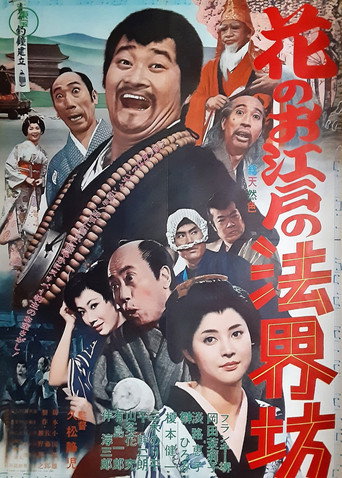 NR
NRNo synopsis available yet.
A Monk in the Big City of Edo
1965
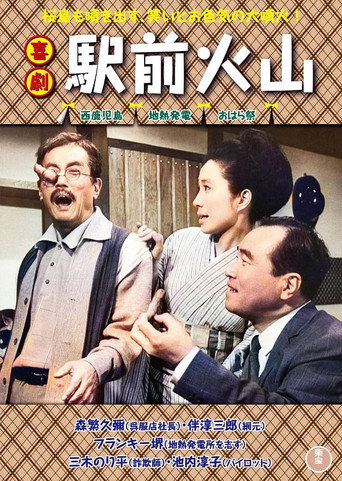 NR
NRPenultimate 23rd "Ekimae" comedy is about oil-field exploration.
Volcano of Station Front Plaza
1968
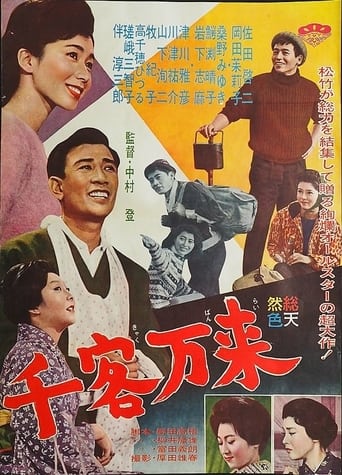 NR
NRNo synopsis available yet.
A Roaring Trade
1962
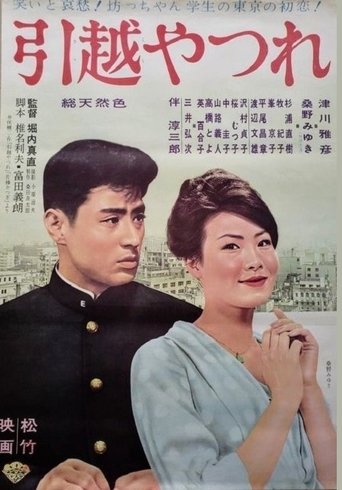 NR
NRManao Horiuchi movie
Hikkoshi yatsure
1961
 6.8
6.8This suspense drama set in the mid 1700's depicts the plan of the Tokugawa rulers to send a number of homeless men to a remote island Sado to perform forced labor. Living conditions on the island are terrible and the men soon become rebellious. Based on a short story by Seichō Matsumoto.
Escape from Hell
1963
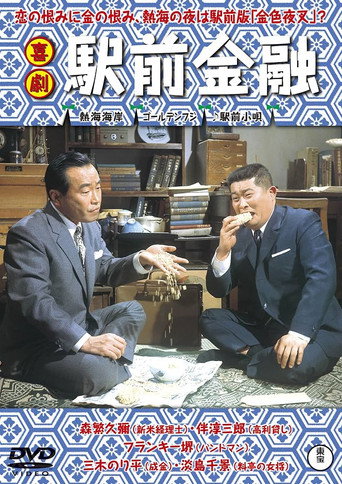 NR
NRThe 12th "Ekimae" feature.
Finances in Front of the Train Station
1965
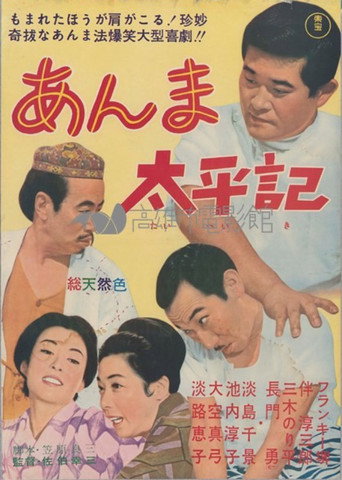 NR
NRNo synopsis available yet.
Masseur War Story
1965
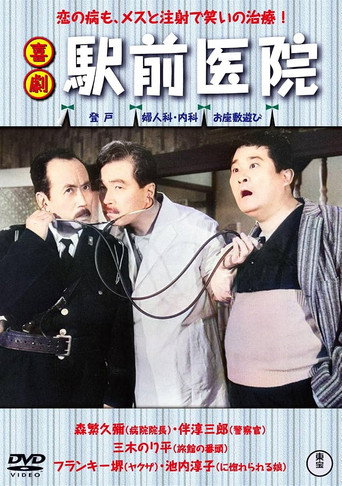 NR
NRThe 11th "Ekimae" feature.
Hospital in Front of the Train Station
1965
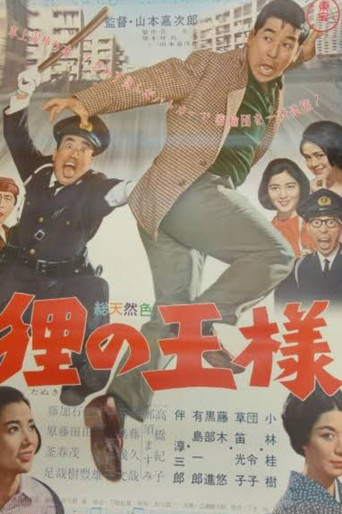 NR
NRNo synopsis available yet.
King of the Raccoon Dogs
1966
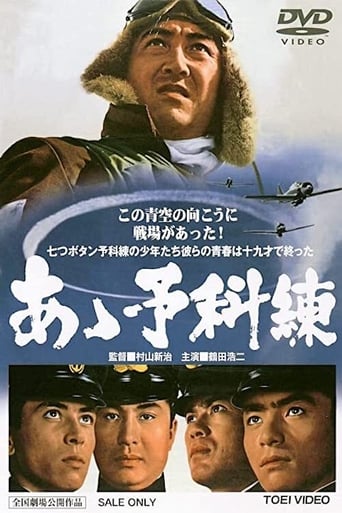 7.7
7.7The film is dedicated to the souls of flight school graduates killed in World War II. Young boys dream about becoming pilots and apply to flight schools. However, the flight schools have extremely demanding, harsh training, and once they finally become pilots, they must become suicide bombers and give their lives for their homeland.
The Young Eagles of the Kamikaze
1968
1950s · 11 titles
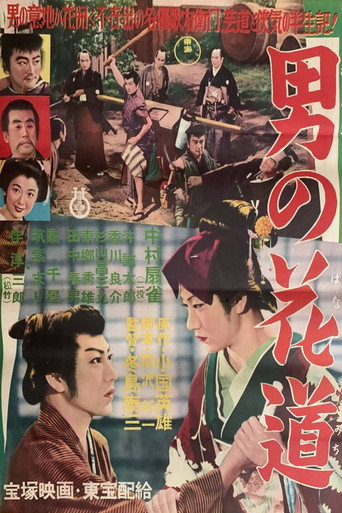 NR
NRNo synopsis available yet.
A Man's Flower Path
1956
 NR
NRNo synopsis available yet.
Hanayome hanamuko chanbara bushi
1952
 NR
NRA handsome young man infiltrates the Tanuki Kingdom, where conspiracies swirl around the Divine Mirror; he rescues the princess and turns the evil ministers against each other.
Awa tanuki yashiki
1952
 9.0
9.0Set in the 1860s, the final years of the Tokugawa Shogunate, The Fireflies focuses on Tose (Awashima Chikage), the mistress of the Teradaya, a small inn in the Kyoto suburb of Fushimi. She does not have an easy life. Her husband, Isuke (Ban Junzaburo), is a wastrel who fancies himself a kabuki singer and who is obsessed with cleanliness. Her mother-in-law, Sada (Miyoshi Eiko) dislikes her because of her humble origins (her family are farmers) and because she fears that she will inherit the inn instead of Sugi, her daughter. Sada's hopes for Sugi, however, are dashed when she runs off with a con artist and leaves her child behind for Tose to take care of. When Sada becomes seriously ill, it is Tose who nurses her. On her deathbed, Sada asks her daughter-in-law's forgiveness. Meanwhile Isuke spends most of his time with a mistress he has taken, forcing Tose to manage the inn by herself
Firefly Light
1958
 9.0
9.0Based on the novel "Ekimae Ryokan" by Masuji Ibuse, a longtime hotel employee struggles to bring his old-fashioned ryokan in line with postwar Japanese business practices.
The Hotelman's Holiday
1958
Set in a bustling 1950s parlor, a beautiful counter clerk falls for a wealthy businessman’s son, only to have their romance derailed by a ruthless loan shark and a mounting family debt. As the parlor faces ruin, the narrative weaves through slapstick antics, musical numbers by Enka legends, and surreal interviews with real-life cultural figures. A chaotic "blueprint" for the Pachinko subgenre, this musical dramedy captures the obsession and desperation of the silver balls.
Big Hit Pachinko Girl
1952
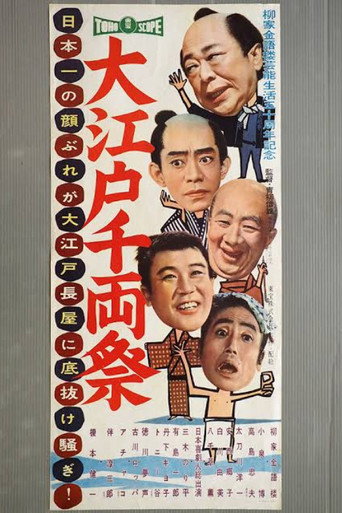 NR
NRNo synopsis available yet.
Big Edo's 1,000 Ryo Festival
1958
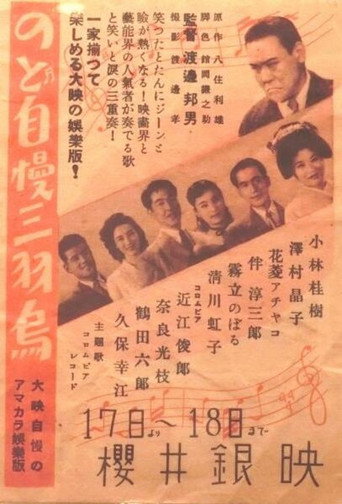 NR
NRNo synopsis available yet.
Nodo jiman sanbagarasu
1951
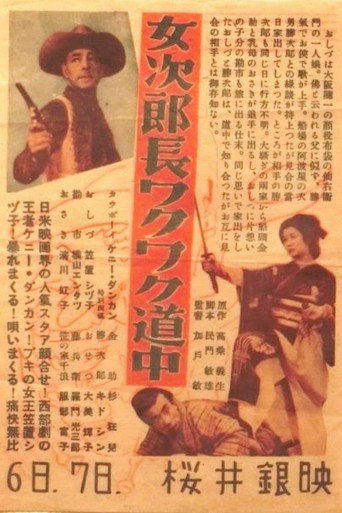 NR
NRPeriod comedy.
Onna Jirōchō wakuwaku dōchū
1951
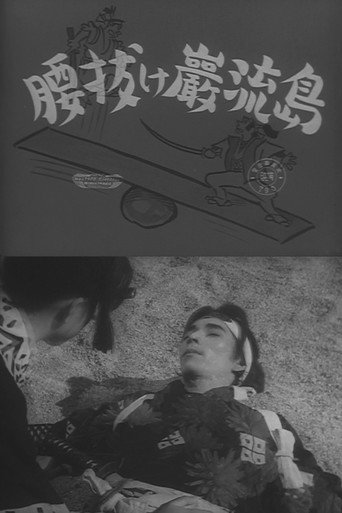 NR
NRA comedic retelling of the legendary encounter between Sasaki Kojiro and Miyamato Musashi.
Coward at Ganryu Island
1952
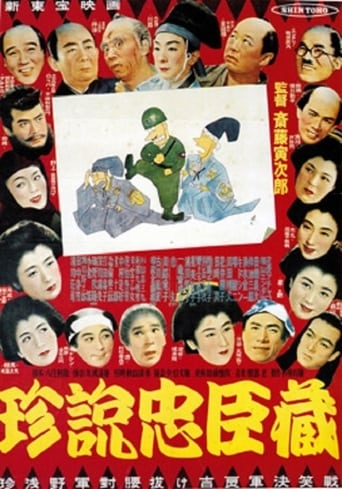 NR
NRA comedic retelling of the legend of the loyal 47 ronin.
珍説忠臣蔵
1953
Series credits
NRThe 19th NHK Asadora. A dramatization of the life of the singer Chiyako Sato. Michiko Godai replaced Haruna Takase in the lead two months into the series when Takase became ill. Adapted from the novel "Aa Tokyo Koshinkyoku" by Yuki Ryoichi.
Ichibanboshi
1977
 9.0
9.0Since his wife's death from illness, Oki Eisuke (Utsui Ken) has been working as a lawyer at the Oki Law Office, raising his high school-aged daughter, Kaori (Hayashi Norie). His late wife's father, Kimura Genkichi (Ban Junsaburo, Matsumura Tatsuo), a former Metropolitan Police Department detective, is in charge of accounting, while Ono Toshiko (Nakahara Rie) is in charge of typist and secretary. Also among the investigators are Sakamoto Ryu (Nakamura Masatoshi), who claims to be serving a two-year prison sentence, and Suzuki Masao (Okita Hiroyuki), who is on probation. These are the members of the firm that Eisuke trusts. A die-hard feminist, Eisuke throws himself wholeheartedly into the cases of female clients, regardless of legal fees, but...
Himawari no Uta
1981
 NR
NRNo synopsis available yet.
Terauchi Kantarō Ikka
1974
Fuji drama specials based on the eponymous manga by Shotaro Ishinomori.
Sabu to Ichi Dorimono Hikae
1981