Acting
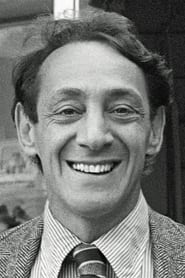
Harvey Milk
Born — Died
1930-05-22 — 1978-11-27
Place of birth
Woodmere, Long Island, New York, USA
Known for
Acting
Credits
16 titles
Harvey Bernard Milk (May 22, 1930 – November 27, 1978) was an American politician and the first openly gay man to be elected to public office in California, as a member of the San Francisco Board of Supervisors. Milk was born and raised in New York where he acknowledged his homosexuality as an adolescent, but chose to pursue sexual relationships with secrecy and discretion well into his adult years. His experience in the counterculture of the 1960s caused him to shed many of his conservative views about individual freedom and the expression of sexuality. Milk moved to San Francisco in 1972 and opened a camera store. Although he had been restless, holding an assortment of jobs and moving hou…
Known for
 7.4
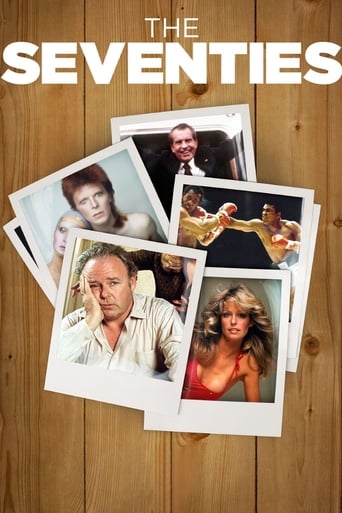
7.4A documentary series focusing on the ongoing Vietnam War, the Watergate scandal, evolving music industry, the Iran Hostage Crisis, the sexual revolution, and the rise of foreign and domestic terrorism.
The Seventies
2015
 7.2
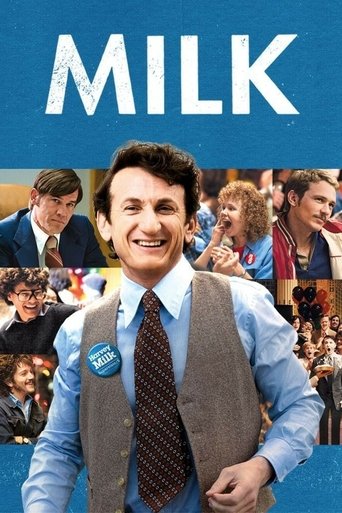
7.2The true story of Harvey Milk, the first openly gay man ever elected to public office. In San Francisco in the late 1970s, Harvey Milk becomes an activist for gay rights and inspires others to join him in his fight for equal rights that should be available to all Americans.
Milk
2008
 7.3
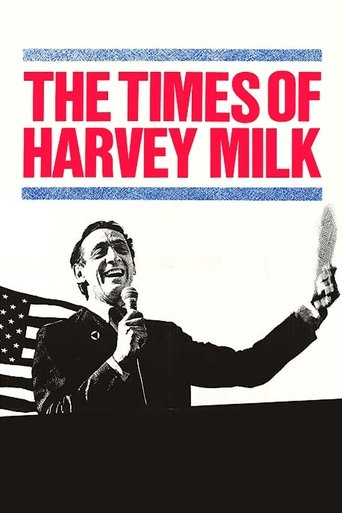
7.3Harvey Milk was an outspoken human rights activist and one of the first openly gay U.S. politicians elected to public office; even after his assassination in 1978, he continues to inspire disenfranchised people around the world.
The Times of Harvey Milk
1984
 6.2
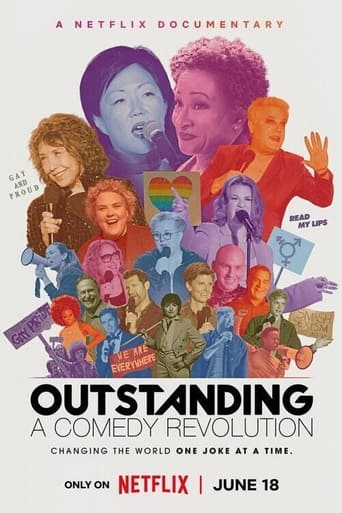
6.2This rapturous documentary steps into the dynamic world of queer stand-up and examines the powerful cultural influence it has had on social change in America. The film combines rare archival materials, stand-up performances, and interviews with a show-stopping lineup to present a definitive history of queer comedy.
Outstanding: A Comedy Revolution
2024
 NR
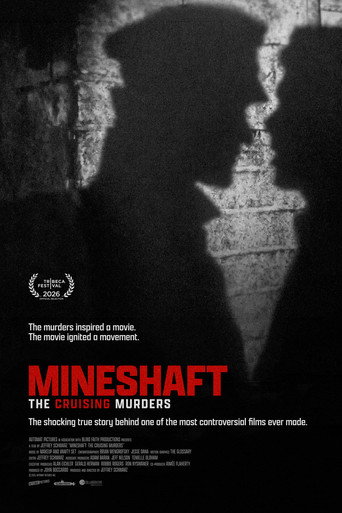
NR“Mineshaft: The Cruising Murders" peels back the layers of controversy surrounding the making of the 1980 thriller, "Cruising." Directed by William Friedkin, the film triggered fierce protests from the LGBTQ+ community for its portrayal of a serial killer targeting gay men in New York's leather bars. Friedkin drew inspiration from the brutal murder of Variety reporter Addison Verrill, blurring the boundaries between cinematic fiction and real-life tragedy.
Mineshaft: The Cruising Murders
2026
 8.0
8.0Documentary that explores the lives of 14 female U.S. senators and the uniquely feminine challenges they face, including the sometimes difficult balance between their roles as public servants and wives and mothers.
14 Women
2007
Film credits
2020s · 3 titles
6.2This rapturous documentary steps into the dynamic world of queer stand-up and examines the powerful cultural influence it has had on social change in America. The film combines rare archival materials, stand-up performances, and interviews with a show-stopping lineup to present a definitive history of queer comedy.
Outstanding: A Comedy Revolution
2024
NR“Mineshaft: The Cruising Murders" peels back the layers of controversy surrounding the making of the 1980 thriller, "Cruising." Directed by William Friedkin, the film triggered fierce protests from the LGBTQ+ community for its portrayal of a serial killer targeting gay men in New York's leather bars. Friedkin drew inspiration from the brutal murder of Variety reporter Addison Verrill, blurring the boundaries between cinematic fiction and real-life tragedy.
Mineshaft: The Cruising Murders
2026
 1.0
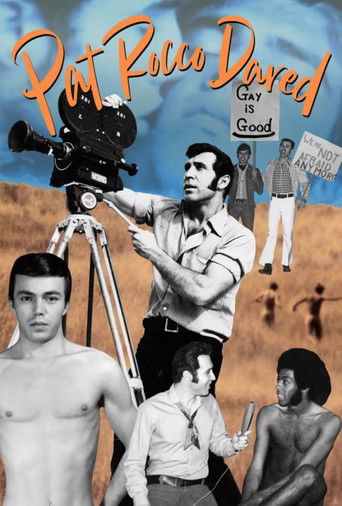
1.0This entertaining and enlightening documentary sheds a light on a pioneering moment in film history and the gay rights movement, as it revisits the break-through 1960s gay films of Pat Rocco. Rocco was responsible for the very first gay films that were shown openly to the paying public in the late 1960s. Situated before hardcore porn became the norm, and in marked contrast to the somewhat darker gay porn that was coming out of New York at the time. Pat Rocco’s film were more sun-dappled, featuring tanned and happy-looking naked men on sail boats and on beaches, celebrating their identities and the beauty of the male body. The filmmakers got to talk to the generous, rather humble and open-minded Rocco just before his death. It took a team of dedicated Canadian filmmakers to capture a fairly obscure moment of indie film history that deserves to be remembered.
Pat Rocco Dared
2021
2010s · 3 titles
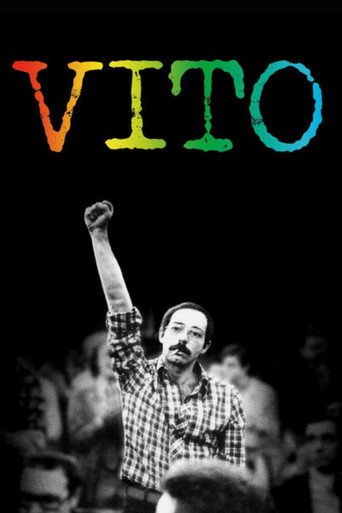 7.0
7.0In the aftermath of Stonewall, a newly politicized Vito Russo found his voice as a gay activist and critic of LGBTQ+ representation in the media. He went on to write "The Celluloid Closet", the first book to critique Hollywood's portrayals of gays on screen. During the AIDS crisis in the 1980s, Vito became a passionate advocate for justice via the newly formed ACT UP, before his death in 1990.
Vito
2011
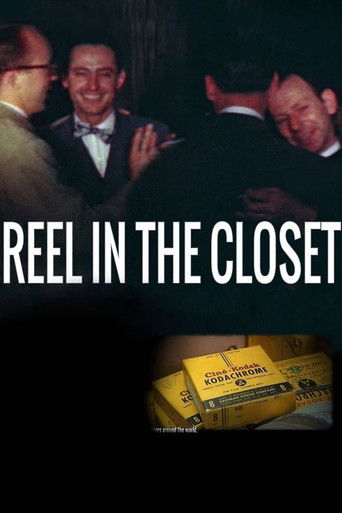 8.0
8.0Never before seen home movies made by queer people dating back to the 1930s and the struggle to save them before they are lost forever.
Reel in the Closet
2015
 4.6
4.6A kaleidoscopic snapshot of urban gay life during the gay liberation era — or at least how it looked in the movies.
Ask Any Buddy
2019
2000s · 3 titles
7.2The true story of Harvey Milk, the first openly gay man ever elected to public office. In San Francisco in the late 1970s, Harvey Milk becomes an activist for gay rights and inspires others to join him in his fight for equal rights that should be available to all Americans.
Milk
2008
8.0Documentary that explores the lives of 14 female U.S. senators and the uniquely feminine challenges they face, including the sometimes difficult balance between their roles as public servants and wives and mothers.
14 Women
2007
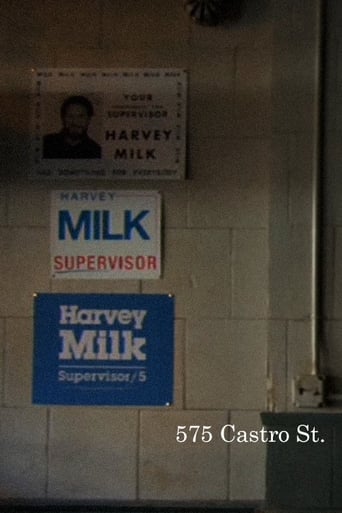 3.0
3.0The film focuses on the light and shadow playing on the walls of the Castro Camera Store, a location in Gus Van Sant’s Milk. The soundtrack features Harvey Milk himself, shortly after his election to the San Francisco Board of Supervisors in 1977.
575 Castro St.
2009
1990s · 2 titles
 5.6
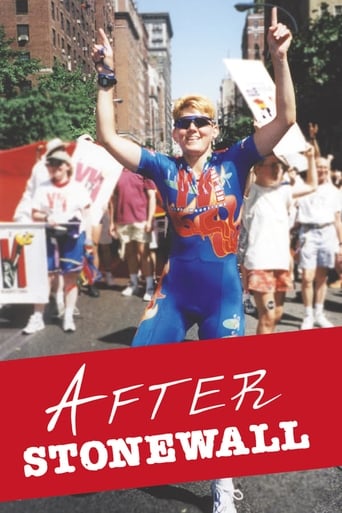
5.6This sequel to "Before Stonewall" documents the history of gay and lesbian life from the riots at Stonewall in 1969 to the present. Narrated by Melissa Etheridge, the film explains the work, struggles, victories, and defeats the gay community has weathered to become a vibrant and integral part of North American society.
After Stonewall
1999
 NR
NROn November 27, 1993, the 15th anniversary of Harvey Milk's assassination, a bronze plaque was dedicated in front of Harvey's former camera store and campaign headquarters at 575 Castro Street. Jeffrey Schwarz was there, filming speeches on a VHS camera by Tom Ammiano (San Francisco Board of Supervisors), John Wahl (Attorney to Harvey Milk), Dennis Peron (Cannibas Buyers Club), Harry Britt (New College Humanities Professor).
Gotta Give ‘Em Hope
1993