
Writing
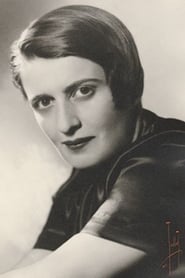
Ayn Rand
Born — Died
1905-02-02 — 1982-03-06
Place of birth
Saint Petersburg, Russian Empire
Known for
Writing
Credits
8 titles
Alice O'Connor (born Alisa Zinovyevna Rosenbaum; February 2 [O.S. January 20], 1905 – March 6, 1982), better known by her pen name Ayn Rand, was a Russian-born American writer and philosopher. She is known for her fiction and for developing a philosophical system she named Objectivism. Born and educated in Russia, she moved to the United States in 1926. After two early novels that were initially unsuccessful and two Broadway plays, she achieved fame with her 1943 novel, The Fountainhead. In 1957, Rand published her best-known work, the novel Atlas Shrugged. Afterward, until her death in 1982, she turned to non-fiction to promote her philosophy, publishing her own periodicals and releasing se…
Known for
 6.5
6.5Unfolding over six years, what begins as an impulsive one-off gathering turns into an ever-growing annual event attracting sponsorship from crypto-currency companies and featuring capitalist statist speakers such as Ron Paul and BitCoin investor Roger Ver. And when rule-avoidant "freedom" activists come together in one of the most dangerous cities in the world, incoherent ideology and cognitive dissonance rears its ugly head.
The Anarchists
2022
 6.9
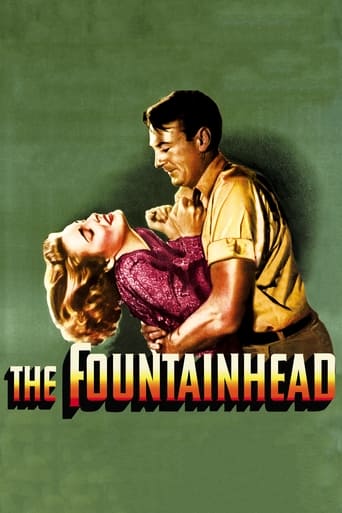
6.9An uncompromising, visionary architect struggles to maintain his integrity and individualism despite personal, professional and economic pressures to conform to popular standards.
The Fountainhead
1949
 6.4
6.4The King of Kings is the Greatest Story Ever Told as only Cecil B. DeMille could tell it. In 1927, working with one of the biggest budgets in Hollywood history, DeMille spun the life and Passion of Christ into a silent-era blockbuster. Featuring text drawn directly from the Bible, a cast of thousands, and the great showman’s singular cinematic bag of tricks, The King of Kings is at once spectacular and deeply reverent—part Gospel, part Technicolor epic.
The King of Kings
1927
 8.3
8.3We have been colonised by the machines we have built. Although we don't realise it, the way we see everything in the world today is through the eyes of the computers.
All Watched Over by Machines of Loving Grace
2011
 6.5
6.5Alan Quinton, a soldier stationed in Italy during World War II, writes love letters for his ineloquent friend, Roger, to his romantic interest at home, Victoria. Alan falls for Victoria through their correspondence despite his engagement to another. After being wounded, Alan returns home only to learn that Roger and Victoria have died under strange circumstances. However, an amnesiac named Singleton might hold the key to the mystery of their deaths.
Love Letters
1945
 6.6
6.6A documentary that examines the films made by the victims of the Hollywood Blacklist and offers a radically different perspective on a key period in the history of American cinema.
Red Hollywood
1996
Film credits
Series credits
6.5Unfolding over six years, what begins as an impulsive one-off gathering turns into an ever-growing annual event attracting sponsorship from crypto-currency companies and featuring capitalist statist speakers such as Ron Paul and BitCoin investor Roger Ver. And when rule-avoidant "freedom" activists come together in one of the most dangerous cities in the world, incoherent ideology and cognitive dissonance rears its ugly head.
The Anarchists
2022
8.3We have been colonised by the machines we have built. Although we don't realise it, the way we see everything in the world today is through the eyes of the computers.
All Watched Over by Machines of Loving Grace
2011
Behind the camera
6.9An uncompromising, visionary architect struggles to maintain his integrity and individualism despite personal, professional and economic pressures to conform to popular standards.
The Fountainhead
1949
6.5Alan Quinton, a soldier stationed in Italy during World War II, writes love letters for his ineloquent friend, Roger, to his romantic interest at home, Victoria. Alan falls for Victoria through their correspondence despite his engagement to another. After being wounded, Alan returns home only to learn that Roger and Victoria have died under strange circumstances. However, an amnesiac named Singleton might hold the key to the mystery of their deaths.
Love Letters
1945
 7.3
7.3War hero flier Bob Collins goes on a war bond selling tour with two buddies, and substitute "chaperone" Ivy Hotchkiss. Bob's a cheerful Lothario with several girls in every town on the tour. After some amusing escapades, Bob and Ivy become romantically involved, agreeing it's "just fun up in the air." Then Ivy finds out the real reason why it shouldn't be anything more.
You Came Along
1945