
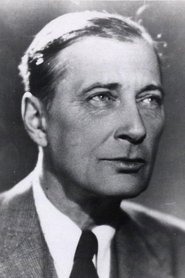
Directing
Jacques Feyder
Born — Died
1885-07-21 — 1948-05-24
Place of birth
Ixelles, Brabant, Belgium
Known for
Directing
Credits
44 titles
Jacques Feyder , was a Belgian actor, screenwriter and film director who worked principally in France, but also in the USA, Britain and Germany. He was a leading director of silent films during the 1920s, and in the 1930s he became associated with the style of poetic realism in French cinema. He adopted French nationality in 1928. Born Jacques Léon Louis Frédérix in Ixelles, Belgium, at age twenty-five however he moved to Paris where he pursued an interest in acting, first on stage and then in film, adopting the name Jacques Feyder. He joined the Gaumont Film Company and in 1914 he became an assistant director with Gaston Ravel. He started directing films for Gaumont in 1916, but his career…
Known for
Produced for television by Claude-Jean Philippe, the « Encyclopédie audiovisuelle du cinéma », recounts the history of French cinema from its birth to the beginning of the 1960s. With commentary read by Jean Rochefort.
Encyclopédie audiovisuelle du cinéma
1978
 7.8
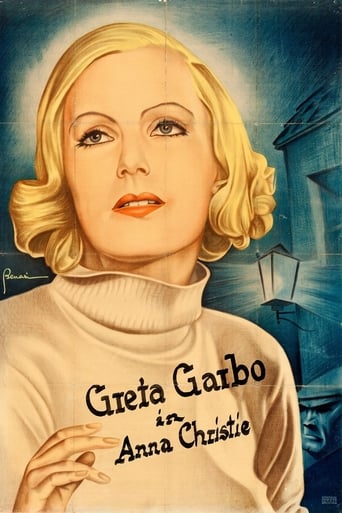
7.8A young woman reunites with the father she's not seen since early childhood, also falls in love with a sailor who wishes to marry her, and eventually is forced to reveal to each man about her dark past. (NOTE: This is the German language version.)
Anna Christie
1930
 6.4
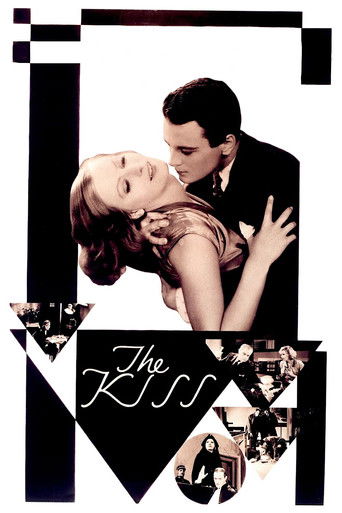
6.4An unhappily married woman is caught up in scandal and murder when her affection toward a young man is misinterpreted.
The Kiss
1929
 5.2
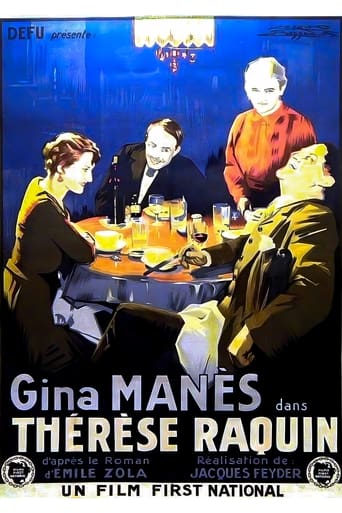
5.2Thérèse Raquin, an unhappily married woman, aided by her lover Laurent, drowns her husband Michaud, only to find the guilt of her actions intolerable.
Thérèse Raquin
1928
 7.4
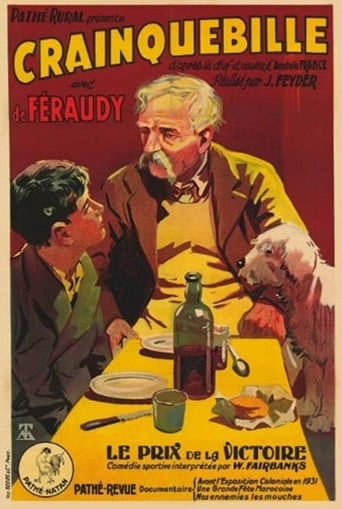
7.4Jérôme Crainquebille, is an ageing vegetable seller who has sold groceries from his cart in in Paris for over 40 years. One day, he is harassed by a policeman who insists that he moves on. When he protests, Crainquebille is arrested, supposedly for swearing at the policeman.
Crainquebille
1922
 5.9
5.9In the last days of Czarist Russia, Russian-speaking Briton A.J. Fothergill is enlisted by his government to go undercover as Bolshevik radical Peter Ouranoff in an attempt to gain access to the revolutionaries' inner circle. Tasked with accompanying lovely aristocrat Alexandra Vladinoff from Moscow to Petrograd to be tried for crimes against the proletariat, Peter attempts to spirit her out of the war-torn country.
Knight Without Armour
1937
Film credits
1910s · 3 titles
 5.8
5.8Georges Méliès's first attempt at Cinderella was in 1899. That film was extraordinary then for having multiple scenes and a semblance of a narrative; additionally, the use of dissolves as transitions in it influenced other filmmakers for years to do the same. Méliès was the cinema world's preeminent leader then. By 1912, however, that was no longer the case; frankly, as evidenced by this feature, his style had become dated. Moreover, Méliès had begun to adopt techniques from other filmmakers, such as direct cuts instead of dissolves, and there's even a match on action shot during the slipper trying-on scene.
Cinderella or The Glass Slipper
1912
No synopsis available yet.
Monsieur Pinson policier
1916
 5.4
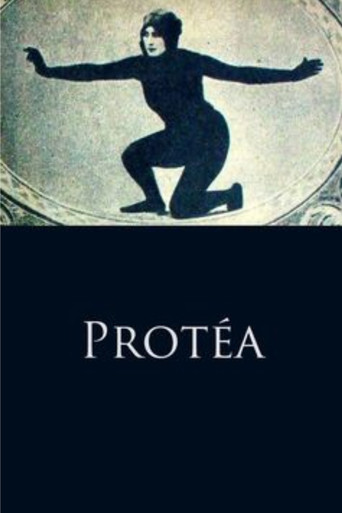
5.4Protéa is the last film directed by Victorin-Hippolyte Jasset, one of the early film pioneers in France. The hero of this film is a female spy, an acrobatic Mata-Hari, played by his favorite actress, Josette Andriot, who wore a characteristic costume of a close-fitting black jersey, two years before Musidora achieved cult status with her similar appearance as Irma Vep. This final masterpiece reflects Jasset's popular style: rhythmic action, fantastic realism, rich visuals, an anarchistic philosophy, a disdain for psychology, and an attention to lighting that earned him the nickname “the Rembrandt of the cinema". Although Jasset died shortly after completion, the film had considerable success and Andriot went on to make four more films in the series with other directors.
Protéa
1913
Series credits
Behind the camera
7.8A young woman reunites with the father she's not seen since early childhood, also falls in love with a sailor who wishes to marry her, and eventually is forced to reveal to each man about her dark past. (NOTE: This is the German language version.)
Anna Christie
1930
6.4An unhappily married woman is caught up in scandal and murder when her affection toward a young man is misinterpreted.
The Kiss
1929
5.2Thérèse Raquin, an unhappily married woman, aided by her lover Laurent, drowns her husband Michaud, only to find the guilt of her actions intolerable.
Thérèse Raquin
1928
5.2Thérèse Raquin, an unhappily married woman, aided by her lover Laurent, drowns her husband Michaud, only to find the guilt of her actions intolerable.
Thérèse Raquin
1928
7.4Jérôme Crainquebille, is an ageing vegetable seller who has sold groceries from his cart in in Paris for over 40 years. One day, he is harassed by a policeman who insists that he moves on. When he protests, Crainquebille is arrested, supposedly for swearing at the policeman.
Crainquebille
1922
7.4Jérôme Crainquebille, is an ageing vegetable seller who has sold groceries from his cart in in Paris for over 40 years. One day, he is harassed by a policeman who insists that he moves on. When he protests, Crainquebille is arrested, supposedly for swearing at the policeman.
Crainquebille
1922
7.4Jérôme Crainquebille, is an ageing vegetable seller who has sold groceries from his cart in in Paris for over 40 years. One day, he is harassed by a policeman who insists that he moves on. When he protests, Crainquebille is arrested, supposedly for swearing at the policeman.
Crainquebille
1922
5.9In the last days of Czarist Russia, Russian-speaking Briton A.J. Fothergill is enlisted by his government to go undercover as Bolshevik radical Peter Ouranoff in an attempt to gain access to the revolutionaries' inner circle. Tasked with accompanying lovely aristocrat Alexandra Vladinoff from Moscow to Petrograd to be tried for crimes against the proletariat, Peter attempts to spirit her out of the war-torn country.
Knight Without Armour
1937
 6.2
6.2Gribiche, a young boy whose mother is a war widow, gets adopted by a rich woman. She wants to turn him into a perfect gentleman, but soon he feels unhappy.
Gribiche
1926
6.2Gribiche, a young boy whose mother is a war widow, gets adopted by a rich woman. She wants to turn him into a perfect gentleman, but soon he feels unhappy.
Gribiche
1926
 7.3
7.3Flanders, Hispanic Monarchy, 1616. The inhabitants of the small town of Boom are busy organizing the annual local festivities when the arrival of the Duke of Olivares, who rules the country on behalf of the King Philip III of Spain, is announced. While the male citizens cowardly surrender to panic like rats on a sinking ship, the brave female citizens, led by the bold wife of the burgomaster, decide to become the best hosts the Spaniards can ever meet.
Carnival in Flanders
1935
 6.2
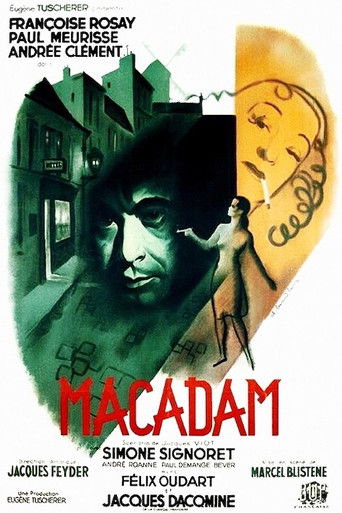
6.2Madame Rose runs a seedy hotel in a suburb of Paris. Strong-minded but without the least moral scruple, she once killed her husband whose honesty was a hindrance to her business. Under a suspended sentence, she now indulges in smuggling. One day, Victor, one of her former accomplices hounded by the police, finds sanctuary with her. During a drinking spree, he has the bad idea to entrust to her a suitcase filled with bank notes, a loot with which Victor hopes to rebuild his life in South America. But Rose, lured by temptation, betrays Victor, who is arrested by the police. However, he manages to escape with only one thing in mind, to take revenge on Rose...
Back Streets of Paris
1946
 5.7
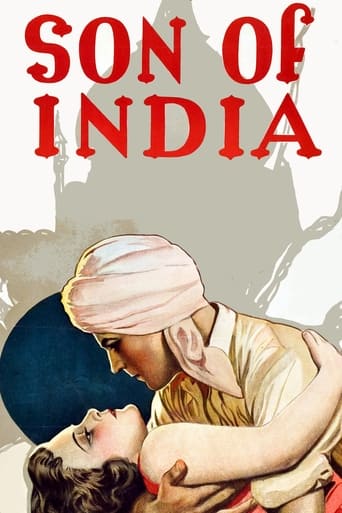
5.7An Indian jewel merchant goes from penniless to wealthy in this story about gratitude.
Son of India
1931
 7.7
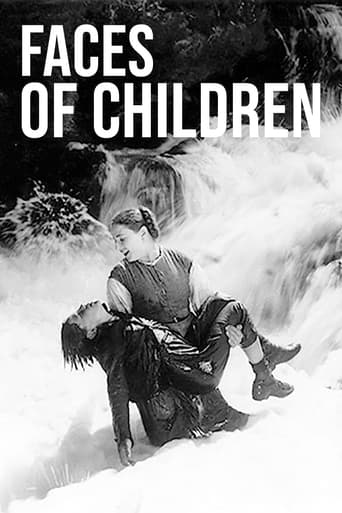
7.7A young boy living in the Swiss Alps struggles to come to terms with his mother's death and his father's remarriage which brings a new mother and step-sister into his family.
Faces of Children
1925
7.7A young boy living in the Swiss Alps struggles to come to terms with his mother's death and his father's remarriage which brings a new mother and step-sister into his family.
Faces of Children
1925
 6.3
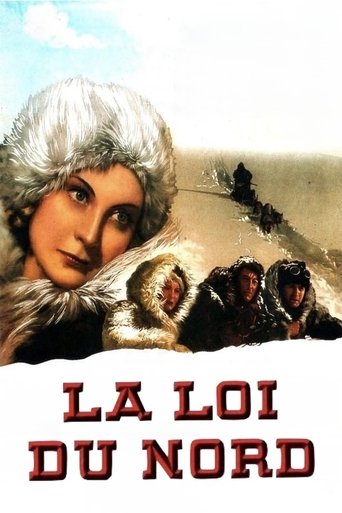
6.3Robert Shaw slaughters his wife's lover and runs away with his secretary Jacqueline. Helped by a French trapper who takes them for film-makers, they hide in Northern Canada.
Law of the North
1939
 7.0
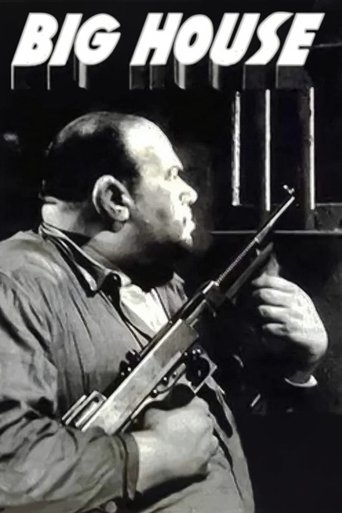
7.0French-language version of "The Big House" (MGM, 1930), with Charles Boyer in Chester Morris's role, filmed by MGM parallel to the English-speaking version, at a time when good subtitles weren't yet in use.
The Big House
1931
 4.3
4.3An Austrian soldier must choose between a wealthy fiancee and a new girl who takes his fancy.
Daybreak
1931
 9.0
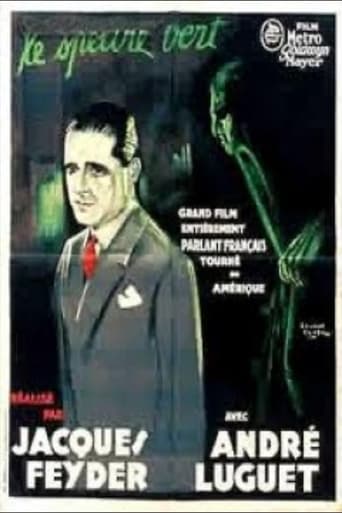
9.0A group of people who knew each other years before discover that members of the group are being killed off one by one by someone who calls himself (or herself) The Green Ghost. The survivors gather at an old mansion to find out who is doing the killing and why, and discover that the murderer is a member of that very group.
The Green Specter
1930
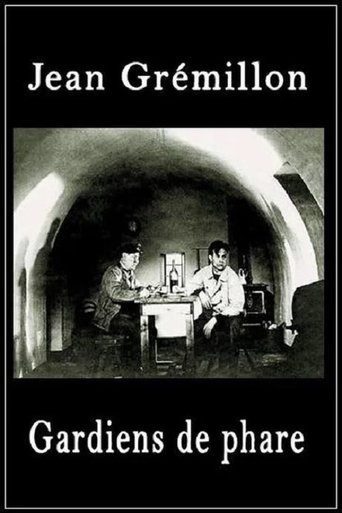 7.4
7.4In a lighthouse off the coast of Brittany, a young man slowly goes mad following a bite by a rabid dog while his father looks on helplessly. Thwarted by a raging sea, they are prisoners of the lighthouse. In a rustic Brittany village, a young bride waits, unaware of the tragedy.
The Lighthouse Keepers
1929
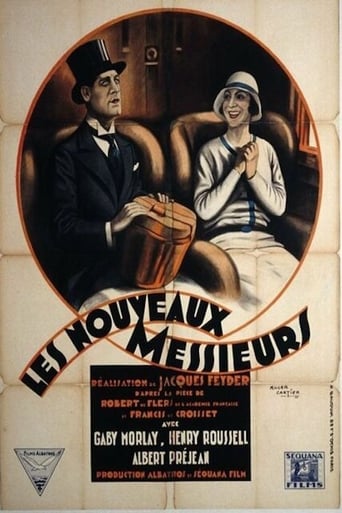 6.5
6.5The plot focuses on Gaillac (Albert Prejean), an electrician employed by the Paris Opera. In love with gorgeous ballerina Suzanne (Gaby Morlay), Gaillac must play second fiddle to Suzanne's wealthy "protector," powerful politician Count Montoire (Henry Roussell). When the Opera personnel go on strike, Gaillac is appointed leader of the strikers, doing his job so well that he is ultimately elected Secretary of Labor in the French cabinet. Now on equal footing with Montoire, Gaillac is at last a "worthy" suitor for Suzanne -- who can't make up her mind between her two well-connected admirers, leading to a political rivalry the likes of which Paris has never seen. This harmless political satire ended up being banned by the French government for undermining "the dignity of Parliament and its ministers". (moviefone.com)
The New Gentlemen
1929
6.5The plot focuses on Gaillac (Albert Prejean), an electrician employed by the Paris Opera. In love with gorgeous ballerina Suzanne (Gaby Morlay), Gaillac must play second fiddle to Suzanne's wealthy "protector," powerful politician Count Montoire (Henry Roussell). When the Opera personnel go on strike, Gaillac is appointed leader of the strikers, doing his job so well that he is ultimately elected Secretary of Labor in the French cabinet. Now on equal footing with Montoire, Gaillac is at last a "worthy" suitor for Suzanne -- who can't make up her mind between her two well-connected admirers, leading to a political rivalry the likes of which Paris has never seen. This harmless political satire ended up being banned by the French government for undermining "the dignity of Parliament and its ministers". (moviefone.com)
The New Gentlemen
1929
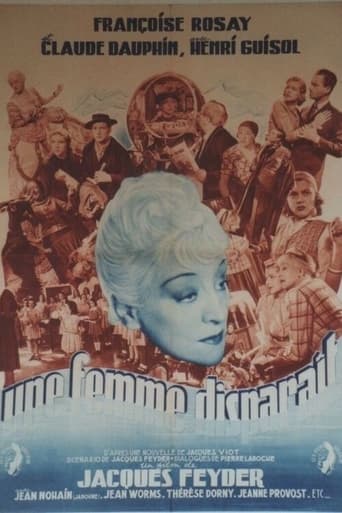 9.0
9.0A woman disappears after visiting her daughter and realizing her presence was unwelcome by her in-laws. Some time later, a body is found in a nearby lake.
Portrait of a Woman
1944
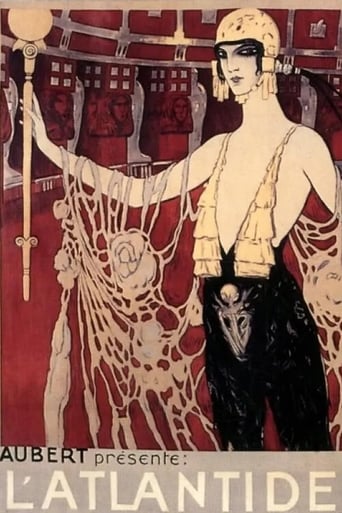 6.0
6.0Two men, lost in the desert, meet Queen Antinea, ruler of Atlantis.
L'Atlantide
1921
6.0Two men, lost in the desert, meet Queen Antinea, ruler of Atlantis.
L'Atlantide
1921
 10.0
10.0A princess in the old Austro-Hungarian empire rejects her arranged marriage and falls, instead, for a dashing cavalry captain.
Si l'empereur savait ça
1930
10.0A princess in the old Austro-Hungarian empire rejects her arranged marriage and falls, instead, for a dashing cavalry captain.
Si l'empereur savait ça
1930
 7.1
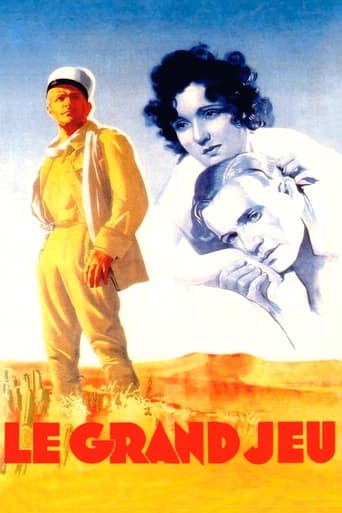
7.1Pierre , a young lawyer, has enormous debts due to his mistress Florence and her whims of luxury life. Pierre has gone too far and put the family firm in jeopardy. They ask him to expatriate. To avoid scandal, Pierre joins the Foreign Legion. In Morocco, near the desert, Pierre goes with his comrades of the Legion to a bar-restaurant-brothel, owned by a shady character, Mr. Clement . Clement lives more or less with Ms.Blanche who is a fortune teller with cards, as a hobby. But Clement is also after his girls now and then. Pierre is still obsessed with Florence but he meets Irma , one of Clement's girls, who is the double of Florence except for hair color. Irma has had an accident and has lost part of her memory at a certain point of her recent past, and Pierre slowly persuades himself she is Florence, but cannot remember it. Advised by Ms.Blanche, Irma finally accepts to act as if she was Florence because she is falling in love with Pierre.
The Great Game
1934
7.1Pierre , a young lawyer, has enormous debts due to his mistress Florence and her whims of luxury life. Pierre has gone too far and put the family firm in jeopardy. They ask him to expatriate. To avoid scandal, Pierre joins the Foreign Legion. In Morocco, near the desert, Pierre goes with his comrades of the Legion to a bar-restaurant-brothel, owned by a shady character, Mr. Clement . Clement lives more or less with Ms.Blanche who is a fortune teller with cards, as a hobby. But Clement is also after his girls now and then. Pierre is still obsessed with Florence but he meets Irma , one of Clement's girls, who is the double of Florence except for hair color. Irma has had an accident and has lost part of her memory at a certain point of her recent past, and Pierre slowly persuades himself she is Florence, but cannot remember it. Advised by Ms.Blanche, Irma finally accepts to act as if she was Florence because she is falling in love with Pierre.
The Great Game
1934
 7.5
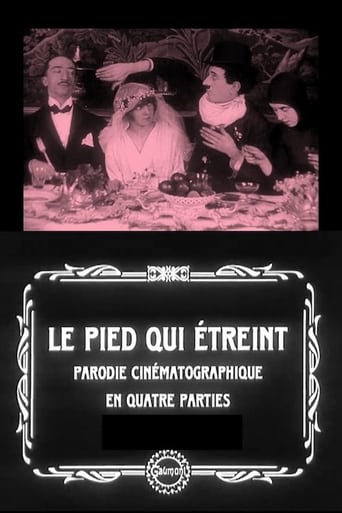
7.5The famous scientific detective Justin Crécelle and his faithful assistant Walter Jymson seek to halt the deeds of the "Clutching Foot" gang, who attempt to kidnap Hélène, the fiancée of Justin, in both possible and ridiculous ways. The film is a spoof of the Les Vampires serials, with Musidora appearing in one episode in costume.
The Clutching Foot
1916
 6.8
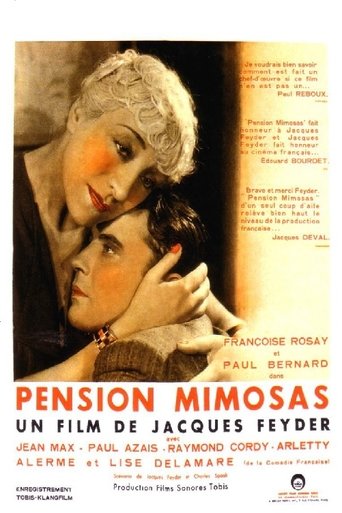
6.8Mr. and Mrs. Noblet run a boarding house on the French Riviera. One day, they are led by circumstances to welcome a little boy Pierre, whose father is in jail, into their home. Which makes Louise Noblet all the happier as she can't have children herself. But, after a while, Pierre's father is released from prison and reclaims his son... Time passes and Pierre, now a young adult, lives in Paris more or less on the wrong side of the law. He has a mistress, Nelly, who does not say no to other men's money... Louise, who still loves Pierre as her own son, wants only one thing - to help him get by.
Pension Mimosas
1935
6.8Mr. and Mrs. Noblet run a boarding house on the French Riviera. One day, they are led by circumstances to welcome a little boy Pierre, whose father is in jail, into their home. Which makes Louise Noblet all the happier as she can't have children herself. But, after a while, Pierre's father is released from prison and reclaims his son... Time passes and Pierre, now a young adult, lives in Paris more or less on the wrong side of the law. He has a mistress, Nelly, who does not say no to other men's money... Louise, who still loves Pierre as her own son, wants only one thing - to help him get by.
Pension Mimosas
1935
 5.0
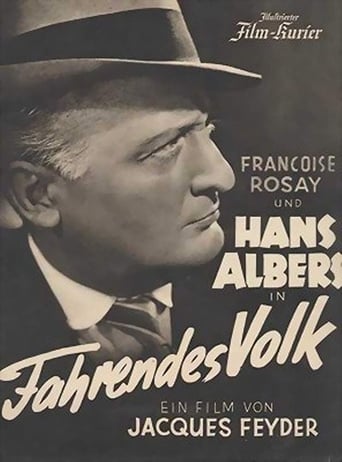
5.0Fernand has escaped from prison and finds shelter in the traveling circus Barlay, where his former wife Flora works as a predator trainer. Their son, now grown up, Marcel is an art rider and does not know that Fernand is his father. Marcel loves Yvonne, the daughter of director Barlay. He is against the connection, sends his daughter to Italy and convinces Marcel that Yvonne does not return his feelings.
Fahrendes Volk
1938
5.0Fernand has escaped from prison and finds shelter in the traveling circus Barlay, where his former wife Flora works as a predator trainer. Their son, now grown up, Marcel is an art rider and does not know that Fernand is his father. Marcel loves Yvonne, the daughter of director Barlay. He is against the connection, sends his daughter to Italy and convinces Marcel that Yvonne does not return his feelings.
Fahrendes Volk
1938
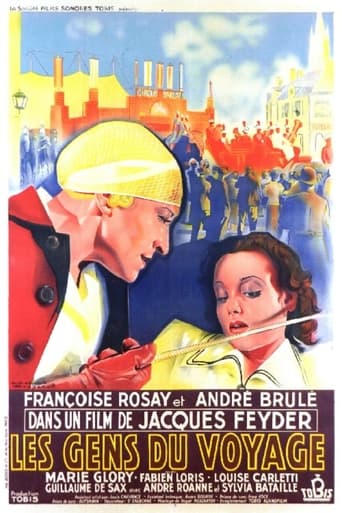 7.3
7.3Due to an accident at the Barlay Circus, animal trainer Flora finds Fernand, a former prison escapee, and refers him to manager, Edouard Barlay.
People Who Travel
1938
A modest man who applies for a job in an insurance firm is tormented by the idea that he has made a simple spelling mistake on his application.
La Faute d'orthographe
1918
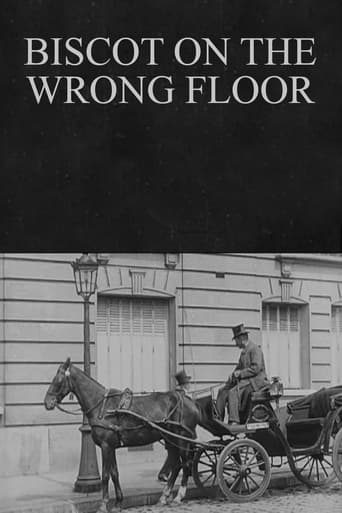 6.0
6.0An early Gaumont short
Biscot on the Wrong Floor
1916
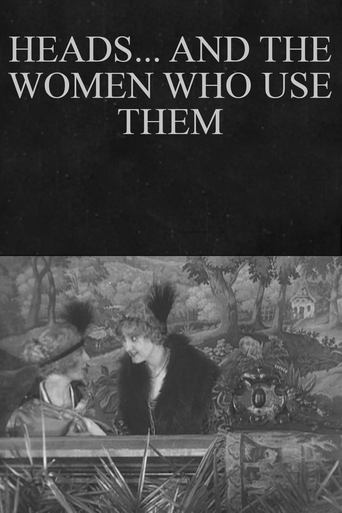 6.0
6.0Directed by Jacques Feyder.
Heads... and the Women Who Use Them
1916
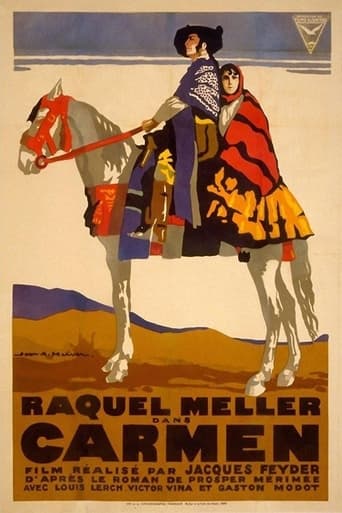 6.2
6.2Feyder's scenario very closely follows Don José's own account of his story and his fatal relation with the gypsy Carmen in the third chapter of Mérimée's short novel.
Carmen
1926
6.2Feyder's scenario very closely follows Don José's own account of his story and his fatal relation with the gypsy Carmen in the third chapter of Mérimée's short novel.
Carmen
1926