
Directing
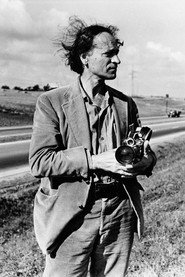
Jonas Mekas
Born — Died
1922-12-24 — 2019-01-23
Place of birth
Semeniškiai, Lithuania
Known for
Directing
Credits
101 titles
Jonas Mekas (24 December 1922 - 23 January 2019) was born in the farming village of Semeniškiai, Lithuania. In 1944, he and his brother Adolfas were taken by the Nazis to a forced labor camp in Elmshorn, Germany. After the War he studied philosophy at the University of Mainz. At the end of 1949 the UN Refugee Organization brought both brothers to New York City, where they settled down in Williamsburg, Brooklyn. Two months after his arrival in New York he borrowed money to buy his first Bolex camera and began to record brief moments of his life. He soon got deeply involved in the American Avant-Garde film movement. In 1954, together with his brother, he started Film Culture magazine, which s…
Known for
 6.0
6.0No synopsis available yet.
Kulturplatz
2004
 6.8
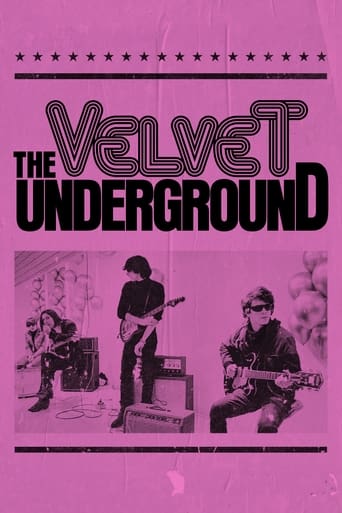
6.8Experience the iconic rock band's legacy in the first major documentary to tell their story. Directed with the era’s avant-garde spirit by Todd Haynes, this kaleidoscopic oral history combines exclusive interviews with dazzling archival footage.
The Velvet Underground
2021
 7.8
7.8Why are we still able, today, to view images that were captured over 125 years ago? As we enter the digital age, audiovisual heritage seems to be a sure and obvious fact. However, much of cinema and our filmed history has been lost forever. Archivists, technicians and filmmakers from different parts of the world explain what audiovisual preservation is and why it is necessary. The documentary is a tribute to all these professionals and their important work.
Film: The Living Record of Our Memory
2022
 7.1
7.1A surreal, half-fiction, half real life footage of a day in the life of John lennon and Yoko Ono, composed to music from John's historic 'Imagine' album and Yoko's 'Fly'.
Imagine
1972
 6.6
6.6Jonas Mekas’s intimate diary film spans 1963 to 1990, capturing Andy Warhol alongside friends and collaborators from the New York avant-garde. Featuring figures such as Allen Ginsberg, John Lennon, Yoko Ono, and George Maciunas—as well as rare footage of the Velvet Underground’s first performance—it offers a personal portrait of Warhol’s world and his intersections with art, music, and counterculture.
Scenes from the Life of Andy Warhol: Friendships and Intersections
1990
 NR
NRScenes from the life and work at Anthology Film Archives. Much of the footage in this video was shot by Auguste Varkalis.
Laboratorium Anthology
1999
Film credits
2020s · 8 titles
6.8Experience the iconic rock band's legacy in the first major documentary to tell their story. Directed with the era’s avant-garde spirit by Todd Haynes, this kaleidoscopic oral history combines exclusive interviews with dazzling archival footage.
The Velvet Underground
2021
7.8Why are we still able, today, to view images that were captured over 125 years ago? As we enter the digital age, audiovisual heritage seems to be a sure and obvious fact. However, much of cinema and our filmed history has been lost forever. Archivists, technicians and filmmakers from different parts of the world explain what audiovisual preservation is and why it is necessary. The documentary is a tribute to all these professionals and their important work.
Film: The Living Record of Our Memory
2022
 7.5
7.5A unique and compelling account of the day that changed the modern world, captured by ordinary people who chose to pick up their cameras and film that fateful day.
9/11: Life Under Attack
2021
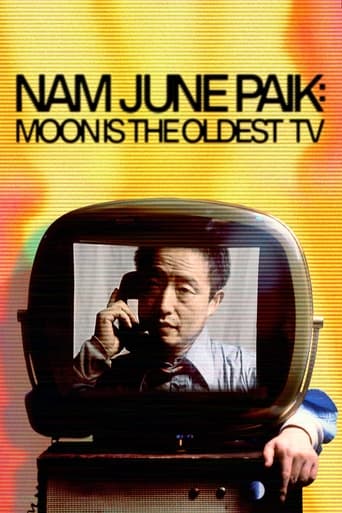 6.8
6.8The quixotic journey of Nam June Paik, one of the most famous Asian artists of the 20th century, who revolutionized the use of technology as an artistic canvas and prophesied both the fascist tendencies and intercultural understanding that would arise from the interconnected metaverse of today's world.
Nam June Paik: Moon Is the Oldest TV
2023
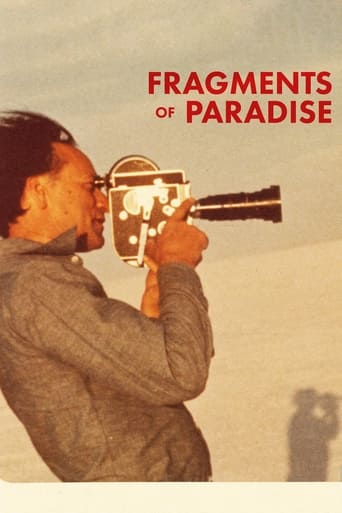 6.5
6.5For over 70 years, Jonas Mekas, internationally known as the "godfather" of avant-garde cinema, documented his life in what came to be known as his diary films. From his arrival in New York City as a displaced person in 1949 to his death in 2019, he chronicled the trauma and loss of exile while pioneering institutions to support the growth of independent film in the United States. Fragments of Paradise is an intimate look at his life and work constructed from thousands of hours of his own video and film diaries-including never-before-seen tapes and unpublished audio recordings. It is a story about finding beauty amidst profound loss, and a man who tried to make sense of it all... with a camera.
Fragments of Paradise
2022
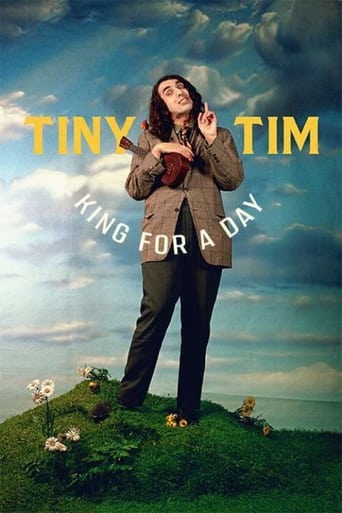 6.1
6.1The story of Tiny Tim’s improbable rise to stardom is the ultimate fairytale - and so is that of his downfall. For a brief time, the shy and truly unusual outsider artist was the biggest star in the world.
Tiny Tim: King for a Day
2020
 NR
NRThe tapes in the program consist of some of Mekas’ earliest cassettes from the 1990s not long after he first began working with video as well as more recent mini-DV tapes from 2010s. The contents of the tapes have not been previously seen in their entirety. The footage provides rare insight into aspects of Mekas’ video-making practice, as well as his activities, thoughts, dreams, and concerns, especially during the later years of his life.
Tapes
2020
 NR
NRGozo Yoshimasu, a pioneer of Japanese contemporary poetry, pursued the vision of his ally, the late Jonas Mekas in Manhattan and Brooklyn. The time is the end of January 2020, just before the coronavirus strikes NYC, and the trip is just in time. This film depicts the dramatic birth of a poem that could be called a requiem on the first anniversary of the death of Mekas, who was considered a giant of experimental cinema
Vertigo
2022
2010s · 14 titles
 6.0
6.0Filmmaker José Luis Guerin documents his experience during a year of traveling as a guest of film festivals to present his previous film. What emerges is a wonderfully humane and sincere portrayal of the people that he meets when he goes off the beaten track in some of the world's major cities.
Guest
2011
 6.0
6.0Visionary artist Matthew Barney returns to cinema with this 3-part epic, a radical reinvention of Norman Mailer’s novel Ancient Evenings. In collaboration with composer Jonathan Bepler, Barney combines traditional modes of narrative cinema with filmed elements of performance, sculpture, and opera, reconstructing Mailer’s hypersexual story of Egyptian gods and the seven stages of reincarnation, alongside the rise and fall of the American car industry.
River of Fundament
2014
 NR
NRA short film by Maria Lassnig, shot in 1970.
Nitsch
2018
 7.0
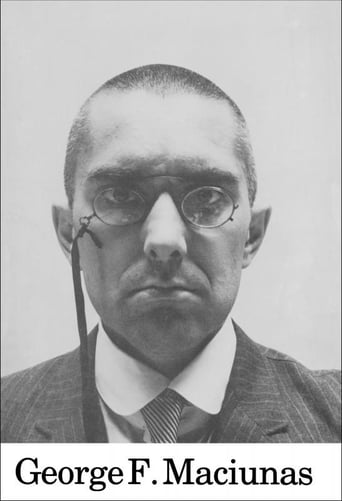
7.0In 1961 Lithuanian American artist and impresario George Maciunas established the avant-garde art movement Fluxus. George details the rise of Fluxus following a sensationalized tour of “concerts” in Europe in 1962, and continuing in New York for most of the 1960s and ’70s. During this time Maciunas was converting the dying industrial buildings of Soho into a network of artists’ lofts, creating one of the first official real estate co-ops of artist-owned buildings. Maciunas’s life and legacy—as recounted by artists of his generation, including Yoko Ono and Jonas Mekas—ignited debates that remain pivotal to artists working today.
George: The Story of George Maciunas and Fluxus
2018
 6.5
6.5In memory of the Japanese earthquake on 3.11, each director presents a 3 minute and 11 second short film in tribute to those who were lost that day.
3.11 A Sense of Home Films
2011
 6.4
6.4Using the words and ideas of great filmmakers, from archival interviews with Alfred Hitchcock and Robert Bresson to new interviews with Mike Leigh, David Lynch, and Jonas Mekas, Oscar-winning filmmaker Chuck Workman shows what these filmmakers and others do that can't be expressed in words - but only in cinema.
What Is Cinema?
2013
 NR
NRA “Cinéma, de notre temps” series episode directed by french filmmaker Jackie Raynal, originally aired 29 May 2016.
Reminiscences of Jonas Mekas
2016
 5.0
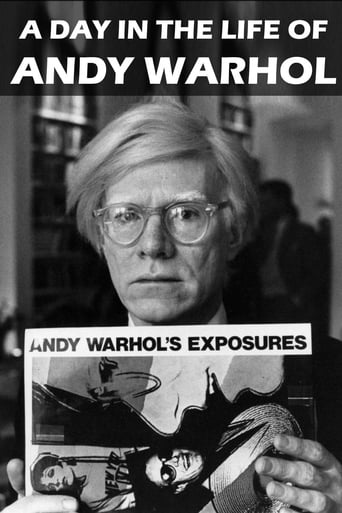
5.0Stephen Smith sets out to discover the real Andy Warhol - in the hour-by-hour detail of his daily life.
A Day in the Life of Andy Warhol
2015
 6.8
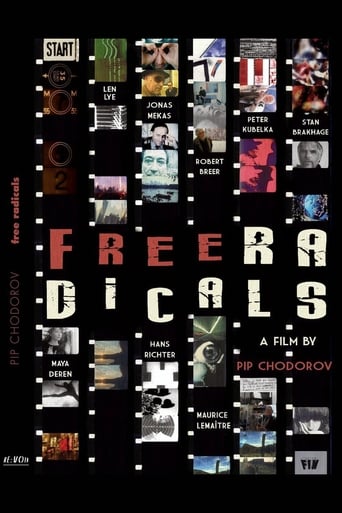
6.8Experimental filmmaker Pip Chodorov traces the course of experimental film in America, taking the very personal point of view of someone who grew up as part of the experimental film community.
Free Radicals: A History of Experimental Film
2011
 5.4
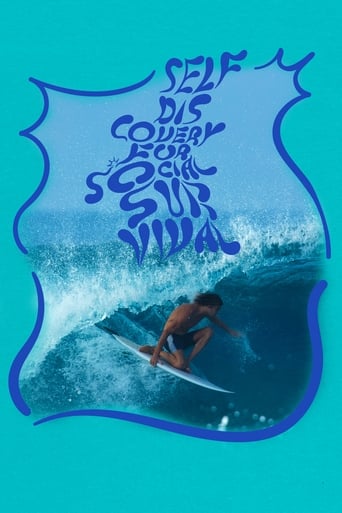
5.4Self Discovery for Social Survival is a collaborative surf and music film produced by Brooklyn based record label, Mexican Summer and Pilgrim Surf + Supply, a New York based surf and outdoor brand. Filmed in Mexico, the Maldives and Iceland in three separate vignettes, musicians (Allah Las, Connan Mockasin, Andrew Van Wyngarden of MGMT, and Peaking Lights) alongside pro-surfers,embark on a journey that combines a symbiotic relationship between music and the waves, the environment, and local culture. Poetically narrated by the legendary avant-garde film maker Jonas Mekas.
Self Discovery for Social Survival
2019
 6.8
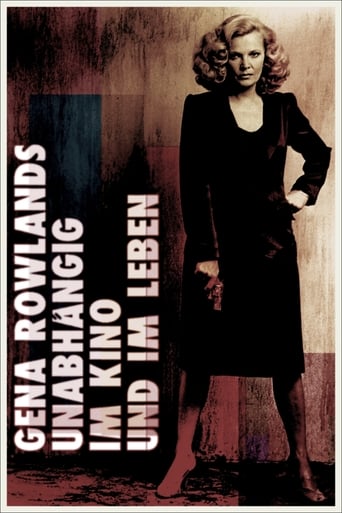
6.8An intimate portrait of the superb actress Gena Rowlands, icon of independent cinema. Together with her husband, legendary director John Cassavetes (1929-89), she lived an unusual life beyond the dream factory, a life in which reality and fiction were so perfectly intertwined that it made possible films that still today seem incredibly real.
Gena Rowlands: A Life on Film
2019
 NR
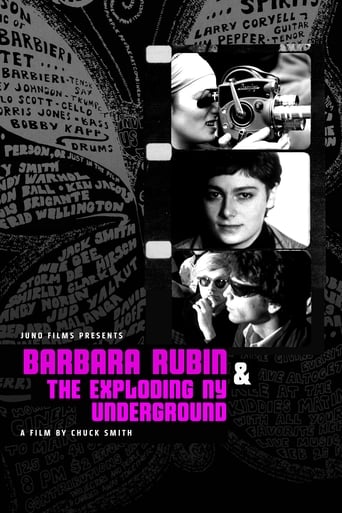
NRThe 29-minute experimental film Christmas on Earth caused a sensation when it first screened in New York City in 1964. Its orgy scenes, double projections and overlapping images shattered artistic conventions and announced a powerful new voice in the city's underground film scene. All the more remarkable, that vision belonged to a teenager, 18-year-old Barbara Rubin. A Zelig of the '60s, she introduced Andy Warhol to the Velvet Underground, Bob Dylan to Kabbalah and bewitched Allen Ginsberg. The same unbridled creativity that inspired her to make films when women simply didn't, saw her breach yet another male domain, Orthodox Judaism, before her mysterious death at 35. Lifelong friend Jonas Mekas saved all her letters, creating a rich archive that filmmaker Chuck Smith carefully sculpts into this fascinating portrait of a nearly forgotten artist. An avante-garde maverick, a rebel in a man's world, Barbara Rubin regains her rightful place in film history.
Barbara Rubin and the Exploding NY Underground
2018
 NR
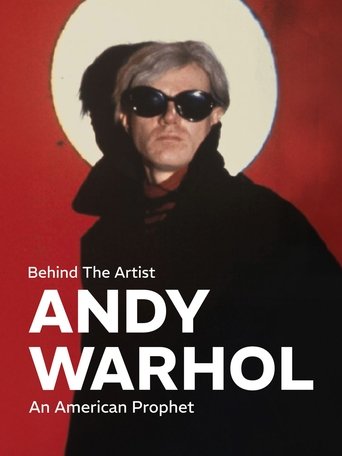
NRThis documentary cracks open the meticulously constructed façade of Andy Warhol, exposing the complex figure behind the soup cans and Marilyns. Director Tania Goldenberg traces the transformation of Andrew Warhola, a shy, churchgoing son of Pittsburgh immigrants, into the silver-wigged icon who redefined modern celebrity while deliberately maintaining a lifelong mask. Behind the iconic person...
Behind the Artist: Andy Warhol, an American Prophet
2015
 10.0
10.0No synopsis available yet.
Filmstudio, mon amour
2015
2000s · 8 titles
 7.8
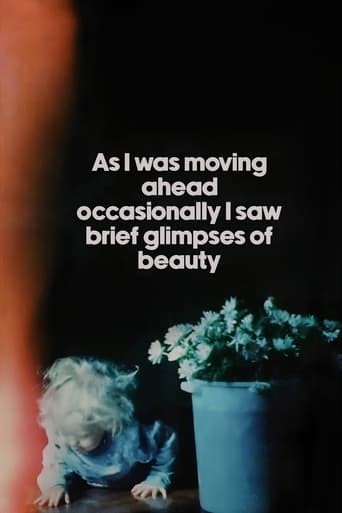
7.8A compilation of over 30 years of private home movie footage shot by Lithuanian-American avant-garde director Jonas Mekas, assembled by Mekas "purely by chance", without concern for chronological order.
As I Was Moving Ahead Occasionally I Saw Brief Glimpses of Beauty
2000
 10.0
10.0This exhibition focuses on Jonas Mekas’ 365 Day Project, a succession of films and videos in calendar form. Every day as of January 1st, 2007 and for an entire year, as indicated in the title, a large public (the artist's friends, as well as unknowns) were invited to view a diary of short films of various lengths (from one to twenty minutes) on the Internet. A movie was posted each day, adding to the previously posted pieces, resulting altogether in nearly thirty-eight hours of moving images.
365 Day Project
2007
 5.5
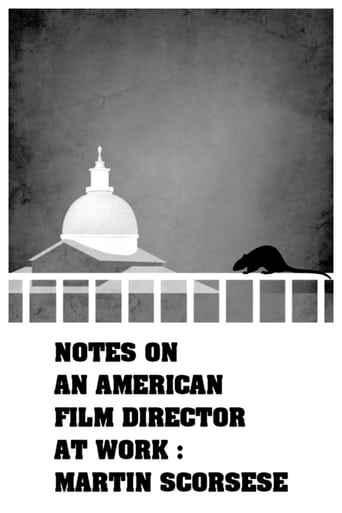
5.5Filmmaker Jonas Mekas follows his friend, film director Martin Scorsese, and his cast and crew, through various locations during the shooting of his film The Departed, released in 2006.
Notes on an American Film Director at Work
2008
 7.2
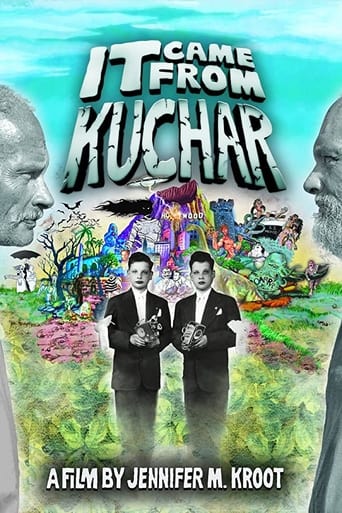
7.2It Came from Kuchar is the definitive, feature documentary about the legendary, underground filmmaking twins, the Kuchar brothers. George and Mike Kuchar have inspired two generations of filmmakers, actors, musicians, and artists with their zany, "no budget" films and with their uniquely enchanting spirits.
It Came from Kuchar
2009
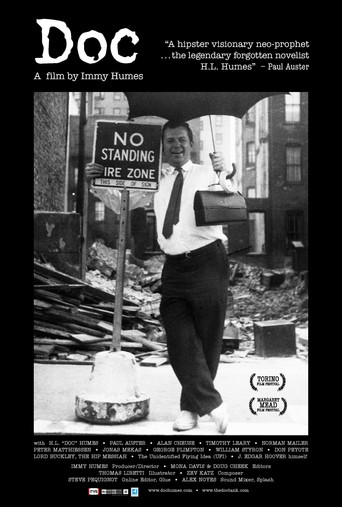 NR
NRThe amazing adventures of forgotten American novelist and Paris Review founder, Harold Louis "Doc" Humes. His story is crammed full of ideas, about utopia, marijuana, literature, protest, paranoia and mental illness.
Doc
2008
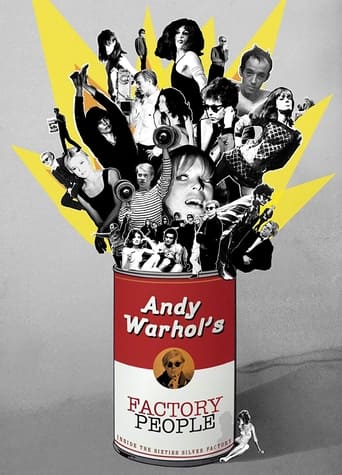 2.9
2.9Takes an in-depth look at the lives and times of the people who hung out with Andy Warhol and "worked" at the Silver Factory during the Sixties, making it all click as a new counter-culture arose and began to exert its influence throughout the arts.
Andy Warhol's Factory People... Inside the Sixties Silver Factory
2008
Friends and colleagues (including Yoko Ono and Merce Cunningham) of Nam June Paik share their thoughts about the groundbreaking multimedia artist in this series of candid interviews filmed by Skip Blumberg at Paik's memorial service. This tribute to Paik also includes "Bonus Art Video," in which 17 New York City artists discuss Paik's work, and the short educational film "Lessons from the Video Artist."
Nam June Paik: Lessons from the Video Master
2006
 NR
NRThe film tells about the famous Lithuanian director Vytautas Žalakevičius. The film contains many excerpts from the director's films and conversations with him. Here he talks about life, creativity and about himself. Vytautas Žalakevičius is remembered by his friends and associates.
Notes in Lifestyle Margins
2002
1990s · 10 titles
6.6Jonas Mekas’s intimate diary film spans 1963 to 1990, capturing Andy Warhol alongside friends and collaborators from the New York avant-garde. Featuring figures such as Allen Ginsberg, John Lennon, Yoko Ono, and George Maciunas—as well as rare footage of the Velvet Underground’s first performance—it offers a personal portrait of Warhol’s world and his intersections with art, music, and counterculture.
Scenes from the Life of Andy Warhol: Friendships and Intersections
1990
NRScenes from the life and work at Anthology Film Archives. Much of the footage in this video was shot by Auguste Varkalis.
Laboratorium Anthology
1999
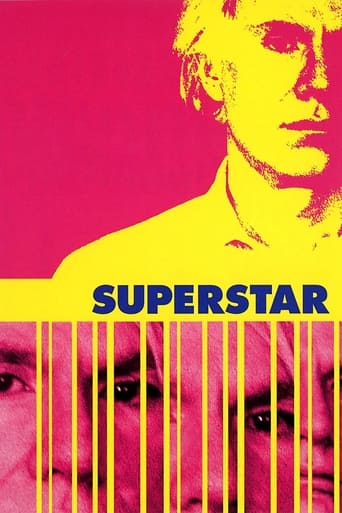 7.2
7.2Iconic American artist and filmmaker Andy Warhol is the subject of this documentary, which looks at both his life and his influence on pop culture. The film provides details about Warhol's upbringing in Pittsburgh and follows his move to New York City, where he found massive success turning pop imagery into art and eventually founded "The Factory," his famed studio and party venue. Among the many notables interviewed are Dennis Hopper, David Hockney, and Roy Lichtenstein.
Superstar: The Life and Times of Andy Warhol
1990
 7.0
7.0Jonas Mekas assembles 160 portraits, appearances, and fleeting sketches of underground and independent filmmakers captured between 1955 and 1996. Fast-paced and archival in spirit, the film celebrates the avant-garde as its own “nation of cinema,” a vital community existing outside the dominance of commercial film.
Birth of a Nation
1997
Peter Sempel's masterful poetic film tribute to butoh performer Kazuo Ohno.
Just Visiting This Planet
1991
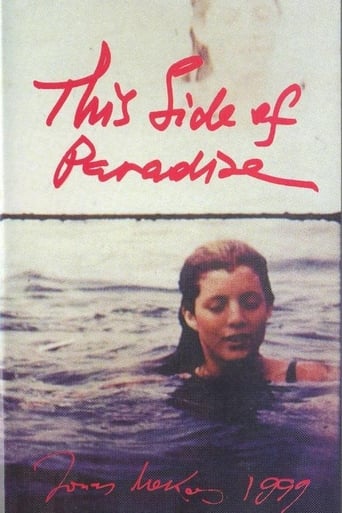 5.9
5.9Jonas Mekas reflects on summers spent in the late 1960s and early 1970s with Jackie Kennedy, her sister Lee Radziwill, and their families. Blending personal footage with diary narration, the film captures intimate moments of friendship, cinema, and healing in the years following John F. Kennedy’s assassination.
This Side of Paradise: Fragments of An Unfinished Biography
1999
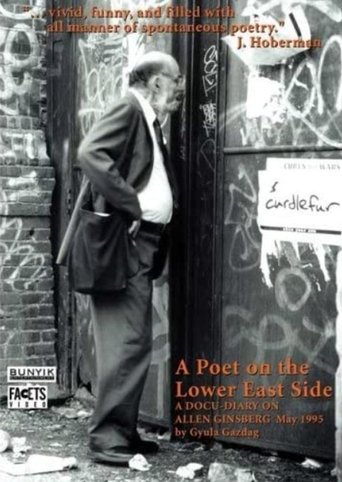 10.0
10.0Filmmaker Gyula Gazdag's fascinating documentary follows Hungarian poet, playwright and activist István Eörsi on a trip to the streets of New York to visit his friend and contemporary, the iconic beat poet Allen Ginsberg. Shot just two years before Ginsberg's death, the film follows the two friends as they share poetry and laughs, wandering the streets of the Lower East Manhattan, musing about the past and contemplating the future.
A Poet from the Lower East Side
1997
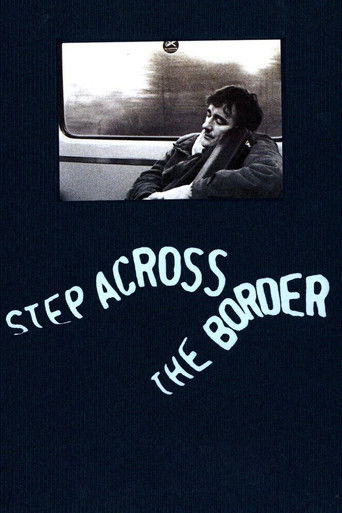 8.0
8.0An avant-garde documentary film on English guitarist, composer and improviser Fred Frith.
Step Across the Border
1990
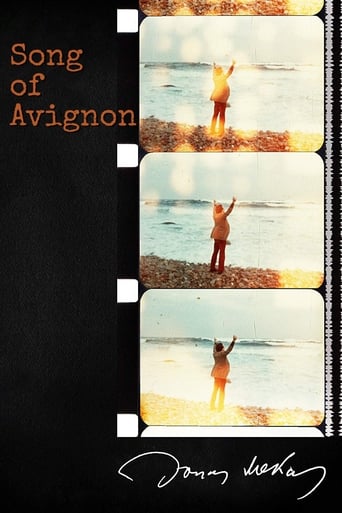 7.5
7.5Jonas Mekas reflects on a 1966 trip to Avignon that offered solace during a period of personal crisis. Combining diary texts read by Angus MacLise with images of place and memory, the film becomes a lyrical meditation on pain, survival, and the restorative power of reflection.
Song of Avignon
1998
 8.1
8.1A look into the many lives of Christa Päffgen, otherwise known as Nico; from cutie German mädchen to the first of the supermodels, to glamorous diva of the Velvet Underground, to cult item, junkie and hag. Many faces for the same woman, whom, you realize, just couldn't bring herself to care enough to live.
Nico Icon
1995
1980s · 6 titles
 NR
NRPresents an intimate view of four decades of the Swiss-born artist Robert Frank who has had an extraordinary influence on contemporary photography and filmmaking. This documentary which examines his life through his films and photographs, includes interviews with many of his collaborators and contemporaries. Written, directed and edited by Philip Brookman, Amy Brookman
Fire in the East: A Portrait of Robert Frank
1986
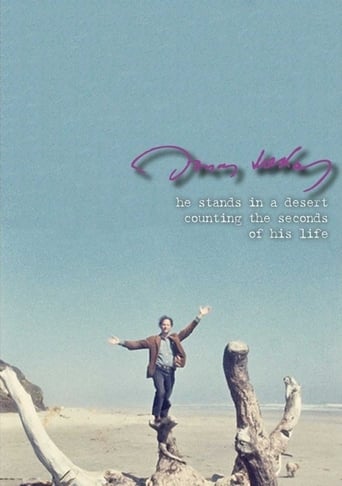 8.4
8.4A film collage tracing the story of the lives, loves, and deaths within the artistic community surrounding Jonas Mekas.
He Stands in a Desert Counting the Seconds of His Life
1986
 NR
NRHome movies shot on Super 8mm by W+B Hein over 10 years.
Home Movies 1971-81
1985
 NR
NRIn 1977, Robertas Verba followed Jonas Mekas in Lithuania, his second trip there after he left the country in 1944.
J. Mekas
1980
 6.3
6.3“New York plays itself, as Taylor Mead and Winifred Bryan regale in pas de deux among the trashcans and the towers. The Studiedly Goofy and the Monumentally Grand are joined in masterly pas de don’t [...] The awed couple do battle with the status quo and teach the world to dance on the head of a bin. Rice detects real dignity in Bryan and amazing grace in Mead as they essay solitary promenades through the parks, subways and streets of a wintery New York landscape. Photographed and directed by Ron Rice, edited and scored by Taylor Mead.” –Edward Leffingwell
The Queen of Sheba Meets the Atom Man
1981
 6.3
6.3Adaptation of an avant-garde play about Rhoda, a hysterical heroine who feels oppressed by the people around her. She suffers through her birthday party, goes to see a doctor, plans a vacation, argues a lot and even breaks the fourth wall.
Strong Medicine
1981
1970s · 8 titles
7.1A surreal, half-fiction, half real life footage of a day in the life of John lennon and Yoko Ono, composed to music from John's historic 'Imagine' album and Yoko's 'Fly'.
Imagine
1972
 4.9
4.9Cinématon is a 156-hour long experimental film by French director Gérard Courant. It was the longest film ever released until 2011. Composed over 36 years from 1978 until 2006, it consists of a series of over 2,821 silent vignettes (cinématons), each 3 minutes and 25 seconds long, of various celebrities, artists, journalists and friends of the director, each doing whatever they want for the allotted time. Subjects of the film include directors Barbet Schroeder, Nagisa Oshima, Volker Schlöndorff, Ken Loach, Benjamin Cuq, Youssef Chahine, Wim Wenders, Joseph Losey, Jean-Luc Godard, Samuel Fuller and Terry Gilliam, chess grandmaster Joël Lautier, and actors Roberto Benigni, Stéphane Audran, Julie Delpy and Lesley Chatterley. Gilliam is featured eating a 100-franc note, while Fuller smokes a cigar. Courant's favourite subject was a 7-month-old baby. The film was screened in its then-entirety in Avignon in November 2009 and was screened in Redondo Beach, CA on April 9, 2010.
Cinématon
1978
 8.0
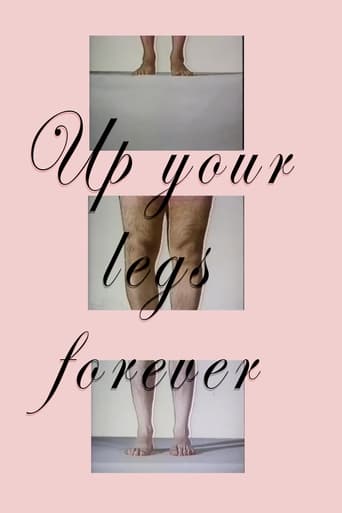
8.0The film consists of continuous panning shots up a series of 367 human legs.
Up Your Legs Forever
1971
 5.8
5.8A home movie by Adolfas Mekas and wife Pola Chapelle on their travels to Lithuania and Europe. It was filmed concurrently with the more highly regarded “Reminiscences of a Journey to Lithuania” by Jonas Mekas, brother to Adolfas.
Going Home
1972
 5.1
5.1Explores the complex relationship between the spirit, body, and mind. The film is a nightmare with closed eyes because it counts among the most terrible moments of my life, my second exile, which lasted a very long time. Inspired by an ancient Hindu legend.
ORG
1979
 NR
NRDuring the 1970s I shot, helped to make, or commissioned about ten document films, mainly about film-makers. This film is one of them. It was made with Dan Ochiva, who acted as cameraman on about half of the footage. I shot the rest, and then edited the film. It is a record of a conference held at the State University of New York at Buffalo on March 22-25, 1973. Among the participants filmed were Gerald O'Grady (who organized the conference), Will Hindle, Stan Brakhage, Jonas Mekas, Robert Creeley, Bruce Baillie, Scott Bartlett, Hollis Frampton, Ken Jacobs, Ed Pincus, Stan Vanderbeek, Ed Emshwiller, Sally Dixon, James Cox. This footage will eventually become part of my film PEOPLE, PLACES, THE 1970S. –R. H.
Notes on the Buffalo Conference: “Autobiography in American Independent Cinema”
1973
 6.9
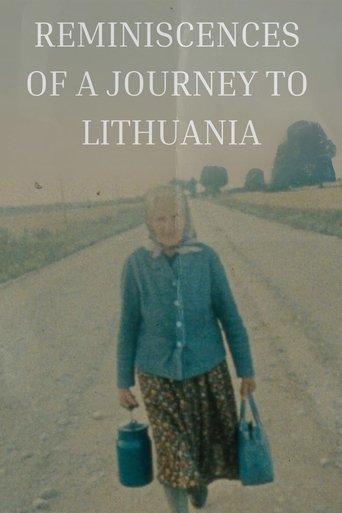
6.9Jonas Mekas weaves an elegiac diary film from his 1971–72 return to Lithuania, chronicling a visit to his birthplace of Semeniškiai after decades in exile. Blending personal memory with documentary observation, the film becomes both a portrait of homecoming and a meditation on displacement, family, and the passage of time.
Reminiscences of a Journey to Lithuania
1972
 7.1
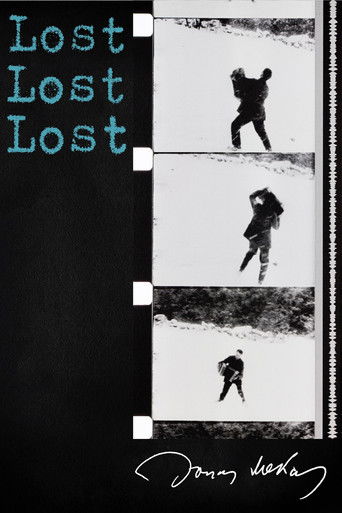
7.1Drawn from footage shot between 1949 and 1963, Jonas Mekas’s autobiographical diary film chronicles his early years in exile, capturing the struggle to build a new life in New York and his gradual discovery of a vibrant artistic community.
Lost, Lost, Lost
1976
1960s · 5 titles
 4.4
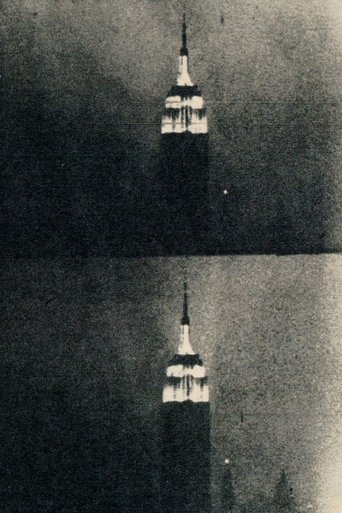
4.4Filmed by Jonas Mekas from the 44th floor of the Time-Life Building, “Empire” explores the passage of time without the use of characters or a traditional narrative. The film, that consists of one stationary shot of the Empire State Building, was made from standard 1,200-foot rolls of 16mm film with a more than eight-hour runtime.
Empire
1965
 7.3
7.3Also known as Walden, Jonas Mekas’s first diary film is a six-reel chronicle of his life in 1960s New York, interweaving moments with family, friends, lovers, and artistic idols. Blending everyday encounters with portraits of the avant-garde art scene, it forms an epic, personal meditation on community, creativity, and the passage of time.
Diaries, Notes, and Sketches
1968
7.3Also known as Walden, Jonas Mekas’s first diary film is a six-reel chronicle of his life in 1960s New York, interweaving moments with family, friends, lovers, and artistic idols. Blending everyday encounters with portraits of the avant-garde art scene, it forms an epic, personal meditation on community, creativity, and the passage of time.
Diaries, Notes, and Sketches
1968
 NR
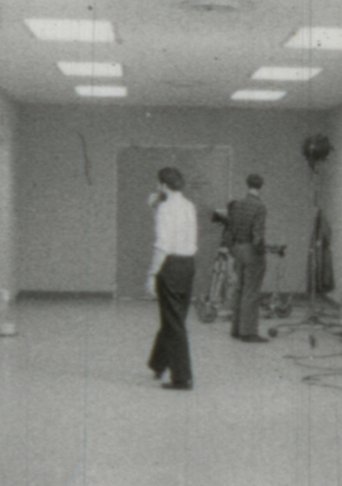
NRShot in 1960 on the set of Jonas Mekas' 'Guns of the Trees'. Dedicated to Ron Rice.
Shooting Guns
1966
An egg-sorting woman shrugs off even the appearance of Christ. From Isaak Babel story.
The Sin of Jesus
1961
Series credits
Behind the camera
6.6Jonas Mekas’s intimate diary film spans 1963 to 1990, capturing Andy Warhol alongside friends and collaborators from the New York avant-garde. Featuring figures such as Allen Ginsberg, John Lennon, Yoko Ono, and George Maciunas—as well as rare footage of the Velvet Underground’s first performance—it offers a personal portrait of Warhol’s world and his intersections with art, music, and counterculture.
Scenes from the Life of Andy Warhol: Friendships and Intersections
1990
NRScenes from the life and work at Anthology Film Archives. Much of the footage in this video was shot by Auguste Varkalis.
Laboratorium Anthology
1999
 NR
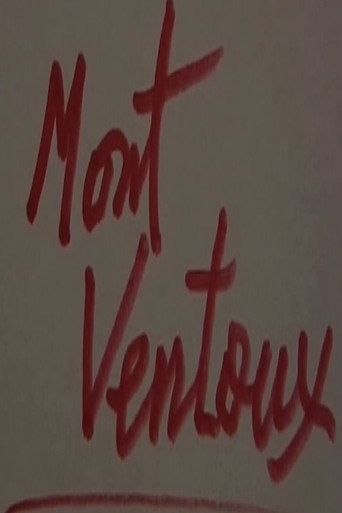
NRI am in Provence near Mt. Ventoux. I remember the poet Petrarca walking on Mt. Ventoux and carrying with him a volume of St. Augustine’s CONFESSIONS, transcribed by hand, and reading it… on Mt. Ventoux… It’s my meditation in honor of Petrarca.
Mont Ventoux
2011
7.8A compilation of over 30 years of private home movie footage shot by Lithuanian-American avant-garde director Jonas Mekas, assembled by Mekas "purely by chance", without concern for chronological order.
As I Was Moving Ahead Occasionally I Saw Brief Glimpses of Beauty
2000
7.8A compilation of over 30 years of private home movie footage shot by Lithuanian-American avant-garde director Jonas Mekas, assembled by Mekas "purely by chance", without concern for chronological order.
As I Was Moving Ahead Occasionally I Saw Brief Glimpses of Beauty
2000
 6.0
6.0An omnibus project bringing together acclaimed directors from around the world, each contributing a 42-second short inspired by a dream. Produced by 42 Below vodka, the collection blends surreal, poetic, and experimental visions into a mosaic of oneiric cinema.
42 One Dream Rush
2010
10.0This exhibition focuses on Jonas Mekas’ 365 Day Project, a succession of films and videos in calendar form. Every day as of January 1st, 2007 and for an entire year, as indicated in the title, a large public (the artist's friends, as well as unknowns) were invited to view a diary of short films of various lengths (from one to twenty minutes) on the Internet. A movie was posted each day, adding to the previously posted pieces, resulting altogether in nearly thirty-eight hours of moving images.
365 Day Project
2007
5.5Filmmaker Jonas Mekas follows his friend, film director Martin Scorsese, and his cast and crew, through various locations during the shooting of his film The Departed, released in 2006.
Notes on an American Film Director at Work
2008
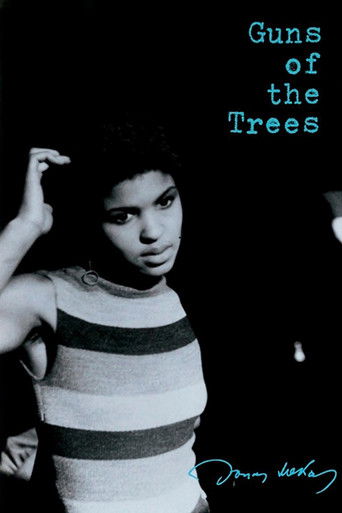 7.3
7.3Barbara, a young woman consumed by despair, contemplates suicide, while a man she meets in a church and a married couple struggle to persuade her that life is still worth living. Mekas’s film weaves this intimate drama into a larger reflection on alienation, politics, and the turbulence of early 1960s America.
Guns of the Trees
1961
7.3Barbara, a young woman consumed by despair, contemplates suicide, while a man she meets in a church and a married couple struggle to persuade her that life is still worth living. Mekas’s film weaves this intimate drama into a larger reflection on alienation, politics, and the turbulence of early 1960s America.
Guns of the Trees
1961
6.5In memory of the Japanese earthquake on 3.11, each director presents a 3 minute and 11 second short film in tribute to those who were lost that day.
3.11 A Sense of Home Films
2011
 4.9
4.9Jonas Mekas captures an afternoon in New York as a Hare Krishna group fills the streets with chanting and song. Filmed with his characteristic freewheeling style and later incorporated into Walden, the short stands as an impressionistic sketch of spiritual fervor and Mekas’s participatory approach to cinema.
Hare Krishna
1967
7.3Also known as Walden, Jonas Mekas’s first diary film is a six-reel chronicle of his life in 1960s New York, interweaving moments with family, friends, lovers, and artistic idols. Blending everyday encounters with portraits of the avant-garde art scene, it forms an epic, personal meditation on community, creativity, and the passage of time.
Diaries, Notes, and Sketches
1968
7.3Also known as Walden, Jonas Mekas’s first diary film is a six-reel chronicle of his life in 1960s New York, interweaving moments with family, friends, lovers, and artistic idols. Blending everyday encounters with portraits of the avant-garde art scene, it forms an epic, personal meditation on community, creativity, and the passage of time.
Diaries, Notes, and Sketches
1968
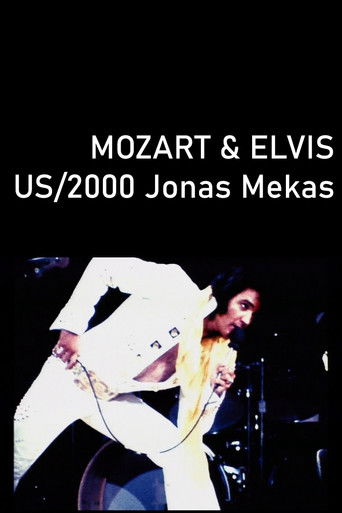 NR
NRThis is footage of Elvis Presley's last performance in New York on June 9th, 1972. It is preceded by footage I shot in Vienna a few years earlier. It is a unique recording whichever way you look at it.
Mozart & Elvis
2000
7.0Jonas Mekas assembles 160 portraits, appearances, and fleeting sketches of underground and independent filmmakers captured between 1955 and 1996. Fast-paced and archival in spirit, the film celebrates the avant-garde as its own “nation of cinema,” a vital community existing outside the dominance of commercial film.
Birth of a Nation
1997
7.0Jonas Mekas assembles 160 portraits, appearances, and fleeting sketches of underground and independent filmmakers captured between 1955 and 1996. Fast-paced and archival in spirit, the film celebrates the avant-garde as its own “nation of cinema,” a vital community existing outside the dominance of commercial film.
Birth of a Nation
1997
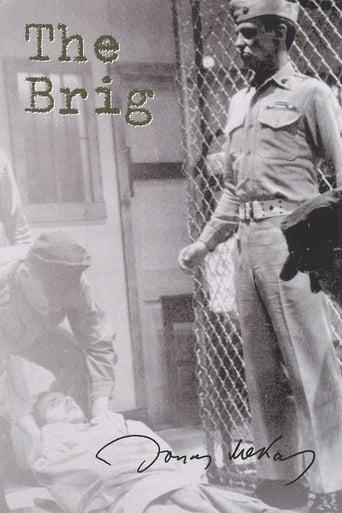 6.8
6.8Jonas Mekas’s film captures The Living Theatre’s stage production of The Brig, an unflinching portrait of life inside a U.S. Marine Corps jail in Japan in 1957. Over the course of a single day, prisoners endure relentless drills, abuse, and dehumanization, exposing the brutality of military discipline with stark immediacy.
The Brig
1964
8.4A film collage tracing the story of the lives, loves, and deaths within the artistic community surrounding Jonas Mekas.
He Stands in a Desert Counting the Seconds of His Life
1986
8.4A film collage tracing the story of the lives, loves, and deaths within the artistic community surrounding Jonas Mekas.
He Stands in a Desert Counting the Seconds of His Life
1986
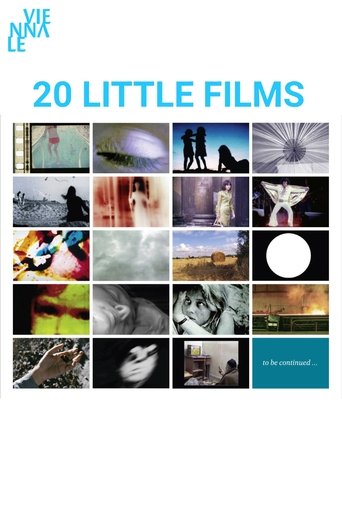 6.0
6.0Since 1995, the Viennale has invited renowned directors to create short, one-minute films as personal contributions to the festival. Ranging from home movies to political essays, musical sketches to abstract studies, these “little films” form a unique anthology of cinematic moments. 20 Little Films collects a selection of these works, premiering together for the Viennale’s 50th anniversary at the Locarno Film Festival.
20 Little Films
2012
 NR
NRWith Allen Ginsberg, Frank O'Hara, Ray Bremser, Le Roi Jones, Peter Orlovsky, this film takes place in the Living Theater, 1958.
Poets at the Living Theater
2006
 NR
NRI filmed the young Bibi Hansen in 1966 as a screen test for a film I wanted to make out the life of a young girl growing up in New York. The film was never made. This footage was taken in Central Park. The haiku in the film is by Matsuo Basho in Mobuyuki Yussa translation.
Bibi Hansen
2006
 NR
NRI made this little film portrait of Dreyer on the 17th of September 1965, in New York. He said he was very interested in what I was trying to do in the possibilities of film portraiture. - Jonas Mekas From the cycle of FIRST FORTY I made in late 2006 as an introduction to my work for my new, Internet audience. All of them are based on my earlier films but slightly, sometimes more than slightly, changed. I consider them works complete in themselves, seperate from the main body of my film work.
Carl Dreyer
2006
NRThe tapes in the program consist of some of Mekas’ earliest cassettes from the 1990s not long after he first began working with video as well as more recent mini-DV tapes from 2010s. The contents of the tapes have not been previously seen in their entirety. The footage provides rare insight into aspects of Mekas’ video-making practice, as well as his activities, thoughts, dreams, and concerns, especially during the later years of his life.
Tapes
2020
5.9Jonas Mekas reflects on summers spent in the late 1960s and early 1970s with Jackie Kennedy, her sister Lee Radziwill, and their families. Blending personal footage with diary narration, the film captures intimate moments of friendship, cinema, and healing in the years following John F. Kennedy’s assassination.
This Side of Paradise: Fragments of An Unfinished Biography
1999
5.9Jonas Mekas reflects on summers spent in the late 1960s and early 1970s with Jackie Kennedy, her sister Lee Radziwill, and their families. Blending personal footage with diary narration, the film captures intimate moments of friendship, cinema, and healing in the years following John F. Kennedy’s assassination.
This Side of Paradise: Fragments of An Unfinished Biography
1999
5.9Jonas Mekas reflects on summers spent in the late 1960s and early 1970s with Jackie Kennedy, her sister Lee Radziwill, and their families. Blending personal footage with diary narration, the film captures intimate moments of friendship, cinema, and healing in the years following John F. Kennedy’s assassination.
This Side of Paradise: Fragments of An Unfinished Biography
1999
 NR
NR"Made for a billboard project in Luxembourg, a project that never became reality, this video is an exercise in silence and sound." - Jonas Mekas
Silence, Please
2000
6.9Jonas Mekas weaves an elegiac diary film from his 1971–72 return to Lithuania, chronicling a visit to his birthplace of Semeniškiai after decades in exile. Blending personal memory with documentary observation, the film becomes both a portrait of homecoming and a meditation on displacement, family, and the passage of time.
Reminiscences of a Journey to Lithuania
1972
6.9Jonas Mekas weaves an elegiac diary film from his 1971–72 return to Lithuania, chronicling a visit to his birthplace of Semeniškiai after decades in exile. Blending personal memory with documentary observation, the film becomes both a portrait of homecoming and a meditation on displacement, family, and the passage of time.
Reminiscences of a Journey to Lithuania
1972
 5.8
5.8Filmed during Jonas Mekas’s visit to Assisi in 1967, this short documents his time in the city known for its spiritual associations. The footage was later incorporated into his 2003 compilation film Travel Songs (1967–1981).
The Song of Assisi
1967
"STREET SONGS is a 1966 performance, in France, of a section of the Living Theater's 'Mysteries and Smaller Pieces.' Based on a chance-determined scenario written by Jackson Maclow in 1961, STREET SONGS weaves militant political chants into a mandala of mantras. Julian Becvk sits cross legged on an empty stage; the slogan he repeats - 'Free All Men! Ban the Bomb! Stop the War! Free the Blacks! Change the World!' - are both meditation and calls to action, as a crowd of voices answers each slogan and actors join him on stage to pace in a circle, clasp one another's shoulders and collectively breath 'Ohmm...' ..." -- Sally Banes, Village Voice, October 18, 1983
Street Songs
1983
 6.4
6.4Filmed during a visit to Jerome Hill in Provence, Jonas Mekas sets his Bolex to capture a single day overlooking the port of Cassis. Shot frame by frame from morning to sunset, the film distills shifting light and color into a quiet meditation on time, place, and perception.
Cassis
1966
 6.7
6.7Jonas Mekas transforms footage of the Ringling Brothers Circus into a rapid-fire montage set to music, structured in four segments that highlight different acts. Earlier images reappear in later sections as background to new performances, with the accelerated pacing of the clips mirroring the rhythm and energy of the soundtrack.
Notes on the Circus
1967
5.4Self Discovery for Social Survival is a collaborative surf and music film produced by Brooklyn based record label, Mexican Summer and Pilgrim Surf + Supply, a New York based surf and outdoor brand. Filmed in Mexico, the Maldives and Iceland in three separate vignettes, musicians (Allah Las, Connan Mockasin, Andrew Van Wyngarden of MGMT, and Peaking Lights) alongside pro-surfers,embark on a journey that combines a symbiotic relationship between music and the waves, the environment, and local culture. Poetically narrated by the legendary avant-garde film maker Jonas Mekas.
Self Discovery for Social Survival
2019
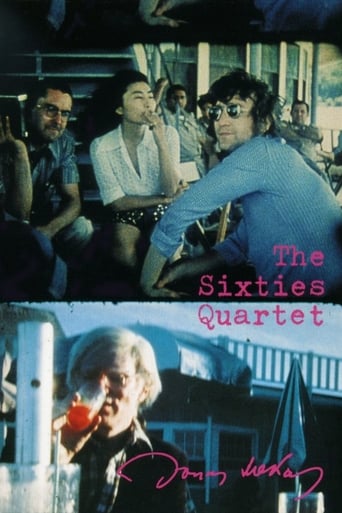 5.3
5.3On October 9, 1972, the Everson Museum of Art in Syracuse hosted an exhibition of John Lennon and Yoko Ono’s work, designed by Fluxus artist George Maciunas. That same day, friends including Ringo Starr, Allen Ginsberg, and Paul Krassner gathered to celebrate Lennon’s birthday. Jonas Mekas’s film records the event in both image and sound, capturing the spirit of the moment and the community around Lennon and Ono.
Happy Birthday to John
1997
7.5Jonas Mekas reflects on a 1966 trip to Avignon that offered solace during a period of personal crisis. Combining diary texts read by Angus MacLise with images of place and memory, the film becomes a lyrical meditation on pain, survival, and the restorative power of reflection.
Song of Avignon
1998
7.5Jonas Mekas reflects on a 1966 trip to Avignon that offered solace during a period of personal crisis. Combining diary texts read by Angus MacLise with images of place and memory, the film becomes a lyrical meditation on pain, survival, and the restorative power of reflection.
Song of Avignon
1998
 9.0
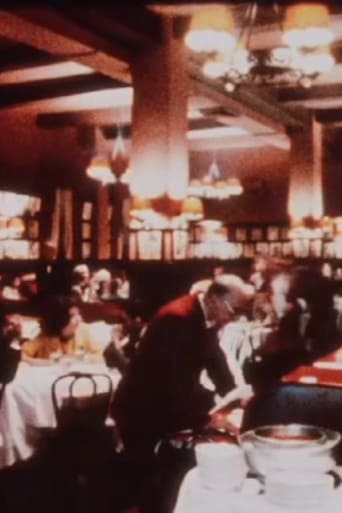
9.0"In Spring, 1963 Show Magazine called me and asked that I make a film on arts in New York. I told them, why did they want me to make it - didn't they know I was a bit unusual? ... 'We want something unusual,' they said. So I went out and made a newsreel on arts. Show people looked at the rough cut of the film and became very angry. 'But there is nothing about Show Magazine and DuPont fabrics in the movie,' they said. 'What has that to do with the arts in New York!' I said. The battle was short. The film was destroyed. Really, I have no idea what they did with it. This workprint of the first FILM MAGAZINE OF THE ARTS is the only print in existence, as far as I know." -- J.M.
Film Magazine of the Arts
1965