
Writing
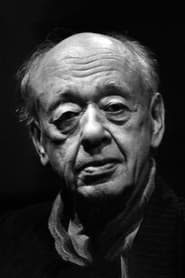
Eugène Ionesco
Born — Died
1909-11-26 — 1994-03-28
Place of birth
Slatina, Romania
Known for
Writing
Credits
26 titles
Eugène Ionesco (born Eugen Ionescu, 26 November 1909 – 28 March 1994) was a Romanian-French playwright who wrote mostly in French, and was one of the foremost figures of the French avant-garde theatre in the 20th century. Ionesco instigated a revolution in ideas and techniques of drama, beginning with his "anti play", The Bald Soprano which contributed to the beginnings of what is known as the Theatre of the Absurd, which includes a number of plays that, following the ideas of the philosopher Albert Camus, explore concepts of absurdism. He was made a member of the Académie française in 1970, and was awarded the 1970 Austrian State Prize for European Literature, and the 1973 Jerusalem Prize. …
Known for
 5.7
5.7No synopsis available yet.
Sacrée soirée
1987
 8.5
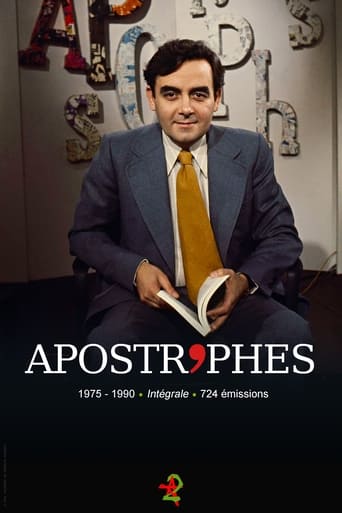
8.5Apostrophes was a live, weekly, literary, prime-time, talk show on French television created and hosted by Bernard Pivot. It ran for fifteen years (724 episodes) from January 10, 1975, to June 22, 1990, and was one of the most watched shows on French television (around 6 million regular viewers). It was broadcast on Friday nights on the channel France 2 (which was called "Antenne 2" from 1975 to 1992). The hourlong show was devoted to books, authors and literature. The format varied between one-on-one interviews with a single author and open discussions between four or five authors.
Apostrophes
1975
 6.0
6.0No synopsis available yet.
Midi trente
1972
 8.7
8.7No synopsis available yet.
Cinépanorama
1956
 6.2
6.2No synopsis available yet.
30 millions d'amis
1976
An anthology of single plays offering up adaptations of either of prominent stage plays or novels.
Festival
1963
Film credits
2000s · 2 titles
1980s · 3 titles
 4.8
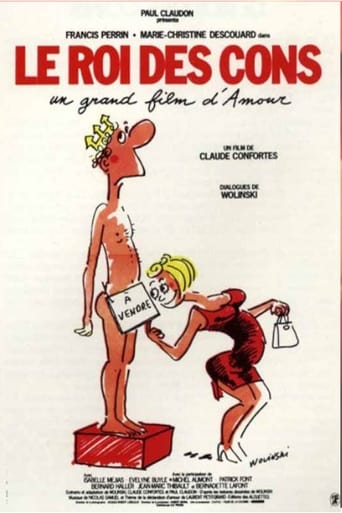
4.8Georges Le Roi lives odd jobs and shares his life between two girlfriends. One day, he falls in love with Sophie and records a message of love. The tape is mistakenly broadcast in the company. In the face of success, Sophie founded the company Tell me about love and spread the messages of Georges, who soon became a sex symbol.
Le Roi des cons
1981
 NR
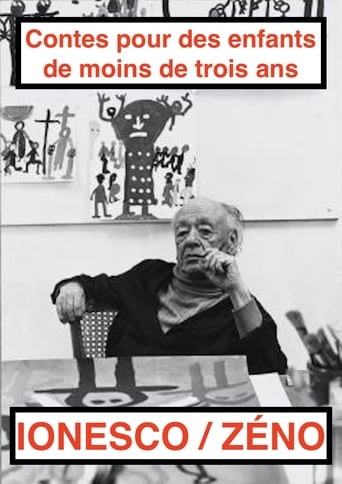
NRThese tales for children under three years of Eugène Ionesco are illustrated by drawings of children. The presence of the storyteller is preponderant on the screen. The images of his aged face filmed in close-up create a strange atmosphere.
Tales for children under three
1989
 9.0
9.0An evocation of the work of the playwright and writer Eugène Ionesco through a series of interviews, footage shot in his studio and extracts from his plays.
Eugène Ionesco, voix and silences
1987
1970s · 2 titles
In his country house, a man lets himself get stuck in a suicidal lethargy. Eugène Ionesco, alone on screen, interprets the character of his short story, during a cinematic experience as a transcription of an existential malaise. The distress of a devastated, dying man waiting for a glimmer of hope. “I did everything wrong. But I'm going to start again. »
Schlamm
1970
 NR
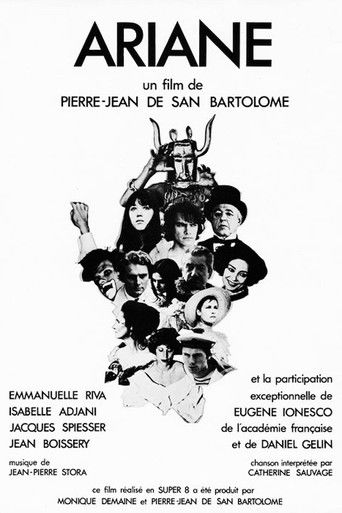
NRA dreamlike adaptation of the legend of Ariadne and the Minotaur.
Ariane
1974
Series credits
5.7No synopsis available yet.
Sacrée soirée
1987
8.5Apostrophes was a live, weekly, literary, prime-time, talk show on French television created and hosted by Bernard Pivot. It ran for fifteen years (724 episodes) from January 10, 1975, to June 22, 1990, and was one of the most watched shows on French television (around 6 million regular viewers). It was broadcast on Friday nights on the channel France 2 (which was called "Antenne 2" from 1975 to 1992). The hourlong show was devoted to books, authors and literature. The format varied between one-on-one interviews with a single author and open discussions between four or five authors.
Apostrophes
1975
6.0No synopsis available yet.
Midi trente
1972
8.7No synopsis available yet.
Cinépanorama
1956
6.2No synopsis available yet.
30 millions d'amis
1976
An anthology of single plays offering up adaptations of either of prominent stage plays or novels.
Festival
1963
No synopsis available yet.
Studio III - Aus Kunst und Wissenschaft
1965
 NR
NRNo synopsis available yet.
Pour le plaisir
1964
Behind the camera
 5.9
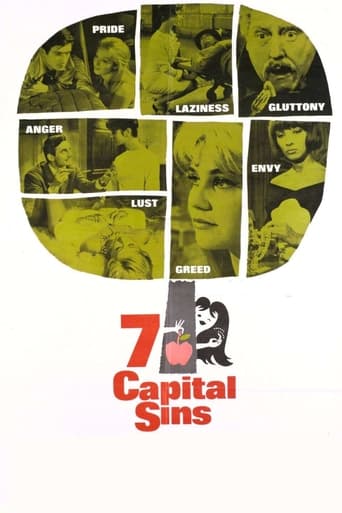
5.9Seven directors each dramatize one of the seven deadly sins in a short film. In "Anger," a domestic argument over a fly in the Sunday soup escalates into nuclear war. In "Sloth," a movie star would rather pay someone to tie his shoe than bend over to do it himself, and he can't be bothered to accept a starlet's sexual favors. In "Gluttony," a peasant family on its way to the funeral of a relative who died from indigestion stops regularly to eat and drink en route, arriving in time to eat some more. In "Greed," a high-class prostitute refunds the price of a cadet's lottery ticket. In "Pride," an unfaithful wife finds reason to reform. And so on through lust and envy.
The Seven Deadly Sins
1962
 5.9
5.9Monsieur Tête, an ordinary bureaucrat, rebels against the world and the ideas of the people around him. Because of his marginal behavior, his head is broken, like everyone else.
Monsieur Tête
1959
 NR
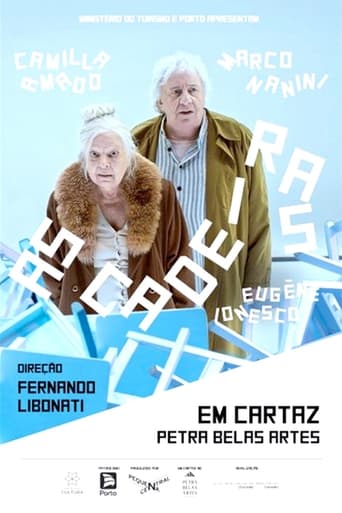
NRElderly couple, in their 90s, live in a lighthouse where the old man is a janitor. Isolated and with no visitors, they decide that on that day the old man will finally make an announcement that will change humanity or at least what is left of it.
As Cadeiras
2022
 10.0
10.0No synopsis available yet.
Amédée ou comment s'en débarrasser
1968
Josette knocks on her parents' bedroom door. It seems daddy is in a bad mood. Mama has moved to the country for a couple of days and there's a strange tension in the air. Josette wants to play, but daddy has got to get up and dress for work. Based on a short story by Eugène Ionesco.
Josette and her Daddy
2010
 NR
NRA mysterious herd of rhinos attacks a peaceful town. The surprised townsfolk initially try to ignore the threat, but their fear for their fate intensifies and causes them to voluntarily become rhinos. A young man named Bérenger tries his best to protect his close friends and his lover from joining the rhino herd, but is it possible to remain human in a time of extreme threat? And at what cost?
Rhinocéros
2025
 NR
NRThe professor gives his student a lesson, during which the relationship between them gradually changes.
Replacing Dogs with Mixing
1993
 NR
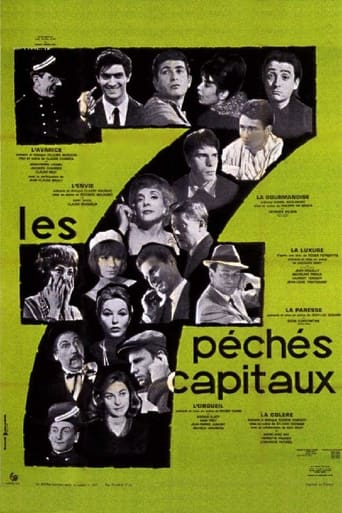
NRAnger seizes a man who finds a fly in his Sunday soup. It spreads through his neighborhood, his city, his country and soon the whole world. (Segment of "Les sept péchés capitaux")
La Colère
1962