
Known for
 10.0
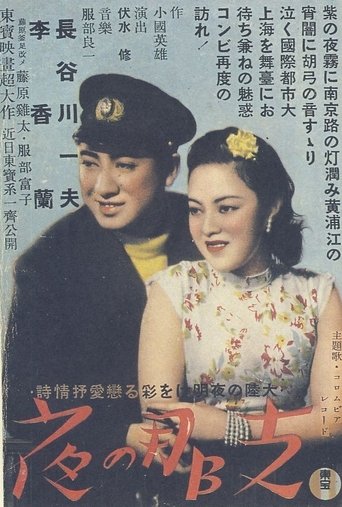
10.0Wartime propaganda filmed by the Japanese in occupied China, Shirley Yamaguchi portrays an orphan rescued from the streets by a kindly Japanese merchant marine officer. Part spy thriller and part Shanghai travelogue, it was part of a popular series known as "Chinese Continental Friendship" made by the occupying Japanese in China.
China Night
1940
 NR
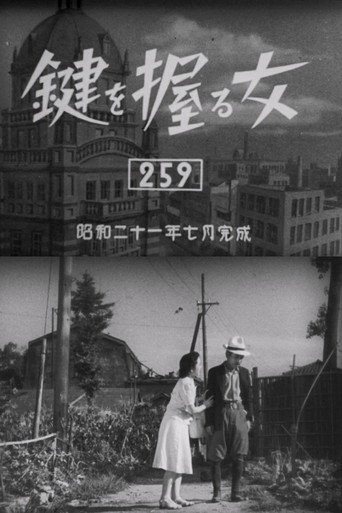
NRShochiku melodrama about the lives of the humble people living in the poor tenement called the Ryuheiso.
The Woman Who Holds the Key
1946
 NR
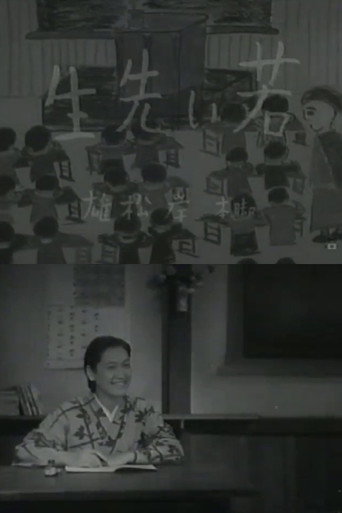
NRA novice city-based teacher's first assignment is to a fishing village's grade school. The young teacher's first week with her new students is enjoyable, but she gradually notices that many of the students are skipping school. Visiting her students after class, she realizes that many of them are charged with work and tasks like making money, toiling on the farm, doing housework or tending to their younger siblings. Many of them live in unhygienic homes due to poverty or overwork. She not only reports and explains the situation to the school's principal, but also attempts to improve the conditions by making textbooks, teaching cleanliness, and making her classes relevant.
Young Teacher
1942
 6.7
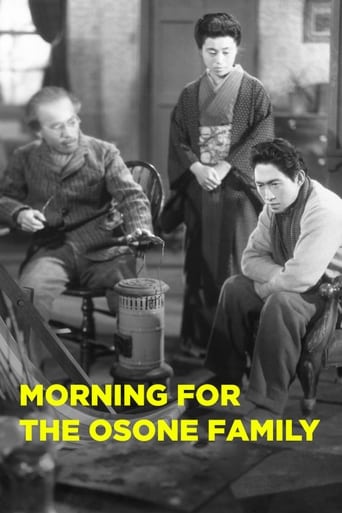
6.7A Japanese family weathers much hardship after their military uncle comes to live with them during WWII.
Morning for the Osone Family
1946
 NR
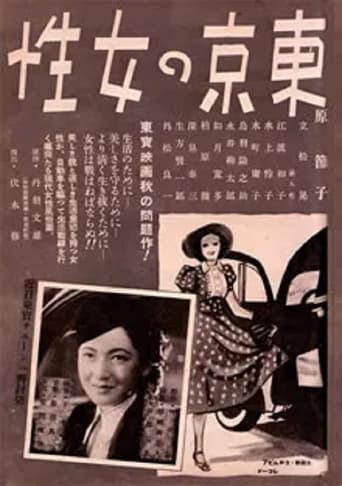
NRThis is the story of a woman who enters the world of sales. She works at a company in Ginza as a typist. She determines that she needs money for her family and herself and asks her co-worker, who is a salesman, for guidance on sales. Armed with the information he provides, she begins in sales and is successful. Her original guide eventually begins to feel strange about her...
Women in Tokyo
1939
 6.2
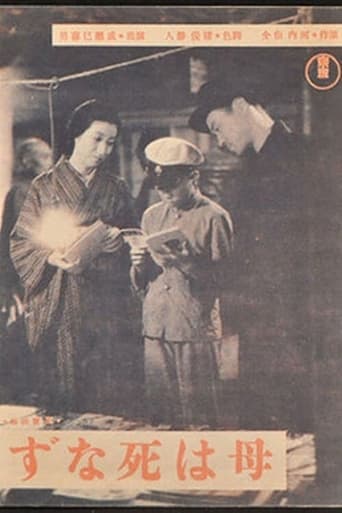
6.2The premature death of a young mother serves as inspiration for her husband and son.
Mother Never Dies
1942
Film credits
1940s · 14 titles
10.0Wartime propaganda filmed by the Japanese in occupied China, Shirley Yamaguchi portrays an orphan rescued from the streets by a kindly Japanese merchant marine officer. Part spy thriller and part Shanghai travelogue, it was part of a popular series known as "Chinese Continental Friendship" made by the occupying Japanese in China.
China Night
1940
NRShochiku melodrama about the lives of the humble people living in the poor tenement called the Ryuheiso.
The Woman Who Holds the Key
1946
NRA novice city-based teacher's first assignment is to a fishing village's grade school. The young teacher's first week with her new students is enjoyable, but she gradually notices that many of the students are skipping school. Visiting her students after class, she realizes that many of them are charged with work and tasks like making money, toiling on the farm, doing housework or tending to their younger siblings. Many of them live in unhygienic homes due to poverty or overwork. She not only reports and explains the situation to the school's principal, but also attempts to improve the conditions by making textbooks, teaching cleanliness, and making her classes relevant.
Young Teacher
1942
6.7A Japanese family weathers much hardship after their military uncle comes to live with them during WWII.
Morning for the Osone Family
1946
6.2The premature death of a young mother serves as inspiration for her husband and son.
Mother Never Dies
1942
 NR
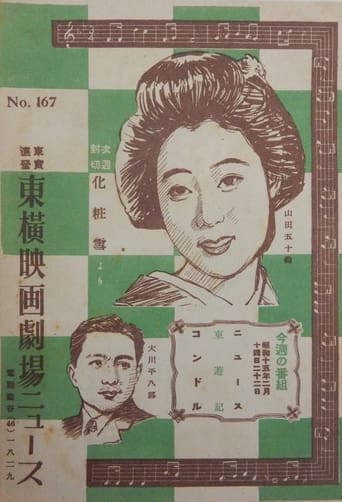
NRNo synopsis available yet.
Keshô yuki
1940
 9.0
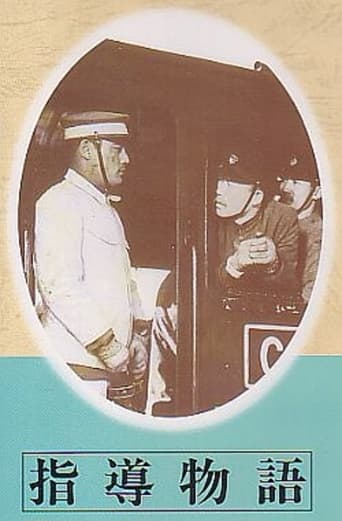
9.0In this semi-documentary, an older locomotive driver is tasked with training younger ones and is currently training two in particular. The old man is finding the task overwhelming as it is hard work with practical lessons and classroom components. His wife has died, but he has three daughters with the oldest taking care of her younger siblings.
Story of Leadership
1941
 10.0
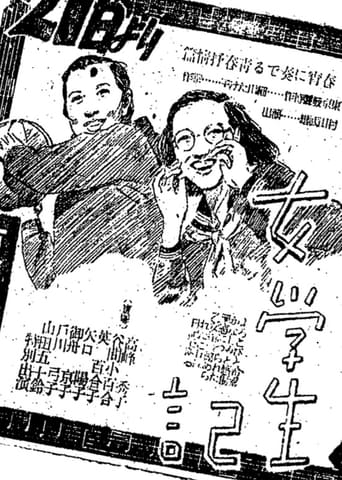
10.0A "slice-of life" film about a group of high school girls in 1940s Japan.
Schoolgirl Records
1941
The year is 1936. Ōhinata-mura was a very poor village between deep valleys. Soncho, the village head is trying to collect the village taxes from the villagers but he knows full well that no one can afford to pay the village tax which has been unpaid for years...
Ōhinata-mura
1940
 NR
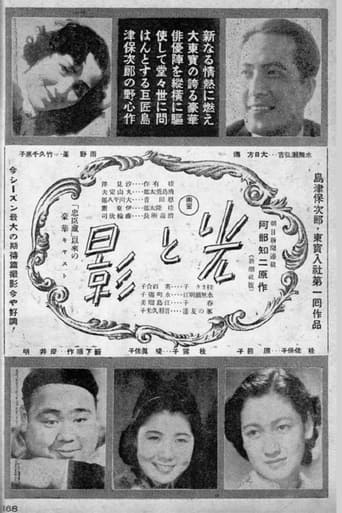
NRPart one of two.
Hikari to kage (Zenpen)
1940
 NR
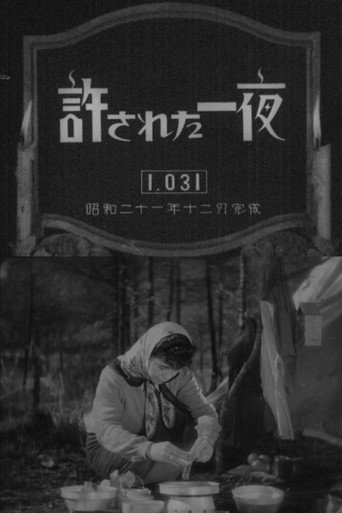
NRNo synopsis available yet.
Yurusareta ichiya
1946
NRPart two of two.
Hikari to kage (Kōhen)
1940
 6.0
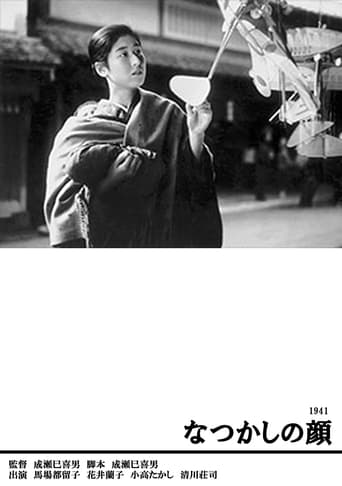
6.0A Fond Face from the Past is also set in a rural community, specifically a village outside Kameoka, near Kyoto. In some ways this short, thirty-six-minute film is Naruse's most moving negotiation of the militarist restrictions of the time, perhaps because it is also his most direct engagement with the culture of war. When a newsreel comes to Kameoka featuring a local man named Yoichi, it causes some excitement in the community and, of course, in Yoichi's own family. First of all his mother makes the newsreel (Nippon News, no. 14), which begins with the same marching music that opens his own film, followed by a curious baby judging context in Los Angeles featuring two hundred Japanese babies. Released in January 1941, almost a year before the pacific war begins, this “found footage” is indicative of Japanese imperialist ambitions beyond Asia long before Pearl Harbor.
A Fond Face from the Past
1941
No synopsis available yet.
Kanojo no hatsugen
1946
1930s · 9 titles
NRThis is the story of a woman who enters the world of sales. She works at a company in Ginza as a typist. She determines that she needs money for her family and herself and asks her co-worker, who is a salesman, for guidance on sales. Armed with the information he provides, she begins in sales and is successful. Her original guide eventually begins to feel strange about her...
Women in Tokyo
1939
Song of the White Orchid was a co-production of Toho and Mantetsu, the railway that served the colonial region of Manchuria, and the first film in the Kazuo Hasegawa/Shirley Yamaguchi (Ri Koran) “Continental Trilogy.” Handsome Hasegawa (representing Japan) runs up against an impertinent Yamaguchi (representing the continent); not surprisingly, in the course of the film the woman comes around and realizes the benevolent intentions of the Japanese. In Song of the White Orchid Yamaguchi leaves Hasegawa, who plays an expatriate working for the railway, because of a misunderstanding. She joins a communist guerilla group plotting to blow up the Manchurian railway. Learning of the subterfuge that led to the misunderstanding, she renews her faith in Hasegawa—and by extension Japan—and tries to undermine the plot.
Song of the White Orchid
1939
A film that begins with wit and comedy when a husband tries to hide and mask his drinking, which his Jesus freak and very Christian wife dislikes, by gargling and other methods, turns somber when the man loses his job after being fired. He attempts to keep us appearances by having parties and still going to night clubs, which means money is even more of a short supply. He turns to gambling and the race horse tracks as a result.
Winter Inn
1938
 5.0
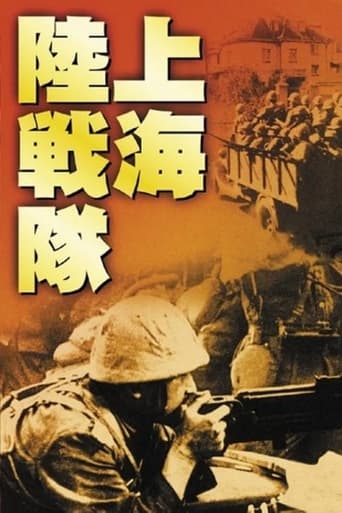
5.0This film attempts to reconstruct the tension of the Battle of Shanghai through an episode in an understated way, introducting its story in a documentary mode. In the film story, Japan's marine regiment protects Japanese residents and Chinese refugees-women and young children-from rampant street fighting, Shanhai Rikusentai unsparingly uses its first eight minutes for an official-mannered self-justification of the war. From the viewpoint of explaining Japan's military operation,the narration refers to the city s spatial division in sync with maps on screen.
Shanghai Landing Party
1939
 6.7
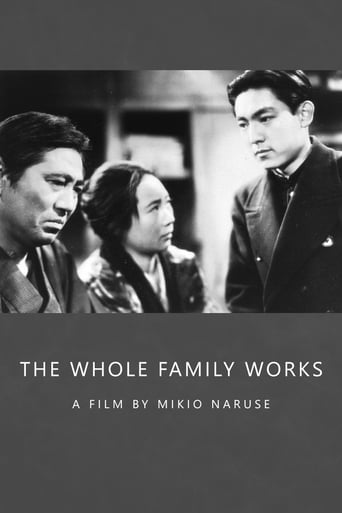
6.7A large family scrapes by on the meager salaries of the father and three eldest sons, who left school in order to work and support the family. The fourth eldest is soon to graduate and follow in their footsteps, though he'd rather continue schooling. The eldest finally decides to break free and set out on his own against his parents' wishes, with the support and sympathy of his siblings.
The Whole Family Works
1939
Japanese film based on the life of writer Ichiyo Higuchi (1872-1896).
Ichiyo Higuchi
1939
 10.0
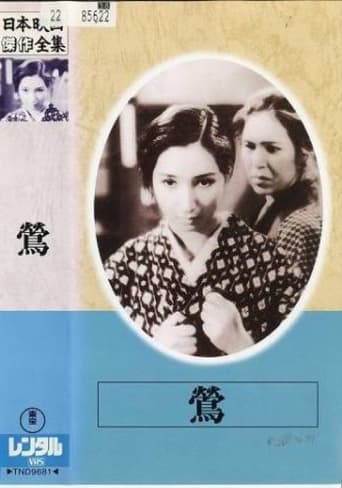
10.0An episodic film about life in and around a rural police station and the people it serves.
Nightingale
1938
At 38, Seiu marries Masako, who is emotionally distant and attempts suicide. Masako’s past includes being sold into servitude and an unrecognised pregnancy. Seiu learns the truth and accepts Masako and the unborn child, embracing his roles as husband and father. He also reforms a troubled youth at his institution. In a climactic speech, Seiu inspires his students with resilience and love.
Children of the Sun
1938
Original work by Hyakken Uchida.
Roppa no Hōjiro Sensei
1939