Acting
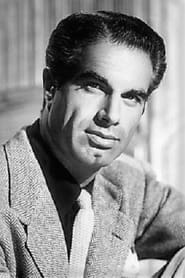
Charles Korvin
Born — Died
1907-11-21 — 1998-06-18
Place of birth
Piestany, Austria-Hungary [now Piestany, Slovakia]
Known for
Acting
Credits
37 titles
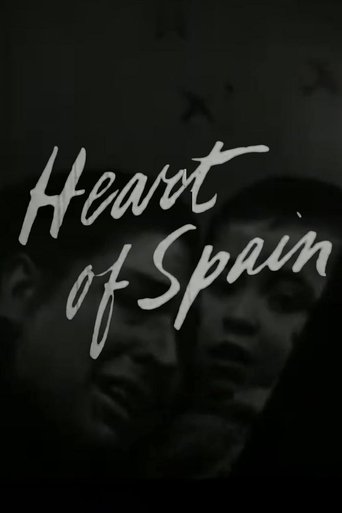
Charles Korvin (born Géza Korvin Kárpáthy) was an American film, television and stage actor. He was also a professional still and motion picture photographer and master chef. The Hungarian actor moved to Paris around 1930. He studied at the Sorbonne and during his ten years living in France, he was hired by Yvon, the famous French postcard company, shooting on location all over the country. In 1937, he was hired for a CBC documentary film project about the renowned Canadian medical doctor, Norman Bethune. Entitled “Heart of Spain”, Korvin photographed and co-directed the anti-Franco film which was shot on the front lines during the Spanish Civil War. Moving to the United States in 1940, Kor…
Known for
 5.4
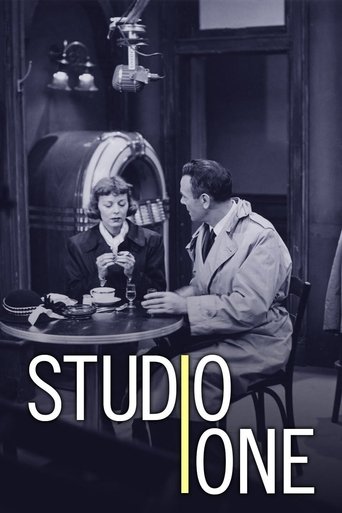
An American radio–television anthology series, created in 1947 by Canadian director Fletcher Markle, who came to CBS from the CBC. Studio One, presented by Westinghouse, was one of the first of the anthology TV programs. The episodes were often abridged remakes of movies from years gone by and many future well-known television and movie actors appeared in the productions.
Studio One
1948
 3.8
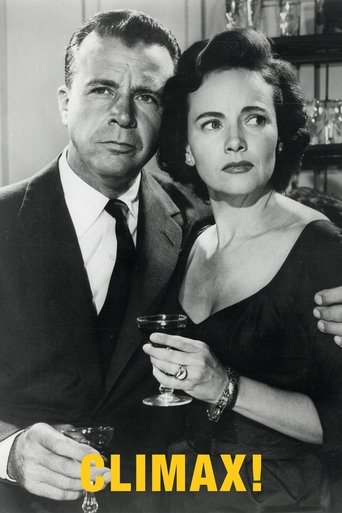
Climax! is an American anthology series that aired on CBS from 1954 to 1958. The series was hosted by William Lundigan and later co-hosted by Mary Costa. It was one of the few CBS programs of that era to be broadcast in color. Many of the episodes were performed and broadcast live.
Climax!
1954
 6.0
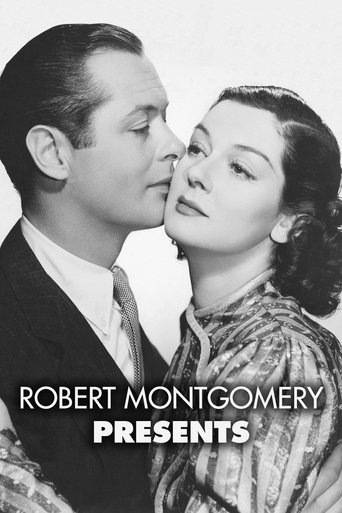
Robert Montgomery Presents is an American dramatic television series which was produced by NBC from January 30, 1950 until June 24, 1957. The live show had several sponsors during its seven-year run, and the title was altered to feature the sponsor, usually Lucky Strike cigarettes, for example, Robert Montgomery Presents Your Lucky Strike Theater, ....The Johnson's Wax Program, and so on.
Robert Montgomery Presents
1950
 5.6
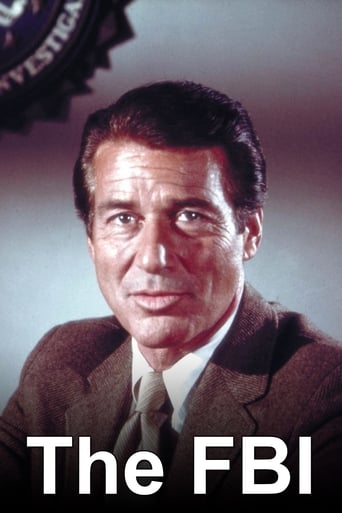
The F.B.I. is an American television series that was broadcast on ABC from 1965 to 1974. It was sponsored by the Ford Motor Company, and the characters almost always drove Ford vehicles in the series. Alcoa was co-sponsor of Season One only.
The F.B.I.
1965
 7.6
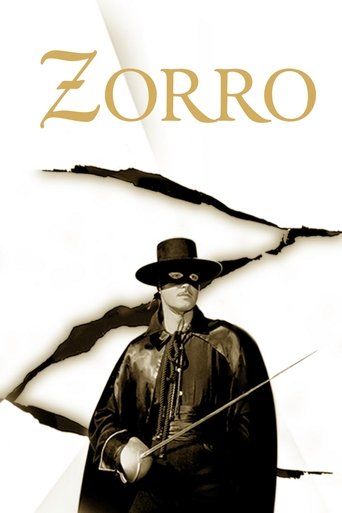
Diego de la Vega, the son of a wealthy landowner, returns from his studies in Spain and discovers that Los Angeles is under the command of Capitan Monastario, a cruel man who relishes in the misuse of his power for personal gain. Knowing that he cannot hope to single-handedly defeat Monastario and his troops, Diego resorts to subterfuge. He adopts the secret identity of Zorro, a sinister figure dressed in black, and rides to fight Monastario's injustice.
Zorro
1957
 5.1
An anthology series adapted from the radio program of the same name. Like the radio program, many scripts were adaptations of literary classics by well-known authors. Classic authors such as Edgar Allan Poe, Agatha Christie, and Charles Dickens all had stories adapted for the series, while contemporary authors such as Roald Dahl and Gore Vidal also contributed.
Suspense
1949
Film credits
1970s · 2 titles
 6.7
An American ex-WW II POW returns to Germany 30 years after the war. He teams up with the former commander of his prison camp. Together they spring a Nazi war criminal from jail. He's the only one left who knows where a secret wartime cache of gold is hidden.
Inside Out
1975
 4.6
A successful talent agent enjoys the good life until his wife leaves him. Moving in with his friend and igniting an affair with the man's wife, he also acquires a difficult new client whose public image must be preserved at any cost.
The Man Who Had Power Over Women
1970
1960s · 1 titles
1950s · 7 titles
 5.3
The jungle king's cousin tries to get him to help find a diamond treasure.
Tarzan's Savage Fury
1952
 6.2
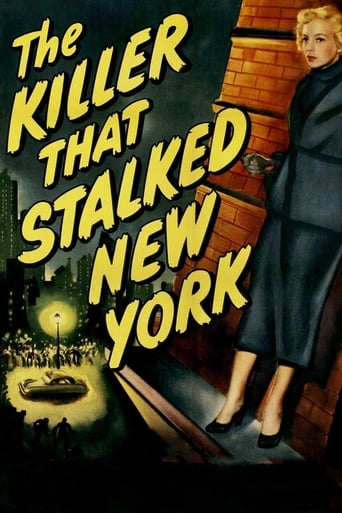
In New York, Sheila Bennet and her spouse, Matt Krane, are trying to unload a trove of rare jewels they smuggled into America from Cuba, but the police are hot on the couple's trail. Meanwhile, government officials begin a desperate search for an unknown individual who is infecting the city with smallpox.
The Killer That Stalked New York
1950
 6.8
Lamas plays an indentured servant who rises to power in Georgia shortly after the Revolutionary War.
Sangaree
1953
 8.6
Masked crusader Zorro and his father, Don Alejandro, face off against mysterious despot The Eagle in a fight for control of old Spanish California.
Zorro, the Avenger
1959
 6.8
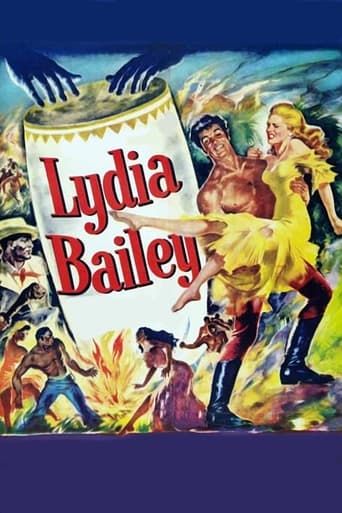
A young Boston lawyer, Albron Hamlin, goes to Haiti in 1802 to find Lydia Bailey, whose estate he must settle. The island is war-torn in the strife between Toussaing L'Overture, the black president, and the French who are trying to retake possession of the country. Hamlin finds Lydia and, against the background of war and rebellion, they fall in love while helping the Haitians against the French.
Lydia Bailey
1952
A luminously beautiful, provocative young woman is rescued near a small fishing village on the Spanish coast. The scene is set for a drama of dangerous passion that threatens to tear apart the simple, tranquil life of the village forever.
Thunderstorm
1956
 NR
In the 19th century, Elizabeth Blackwell determines to become a doctor.
The Blackwell Story
1957
1940s · 4 titles
 6.3
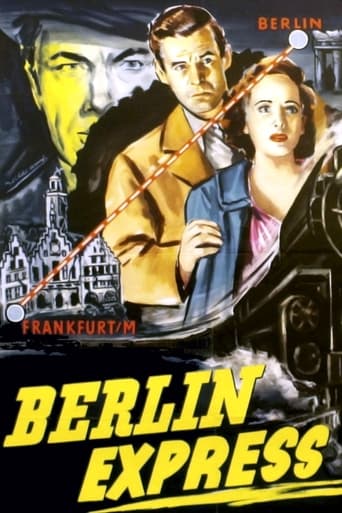
In post-war Europe, a diverse group of passengers aboard a U.S. Army train to bombed-out Frankfurt becomes involved in a Nazi assassination plot.
Berlin Express
1948
 5.0
After marrying an archaeologist, a Victorian-era woman with a sordid past realizes that she is not ready to settle down with one man.
Temptation
1946
 6.0
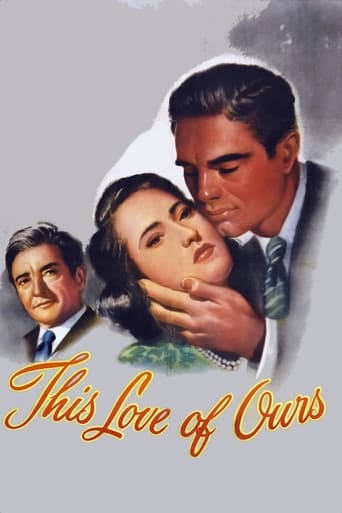
At a convention, medical researcher Michel Touzac goes with colleagues to see stage caricaturist Targel, whose assistant Florence recognizes him...and attempts suicide. Saved by Touzac's new technique, Florence is revealed in a flashback as Michel's abandoned wife Karin, whom their daughter Susette thinks is dead. Can Susette cope if they now reunite?
This Love of Ours
1945
 6.2
A rich but naive young woman is in possession of some priceless jewels. She herself doesn't know it, but a gang of jewel thieves does.
Enter Arsène Lupin
1944
Series credits
5.4An American radio–television anthology series, created in 1947 by Canadian director Fletcher Markle, who came to CBS from the CBC. Studio One, presented by Westinghouse, was one of the first of the anthology TV programs. The episodes were often abridged remakes of movies from years gone by and many future well-known television and movie actors appeared in the productions.
Studio One
1948
3.8Climax! is an American anthology series that aired on CBS from 1954 to 1958. The series was hosted by William Lundigan and later co-hosted by Mary Costa. It was one of the few CBS programs of that era to be broadcast in color. Many of the episodes were performed and broadcast live.
Climax!
1954
3.8Climax! is an American anthology series that aired on CBS from 1954 to 1958. The series was hosted by William Lundigan and later co-hosted by Mary Costa. It was one of the few CBS programs of that era to be broadcast in color. Many of the episodes were performed and broadcast live.
Climax!
1954
6.0Robert Montgomery Presents is an American dramatic television series which was produced by NBC from January 30, 1950 until June 24, 1957. The live show had several sponsors during its seven-year run, and the title was altered to feature the sponsor, usually Lucky Strike cigarettes, for example, Robert Montgomery Presents Your Lucky Strike Theater, ....The Johnson's Wax Program, and so on.
Robert Montgomery Presents
1950
5.6The F.B.I. is an American television series that was broadcast on ABC from 1965 to 1974. It was sponsored by the Ford Motor Company, and the characters almost always drove Ford vehicles in the series. Alcoa was co-sponsor of Season One only.
The F.B.I.
1965
5.6The F.B.I. is an American television series that was broadcast on ABC from 1965 to 1974. It was sponsored by the Ford Motor Company, and the characters almost always drove Ford vehicles in the series. Alcoa was co-sponsor of Season One only.
The F.B.I.
1965
5.6The F.B.I. is an American television series that was broadcast on ABC from 1965 to 1974. It was sponsored by the Ford Motor Company, and the characters almost always drove Ford vehicles in the series. Alcoa was co-sponsor of Season One only.
The F.B.I.
1965
7.6Diego de la Vega, the son of a wealthy landowner, returns from his studies in Spain and discovers that Los Angeles is under the command of Capitan Monastario, a cruel man who relishes in the misuse of his power for personal gain. Knowing that he cannot hope to single-handedly defeat Monastario and his troops, Diego resorts to subterfuge. He adopts the secret identity of Zorro, a sinister figure dressed in black, and rides to fight Monastario's injustice.
Zorro
1957
5.1An anthology series adapted from the radio program of the same name. Like the radio program, many scripts were adaptations of literary classics by well-known authors. Classic authors such as Edgar Allan Poe, Agatha Christie, and Charles Dickens all had stories adapted for the series, while contemporary authors such as Roald Dahl and Gore Vidal also contributed.
Suspense
1949
 6.0
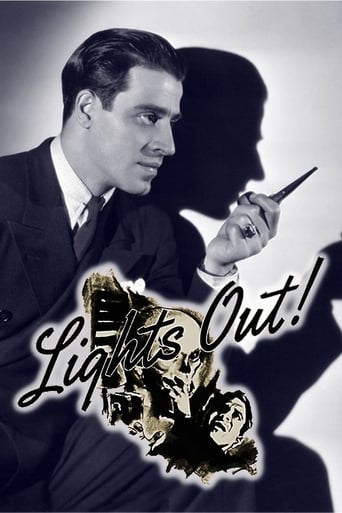
Lights Out was an extremely popular American old-time radio program, an early example of a network series devoted mostly to horror and the supernatural, predating Suspense and Inner Sanctum. Versions of Lights Out aired on different networks, at various times, from January 1934 to the summer of 1947 and the series eventually made the transition to television. In 1946, NBC Television brought Lights Out to TV in a series of four specials, broadcast live and produced by Fred Coe, who also contributed three of the scripts. NBC asked Cooper to write the script for the premiere, "First Person Singular", which is told entirely from the point of view of an unseen murderer who kills his obnoxious wife and winds up being executed. Variety gave this first episode a rave review ("undoubtedly one of the best dramatic shows yet seen on a television screen"), but Lights Out did not become a regular NBC-TV series until 1949.
Lights Out
1949
 5.8
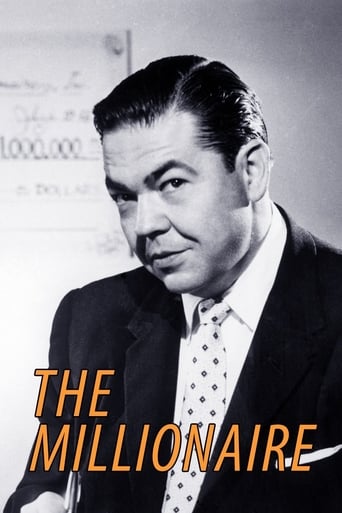
An anthology series that explored the ways sudden and unexpected wealth changed life for better or for worse. It told the stories of people who were given one million dollars from a benefactor who insisted they never know him, with one exception.
The Millionaire
1955
 7.2
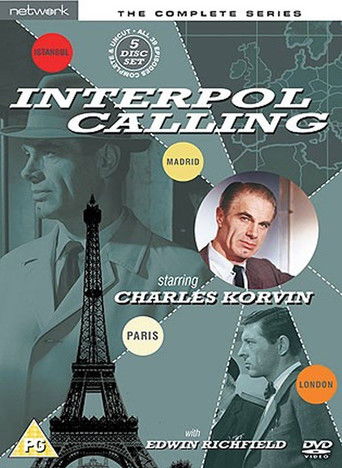
The adventures of Interpol policemen Duval and Mornay as they fought against international drug-running, homicide, robbery and forgery.
Interpol Calling
1959
 7.4
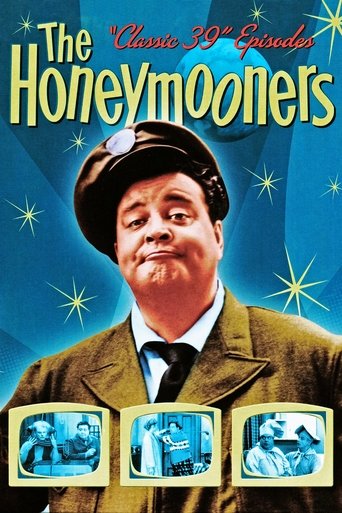
A bus driver and his sewer worker friend struggle to strike it rich while their wives look on with weary patience. One of the most influential situation comedy television series in American history.
The Honeymooners
1955
 7.3
Berlin, Germany, 1935. The day Karl Weiss, a Jewish painter, and Inga Helms, a Christian woman, marry, is the one in which both of them and the entire Weiss family are caught up in the maelstrom of the Nazi regime, the storms of World War II and the horrors of the criminal Final Solution, the Holocaust, the Shoah; while Erik Dorf, an ambitious lawyer, undertakes his fall into hell at the hands of the sinister Reinhard Heydrich.
Holocaust
1978
 6.6
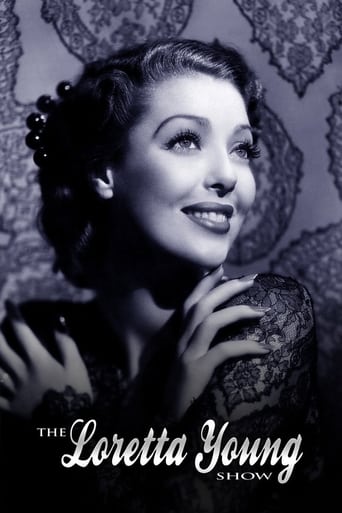
Letter to Loretta is an American anthology drama series telecast on NBC from September 1953 to June 1961 for a total of 165 episodes. The filmed show was hosted by Loretta Young who also played the lead in various episodes. Letter to Loretta was sponsored by Procter & Gamble from 1953 through 1960. The final season's sponsor was Warner-Lambert's Listerine.
Letter to Loretta
1953
The Chevrolet Tele-Theatre is an American anthology series that aired live on NBC Mondays at 8 pm EST from September 27, 1948 to June 26, 1950. Guests who appeared on the series included Faye Emerson, Edward Everett Horton, Basil Rathbone, Nina Foch, and Boris Karloff.
The Chevrolet Tele-Theatre
1948