
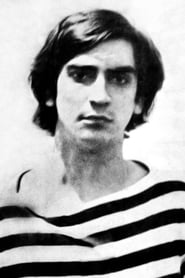
Directing
Carlos Mayolo
Born — Died
1945-09-10 — 2007-02-03
Place of birth
Cali, Colombia
Known for
Directing
Credits
34 titles
Carlos Mayolo (10 September 1945 - 3 February 2007) was a Colombian actor and film director. He directed more than ten films from 1970 to 2000.
Known for
 6.9
6.9A fearsome 19th century bandit, Cobra Verde cuts a swath through Brazil until he arrives at the sugar plantation of Don Octávio Countinho. Not knowing that his new guest is the notorious bandit and impressed by his ruthless ways, Don Octávio hires Cobra Verde to oversee his slaves. But when Cobra Verde impregnates Don Octávio’s three daughters, the incensed plantation owner exiles the outlaw to Africa where he is expected to reopen the slave trade. Following his trans-Atlantic journey, Cobra Verde exploits tribal conflicts to commandeer an abandoned fortress and whips an army of naked warriors into a frenzied bloodlust as he vies for survival.
Cobra Verde
1987
 NR
NRAn outcast looks for a glass of water in the house of a single woman, he notices that she is industrious yet repulsive and resolves¸ under the guise of love¸ to exploit her as a servant. After some drunkenness and beatings¸ the woman decides to take revenge; taking advantage of one of these drunkenness¸ when he has fallen asleep in a hammock¸ he sews the hammock around the edges and throws a pot of boiling water on it.
La Hamaca
1975
 NR
NRNo synopsis available yet.
Mi alma se la dejo al diablo
1987
 6.9
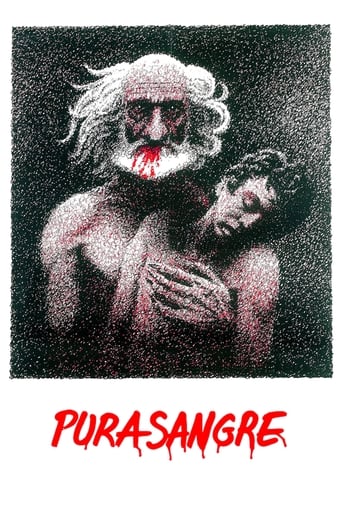
6.9Roberto Hurtado suffers from a rare disease that requires massive transfusions of blood from children or adolescents. His son blackmails three employees to get blood for him and they resort to unscrupulous methods to obtain it.
Pure Blood
1982
 8.0
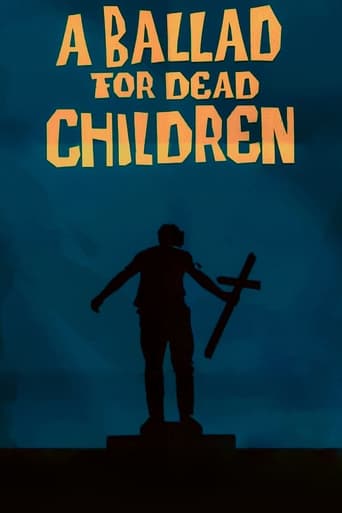
8.0'A Ballad for dead children' is a tribute to Andrés Caicedo and Cali and it's group, as the seed of a cinematographic phenomenon, but it goes one step further. Testimonies and fragment readings compose, together with a very powerful archive material, the story of a story that has a deep sense and cinematographic interest: the story of Andrés and his eternal fascination with horror literature and cinema b, the of the boy who was born to write, that of the young man who decided to mock death by planning his own ending. A film that tries to maintain the difficult balance on the fine line that separates and unites the two: man and work, work and man, in an eternal and indissoluble way.
A Ballad for Dead Children
2020
 7.4
7.4Two filmmakers travel around impoverished sectors of the cities of Bogotá and Cali in search of the images of abjection needed to complete a documentary commissioned by German TV. Meanwhile, another camera captures these “vampire” filmmakers feeding off the misery of their marginal subjects.
The Vampires of Poverty
1978
Film credits
1980s · 7 titles
6.9A fearsome 19th century bandit, Cobra Verde cuts a swath through Brazil until he arrives at the sugar plantation of Don Octávio Countinho. Not knowing that his new guest is the notorious bandit and impressed by his ruthless ways, Don Octávio hires Cobra Verde to oversee his slaves. But when Cobra Verde impregnates Don Octávio’s three daughters, the incensed plantation owner exiles the outlaw to Africa where he is expected to reopen the slave trade. Following his trans-Atlantic journey, Cobra Verde exploits tribal conflicts to commandeer an abandoned fortress and whips an army of naked warriors into a frenzied bloodlust as he vies for survival.
Cobra Verde
1987
NRNo synopsis available yet.
Mi alma se la dejo al diablo
1987
6.9Roberto Hurtado suffers from a rare disease that requires massive transfusions of blood from children or adolescents. His son blackmails three employees to get blood for him and they resort to unscrupulous methods to obtain it.
Pure Blood
1982
 6.5
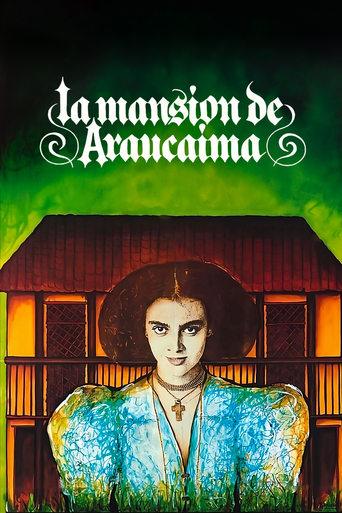
6.5In an old and mysterious tropical mansion cohabit the supposed owner, a friar, a convalescent pilot, the Haitian servant, the mercenary guardian and the Machiche, a mature and dominant female. A young model arrives there to unleash all kinds of passions.
The Manor of Araucaima
1986
 7.0
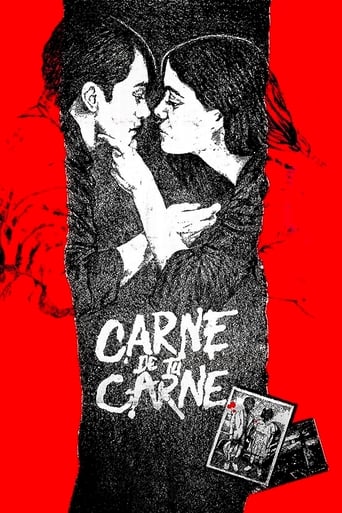
7.0August 6, 1956 during the military dictatorship of Rojas Pinilla. A military convoy loaded with dynamite explodes in the center of Cali, destroying a good part of the traditional buildings of the city and exposing the roots of some houses that for years had kept the secret stories of their inhabitants.
Bloody Flesh
1983
 7.0
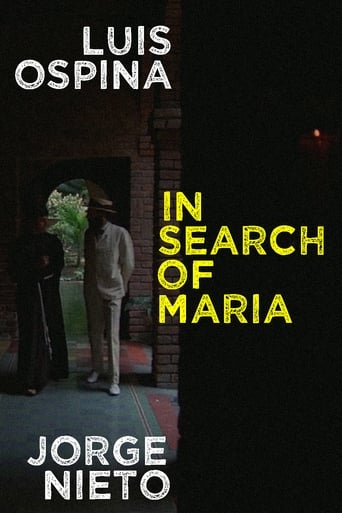
7.0Based on the only four surviving shots of the first Colombian silent film, MARÍA (1921), by directors Máximo Calvo (Colombia) and Alfredo del Diestro (Spain), IN SEARCH OF ‘MARIA’ combines historical research, interviews, and scenic reconstruction to rescue the memory of a lost film.
In Search of Maria
1985
 7.0
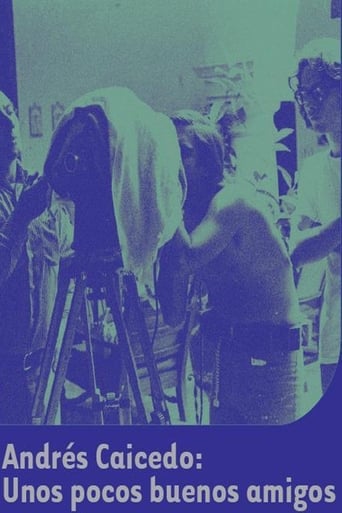
7.0Using the unfinished film, ANGELITA Y MIGUEL ÁNGEL, by Andrés Caicedo and Carlos Mayolo, as a structuring device, friends of prolific film critic and writer Andrés Caicedo, an unforgettable figure of the group of Cali in the 1970s who left an incredible amount of texts, reflect upon his life, his work, and his suicide at the age of 25, testify to his influence in the cultural life of Colombia, and remember his strong and touching personality.
Andrés Caicedo: A Few Good Friends
1986
Behind the camera
NRAn outcast looks for a glass of water in the house of a single woman, he notices that she is industrious yet repulsive and resolves¸ under the guise of love¸ to exploit her as a servant. After some drunkenness and beatings¸ the woman decides to take revenge; taking advantage of one of these drunkenness¸ when he has fallen asleep in a hammock¸ he sews the hammock around the edges and throws a pot of boiling water on it.
La Hamaca
1975
7.4Two filmmakers travel around impoverished sectors of the cities of Bogotá and Cali in search of the images of abjection needed to complete a documentary commissioned by German TV. Meanwhile, another camera captures these “vampire” filmmakers feeding off the misery of their marginal subjects.
The Vampires of Poverty
1978
7.4Two filmmakers travel around impoverished sectors of the cities of Bogotá and Cali in search of the images of abjection needed to complete a documentary commissioned by German TV. Meanwhile, another camera captures these “vampire” filmmakers feeding off the misery of their marginal subjects.
The Vampires of Poverty
1978
6.5In an old and mysterious tropical mansion cohabit the supposed owner, a friar, a convalescent pilot, the Haitian servant, the mercenary guardian and the Machiche, a mature and dominant female. A young model arrives there to unleash all kinds of passions.
The Manor of Araucaima
1986
6.5In an old and mysterious tropical mansion cohabit the supposed owner, a friar, a convalescent pilot, the Haitian servant, the mercenary guardian and the Machiche, a mature and dominant female. A young model arrives there to unleash all kinds of passions.
The Manor of Araucaima
1986
 NR
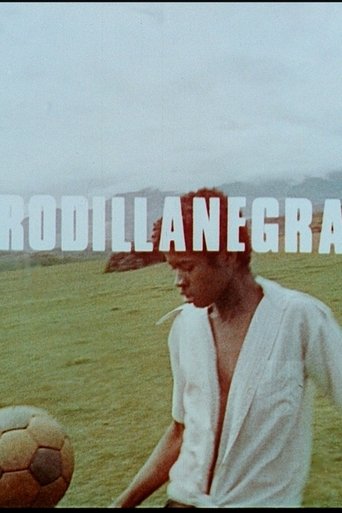
NRIn this short film, the title of which translates as "Black Knee", a team of football players (played by members of the Barrios Unidos Cali team) encounter a pair of skinnydipping hippies out in the fields and steal their transistor radio. This seems to trigger something in their most legendary player, Jonny Mosquera: a terrible syndrome that makes him literally fall to his knees. Like La hamaca, Agarrando pueblo, Carne de tu Carne and other films made by Mayolo, this film blends deeply unsettling imagery and lowkey genre filmmaking into an equally unsettling and exhilarating realism.
Rodilla negra
1975
7.0August 6, 1956 during the military dictatorship of Rojas Pinilla. A military convoy loaded with dynamite explodes in the center of Cali, destroying a good part of the traditional buildings of the city and exposing the roots of some houses that for years had kept the secret stories of their inhabitants.
Bloody Flesh
1983
7.0August 6, 1956 during the military dictatorship of Rojas Pinilla. A military convoy loaded with dynamite explodes in the center of Cali, destroying a good part of the traditional buildings of the city and exposing the roots of some houses that for years had kept the secret stories of their inhabitants.
Bloody Flesh
1983
 NR
NRThe documentary Sin Telón celebrates the national artistic values of Teatro La Candelaria, recognized both nationally and internationally as one of the leading Latin American experimental theater groups. The film highlights the extensive career of Santiago García while also portraying the everyday life and unique working methods of this dedicated ensemble of artists from Teatro La Candelaria.
No curtains
1975
NRThe documentary Sin Telón celebrates the national artistic values of Teatro La Candelaria, recognized both nationally and internationally as one of the leading Latin American experimental theater groups. The film highlights the extensive career of Santiago García while also portraying the everyday life and unique working methods of this dedicated ensemble of artists from Teatro La Candelaria.
No curtains
1975
 6.5
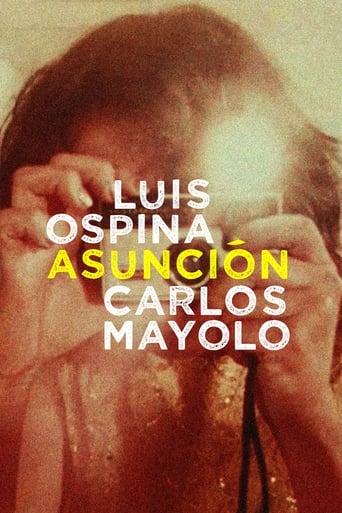
6.5The vengeance of a housemaid against the family that hired her.
Asunción
1975
6.5The vengeance of a housemaid against the family that hired her.
Asunción
1975
 8.3
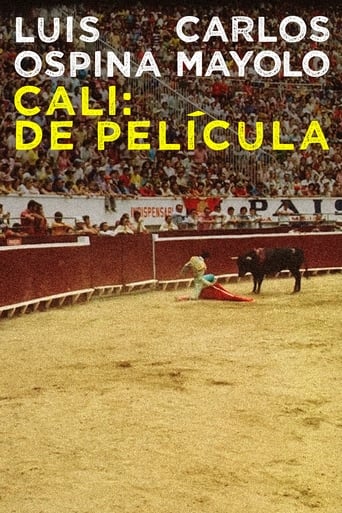
8.3A 13 minute glimpse of the Feria de Cali celebrated between Christmas and New Year… A carnival of commodity fetishism, red devils and white indians that will be recognizable to anyone who has encountered the surrealist ethnographies of Michael Taussig.
Cali: de Película
1973
 8.0
8.0A visit to the Monserrate church in Bogota
Monserrate
1970
No synopsis available yet.
Aquel 19
1985
 7.0
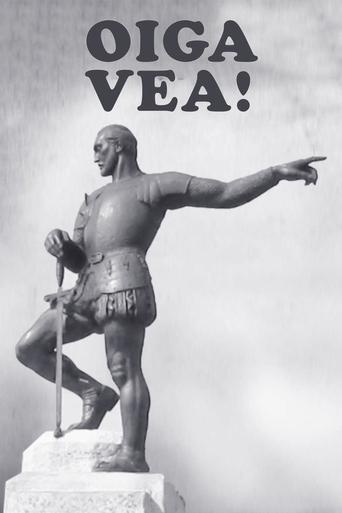
7.0Documentary about the effects of the VI Panamerican Games in the city of Cali, seen from the point of view of the people that couldn't get into the stadiums.
Listen, Look!
1972
7.0Documentary about the effects of the VI Panamerican Games in the city of Cali, seen from the point of view of the people that couldn't get into the stadiums.
Listen, Look!
1972
 9.0
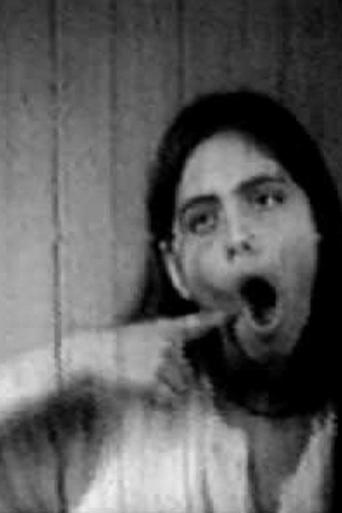
9.0Two young people from the wealthy class who meet and complement their lives by filling the holes that they themselves had created within themselves. A film that mixes innocence, surrealism, comedy, drama and psychosis.
Angelita y Miguel Ángel
1971
9.0Two young people from the wealthy class who meet and complement their lives by filling the holes that they themselves had created within themselves. A film that mixes innocence, surrealism, comedy, drama and psychosis.
Angelita y Miguel Ángel
1971
 NR
NRThe sectors studied are the Yumbo industrial complex (the rainbow of pollution), which threatens to create a fence of smoke and pestilence around the city of Cali. The Mamonal complex (Bahía de Cartagena) and the garbage of the big cities. The film, depending on its geographical direction, is divided into five chapters, namely: air, water, garbage, noise and lack of trees.
Contamination is...
1974
In this early short, Mayolo takes viewers on a visit to the estate of Simon Bolívar in Bogotá where stately memory and crass commercialism collude to obscure what Bolivarismo was supposed to be?
La Quinta de Bolívar
1969
This is a somewhat irreverant look at the Church of San Ignacio (Saint Ignatius of Loyola) in Bogata. Established in the 17th century by the Jesuit order, it is a building of lavish baroque interior and exterior edifices and statuary. The film examines the subtle antagonisms between popular and clerical uses of the sacred images and rites.
Iglesia de San Ignacio
1970
 NR
NRDocumentary aspects of the city with old archive shots that allude to the “450 years of the founding of Cali.” A parallel is drawn between the memory of the past salvageable in photographs and the visual freshness of the present printed in each of its manifestations. The statue of the founder De Belalcázar, the chorus of “Hey, see”, the rumba in the peripheral neighborhoods, the photographer Fernell Franco and the afternoon light of Cali.
Cali, Calido, Calidoscopio
1985