
Directing
Ernesto Cabellos
Known for
Directing
Credits
9 titles
Ernesto Cabellos and a group of young Peruvians founded Guarango in 1994 under the guidance of renowned Swiss producer Stefan Kaspar, producing short films for both film and video. Ernesto has produced short documentaries for Peruvian television and international networks. In 2002, he made his directorial debut with "Choropampa, The Price of Gold," a feature-length documentary that he also produced, filmed, and edited with Stephanie Boyd. The film has won five international awards and has been broadcast on the Sundance Channel, CBC Country in Canada, and national television stations in Peru and Argentina. He is currently the president of the Association.
Known for
 7.0
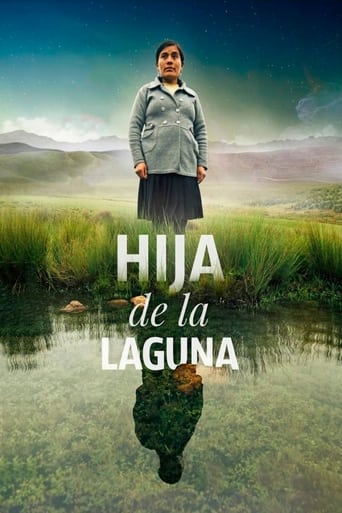
At the height of the Peruvian gold rush, Nélida, an Andean woman able to communicate with water spirits, uses her powers to prevent a mining corporation from destroying the body of water she considers her mother. A gold deposit valued at billions of dollars lies just beneath Nélida’s lakes and leads farmers and Latin America’s biggest gold producer into conflict.
Daughter of the Lake
2015
 9.0
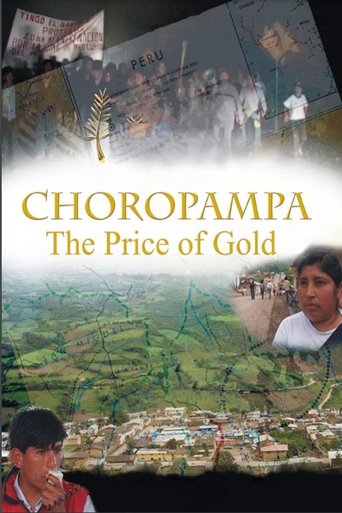
A devastating mercury spill by the world's richest gold mining corporation transforms a quiet peasant village in Peru's Andean mountains into a hotbed of civil resistance. A courageous young mayor emerges to lead his people on a quest for health care and justice. But powerful interests conspire to thwart the villagers at every turn in this 2-year epic chronicle of the real price of gold.
Choropampa: The Price of Gold
2002
 6.0
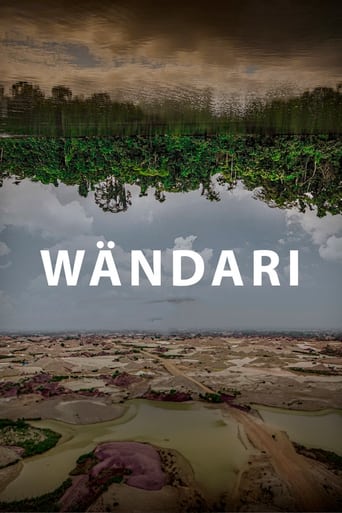
Amid the impressive biodiversity of the Peruvian Amazon, the indigenous communities of Madre de Dios are threatened daily by illegal gold and timber extraction. It is a fight to the death to preserve their identity and the memory of the Wändari, their territory.
Wändari
2022
 NR
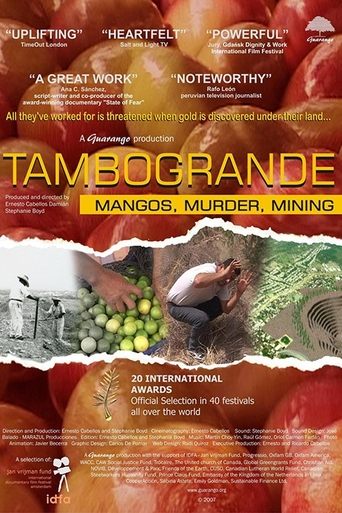
Tambogrande is a town in North Peru. Over the years, the inhabitants have taken great pains to transform this initially barren area into a fertile valley. This is where the majority of the national fruit production comes from, including mangoes and limes. The relative affluence of Tambogrande became endangered in 1999, when foreigners began exploring a gold deposit beneath the town. The Canadian firm Manhattan Minerals made plans for a huge mine that would eat up a large part of the town and bring the danger of serious soil and water pollution. The people of Tambogrande preferred mangoes over gold, so they revolted. A grim struggle ensued, documented over the course of several years. In Tambogrande the filmmakers give an account of a murder and show how the government of President Fujimori falls into discredit. Eventually, the inhabitants of Tambogrande manage to achieve some success in their cause and the story of their mainly peaceful protest is heard all over the world.
Tambogrande: Mangos, Murder, Mining
2006
 NR
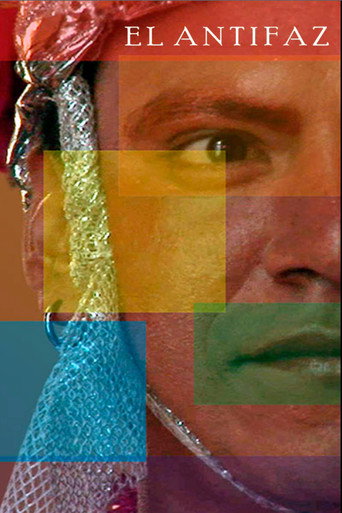
We hear the inner dialogue of Priscilla, a man, as he applies makeup and transforms himself in front of the mirror, recalling how he went from feeling guilty about having HIV to becoming an activist without a mask, overcoming his guilt and fears.
El Antifaz
2009
On February 2, 2010, the Peruvian film *La Teta Asustada* (The Milk of Sorrow) was nominated for the Oscar for Best Foreign Language Film. On the day of the awards ceremony, the town of Manchay in Lima—where the film was shot—prepares to celebrate.
El Oscar de Manchay
2011
Behind the camera
7.0At the height of the Peruvian gold rush, Nélida, an Andean woman able to communicate with water spirits, uses her powers to prevent a mining corporation from destroying the body of water she considers her mother. A gold deposit valued at billions of dollars lies just beneath Nélida’s lakes and leads farmers and Latin America’s biggest gold producer into conflict.
Daughter of the Lake
2015
9.0A devastating mercury spill by the world's richest gold mining corporation transforms a quiet peasant village in Peru's Andean mountains into a hotbed of civil resistance. A courageous young mayor emerges to lead his people on a quest for health care and justice. But powerful interests conspire to thwart the villagers at every turn in this 2-year epic chronicle of the real price of gold.
Choropampa: The Price of Gold
2002
6.0Amid the impressive biodiversity of the Peruvian Amazon, the indigenous communities of Madre de Dios are threatened daily by illegal gold and timber extraction. It is a fight to the death to preserve their identity and the memory of the Wändari, their territory.
Wändari
2022
NRTambogrande is a town in North Peru. Over the years, the inhabitants have taken great pains to transform this initially barren area into a fertile valley. This is where the majority of the national fruit production comes from, including mangoes and limes. The relative affluence of Tambogrande became endangered in 1999, when foreigners began exploring a gold deposit beneath the town. The Canadian firm Manhattan Minerals made plans for a huge mine that would eat up a large part of the town and bring the danger of serious soil and water pollution. The people of Tambogrande preferred mangoes over gold, so they revolted. A grim struggle ensued, documented over the course of several years. In Tambogrande the filmmakers give an account of a murder and show how the government of President Fujimori falls into discredit. Eventually, the inhabitants of Tambogrande manage to achieve some success in their cause and the story of their mainly peaceful protest is heard all over the world.
Tambogrande: Mangos, Murder, Mining
2006
NRWe hear the inner dialogue of Priscilla, a man, as he applies makeup and transforms himself in front of the mirror, recalling how he went from feeling guilty about having HIV to becoming an activist without a mask, overcoming his guilt and fears.
El Antifaz
2009
On February 2, 2010, the Peruvian film *La Teta Asustada* (The Milk of Sorrow) was nominated for the Oscar for Best Foreign Language Film. On the day of the awards ceremony, the town of Manchay in Lima—where the film was shot—prepares to celebrate.
El Oscar de Manchay
2011
 NR
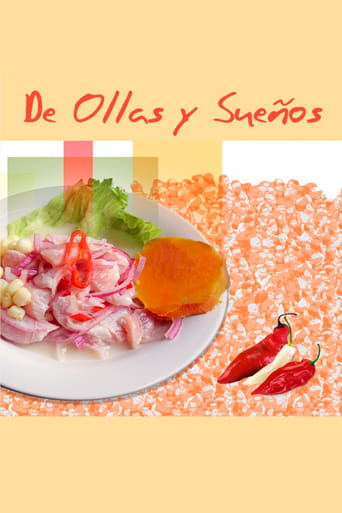
This documentary journeys to the kitchens of Peru's coast, highlands and jungle, as well as Peruvian expat communities in Paris, London, Amsterdam and New York for answers. From the most humble family kitchens to the poshest restaurants, from stories of pioneering Peruvian chefs abroad to those who preserve ancient recipes at home, we find that Peru's cuisine is deliciously integrating for its people, who have historically been marked by ethnic and economic differences. Renowned chefs such as Gaston Acurio, Ferran Adria, Juan Mari Arzak and Bernardo Roca Rey share their views on Peru's cuisine alongside those unsung chefs, who also dream of Peru's cuisine as a motor of development.
Cooking up dreams
2009
A musical journey bringing together international musicians—such as Branko, Matias Aguayo, and Dengue Dengue Dengue—at the Black Carnival in Chincha, the largest cultural event for Peru's Black community. The musicians are guided by the Ballumbrosio family, renowned local musicians who serve as a creative link between Afro-Peruvian tradition and the visiting artists.
Afro-Peruvian Beats
2017