

Acting
Arduíno Colassanti
Born — Died
1936-02-15 — 2014-02-22
Place of birth
Livorno, Italy
Known for
Acting
Credits
39 titles
Arduino Colasanti (Livorno, February 15, 1936 — Niterói, February 22, 2014) was an Italian-born Brazilian actor. With a 40-year span, Colassanti's mainly associated with films made during the 1960s an 1970s, under the Cinema Novo (Brazilian New Wave) movement. He's known for portraing the titular frenchman in 1971s "Como Era Gostoso o Meu Francês" (How Tasty Was My Little Frenchman). Seen as one of the main leading men of Cinema Novo by his distinguishable blond hair and blue eyes, during his career Colassanti was directed by filmmakers such as Nelson Pereira dos Santos, Leon Hirszman, Walter Lima Jr., Joaquim Pedro de Andrade, Tereza Trautman and Luiz Carlos Lacerda. Born in Livorno, It…
Known for
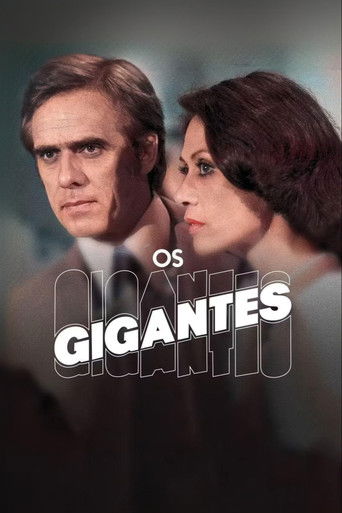 8.0
8.0No synopsis available yet.
Os Gigantes
1979
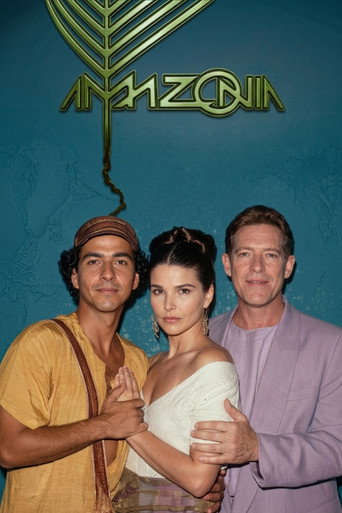 4.4
4.4No synopsis available yet.
Amazônia
1991
 8.3
8.3Brava Gente was a television series aired by TV Globo in Brazil between 2000 and 2003, initially as a special year-end. The program was adapted from stories and national stories, and plays by famous playwrights, screenwriters and signed by a number represented by several actors and actresses. The genres of the stories varied each week with the style of each director or author. Brava Gente in the stories ranged from comedies and dramas. In all 53 episodes were shown, broadcast on Tuesday nights.
Brava Gente
2000
 5.0
5.0American couple move to the State of Ceará, Brazil, in the 1930s. The husband is looking for oil. His beautiful wife, Donna, soon falls in love with a rude but charming fisherman. The forbidden romance may destroy her marriage and upset the morals of the small village where they live.
Bela Donna
1998
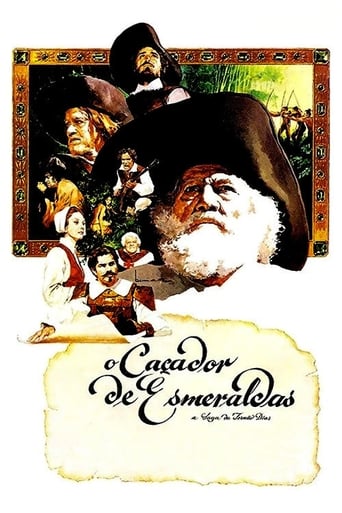 8.0
8.0The life of Fernão Dias, a 17th century Brazilian frontiersman known as "the Emerald Hunter".
O Caçador de Esmeraldas
1979
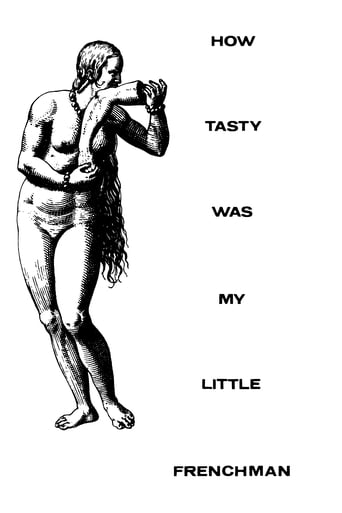 6.1
6.1In 1594 Brazil, a frenchman becomes a prisoner of the Tupinambás. While waiting to be executed, the foreigner learns the habits of the indigenous people and joins a woman who tries to help him escape.
How Tasty Was My Little Frenchman
1971
Film credits
2010s · 2 titles
 10.0
10.0No synopsis available yet.
Naquela Noite ele Sonhou com um Mar Azul
2010
 4.5
4.5In an empty city, scorched by the sun, the young and old confuse the fever of sunstroke with the delicate birth of passion. Like ghosts, they hover around buildings and endless flatlands in search of the ever elusive love. Inspired by 19th century Russian short stories, the plots weave and unravel together in the improbable city of Brasilia – a distorted mirror-image of the Soviet utopia – located in the heart of the Brazilian desert.
Sunstroke
2010
2000s · 3 titles
 5.1
5.1Deep in the Amazon rain forest, there is a lost subterranean city. The place was built by Vikings who crossed the Atlantic Ocean and ventured up the Amazon River, and shelters a mysterious treasure. In order to find the secret location, Bárbara and the children Riacho and Manhã will have to face many challenges. Vicious snakes and dangerous pendulum blades are only the beginning of our heroes' adventures.
Xuxa and The Treasure of the Lost City
2004
 6.0
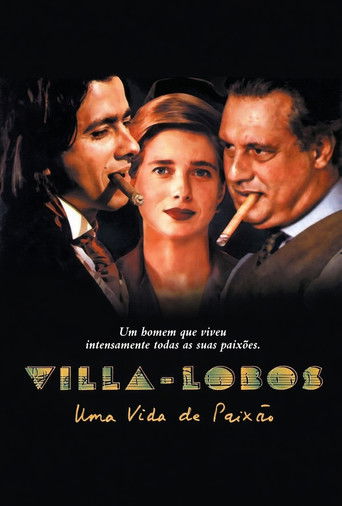
6.0The film tells the story of an intuitive, adventurous man who loved his country and being Brazilian. This man fought to be loyal to himself. His music is a transparent portrait of his genius, intuition, freedom, adventure and passion for Brazil.
Villa-Lobos: A Life of Passion
2000
 7.3
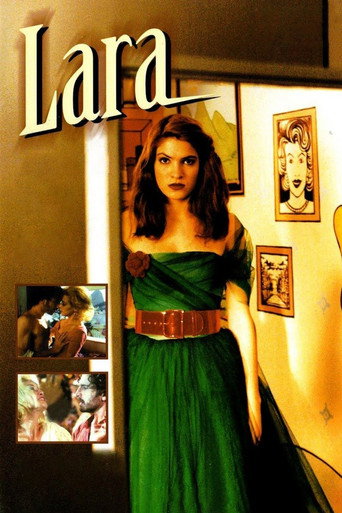
7.3The life of Brazilian actress Odete Lara, muse of the movement called Cinema Novo in Brazil, who exchanged stardom for a quiet and religious life.
Lara
2002
1990s · 4 titles
5.0American couple move to the State of Ceará, Brazil, in the 1930s. The husband is looking for oil. His beautiful wife, Donna, soon falls in love with a rude but charming fisherman. The forbidden romance may destroy her marriage and upset the morals of the small village where they live.
Bela Donna
1998
 NR
NR"Portraits and excerpts from Brazilian films from all times. Actors, directors and images that affirm cinema."
Celebração - 100 Anos do Cinema Nacional
1997
 6.6
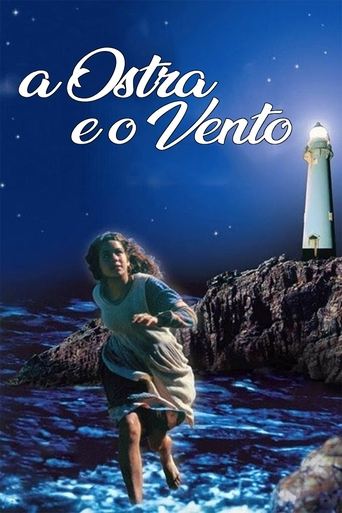
6.6A young girl named Marcela lives with her dad, Jose, a lighthouse keeper, and old Daniel on an island. The only contact the girl has with the world outside her home is by a boat with four sailors that pays a visit to the island in order to take them supplies. Daniel, who not only protects her from her dad's strictness but also teaches her how to be literate, is her source of tenderness. Her dad thinks she should be away from the world - though she wishes she could spend a few days in town. Then one day, as she has her first period and becomes a woman, she starts feeling sexuality through the blowing wind, which she talks to.
The Oyster and the Wind
1997
 10.0
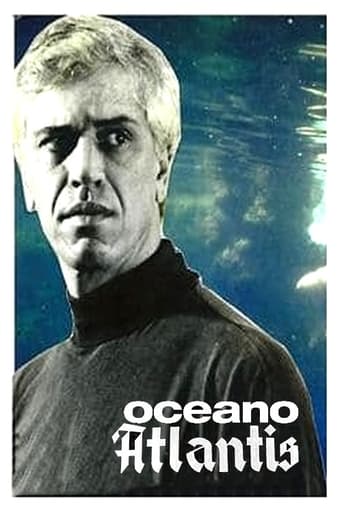
10.0In a Rio de Janeiro after the catastrophe, only the hills were immune to a flood that left the asphalt submerged. While the Navy is rationing provisions and some are sacrificing themselves to avoid starvation, a diver goes to the bottom of the sea and finds a submerged civilization there.
Oceano Atlantis
1993
1980s · 7 titles
 5.0
5.0Fantasy comedy about Brazilian writer Oswald de Andrade, one of the most important icons of Modernism in Brazil. In the film, Oswald is played by two actors: Ítala Nandi, as his feminine anima, and Flávio Galvão, as the masculine half.
The Brazilwood Man
1982
 10.0
10.0Enterprising youths live many adventures when they decide to start a business specializing in making video clips for rock groups.
Tropclip
1985
 5.7
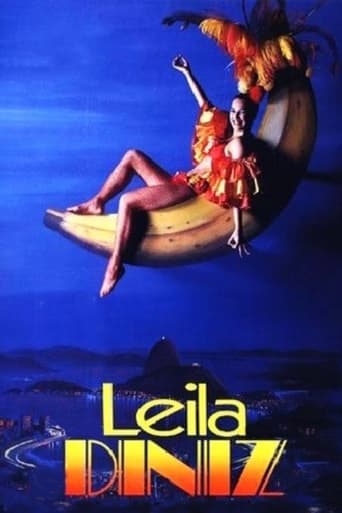
5.7The life of Brazilian actress Leila Diniz.
Leila Diniz
1987
 6.9
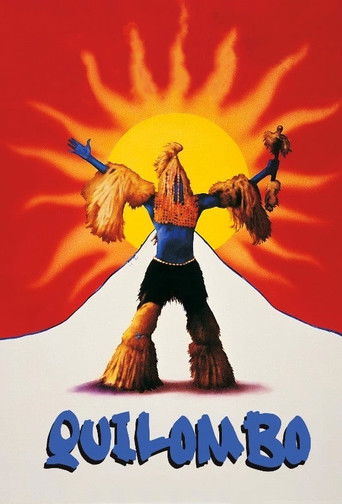
6.9Quilombo dos Palmares was a real-life democratic society, created in Brazil in the 17th century. This incredibly elaborate (and surprisingly little-known) film traces the origins of Quilombo, which began as a community of freed slaves. The colony becomes a safe harbor for other outcasts of the world, including Indians and Jews. Ganga Zumba (Toni Tornado) becomes president of Quilombo, the first freely elected leader in the Western Hemisphere. Naturally, the ruling Portuguese want to subjugate Zumba and his followers, but the Quilombians are ready for their would-be oppressors. The end of this Brave New World is not pleasant, but the followers of Zumba and his ideals take to the hills, where they honor his memory to this day. Writer/director Carlos Diegues takes every available opportunity to compare the rise and fall of Quilombo with the state of affairs in modern-day Brazil.
Quilombo
1984
 4.0
4.0Tereza tries to leave her past and forge her own destiny and happiness by going through several affairs.
After Eight... Forever
1987
No synopsis available yet.
Salvar o Brasil
1987
No synopsis available yet.
E Pluribus Una
1986
1970s · 12 titles
8.0The life of Fernão Dias, a 17th century Brazilian frontiersman known as "the Emerald Hunter".
O Caçador de Esmeraldas
1979
6.1In 1594 Brazil, a frenchman becomes a prisoner of the Tupinambás. While waiting to be executed, the foreigner learns the habits of the indigenous people and joins a woman who tries to help him escape.
How Tasty Was My Little Frenchman
1971
 9.0
9.0No synopsis available yet.
Uma Garota em Maus Lençóis
1970
 6.0
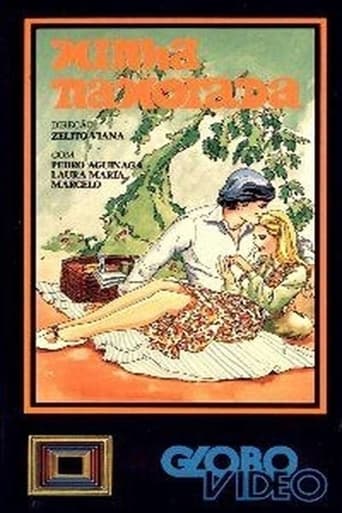
6.0Middle-class teenage girl has a serious boyfriend that her parents approve of. Suddenly, she meets another boy with whom she is shown to have a greater identification.
Minha Namorada
1970
 4.7
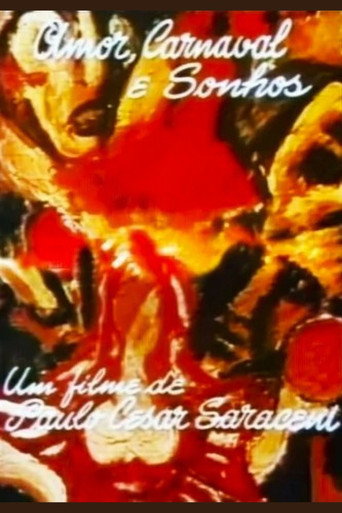
4.7On Carnival's eve, girl dreams of a man to stay with her during these four days. She meets a photographer, with whom she has an affair.
Love, Carnival and Dreams
1972
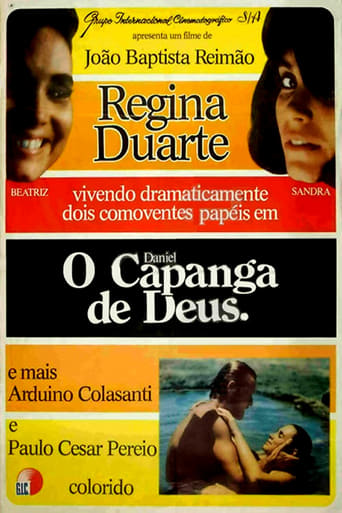 9.0
9.0No synopsis available yet.
Daniel, Capanga de Deus
1978
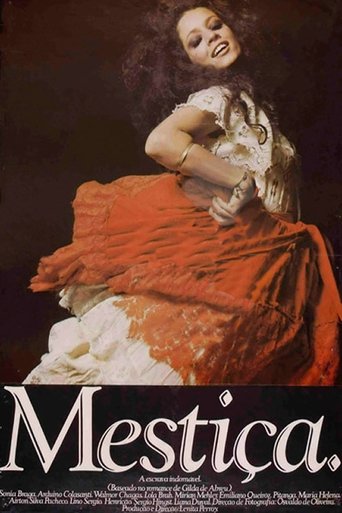 9.0
9.0On a farm in rural Brazil in the 18th century, a new overseer arrives. He falls in love with one of the enslaved women, Mestiça, beloved by all the men. When a pair of silver earrings disappears from the farm and the overseer orders the leader of the enslaved women arrested, Mestiça decides to take revenge.
Mestiça, a Escrava Indomável
1974
 5.4
5.4The critical success in France of How Tasty Was My Little Frenchman made possible dos Santos’ delirious science-fiction vision of free love in a post-apocalyptic wilderness besieged by flesh hungry zombies contaminated by an unnamed nuclear attack. Who is Beta? follows two statuesque survivors drawn irresistibly together only to be entranced by the arrival and sudden disappearance of a third, the bewitching raven haired Beta. With its cartoon-like depiction of extreme violence and desire, Who is Beta? offers a heady Pop-infused companion to Hunger for Love. Yet beneath its giddy play of surfaces, dos Santos' underappreciated film gradually reveals a darkly ambiguous metaphoric dimension. -Harvard Film Archive
Who Is Beta?
1972
 10.0
10.0No synopsis available yet.
Procura-se uma Virgem
1972
 6.3
6.3Father Simão Bacamarte arrives in the small town of Serafim to investigate a certain phenomenon of madness.
The Alienist
1970
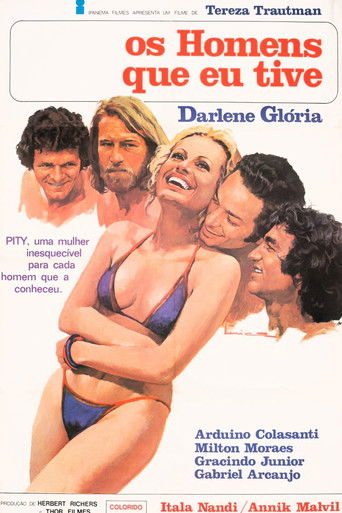 4.9
4.9Married woman only feels well when she's in love. In search of a ravishing love, she has many love affairs, with her husband's consent.
The Men I Had
1973
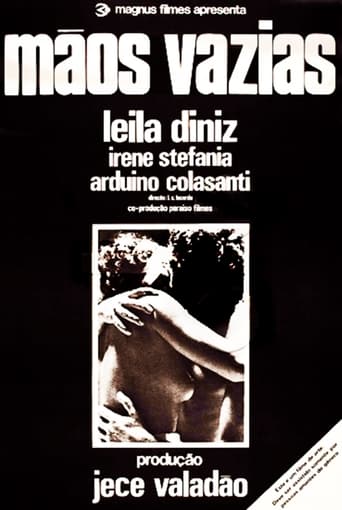 5.0
5.0In a small town in the State of Minas Gerais, Brazil, a woman rebels against local morality after her child dies, with tragic results.
Mãos Vazias
1971
1960s · 8 titles
 6.3
6.3Chronicles the life of a 17 year-old girl living in the upper-class Rio de Janeiro neighbourhood of Ipanema. Márcia lives a life of parties and spend her days among bohemians, musicians and intellectuals. While seeming happy in the outside, she's extremely anguished inside. Based on the famous song by Antonio Carlos Jobim and Vinicius de Moraes.
The Girl from Ipanema
1967
 7.5
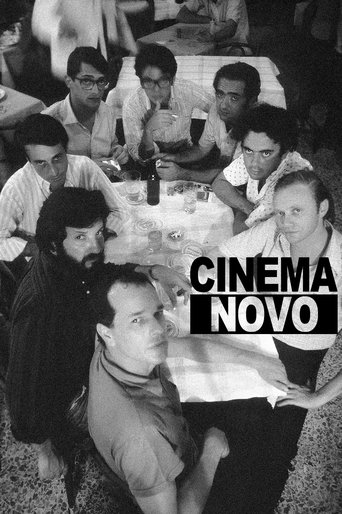
7.5Originally produced for German TV, Improvised and Purposeful is a firsthand look at the "Cinema Novo" movement (otherwise known as the 'Brazilian New Wave'). Director Joaquim Pedro de Andrade focuses on six Cinema Novo filmmakers working in Rio in 1967.
Improvised and Purposeful: Cinema Novo
1967
 10.0
10.0A soap opera idol, lonely despite his fame and wealth, seeks a woman for companionship. He becomes interested in Míriam, a mysterious character who causes him countless setbacks. He's inclined to marry Carolina, his 19-year-old neighbor, who spends her time playing waltzes on the piano. However, all of Míriam's adventures will pale in comparison to the discoveries he will make in intimacy with Carolina, the sweet woman he loves.
A Doce Mulher Amada
1969
 10.0
10.0No synopsis available yet.
A Virgem Prometida
1968
 6.6
6.6Year 2000. Brazil was partially devastated by the Third World War. An immigrant family arrives in a small town, which they call "I Forgot." The trio is recruited by an indigenist to pretend to be indigenous during the visit of a general. In the dilemma of integrating into the system or preserving individual freedom, the family moves toward disintegration as the city prepares to launch a space rocket.
Brazil Year 2000
1969
 5.1
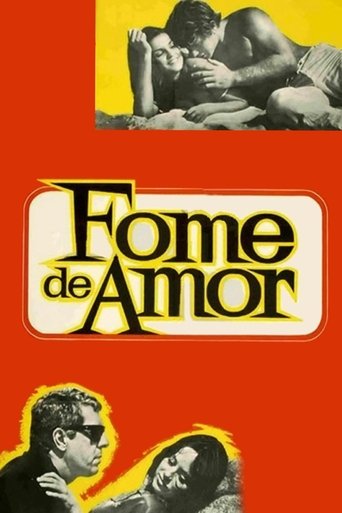
5.1An extended research tour of US university film programs introduced dos Santos to the American avant-garde filmmakers, among them Jonas Mekas and Stan Brakhage, who would directly inspire his formally radical adaptation of an allegorical short story about adultery and colonialism by Guilherme de Figueiredo. Filmed in both Manhattan and Brazil and set against the background of the Vietnam War and its protests, Hunger for Love uses a rigorously abstract soundtrack and narrative structure to evoke the acute paranoia of the period building up to the December 1968 military coup that tipped Brazil perilously close to a conservative dictatorship. With its harsh critique of the decadent tendencies of the Sixties counterculture, Hunger for Love offers a key expression of the self-consciously “ideological” phase of Cinema Novo. -Harvard Film Archive
Hunger for Love
1968
 10.0
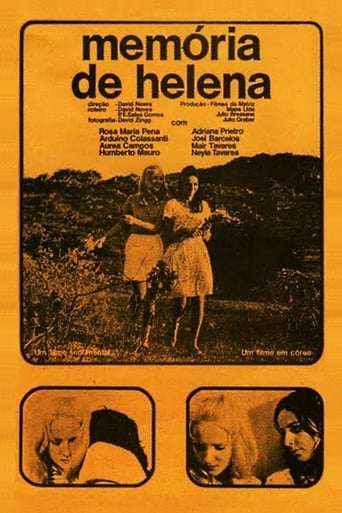
10.0Couple whose marriage is at stake delve into the past, with the help of a diary and some home movies. In these movies, Helena, the woman's suicidal friend, has an important role.
Memories of Helen
1969
 5.9
5.9A shockingly irreverent follow-up to the rural austerity of Barren Lives, dos Santos’ Godardian social satire owes more than a nod to the self-conscious antics of the French New Wave. The pampered son of a general, El Justicero is a hipster playboy who fancies himself a James Bond/Jean Paul Sartre urban hero. “Archetypical” yet “full of contradictions,” he sees that justice is achieved for the disadvantaged while taking advantage of certain bourgeois perks. His exploits are closely followed and eventually directed by his biographer who decides a film is not only more lucrative than a book, but it gives him the luxury of reviewing previous scenes. Unlike Bond, El Jus eventually experiences an awakening which threatens to compromise the entertainment value and glamour of his life story. - Harvard Film Archive
El Justicero
1967
Series credits
8.0No synopsis available yet.
Os Gigantes
1979
4.4No synopsis available yet.
Amazônia
1991
8.3Brava Gente was a television series aired by TV Globo in Brazil between 2000 and 2003, initially as a special year-end. The program was adapted from stories and national stories, and plays by famous playwrights, screenwriters and signed by a number represented by several actors and actresses. The genres of the stories varied each week with the style of each director or author. Brava Gente in the stories ranged from comedies and dramas. In all 53 episodes were shown, broadcast on Tuesday nights.
Brava Gente
2000