
Directing
Euzhan Palcy
Born
1958-01-13 (68)
Place of birth
Martinique, French West Indies
Known for
Directing
Credits
24 titles
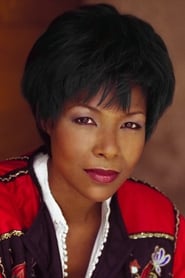
Born January 13, 1958, in Martinique, French West Indies, Euzhan Palcy is a leader for black people, especially black women, in cinema. She is a screenwriter, producer and director. After studying the likes of Billy Wilder and Orson Welles and receiving a few degrees, including one from Louis Lumière College, she directed her first feature, Sugar Cane Alley (1983), in Paris for less than a million dollars. The film is about an impoverished black family making sacrifices for a young boy on a plantation in Martinique during the 1930s. It won numerous awards internationally, among them the César Award and the Venice Film Festival Silver Lion. Palcy's second feature, A Dry White Season (1989), e…
Known for
 6.7
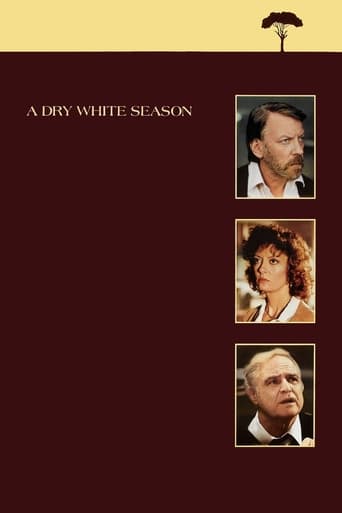
6.7During the 1976 Soweto uprising, a white school teacher's life and values are threatened when he asks questions about the death of a young black boy who died in police custody.
A Dry White Season
1989
 8.0
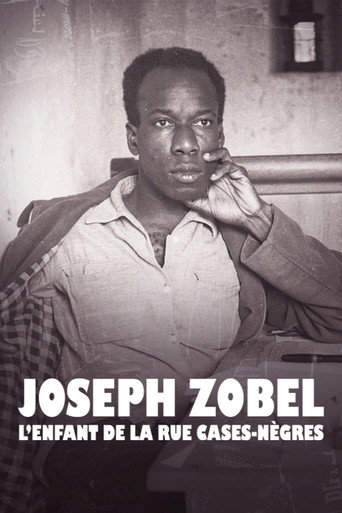
8.0No synopsis available yet.
Joseph Zobel, l'Enfant de la Rue Cases-Nègres
2025
 6.2
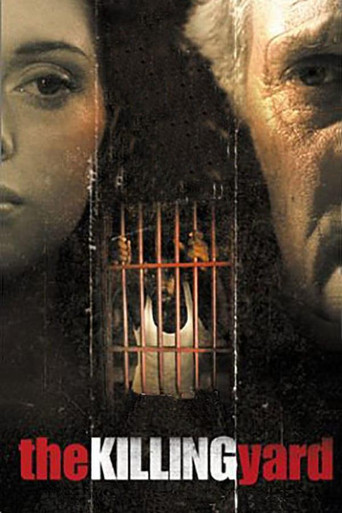
6.2Lawyers must defend a prisoner accused of murdering two of his inmates during the Attica prison riots in 1971.
The Killing Yard
2001
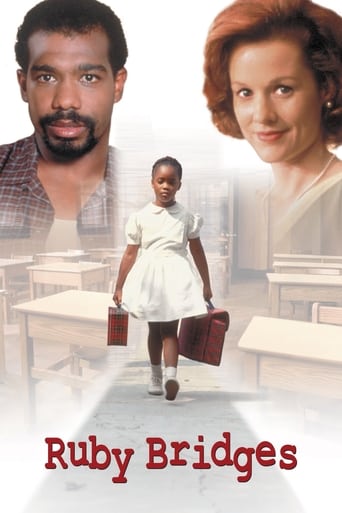 6.8
6.8When six-year-old Ruby Bridges is chosen to be the first African-American to integrate her local elementary school, she is subjected to the true ugliness of racism for the first time.
Ruby Bridges
1998
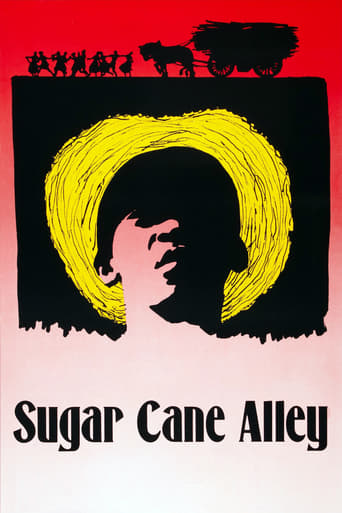 6.8
6.8Martinique, in the early 1930s. Young José and his grandmother live in a small village. Nearly everyone works cutting cane and barely earning a living. The overseer can fine a worker for the smallest infraction. The way to advance is to do well in school. José studies hard and succeeds in an exam allowing him to attend school in the capital. With only a partial scholarship, the tuition is very costly. José and his grandmother move to Fort-de-France to make José's studies easier...
Sugar Cane Alley
1983
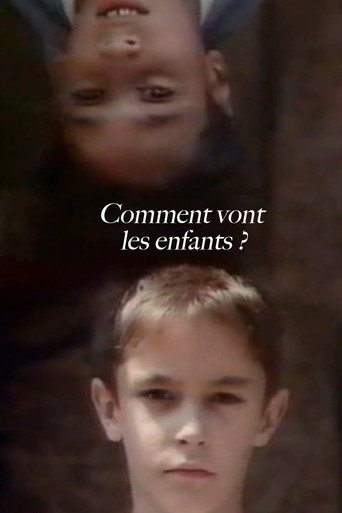 8.0
8.0A UNICEF-sponsored six-film anthology depicting childhood horrors around the world. "Hassane" - a malnourished child in Niger needs help from the doctors, but village traditions prohibit it. "Liouba" - a child escapes to the forest after a beating by his alcoholic mother, but the games he plays in the forest mirror his troubles at home. "Boy" - a child faces discrimination as the only white student at his school. "Carmelo" - in Bogota a child living on the streets fights to survive. "Oca" - when his twelve year old brother dies free-diving in the Philippines, seven year old Oca must take his place on the job. "L'enfance de l'art" - children living and playing in a war zone are touched by violence.
How Are The Kids?
1992
Film credits

2000s · 2 titles

1980s · 1 titles
Behind the camera
6.7During the 1976 Soweto uprising, a white school teacher's life and values are threatened when he asks questions about the death of a young black boy who died in police custody.
A Dry White Season
1989
6.7During the 1976 Soweto uprising, a white school teacher's life and values are threatened when he asks questions about the death of a young black boy who died in police custody.
A Dry White Season
1989
6.2Lawyers must defend a prisoner accused of murdering two of his inmates during the Attica prison riots in 1971.
The Killing Yard
2001
6.8When six-year-old Ruby Bridges is chosen to be the first African-American to integrate her local elementary school, she is subjected to the true ugliness of racism for the first time.
Ruby Bridges
1998
6.8Martinique, in the early 1930s. Young José and his grandmother live in a small village. Nearly everyone works cutting cane and barely earning a living. The overseer can fine a worker for the smallest infraction. The way to advance is to do well in school. José studies hard and succeeds in an exam allowing him to attend school in the capital. With only a partial scholarship, the tuition is very costly. José and his grandmother move to Fort-de-France to make José's studies easier...
Sugar Cane Alley
1983
6.8Martinique, in the early 1930s. Young José and his grandmother live in a small village. Nearly everyone works cutting cane and barely earning a living. The overseer can fine a worker for the smallest infraction. The way to advance is to do well in school. José studies hard and succeeds in an exam allowing him to attend school in the capital. With only a partial scholarship, the tuition is very costly. José and his grandmother move to Fort-de-France to make José's studies easier...
Sugar Cane Alley
1983
8.0A UNICEF-sponsored six-film anthology depicting childhood horrors around the world. "Hassane" - a malnourished child in Niger needs help from the doctors, but village traditions prohibit it. "Liouba" - a child escapes to the forest after a beating by his alcoholic mother, but the games he plays in the forest mirror his troubles at home. "Boy" - a child faces discrimination as the only white student at his school. "Carmelo" - in Bogota a child living on the streets fights to survive. "Oca" - when his twelve year old brother dies free-diving in the Philippines, seven year old Oca must take his place on the job. "L'enfance de l'art" - children living and playing in a war zone are touched by violence.
How Are The Kids?
1992
 10.0
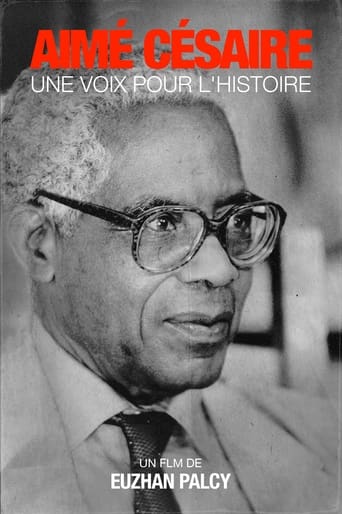
10.0A three-part study that introduces audiences to the celebrated Martinican author Aimé Césaire, who coined the term "négritude" and launched the movement called the "Great Black Cry".
Aimé Césaire: A Voice for History
1995
10.0A three-part study that introduces audiences to the celebrated Martinican author Aimé Césaire, who coined the term "négritude" and launched the movement called the "Great Black Cry".
Aimé Césaire: A Voice for History
1995
 NR
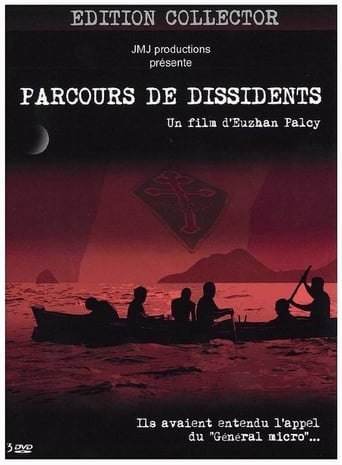
NRThe forgotten history of "dissidents", the men and women of Martinique and Guadeloupe who left their islands between 1940 and 1943. The film features interviews with those in the resistance who tell their stories with passion, humility and humor.
Journey of the Dissidents
2006
NRThe forgotten history of "dissidents", the men and women of Martinique and Guadeloupe who left their islands between 1940 and 1943. The film features interviews with those in the resistance who tell their stories with passion, humility and humor.
Journey of the Dissidents
2006
 8.0
8.0In a small fishing village in the West Indies, the children believe they see, in a strange cabin located on the way to the school, a devil.
The Devil's Workshop
1981
 6.2
6.2The ghost of a music teacher pushes a young mechanic to start a career in music.
Siméon
1992
6.2The ghost of a music teacher pushes a young mechanic to start a career in music.
Siméon
1992
6.2The ghost of a music teacher pushes a young mechanic to start a career in music.
Siméon
1992
Her first picture, La Messagère (The Messenger, 1975), made by Palcy before she left for Paris, allowed people from Martinique to see themselves for the first time on television as complex characters.
The Messenger
1975
Her first picture, La Messagère (The Messenger, 1975), made by Palcy before she left for Paris, allowed people from Martinique to see themselves for the first time on television as complex characters.
The Messenger
1975