

Acting
Laura Bayley
Born — Died
1862-02-04 — 1938-10-25
Place of birth
Ramsgate, Kent, England, UK
Known for
Acting
Credits
11 titles
Laura Eugenia Bayley (4 February 1862 – 25 October 1938) was a British actress and filmmaker, active in the Brighton School of early cinema pioneers. Born in Ramsgate, Bayley performed onstage in Victorian burlesques, revues, and pantomimes, often with her three sisters. After marrying the showman George Albert Smith, she entered the world of early experiments with motion picture film; she played main roles in many of the most important films Smith made between 1897 and 1903, including The Kiss in the Tunnel (1899) and Mary Jane's Mishap (1903). Behind the camera, Bayley likely played a significant hand in the creative development of Smith's fiction films, and may have directed some of thos…
Known for
 NR
17 self-taught directors come together to give new meaning to their work in the form of 20 new episodes that are part of the feature film "Noisy Silencers", an extrasensory video experience that takes us on a journey through the history of cinema, from the 1880s to the present in a tangle of deliriums of the seventh art.
Noisy Silencers
2024
 5.8
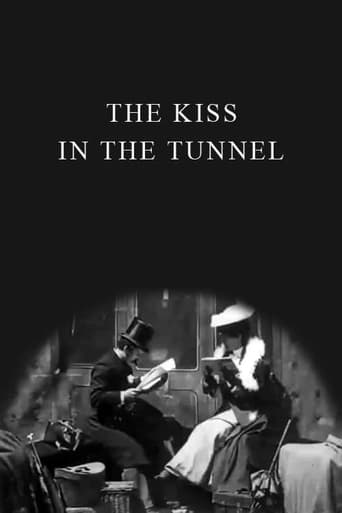
Produced and directed by George Albert Smith, the film shows a couple sharing a brief kiss as their train passes through a tunnel. The Kiss in the Tunnel is said to mark the beginnings of narrative editing. It is in fact, two films in one, hence the 2 min length. Firstly, the G.A. Smith film here for the central cheeky scene in the carriage. The train view footage however is Cecil Hepworth's work, entitled 'View From An Engine Front - Shilla Mill Tunnel', edited into two halves in order to provide a visual narrative of the train entering the tunnel before the kiss and then leaving afterwards. More information about the filming of the phantom train ride can be found searching for the Hepworth film separately.
The Kiss in the Tunnel
1899
 3.7
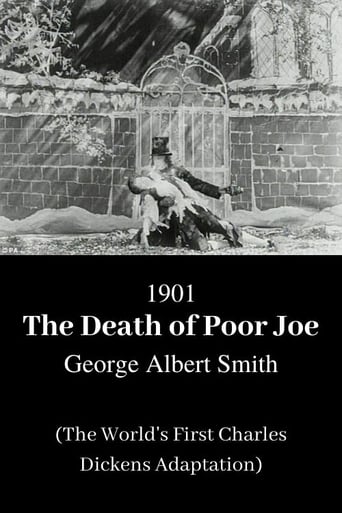
A scene from Charles Dickens' Bleak House. Despite the common belief, this is NOT the world's first Dickens' adaptation in cinema.
The Death of Poor Joe
1900
 5.5
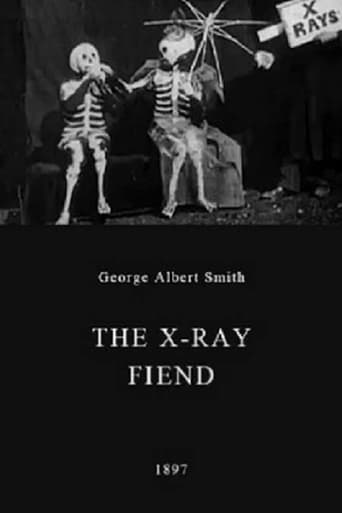
A romantic couple are transformed into skeletons via X-Rays. The film combines two very recent innovations: Wilhelm Roentgen's discovery of X-rays in 1895, and Georges Méliès' accidental realisation of the special-effects potential of the jump-cut in 1896.
The X-Ray Fiend
1897
 6.2
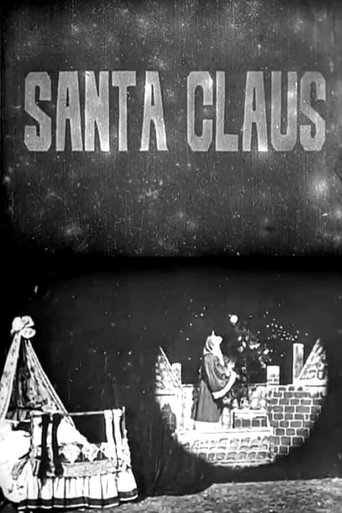
Santa arrives at a house on Christmas Eve to deliver his presents for the children.
Santa Claus
1898
 5.7
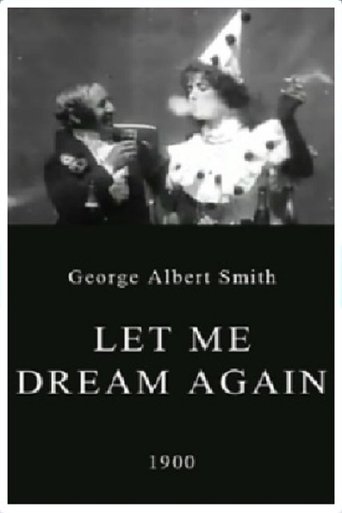
Possibly the first film to utilize the technique of focus pulling. A man kisses a beautiful and lively woman, then the image blurs and dissolves into a clear image of the man waking up to his nagging wife.
Let Me Dream Again
1900
Film credits
1900s · 5 titles
3.7A scene from Charles Dickens' Bleak House. Despite the common belief, this is NOT the world's first Dickens' adaptation in cinema.
The Death of Poor Joe
1900
5.7Possibly the first film to utilize the technique of focus pulling. A man kisses a beautiful and lively woman, then the image blurs and dissolves into a clear image of the man waking up to his nagging wife.
Let Me Dream Again
1900
 5.7
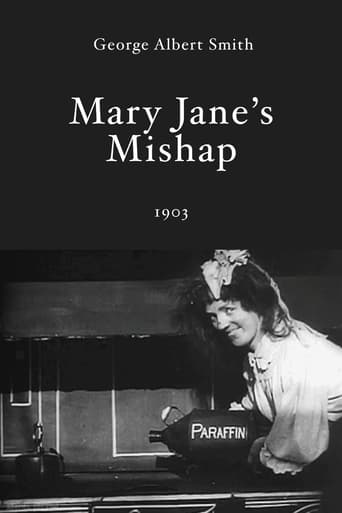
Mary Jane tries to light the oven. When she's unsuccessful, she plays around, getting black boot polish on her face. She mugs before a mirror. Then, it's back to work. When the stove still won't light, she pours in paraffin, winks at the camera, and lights a match. Kaboom! Is there any rest for the foolish, even in the grave?
Mary Jane's Mishap
1903
 4.7
A male and female clown drink, smoke, and flirt in this early Kinemacolor short.
Two Clowns
1906
 4.3
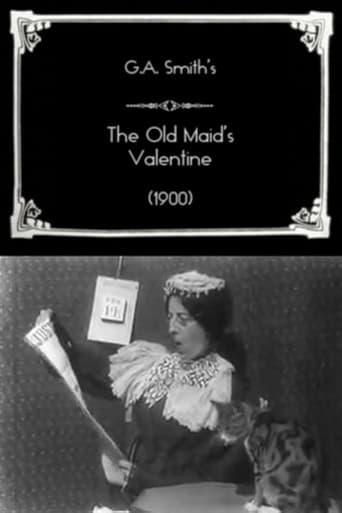
An old spinster receives an unexpected Valentine's letter.
The Old Maid's Valentine
1900
1890s · 5 titles
5.8Produced and directed by George Albert Smith, the film shows a couple sharing a brief kiss as their train passes through a tunnel. The Kiss in the Tunnel is said to mark the beginnings of narrative editing. It is in fact, two films in one, hence the 2 min length. Firstly, the G.A. Smith film here for the central cheeky scene in the carriage. The train view footage however is Cecil Hepworth's work, entitled 'View From An Engine Front - Shilla Mill Tunnel', edited into two halves in order to provide a visual narrative of the train entering the tunnel before the kiss and then leaving afterwards. More information about the filming of the phantom train ride can be found searching for the Hepworth film separately.
The Kiss in the Tunnel
1899
5.5A romantic couple are transformed into skeletons via X-Rays. The film combines two very recent innovations: Wilhelm Roentgen's discovery of X-rays in 1895, and Georges Méliès' accidental realisation of the special-effects potential of the jump-cut in 1896.
The X-Ray Fiend
1897
6.2Santa arrives at a house on Christmas Eve to deliver his presents for the children.
Santa Claus
1898
 5.6
An adaptation of the folk tale.
Cinderella
1898
 5.0
Lovers are comically interrupted
Hanging Out the Clothes
1897