

Directing
Ted Peshak
Born — Died
1917-12-22 — 2006-10-09
Place of birth
Plymouth, Iowa
Known for
Directing
Credits
26 titles
Ted Peshak was born Theodore Joseph Peshak on Dec. 22, 1917, in Plymouth, Iowa. He was the house director for Coronet Instructional Media, a major producer of the genre known as "classroom training films", in the 1940s and 1950s. Many of the actors appearing in his films were his family, friends and neighbors from Libertyville, IL, where he lived. He was trained as a journalist at the University of Iowa and was a photographer during his Army service during World War II, and also photographed and directed training films during his army hitch. After working at a variety of jobs, including an advertising agency, he went to work for Coronet as a director, his debut there being Shy Guy (1947) (i…
Known for
 3.8
In the 1950s, Jeff and Marie ponder "going steady." What it means, whether the advantages outweigh the disadvantages, and whether or not they've actually been doing it for some time without realizing it.
Going Steady?
1951
 4.2
The issue of popularity, specifically amongst the high school set, is dramatized.
Are You Popular?
1947
 3.9
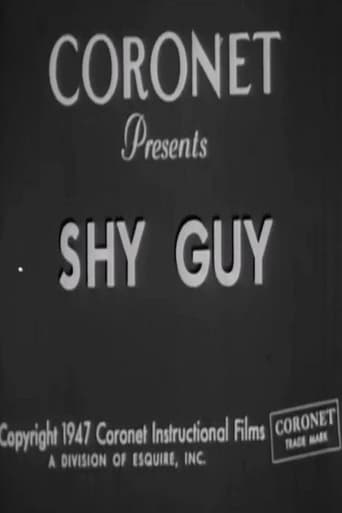
Phil, a student who recently transferred into his high school, keeps to himself a lot, spending time in his basement building radios and record players. His dad notices that he has no friends, and tells him that, like the electronic parts he assembles, "you have to fit in with all hte other parts." Realizing that the reason he has no friends is because he's not one of the "crowd," Phil studies the most popular kids at school, in order to see what traits they admire most, so he can be like them and fit in.
Shy Guy
1947
 7.0
Impossible drama proving that proper management of schedules, responsibilities, privileges and finances leads to a happier home.
Family Life
1949
Bob used to be a loner, keeping to himself and thinking "my own thoughts"--until he meets Joe, a "sincere and real" young man who befriends Bob, and several other local boys, and together they form a group of happy young teens. Joe eventually wins a trip to the state capital by turning in the winning essay on Junior Citizenship in a contest, and Bob and the other boys learn of the rewards of friendship--which are, apparently, that all the hard work you put in on a project results in someone else getting a trip to the state capitol.
Developing Friendships
1950
 5.5
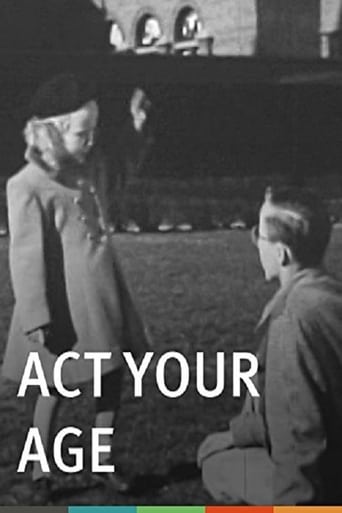
An educational short: after Jim is caught vandalizing school property his principal instructs him on emotional maturity.
Act Your Age (Emotional Maturity)
1949
Film credits
Behind the camera
3.8In the 1950s, Jeff and Marie ponder "going steady." What it means, whether the advantages outweigh the disadvantages, and whether or not they've actually been doing it for some time without realizing it.
Going Steady?
1951
4.2The issue of popularity, specifically amongst the high school set, is dramatized.
Are You Popular?
1947
4.2The issue of popularity, specifically amongst the high school set, is dramatized.
Are You Popular?
1947
3.9Phil, a student who recently transferred into his high school, keeps to himself a lot, spending time in his basement building radios and record players. His dad notices that he has no friends, and tells him that, like the electronic parts he assembles, "you have to fit in with all hte other parts." Realizing that the reason he has no friends is because he's not one of the "crowd," Phil studies the most popular kids at school, in order to see what traits they admire most, so he can be like them and fit in.
Shy Guy
1947
7.0Impossible drama proving that proper management of schedules, responsibilities, privileges and finances leads to a happier home.
Family Life
1949
Bob used to be a loner, keeping to himself and thinking "my own thoughts"--until he meets Joe, a "sincere and real" young man who befriends Bob, and several other local boys, and together they form a group of happy young teens. Joe eventually wins a trip to the state capital by turning in the winning essay on Junior Citizenship in a contest, and Bob and the other boys learn of the rewards of friendship--which are, apparently, that all the hard work you put in on a project results in someone else getting a trip to the state capitol.
Developing Friendships
1950
5.5An educational short: after Jim is caught vandalizing school property his principal instructs him on emotional maturity.
Act Your Age (Emotional Maturity)
1949
 7.0
Coronet Instructional Media and Ted Peshak helping you choosing your occupation.
Choosing Your Occupation
1949
 9.0
Two young boys are taught the value of teamwork and the effectiveness of putting the group's welfare ahead of their own.
Good Sportsmanship
1950
 6.2
Chuck, a young loner, is invited by a neighbor to a dinner party, but turns it down. He finds himself visited by "Chuck of the future"--himself at age 21. "Chuck of the future" knows the reason the current Chuck doesn't want to go to the party--he's embarrassed over his poor table manners. "Chuck of the future" decides to give "Chuck of the present" some tips on proper table etiquette.
Good Table Manners
1951
 3.1
A boy realizes that he could help his parents by doing things around the house.
Appreciating Our Parents
1950
 4.0
A shy teen wants to ask out a girl on a date - but how can he know what she'd like to do, or what kind of activity would be best suited for getting to know her?
What to Do on a Date
1951
 4.4
It's 1950 and a young woman asks her mother what love is.
How Do You Know It's Love?
1950
 6.5
Billy and his mother attend his classroom's presentation on manners and courtesy. Through Billy's illustrations, we learn about simple gestures that make life with other people more tolerable. However, it seems most of the children's parents didn't bother to attend the politeness exhibit.
Everyday Courtesy
1948
 NR
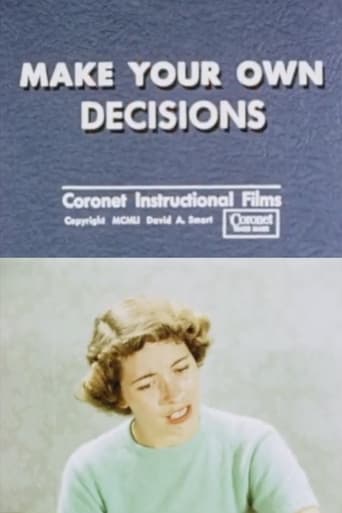
Once you're old enough to make decisions for yourself, how exactly do you go about doing it? How can you really know which choice is best for you?
Make Your Own Decisions
1951
 7.0
Joey is a withdrawn little boy who prefers to be by himself than go out and make friends. His mother, deciding that it's not healthy for him to by alone so much, sets out to teach Joey how to make friends with people.
The Fun of Making Friends
1950
A young man who needs money to buy a typewriter gets a job in a bookstore. He finds out that work cuts into his social life, and is torn between quitting his job so he can have some fun, and his need for money.
Earning Money While Going to School
1950
 NR
Biology teacher shows pupils how they react differently to same situation. Discusses what emotions are, what they do, where they come from, and how they are changed. Effects of emotions on voluntary and involuntary behavior.
Understand Your Emotions
1950
A young couple go out on a first date, while a narrator explains the standards of behavior expected of both the boy and girl, and gives tips on how to make the best impression.
Date Etiquette
1952
Billy is a young boy who, when he gets dirty, runs in his house and washes every square inch of his body. The narrator contrasts that with Billy's friend Jerry, who is sick in bed because "he didn't wash."
How Billy Keeps Clean
—
A group of local youngsters are angry that the vacant lot where they used to play baseball has been placed off limits to them by the city. A neighbor shows them how to go through the proper channels to get the city government to help them resolve their problem to the satisfaction of all concerned.
Are You a Good Citizen?
1949
 9.0
Three problem-plagued teens are shown how to solve their physical and emotional problems by joining the Acrobatics Club and learning teamwork and "the right kind of exercise."
Exercise and Health
1949
Joe, a college student, decides it's about time for him to get married and settle down. He's drawn to two girls: Ann, a "sophisticated" coed who is so independent that--horrors!--she doesn't even go to church anymore, or Elsie, the sweet young thing he left at home (take a wild guess which one he winds up with).
Choosing Your Marriage Partner
1952
A helpful little film that teaches you how to get what you want.
Improve Your Personality
1951
 10.0
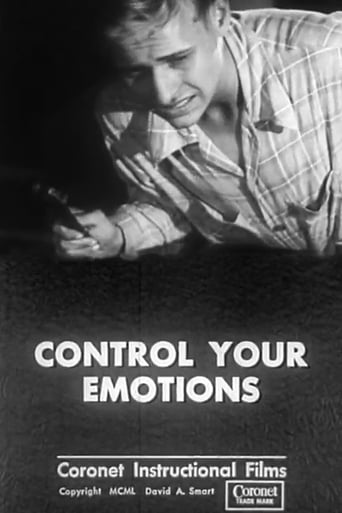
Jeff Moore, a high school student, has trouble controlling his emotions. An expert in the subject (though it's never explained who he is or what he's an expert in) assures the audience that Jeff's problems stem from the fact that he lets his emotions escape, instead of reining them in like everyone is supposed to. At the end, Jeff realizes that he must not let his emotions get in the way of logic and reason, and goes to a marshmallow roast with the gang.
Control Your Emotions
1950