
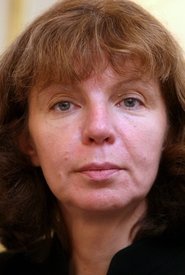
Directing
Laila Pakalnina
Born
1962-06-04 (64)
Place of birth
Liepaja, Latvian SSR, USSR [now Latvia]
Known for
Directing
Credits
41 titles
Laila Pakalniņa is a Latvian art-house filmmaker. She graduated from the Moscow Film Institute (VGIK), Department of Film Direction, in 1991. A director and scriptwriter of 31 documentaries, 5 shorts, and 5 fiction features, altogether she has 41 films, 2 children, 1 husband, 2 dogs and 2 bicycles. Her films have screened in official programmes at Cannes, Venice, Berlinale, Locarno, Karlovy Vary, Rome and other international festivals, where they have won numerous awards.
Known for
 8.0
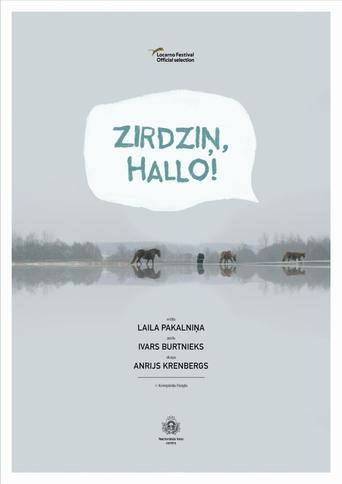
8.0A film about everything changing while remaining the same. Or rather – everything remaining the same while changing. We observed this (and wanted to share) while standing (standing regularly and for a long time) on a road rather close to the Eastern border of Latvia, because we followed the suggestion of the locals who asked to shoot “that horrible road”.
Hello, Horse!
2017
 6.6
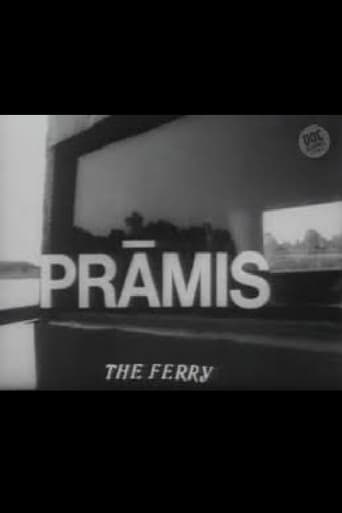
6.6The ferry crosses the river, transporting people from one shore to the other, from one country to another. It runs year round, never stopping. The footage was filmed on the Latvian-Belarussian border in the early 1990s - a time when the Soviet Union began to crumble and Latvia regained its independence.
The Ferry
1994
 NR
NRA film about a plastic spoon and a society that has reached a high level of development – oil is being retrieved from subterranean depths, transported to processing plants, turned into plastic, transported to another plant, where it acquires the shape of a spoon, transported to convenience stores, where we buy it, and is then soon tossed into the trash. In other words, this is a film about the efforts put into making a spoon that can be thrown away so effortlessly.
Spoon
2019
 9.0
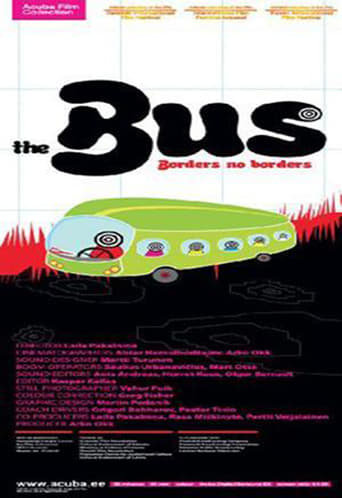
9.0This documentary follows a bustrip from Tallinn to Kaliningrad. A route that was so common in the Soviet times now passes through 4 different countries and crosses 3 different borders.
Bus
2004
 NR
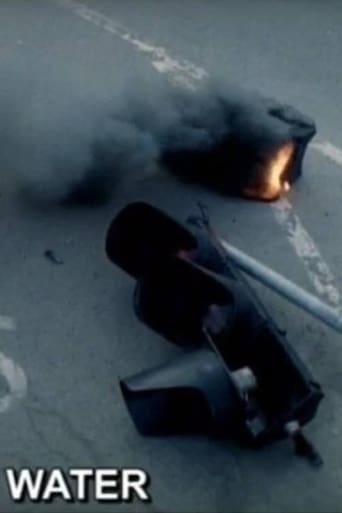
NRMaria decides to go for a swim in the pool even though it looks deserted and she’s warned that the water is cold. When she gets into the pool she is faced with not only the frigid water, but with her other feelings as well. Like fear.
The Water (Elements)
2006
 5.1
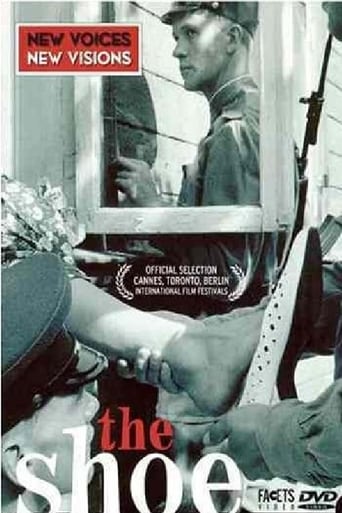
5.1The late 1950s. Every night, Soviet tractors comb the coast of Latvia looking for signs of anyone who could have infiltrated the Soviet border from the sea. One morning, three Soviet patrolmen discover a woman’s shoe in the sand and footsteps leading to the quaint little village of Liepaja.
The Shoe
1998
Film credits
Behind the camera
8.0A film about everything changing while remaining the same. Or rather – everything remaining the same while changing. We observed this (and wanted to share) while standing (standing regularly and for a long time) on a road rather close to the Eastern border of Latvia, because we followed the suggestion of the locals who asked to shoot “that horrible road”.
Hello, Horse!
2017
8.0A film about everything changing while remaining the same. Or rather – everything remaining the same while changing. We observed this (and wanted to share) while standing (standing regularly and for a long time) on a road rather close to the Eastern border of Latvia, because we followed the suggestion of the locals who asked to shoot “that horrible road”.
Hello, Horse!
2017
8.0A film about everything changing while remaining the same. Or rather – everything remaining the same while changing. We observed this (and wanted to share) while standing (standing regularly and for a long time) on a road rather close to the Eastern border of Latvia, because we followed the suggestion of the locals who asked to shoot “that horrible road”.
Hello, Horse!
2017
6.6The ferry crosses the river, transporting people from one shore to the other, from one country to another. It runs year round, never stopping. The footage was filmed on the Latvian-Belarussian border in the early 1990s - a time when the Soviet Union began to crumble and Latvia regained its independence.
The Ferry
1994
6.6The ferry crosses the river, transporting people from one shore to the other, from one country to another. It runs year round, never stopping. The footage was filmed on the Latvian-Belarussian border in the early 1990s - a time when the Soviet Union began to crumble and Latvia regained its independence.
The Ferry
1994
NRA film about a plastic spoon and a society that has reached a high level of development – oil is being retrieved from subterranean depths, transported to processing plants, turned into plastic, transported to another plant, where it acquires the shape of a spoon, transported to convenience stores, where we buy it, and is then soon tossed into the trash. In other words, this is a film about the efforts put into making a spoon that can be thrown away so effortlessly.
Spoon
2019
NRA film about a plastic spoon and a society that has reached a high level of development – oil is being retrieved from subterranean depths, transported to processing plants, turned into plastic, transported to another plant, where it acquires the shape of a spoon, transported to convenience stores, where we buy it, and is then soon tossed into the trash. In other words, this is a film about the efforts put into making a spoon that can be thrown away so effortlessly.
Spoon
2019
NRA film about a plastic spoon and a society that has reached a high level of development – oil is being retrieved from subterranean depths, transported to processing plants, turned into plastic, transported to another plant, where it acquires the shape of a spoon, transported to convenience stores, where we buy it, and is then soon tossed into the trash. In other words, this is a film about the efforts put into making a spoon that can be thrown away so effortlessly.
Spoon
2019
9.0This documentary follows a bustrip from Tallinn to Kaliningrad. A route that was so common in the Soviet times now passes through 4 different countries and crosses 3 different borders.
Bus
2004
9.0This documentary follows a bustrip from Tallinn to Kaliningrad. A route that was so common in the Soviet times now passes through 4 different countries and crosses 3 different borders.
Bus
2004
9.0This documentary follows a bustrip from Tallinn to Kaliningrad. A route that was so common in the Soviet times now passes through 4 different countries and crosses 3 different borders.
Bus
2004
NRMaria decides to go for a swim in the pool even though it looks deserted and she’s warned that the water is cold. When she gets into the pool she is faced with not only the frigid water, but with her other feelings as well. Like fear.
The Water (Elements)
2006
NRMaria decides to go for a swim in the pool even though it looks deserted and she’s warned that the water is cold. When she gets into the pool she is faced with not only the frigid water, but with her other feelings as well. Like fear.
The Water (Elements)
2006
NRMaria decides to go for a swim in the pool even though it looks deserted and she’s warned that the water is cold. When she gets into the pool she is faced with not only the frigid water, but with her other feelings as well. Like fear.
The Water (Elements)
2006
5.1The late 1950s. Every night, Soviet tractors comb the coast of Latvia looking for signs of anyone who could have infiltrated the Soviet border from the sea. One morning, three Soviet patrolmen discover a woman’s shoe in the sand and footsteps leading to the quaint little village of Liepaja.
The Shoe
1998
5.1The late 1950s. Every night, Soviet tractors comb the coast of Latvia looking for signs of anyone who could have infiltrated the Soviet border from the sea. One morning, three Soviet patrolmen discover a woman’s shoe in the sand and footsteps leading to the quaint little village of Liepaja.
The Shoe
1998
5.1The late 1950s. Every night, Soviet tractors comb the coast of Latvia looking for signs of anyone who could have infiltrated the Soviet border from the sea. One morning, three Soviet patrolmen discover a woman’s shoe in the sand and footsteps leading to the quaint little village of Liepaja.
The Shoe
1998
 NR
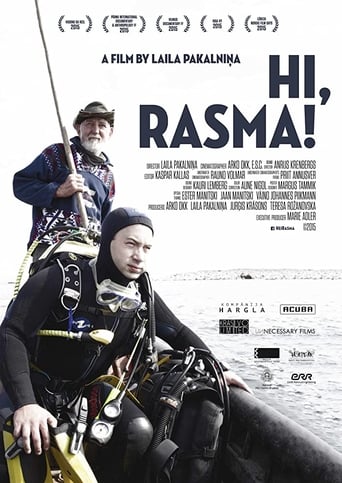
NRJust like ordinary people, whole nations often wonder why their neighbors are living better than they are. For example, where did the Estonians living on Mohni Island suddenly get bicycles and sewing machines? Could the answer have some connection with the Latvian cargo ship "Rasma", which sank near Mohni in 1941?
Hey, Rasma!
2015
NRJust like ordinary people, whole nations often wonder why their neighbors are living better than they are. For example, where did the Estonians living on Mohni Island suddenly get bicycles and sewing machines? Could the answer have some connection with the Latvian cargo ship "Rasma", which sank near Mohni in 1941?
Hey, Rasma!
2015
NRJust like ordinary people, whole nations often wonder why their neighbors are living better than they are. For example, where did the Estonians living on Mohni Island suddenly get bicycles and sewing machines? Could the answer have some connection with the Latvian cargo ship "Rasma", which sank near Mohni in 1941?
Hey, Rasma!
2015
 NR
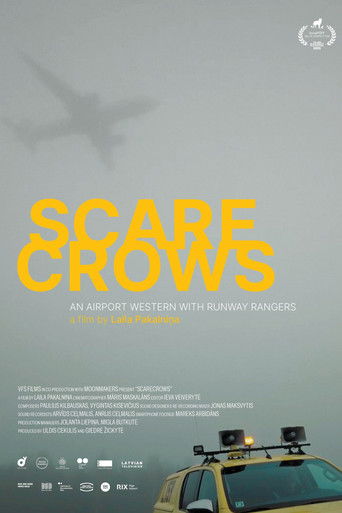
NRThose of us who fly in airplanes probably don’t think about those who fly through Riga Airport on their own wings. But on any given day, up to 30,000 birds might visit the airport. And it would only take one… Airport wildlife control employee Mareks would like to go to church and light a candle for luck before he goes to work every day. In fact, all of us need that luck – it’s just that we’re not aware of it. Maybe that’s a good thing. Understanding wildlife that might turn up at the airport and making sure that the paths of birds, animals and airplanes don’t cross is a very real job.
Scarecrows
2026
NRThose of us who fly in airplanes probably don’t think about those who fly through Riga Airport on their own wings. But on any given day, up to 30,000 birds might visit the airport. And it would only take one… Airport wildlife control employee Mareks would like to go to church and light a candle for luck before he goes to work every day. In fact, all of us need that luck – it’s just that we’re not aware of it. Maybe that’s a good thing. Understanding wildlife that might turn up at the airport and making sure that the paths of birds, animals and airplanes don’t cross is a very real job.
Scarecrows
2026
 NR
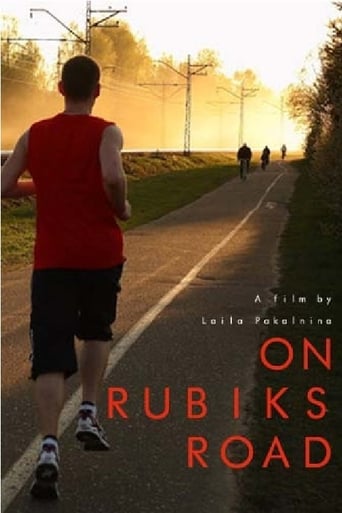
NRRubiks’ Road is a bicycle path built in the 1980s and named after Alfreds Rubiks, leader of the Latvian Communist party at the time. One of the most ferocious opposers to Latvia’s independence in the early 1990s and later elected to the European Parliament.
On Rubik's Road
2010
NRRubiks’ Road is a bicycle path built in the 1980s and named after Alfreds Rubiks, leader of the Latvian Communist party at the time. One of the most ferocious opposers to Latvia’s independence in the early 1990s and later elected to the European Parliament.
On Rubik's Road
2010
NRRubiks’ Road is a bicycle path built in the 1980s and named after Alfreds Rubiks, leader of the Latvian Communist party at the time. One of the most ferocious opposers to Latvia’s independence in the early 1990s and later elected to the European Parliament.
On Rubik's Road
2010
 10.0
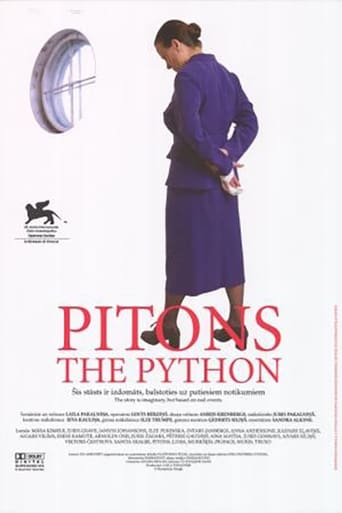
10.0An absurdist farce centering around a school in post-Soviet Latvia. After a rather disgusting prank (someone defecates in the school attic), the tyrannical headmistress deems that no one can leave until the culprit is caught. When the photographer's pet python escapes, havok breaks loose.
The Python
2003
10.0An absurdist farce centering around a school in post-Soviet Latvia. After a rather disgusting prank (someone defecates in the school attic), the tyrannical headmistress deems that no one can leave until the culprit is caught. When the photographer's pet python escapes, havok breaks loose.
The Python
2003
10.0An absurdist farce centering around a school in post-Soviet Latvia. After a rather disgusting prank (someone defecates in the school attic), the tyrannical headmistress deems that no one can leave until the culprit is caught. When the photographer's pet python escapes, havok breaks loose.
The Python
2003
 5.3
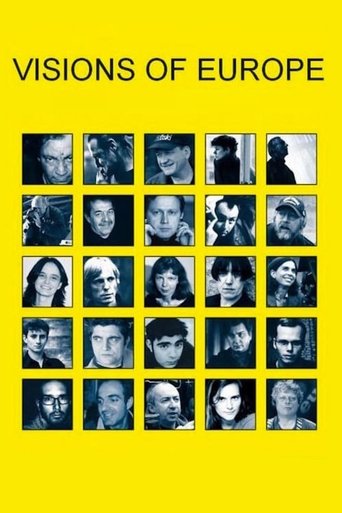
5.3Twenty-five films from twenty-five European countries by twenty-five European directors.
Visions of Europe
2004
5.3Twenty-five films from twenty-five European countries by twenty-five European directors.
Visions of Europe
2004
5.3Twenty-five films from twenty-five European countries by twenty-five European directors.
Visions of Europe
2004
 7.8
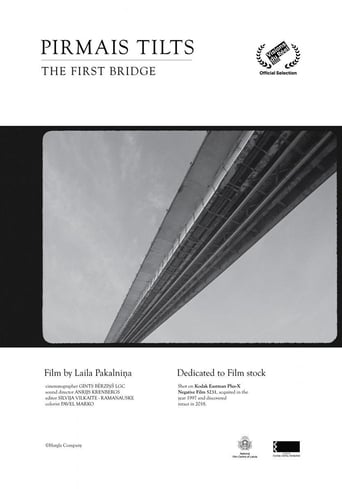
7.8The First Bridge is a film about frontiers, barriers, the ways to cross over and see what goes on, on the other side. But it also a film about time, as it was shot on Kodak Negative Films acquired in the year 1997 and discovered intact in 2018.
The First Bridge
2020
7.8The First Bridge is a film about frontiers, barriers, the ways to cross over and see what goes on, on the other side. But it also a film about time, as it was shot on Kodak Negative Films acquired in the year 1997 and discovered intact in 2018.
The First Bridge
2020
7.8The First Bridge is a film about frontiers, barriers, the ways to cross over and see what goes on, on the other side. But it also a film about time, as it was shot on Kodak Negative Films acquired in the year 1997 and discovered intact in 2018.
The First Bridge
2020
 NR
NRThe world seen through the eyes of children. The action takes place in Karosta, the former military port of Liepaja city – however, it is not that important, as the film could take place anywhere. We observe children playing on the beach, revealing the core of Pakalnina’s work: perceiving and transmitting emotions.
Wake Up!
2001
NRThe world seen through the eyes of children. The action takes place in Karosta, the former military port of Liepaja city – however, it is not that important, as the film could take place anywhere. We observe children playing on the beach, revealing the core of Pakalnina’s work: perceiving and transmitting emotions.
Wake Up!
2001
 NR
NRAs soon as I finished my first marathon, I wanted to become a tripod in order to make a film about it. That is because words are certainly not the right instruments to tell us what it’s like to run a marathon. I think we can try to show it through the characters, noises, texts, lights, the absolute physical understanding of shadows and of the sun, the water, the motions and the serenity. For those who do not practice running in marathons because they don’t want to or because they can’t, I wish to bring something from inside the marathon, out; for example, for my Mum, whose legs ache. I am acting like a spy sent into the marathon.
Forty Two
2013
NRAs soon as I finished my first marathon, I wanted to become a tripod in order to make a film about it. That is because words are certainly not the right instruments to tell us what it’s like to run a marathon. I think we can try to show it through the characters, noises, texts, lights, the absolute physical understanding of shadows and of the sun, the water, the motions and the serenity. For those who do not practice running in marathons because they don’t want to or because they can’t, I wish to bring something from inside the marathon, out; for example, for my Mum, whose legs ache. I am acting like a spy sent into the marathon.
Forty Two
2013
NRAs soon as I finished my first marathon, I wanted to become a tripod in order to make a film about it. That is because words are certainly not the right instruments to tell us what it’s like to run a marathon. I think we can try to show it through the characters, noises, texts, lights, the absolute physical understanding of shadows and of the sun, the water, the motions and the serenity. For those who do not practice running in marathons because they don’t want to or because they can’t, I wish to bring something from inside the marathon, out; for example, for my Mum, whose legs ache. I am acting like a spy sent into the marathon.
Forty Two
2013
 NR
NROnce upon a time there was a chimney. By the chimney - there were three houses. In the houses there were seven girls. All of them - blondes.
The Chimney
2013