
Directing
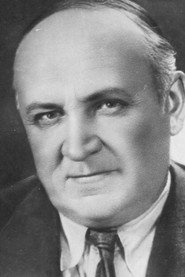
Vladimir Gardin
Born — Died
1877-01-18 — 1965-05-29
Place of birth
Moscow, Russian Empire
Known for
Directing
Credits
74 titles
Known for
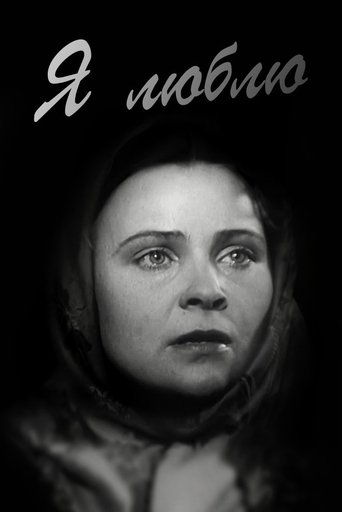 9.5
9.5Russian Empire, 19th century. Poor Nykanor leaves his village and becomes a miner in the Donbas. His son Ostap also becomes a miner and works in the mine for thirty years, but after his father's sudden dismissal, he realizes that the state system needs radical changes.
I Love
1936
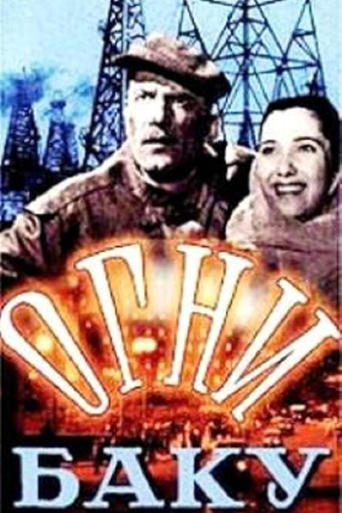 7.7
7.7Dedicated to the development of the oil industry of Soviet Azerbaijan in the background of the first half of the twentieth century, including their selfless work in strengthening the economic and military might of the USSR.
The Fires of Baku
1958
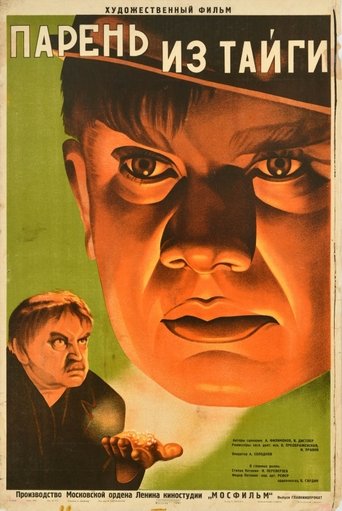 6.7
6.7About the labor exploits of gold miners, the old partisan Fedor Potanin and his son, the leader Stepan.
Prairie Station
1941
 7.0
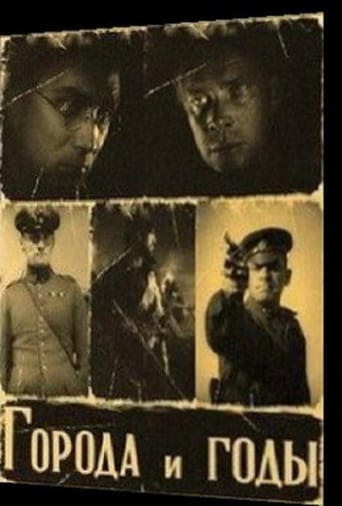
7.0The last and only surviving (partially lost) silent film by director and actor Yevgeny Chervyakov. The film adaptation is distinguished by the accuracy of the psychological characteristics of the numerous characters, the detail of everyday sketches of life in Germany and Russia, and the conveyance of the atmosphere of the events of the First World War and the Civil War.
Cities and Years
1930
 NR
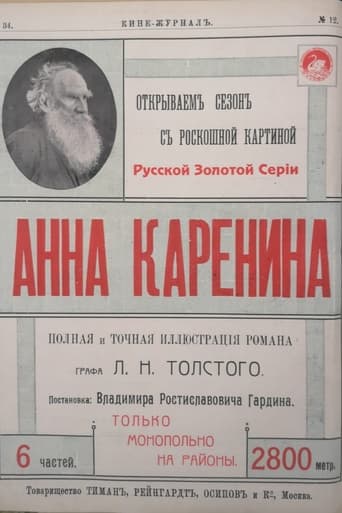
NRIn Imperial Russia, Anna, wife of the officer Karenin, goes to Moscow to visit her brother. On the way, she meets charming cavalry officer Vronsky, to whom she's immediately attracted. But in St. Petersburg’s high society, a relationship like this could destroy a woman’s reputation.
Anna Karenina
1914
 7.0
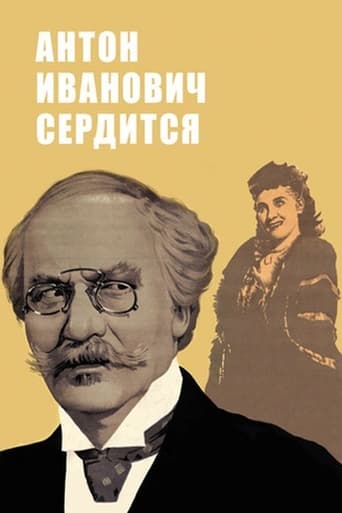
7.0Anton Ivanovich Voronov is a highly respected professor at the Moscow Conservatoire, who places the music of Bach above everything else and regards it as the ultimate yardstick by which other musical accomplishments must be measured. His daughter, Serafima, is an aspiring singer with great potential, and her father’s anger is aroused when she begins singing in the operetta composed by Aleksei Mukhin, thus abandoning what he considers the higher calling of opera. Mukhin’s work, however, demands a high level of ability from his soloist, and Anton Ivanovich is persuaded of the legitimacy of operetta as a musical genre when, in a dream, he is visited by Johann Sebastian Bach himself, who tells him that ‘people need all kinds of music’.
Anton Ivanovich Gets Angry
1941
Film credits
1940s · 5 titles
6.7About the labor exploits of gold miners, the old partisan Fedor Potanin and his son, the leader Stepan.
Prairie Station
1941
7.0Anton Ivanovich Voronov is a highly respected professor at the Moscow Conservatoire, who places the music of Bach above everything else and regards it as the ultimate yardstick by which other musical accomplishments must be measured. His daughter, Serafima, is an aspiring singer with great potential, and her father’s anger is aroused when she begins singing in the operetta composed by Aleksei Mukhin, thus abandoning what he considers the higher calling of opera. Mukhin’s work, however, demands a high level of ability from his soloist, and Anton Ivanovich is persuaded of the legitimacy of operetta as a musical genre when, in a dream, he is visited by Johann Sebastian Bach himself, who tells him that ‘people need all kinds of music’.
Anton Ivanovich Gets Angry
1941
 8.0
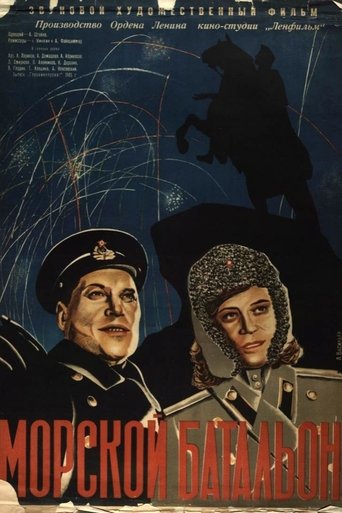
8.0Soviet sailors boldly defend Leningrad from the German fascists.
Naval Battalion
1946
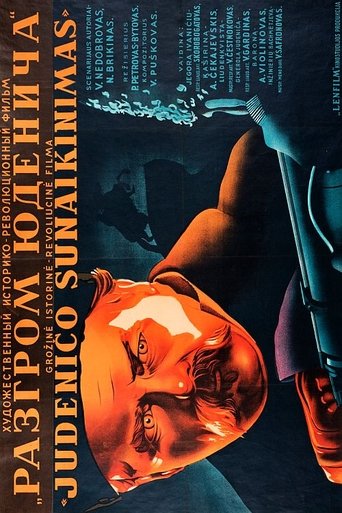 6.5
6.5About the struggle of the red Army and the revolutionary workers of Petrograd against the white guards in 1919....
Defeat of Yudenich
1941
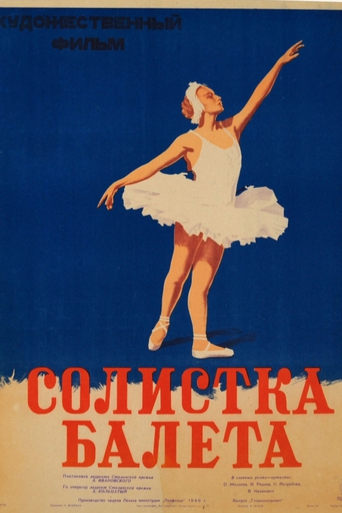 7.0
7.0A graduate of a choreographic school is looking for a new style for her part in the ballet "Sleeping Beauty". Alexei, a conservatory student, falls in love with the young ballerina.
Russian Ballerina
1947
1930s · 24 titles
9.5Russian Empire, 19th century. Poor Nykanor leaves his village and becomes a miner in the Donbas. His son Ostap also becomes a miner and works in the mine for thirty years, but after his father's sudden dismissal, he realizes that the state system needs radical changes.
I Love
1936
7.0The last and only surviving (partially lost) silent film by director and actor Yevgeny Chervyakov. The film adaptation is distinguished by the accuracy of the psychological characteristics of the numerous characters, the detail of everyday sketches of life in Germany and Russia, and the conveyance of the atmosphere of the events of the First World War and the Civil War.
Cities and Years
1930
 7.0
7.0Biographical film "Youth of the poet", dedicated to Pushkin-Lyceum student. At the 1937 world exhibition in Paris, the film was awarded a gold medal. The Director managed to accurately recreate the historic era, to convey the atmosphere of the Tsarskoye Selo Lyceum in the years of the formation of the poetic genius of Pushkin.
Youth of the Poet
1937
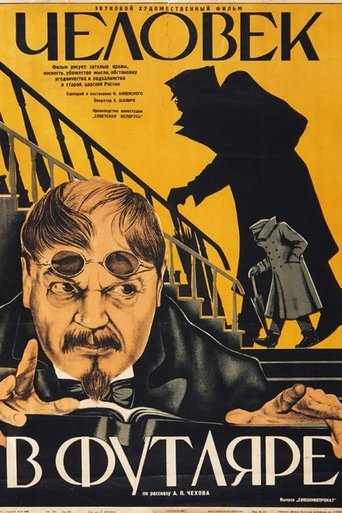 4.3
4.3The Greek teacher Belikov, who works in a rural gymnasium, loved to keep things in cases, was afraid of everything and lived himself, as if in a case, on the principle: “no matter what happens”. By this principle, he literally "terrorized" the gymnasium and the villagers. Hope appeared when Varenka arrived in the village - “not a girl, but marmalade”, although she was already aged, and “did not mind being married, even if only to a teacher of the Greek language”.
Man in a Shell
1939
 4.2
4.2Docu-drama about political and military conflict during the Russian Civil War in 1918, from an orthodox pro-Communist viewpoint.
26 Commissioners
1933
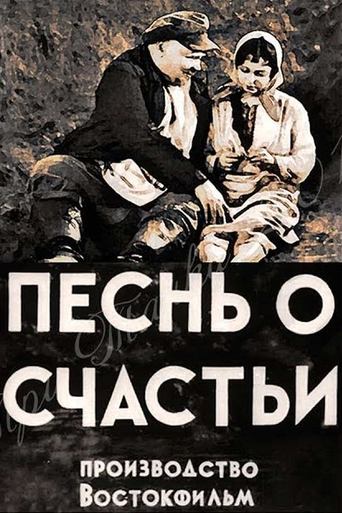 7.0
7.0A coming-of-age story about a flute-playing boy (Yyvan Kyrla) from the Mari people, a national minority who lived near the Volga, and how he is educated by the Soviet state.
Song of Happiness
1934
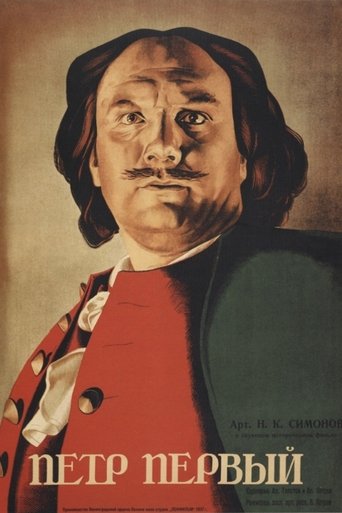 4.6
4.6Depicts Russian Tsar Peter the First's conquest over the Swedes and his son Aleksey's plot to overthrow him.
Peter the First, Part II
1938
 6.0
6.0During World War 1 a Russian soldier serves in Russian Expeditionary Force in France where he is chosen for his marksmanship and trained as a skilled sniper. After the Russian revolution the soldier returns home while his commander fights against the Soviet Russia. In 1930 the former soldier works on a factory and also he is the instructor in shooting club. Once the town that is near the Soviet border is attacked by foreign troops (the hostile state isn't named but the uniform of the soldiers resembles Finnish). The character meets againt with his former commander who serves in invading forces.
Sniper
1932
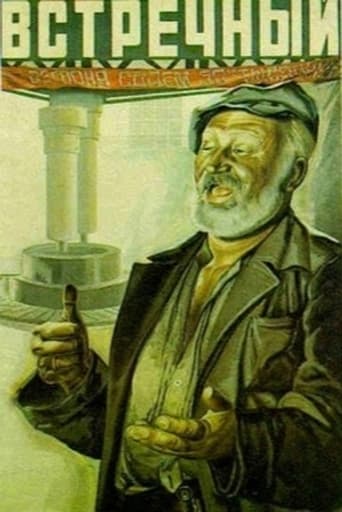 5.0
5.0The story of an effort to catch "wreckers" at work in a Soviet factory. The film’s title-song called "The Song of the Counterplan", composed by Dmitri Shostakovich, became world famous and was adapted into "Au-devant de la vie", a notable song of the French socialist movement of the 1930s.
Counterplan
1932
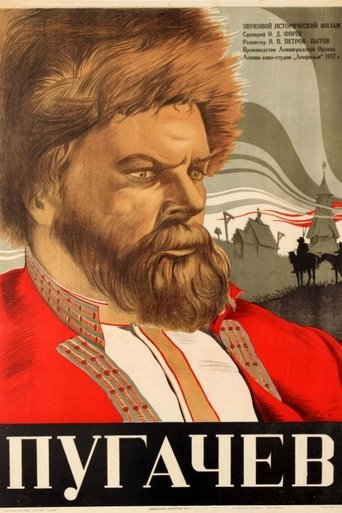 6.4
6.41773. The film tells the story of one of the most devastating events in the history of the Russian Empire—the Cossack uprising led by Emelyan Pugachev, which escalated into a civil war for the imperial throne, with Pugachev proclaiming himself Peter III.
Pugachev
1937
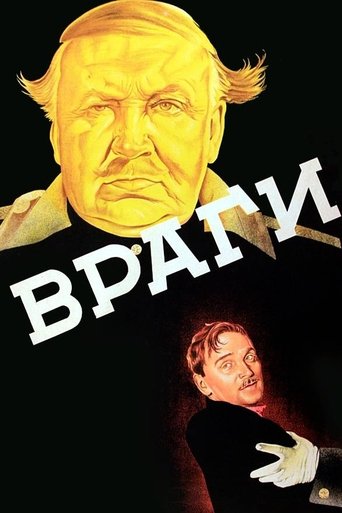 3.7
3.7The eve of the 1905 Russian revolution was unquiet at the Skrobotova and Bardin factory. In response to the fair demand of the workers to dismiss the cruel and rude master, the masters close the factory and call in the troops. They shoot of one of the workers, who failed to restrain a rush of hatred towards the owners, ending Skrobotov's life. Gendarmes arrive at the factory. They succeed in uncovering the social democratic organization in the factory. The arrested workers oppose hysterical cruelty of gendarmes with calm, confident courage.
Enemies
1938
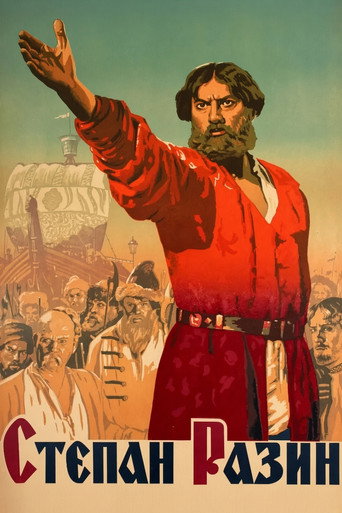 4.5
4.5Don Cossack Stepan Razin vowed to take revenge on the boyars for his tortured friends. Having led the rebellious peasants, he becomes the leader of an entire army. Humiliated and insulted people flock to him from all over the Russian land.
Stepan Razin
1939
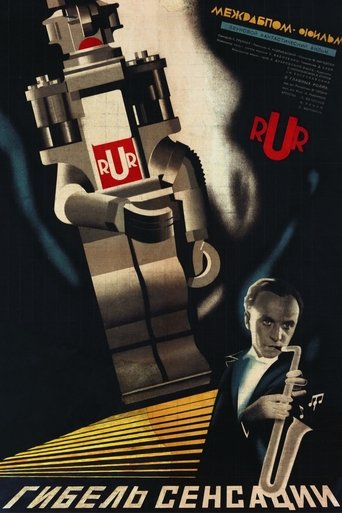 4.9
4.9In an unnamed English-speaking capitalist land, a young engineer invents inexhaustible giant robots to replace the fragile human workers on high-volume assembly-lines, and soon finds his invention co-opted by the military-industrial complex.
Loss of Feeling
1935
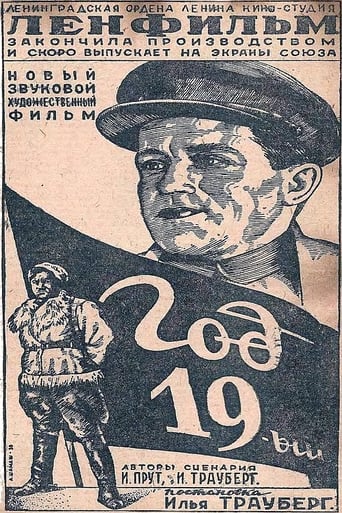 NR
NRAt the beginning of 1919, a serious threat loomed over Astrakhan: British aviation was striking from the air, an interventionist fleet was approaching by sea, and Kolchak and Denikin were besieging the city from the land. Under the direction of the new defense leader of the city, a group of communists secretly made their way into Baku, which had been captured by the British. Posing as oil traders, they purchased fuel and successfully delivered it to Astrakhan. The planes of the Red Army soared into the sky—and the defending troops went on the offensive...
Year Nineteen
1938
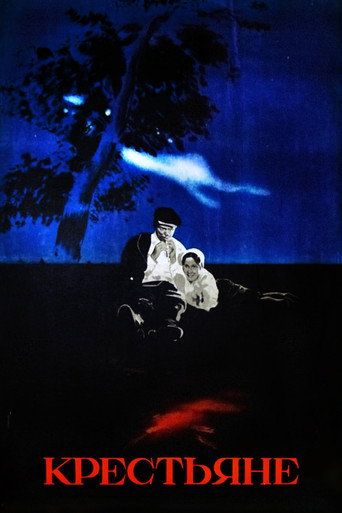 6.4
6.4The peaceful life of an exemplary collective farm is being rent asunder by shortages and dissent, and a commissar is sent to uncover the source of the problems, unaware that their is actual sabotage involved.
Peasants
1935
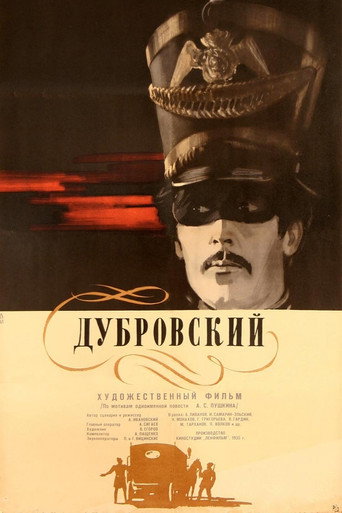 3.0
3.0Peasant rebelling, pictures of folk anger - here accent that had to put Ivanovo in a new film. The manuscript of novel was found post mortem Pushkin in his papers. The name he did not have and remained unfinished. Intention of "Dubrovskiy" was prompted by an actual incident. A few variants of upshot of novel were saved. Ivanov became familiar with all and wrote it.
Dubrovskiy
1936
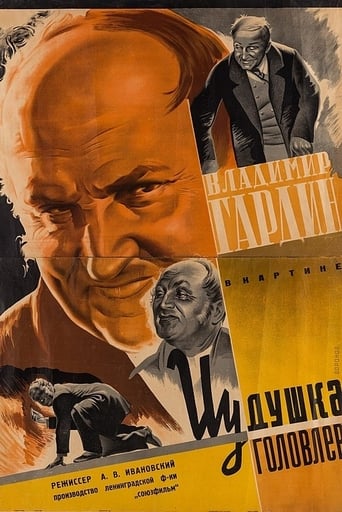 NR
NRIn the mid-19th century old-fashioned estate based on serfdom laws and traditions, tough and shrewd Arina Petrovna tries her best to make her realm prosper and even expand – despite unwillingness of her husband and three of her four children to lend helping hands. Ten years on, serfdom abolished, and now Porfiry-Yudishka, the epitome of a corrupt, cruel hypocrite, becomes the heir to the estate. Dullness and horrors of life, spent in destroying everybody around him, finally makes him to slowly realize things went somehow wrong. Half-mad, apparently, he goes to the cemetery to "ask for forgiveness" from his mother Arina Petrovna, and dies somewhere along his way, his frozen corpse found the next day.
Yudishka Golovlyov
1934
 NR
NRAbout how the antifascists of a Western European country in the 1930s disrupted the loading of weapons intended for the war with the Soviet Union. The film is considered lost.
Glory of World
1932
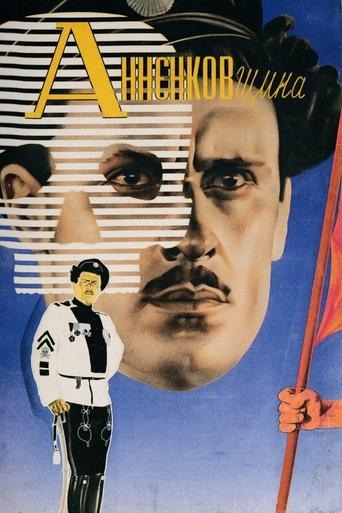 NR
NRMostly lost (only 2 minutes recovered).
Анненковщина
1933
 9.0
9.0Two young boys are learning to play violin and getting ready to participate in a great music competition.
Beethoven Concerto
1936
About a brigade of young female turners who win the respect of the factory team by their labor.
Our Girls
1930
The struggle of Belarusian peasants against the oppression of Polish lords during the reign of Paul I.
Nightingale
1937
 7.0
7.0Arkasha Pryakhin, the son of a cook, is accepted by the "ladies' committee" as a free pupil at the gymnasium. Treasury discipline, reigning in this educational institution, methodically kills in students a genuine love of knowledge. Gymnasium students, resisting the soulless school system, invent all sorts of pranks, sometimes very evil. Once, when Arkady refused to name the perpetrator of the mischief, he was expelled from the gymnasium.
Conduit
1936
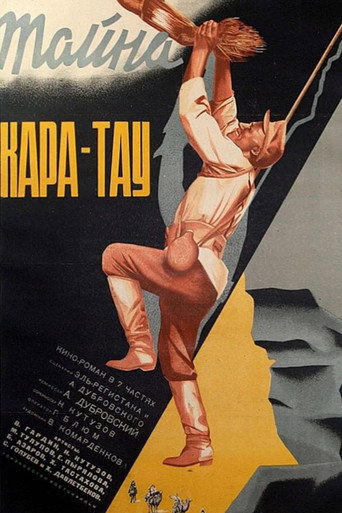 NR
NRThe stationmaster of a railway station situated in the steppes of Kazakhstan discovers a rubber-bearing plant. Soon, an expeditionary team arrives, led by Professor Shakhron, who will persistently argue—by hook or by crook—that there are no rubber-bearing plants in these steppes, all the while plotting a trip abroad. In ultimately exposing the professor, the team forces him to admit to concealing the results of their work.
The Mystery of Kara-Tau
1933
1920s · 2 titles
 7.0
7.0The Government of the fictional country Norland has unleashed a war with the neighboring Galikania and is suffering one defeat after another. A group of conspirators who were dissatisfied with this state of affairs, led by the Social Democrat Frank Frey arrange a coup to overthrew the emperor of Norland. But the working class does not like the new order either. Workers expose Frank Frey's policy of continuing the war and a revolution breaks out in the country. The leader of the socialist revolution becomes a mechanic of the name Franz Stark.
Locksmith and Chancellor
1924
 NR
NRThe film takes place somewhere abroad. One of the characters in the film, novice Morne, rescues a fisherman girl, Armela, who loses her mind from terror and seriously begins to believe that she is the "goddess of the winds". The monks of the monastery use this not without benefit. Armela's father finds his daughter and takes her home. Morne, in love with the girl, leaves the monastery and returns to his former profession of an artist. Soon Armela recovers and marries Morne.
Lord of the Black Rocks
1924
1910s · 5 titles
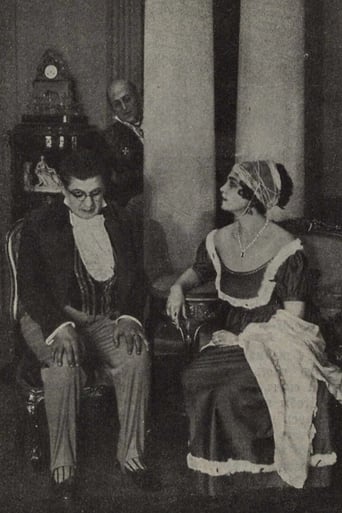 NR
NRThe love story of young Countess Natasha Rostova and Count Pierre Bezukhov is interwoven with the Great Patriotic War of 1812 against Napoleon's invading army.
War and Peace
1915
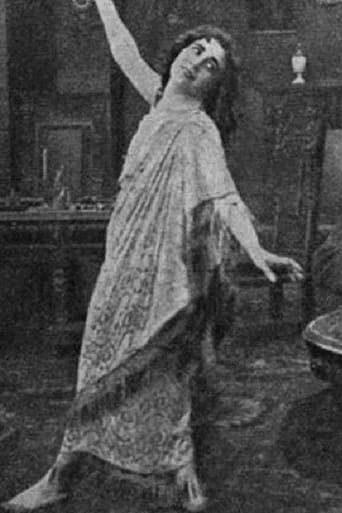 NR
NRDirected by Vladimir Gardin and Yakov Protazanov, this two-part epic was the most expensive Russian film at the time and smashed box office records. It is now considered lost, with only a 4 minute clip surviving.
The Keys to Happiness
1913
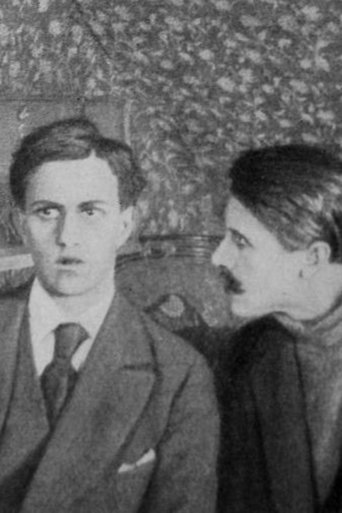 8.0
8.0Propaganda film directed by Mikhail Narokov and Nikandr Turkin. Partially lost.
Smelchak
1919
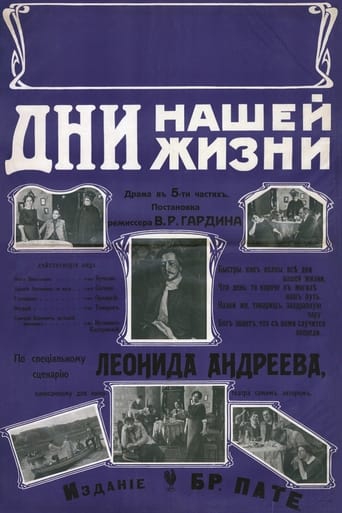 10.0
10.0No synopsis available yet.
Days of Our Life
1914
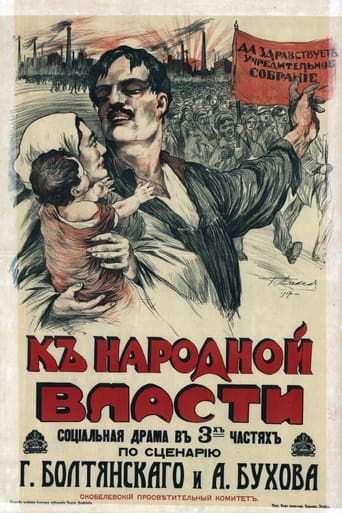 NR
NRA worker and union leader is falsely accused of theft, by a boss who is lusting after his fiancée
To the People's Power
1917
Behind the camera
NRIn Imperial Russia, Anna, wife of the officer Karenin, goes to Moscow to visit her brother. On the way, she meets charming cavalry officer Vronsky, to whom she's immediately attracted. But in St. Petersburg’s high society, a relationship like this could destroy a woman’s reputation.
Anna Karenina
1914
NRIn Imperial Russia, Anna, wife of the officer Karenin, goes to Moscow to visit her brother. On the way, she meets charming cavalry officer Vronsky, to whom she's immediately attracted. But in St. Petersburg’s high society, a relationship like this could destroy a woman’s reputation.
Anna Karenina
1914
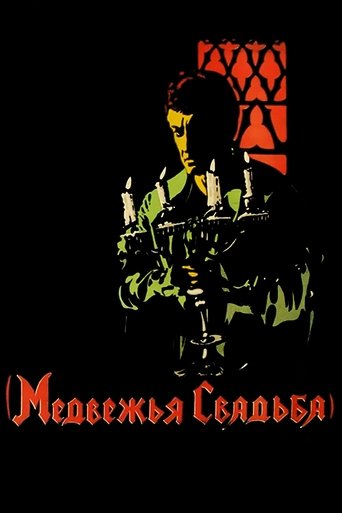 5.4
5.4Konstantin Eggert both directed and starred as Count Shemet, cursed by his insane mother’s traumatic experience with a bear to have seizures during which he himself becomes a “bear” on the kill.
The Bear's Wedding
1925
A screen adaptation of excerpts from Jack London's dystopian novel of the same name describing the rise of the Oligarchy (the "Iron Heel") in the United States. The film was meant to be screened during theatre performances performed by the same actors.
The Iron Heel
1919
A screen adaptation of excerpts from Jack London's dystopian novel of the same name describing the rise of the Oligarchy (the "Iron Heel") in the United States. The film was meant to be screened during theatre performances performed by the same actors.
The Iron Heel
1919
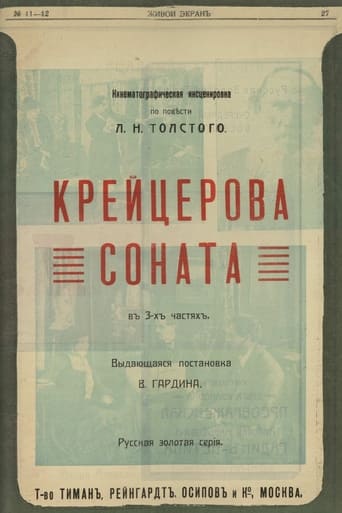 5.0
5.0The Kreutzer Sonata is based on a novella by Leo Tolstoy, named after Beethoven's Kreutzer Sonata. The work is an argument for the ideal of sexual abstinence and an in-depth first-person description of jealous rage. The main character, Pozdnyshev, relates the events leading up to his killing his wife.
The Kreutzer Sonata
1914
5.0The Kreutzer Sonata is based on a novella by Leo Tolstoy, named after Beethoven's Kreutzer Sonata. The work is an argument for the ideal of sexual abstinence and an in-depth first-person description of jealous rage. The main character, Pozdnyshev, relates the events leading up to his killing his wife.
The Kreutzer Sonata
1914
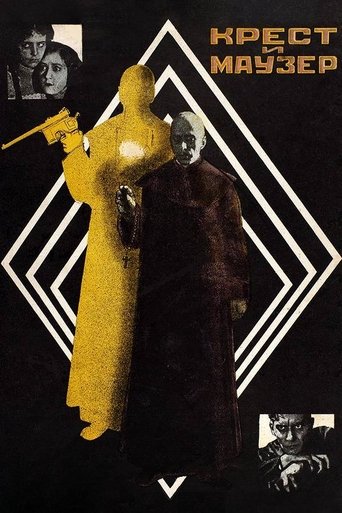 4.0
4.0The film takes place during the pre-revolutionary years and the initial period of the Soviet regime. At a monastery shelter in one of Russia's western towns, orphan Yulka gives birth to a son from the shepherd Jerome. Matron of the shelter Pavlikha as directed by the father kills the newborn baby and disposes of the corpse in the Jewish Quarter. The Black Hundreds are spreading the rumor that the murder was committed by the Jews for ritual purposes. Mayhem arises which is supported by the authorities of the city. The church refuses to shelter Jews fleeing from the violent thugs.
Cross and Mauser
1925
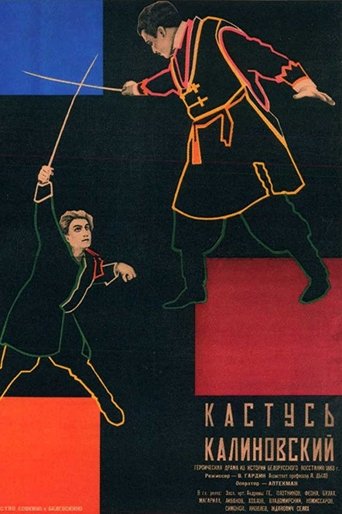 6.2
6.2The film shows one of the heroes of the uprising of the Belarusian, Lithuanian and Polish people against forced Russification and the restoration of Poland's independence in 1863.
Kastus Kalinovskiy
1928
6.2The film shows one of the heroes of the uprising of the Belarusian, Lithuanian and Polish people against forced Russification and the restoration of Poland's independence in 1863.
Kastus Kalinovskiy
1928
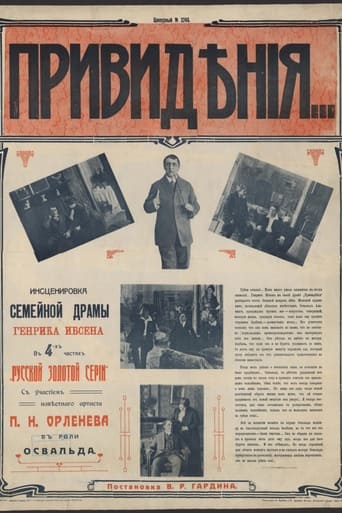 9.0
9.0An adaptation of Henrik Ibsen's Ghosts.
Ghosts
1915
9.0An adaptation of Henrik Ibsen's Ghosts.
Ghosts
1915
 6.4
6.4Tsar Nicholas I is enamoured by Natalia, the wife of Alexander Pushkin. To cover his tracks, the tsar encourages the suit of Georges d'Anthès, a French officer, with the help of Count Alexander von Benckendorff. Pushkin hears rumours of D’Anthès’s love for his wife and challenges him to a duel.
The Poet and the Tsar
1927
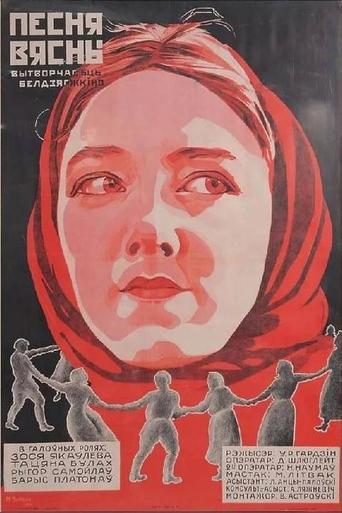 NR
NRBased on the novel by Yakub Kolas "In the Vastness of Life". The film is considered lost.
Song of Spring
1929
NRBased on the novel by Yakub Kolas "In the Vastness of Life". The film is considered lost.
Song of Spring
1929
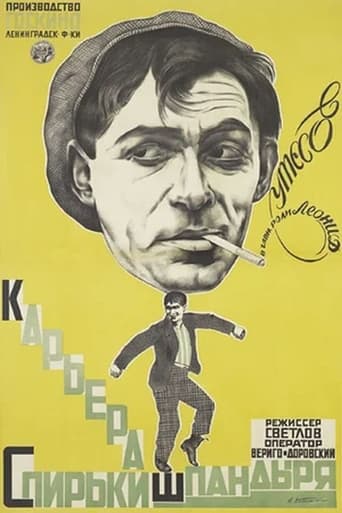 5.5
5.5Spirka Spandyr, a petty crook and swindler, escapes from the Soviet Union after serving his sentence and soon becomes the pride of the White émigré community in Amsterdam — Baron Spirka von Spandyr.
The Career of Spirka Shpandyr
1926
NRThe love story of young Countess Natasha Rostova and Count Pierre Bezukhov is interwoven with the Great Patriotic War of 1812 against Napoleon's invading army.
War and Peace
1915
NRThe love story of young Countess Natasha Rostova and Count Pierre Bezukhov is interwoven with the Great Patriotic War of 1812 against Napoleon's invading army.
War and Peace
1915
 NR
NRFive-episode adaptation of the eponymous Russian novel, directed by Pyotr Chardynin et al.
Petersburg Slums
1915
NRFive-episode adaptation of the eponymous Russian novel, directed by Pyotr Chardynin et al.
Petersburg Slums
1915
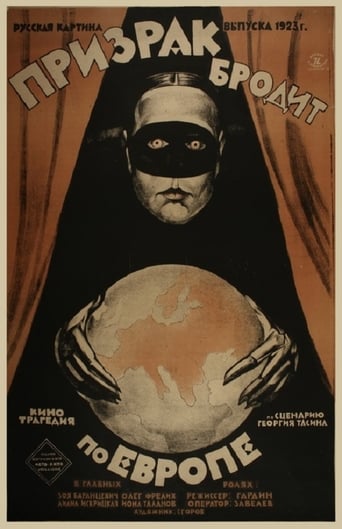 7.3
7.3Set in an imaginary land where the threat of revolution spurs the Emperor to seek exile in one of the most distant parts of his realm. There he meets Elka, the daughter of a revolutionary who has been banished here due to his confrontational activities. The two fall in love but meet a violent end when the revolutionaries, led by Elka's father, destroy the palace.
A Spectre Haunts Europe
1923
 NR
NRSilent feature film by Olga Preobrazhenskaya and Vladimir Gardin based on Pushkin’s story of the same name. Considered lost. Directorial debut of Olga Preobrazhenskaya.
Miss Peasant
1917
NRSilent feature film by Olga Preobrazhenskaya and Vladimir Gardin based on Pushkin’s story of the same name. Considered lost. Directorial debut of Olga Preobrazhenskaya.
Miss Peasant
1917
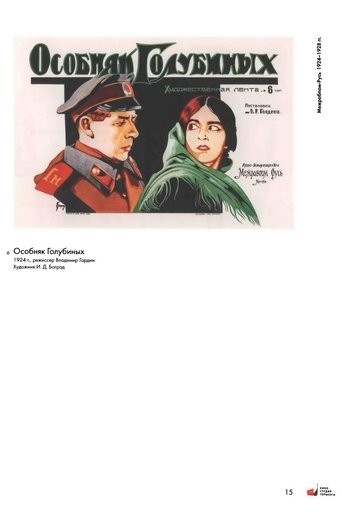 NR
NRNo synopsis available yet.
The House of the Golubins
1925
7.0The Government of the fictional country Norland has unleashed a war with the neighboring Galikania and is suffering one defeat after another. A group of conspirators who were dissatisfied with this state of affairs, led by the Social Democrat Frank Frey arrange a coup to overthrew the emperor of Norland. But the working class does not like the new order either. Workers expose Frank Frey's policy of continuing the war and a revolution breaks out in the country. The leader of the socialist revolution becomes a mechanic of the name Franz Stark.
Locksmith and Chancellor
1924
7.0The Government of the fictional country Norland has unleashed a war with the neighboring Galikania and is suffering one defeat after another. A group of conspirators who were dissatisfied with this state of affairs, led by the Social Democrat Frank Frey arrange a coup to overthrew the emperor of Norland. But the working class does not like the new order either. Workers expose Frank Frey's policy of continuing the war and a revolution breaks out in the country. The leader of the socialist revolution becomes a mechanic of the name Franz Stark.
Locksmith and Chancellor
1924
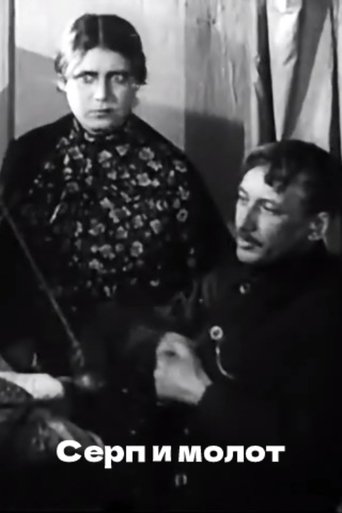 NR
NRA down on his luck peasant goes to fight in World War I and returns home a hero. Partially lost.
Sickle and Hammer
1921
 NR
NRNo synopsis available yet.
Glory to the Strong... Death to the Weak...
1916
NRDirected by Vladimir Gardin and Yakov Protazanov, this two-part epic was the most expensive Russian film at the time and smashed box office records. It is now considered lost, with only a 4 minute clip surviving.
The Keys to Happiness
1913
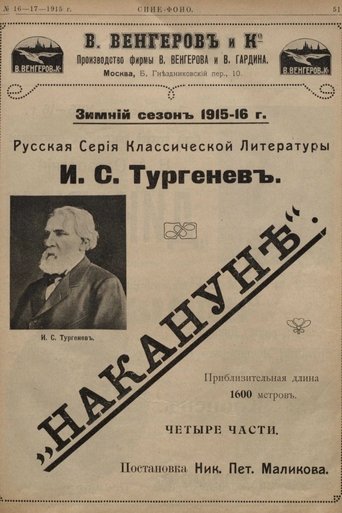 NR
NRNo synopsis available yet.
The Day Before
1915
NRNo synopsis available yet.
The Day Before
1915
10.0No synopsis available yet.
Days of Our Life
1914
 NR
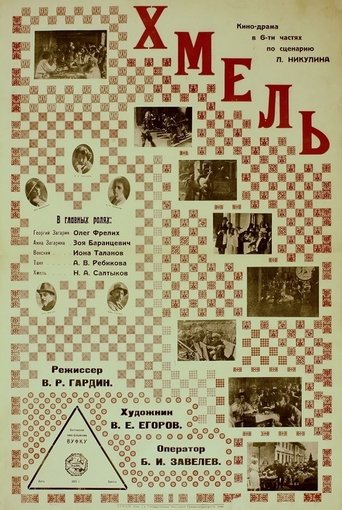
NRRevolutionary melodrama based on Lev Nikulin's story "Хміль". 1917. The main character of the film - a "bourgeois intellectual" - does not sympathize with any side and avoids revolutionary events. However, as a result of a series of adventurous adventures, love intrigues and communication with the people, he goes over to the side of the proletariat.
Ataman Khmil'
1924
 NR
NRMid-19th century. An elderly landowner, bored with life, organizes balls, hunts, fistfights, and banquets. Among other things, he offers his serfs and serf women to his guests for sale or entertainment. One of them, Vanka Krasnov, dreams of marrying the noblewoman Aksyusha. To do so, he must defeat the village strongman Mitka in a fistfight. But even after a fair victory, the landowner himself tries to take possession of Aksyusha. Vanka must challenge the master himself. Considered lost.
The Landowner
1924
NRMid-19th century. An elderly landowner, bored with life, organizes balls, hunts, fistfights, and banquets. Among other things, he offers his serfs and serf women to his guests for sale or entertainment. One of them, Vanka Krasnov, dreams of marrying the noblewoman Aksyusha. To do so, he must defeat the village strongman Mitka in a fistfight. But even after a fair victory, the landowner himself tries to take possession of Aksyusha. Vanka must challenge the master himself. Considered lost.
The Landowner
1924
 NR
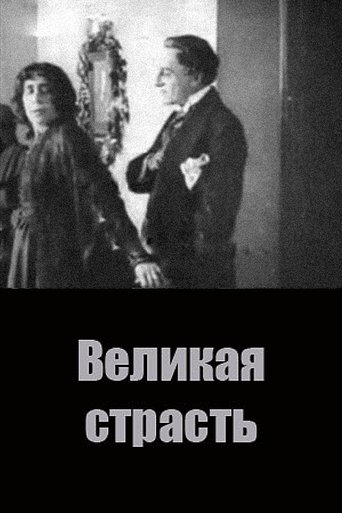
NRBased on the famous novel "Michael" by Heinrich Bang.
The Great Passion
1916
 9.0
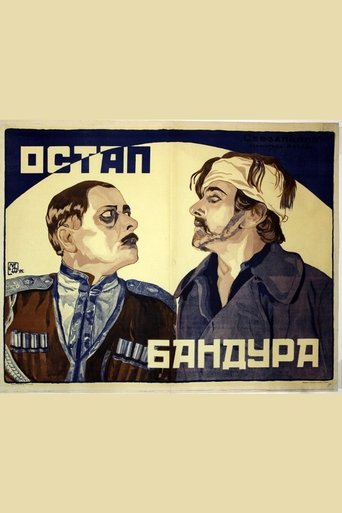
9.0Ukrainian Soviet film about the fate of a young Ukrainian peasant who became a participant in the revolutionary struggle.
Ostap Bandura
1924