

Directing
Rein Raamat
Born
1931-03-20 (95)
Place of birth
Türi, Järva County, Estonia
Known for
Directing
Credits
30 titles
Rein Raamat (born March 20, 1931) is an Estonian animation film director, artist and screenwriter. He is the first internationally successful Estonian animator and along with Elbert Tuganov is regarded as the "Father of Estonian Animation". He has directed many short animated films since the early 1970s and also produced over 20 documentary films.
Known for
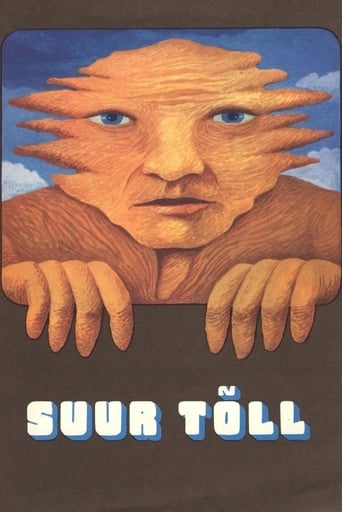 6.8
6.8An Estonian folk tale about Tõll, the giant hero who lived on the Baltic Sea island of Saaremaa.
Tõll the Giant
1980
 6.0
6.0A short Estonian animation about a man's desire to fly.
The Flight
1973
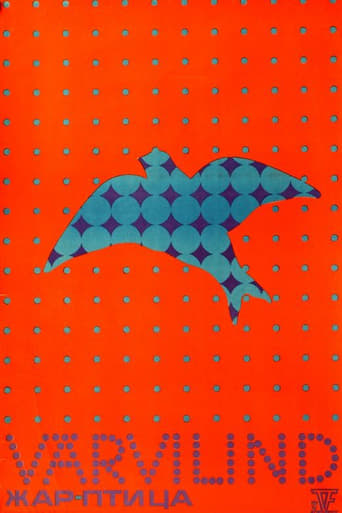 6.0
6.0A bored future society starts to come alive with the addition of primary colors, as its world gradually becomes a groovy hippy paradise.
Colourbird
1974
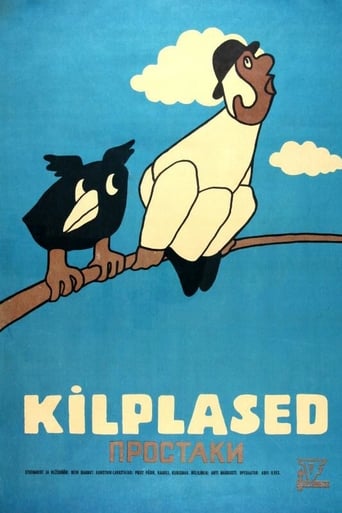 4.9
4.9The story of a bunch of peasants who have a hard time using logic to build their community.
The Simpletons
1974
 NR
NRA collection of three short stories: "Veekandja," "Armastab!," and "Tüütu muusik."
Veekandja
1972
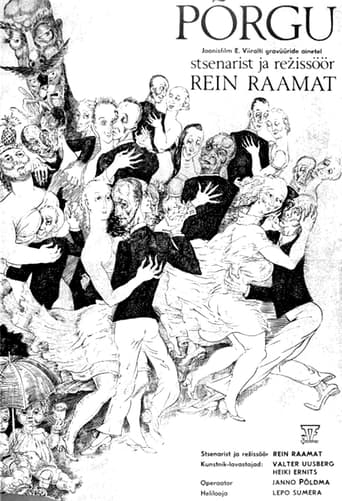 5.5
5.5Rein Raamat’s Hell adapts the engravings of Estonian graphic artist Eduard Wiiralt into a surreal, grotesque, and heavily sexual animated short. Wiiralt’s three source works, “The Preacher,” “Cabaret,” and “Hell,” date back to the early 1930s and portray a cacophony of bacchanalia, hysteria, and violence in the final years of Estonian independence amid the unrest of the Great Depression and European instability.
Hell
1983
Film credits

Behind the camera
6.8An Estonian folk tale about Tõll, the giant hero who lived on the Baltic Sea island of Saaremaa.
Tõll the Giant
1980
6.8An Estonian folk tale about Tõll, the giant hero who lived on the Baltic Sea island of Saaremaa.
Tõll the Giant
1980
6.0A short Estonian animation about a man's desire to fly.
The Flight
1973
6.0A bored future society starts to come alive with the addition of primary colors, as its world gradually becomes a groovy hippy paradise.
Colourbird
1974
6.0A bored future society starts to come alive with the addition of primary colors, as its world gradually becomes a groovy hippy paradise.
Colourbird
1974
4.9The story of a bunch of peasants who have a hard time using logic to build their community.
The Simpletons
1974
4.9The story of a bunch of peasants who have a hard time using logic to build their community.
The Simpletons
1974
NRA collection of three short stories: "Veekandja," "Armastab!," and "Tüütu muusik."
Veekandja
1972
NRA collection of three short stories: "Veekandja," "Armastab!," and "Tüütu muusik."
Veekandja
1972
5.5Rein Raamat’s Hell adapts the engravings of Estonian graphic artist Eduard Wiiralt into a surreal, grotesque, and heavily sexual animated short. Wiiralt’s three source works, “The Preacher,” “Cabaret,” and “Hell,” date back to the early 1930s and portray a cacophony of bacchanalia, hysteria, and violence in the final years of Estonian independence amid the unrest of the Great Depression and European instability.
Hell
1983
5.5Rein Raamat’s Hell adapts the engravings of Estonian graphic artist Eduard Wiiralt into a surreal, grotesque, and heavily sexual animated short. Wiiralt’s three source works, “The Preacher,” “Cabaret,” and “Hell,” date back to the early 1930s and portray a cacophony of bacchanalia, hysteria, and violence in the final years of Estonian independence amid the unrest of the Great Depression and European instability.
Hell
1983
 7.0
7.0A black/white world, slow heavy labor, each frame crossfaded into the next.
The Field
1978
7.0A black/white world, slow heavy labor, each frame crossfaded into the next.
The Field
1978
 6.0
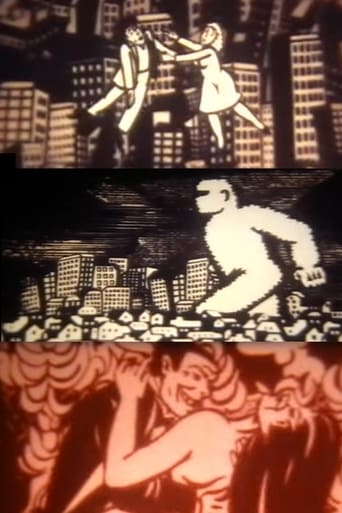
6.0A short animated film about horrors of urbanized city.
The City
1988
6.0A short animated film about horrors of urbanized city.
The City
1988
 NR
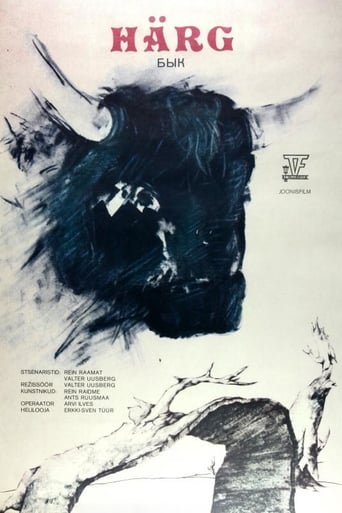
NRThe parable of a monstrously large bull that was raised by villagers, who did not know how dearly it would cost them.
Bull
1984
 7.0
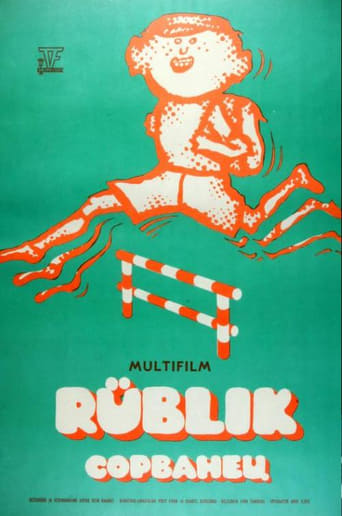
7.0When a young man literally crosses the line, he pays the price and is transformed into the little piggy wiggy he truly is.
A Romper
1975
7.0When a young man literally crosses the line, he pays the price and is transformed into the little piggy wiggy he truly is.
A Romper
1975
 6.5
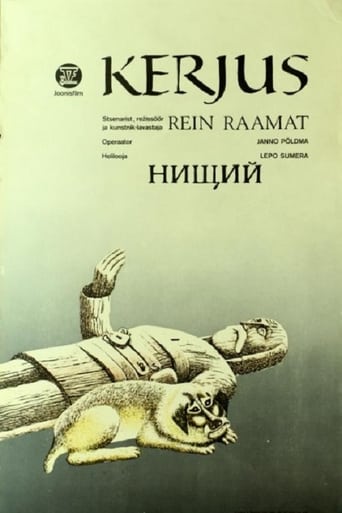
6.5It is a parable about indifference
The Beggar
1985
6.5It is a parable about indifference
The Beggar
1985
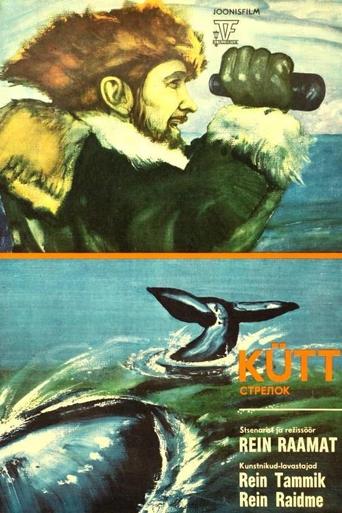 6.2
6.2A whale-hunter dodges icebergs while tracking his prey.
The Rifleman
1976
6.2A whale-hunter dodges icebergs while tracking his prey.
The Rifleman
1976
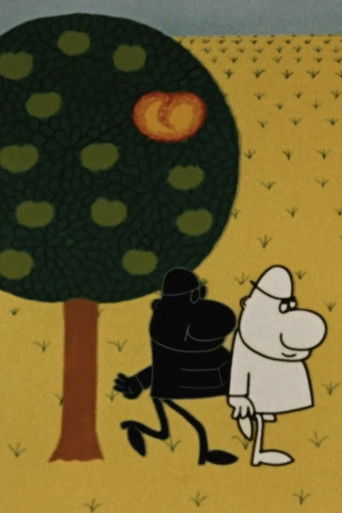 NR
NRThe film consists of two short stories. "Shadow" explores the struggle between good and evil within human character and emphasizes the need for an uncompromising stance against wrongdoing. "The Road" condemns those who embody a petty bourgeois mentality in society.
Shadow and the Road
1972
NRThe film consists of two short stories. "Shadow" explores the struggle between good and evil within human character and emphasizes the need for an uncompromising stance against wrongdoing. "The Road" condemns those who embody a petty bourgeois mentality in society.
Shadow and the Road
1972
 NR
NRDocumentary about the Tartu artist group centered around Ülo Sooster in the post-war decades. Valve Janov, Kaja Kärner, Silvia Jõgever, Lembit Saarts, Lüüdia Vallimäe-Mark and Heldur Viires were the first generation of artists who grew out of the Pallas spirituality, who missed out on the usual opportunity for self-improvement in Paris due to the outbreak of World War II. Instead, Saarts, Viires and Sooster spent the years 1949–1956 in Soviet prison camps. The story about a group of friends, made up of very different personalities, is outlined in long, calm monologues. The memory fragments of elderly artists form a complete story about the fate of an artistic generation.
Tartu sõpruskond - kunsti saab igal ajal teha
2000
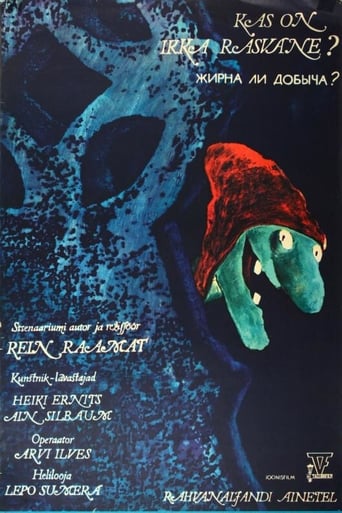 2.7
2.7A satirical film based on the folk joke of the same name about greedy and hypocritical church servants and the gluttony of ridiculously selfish people. True to popular folklore, greed is eventually punished.
Is It Still Greasy?
1979
2.7A satirical film based on the folk joke of the same name about greedy and hypocritical church servants and the gluttony of ridiculously selfish people. True to popular folklore, greed is eventually punished.
Is It Still Greasy?
1979
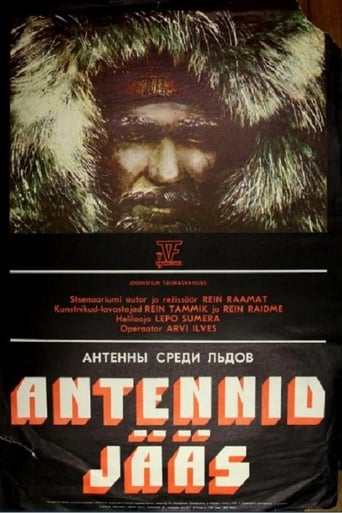 6.0
6.0It can sometimes seem as though all sorts of machines will be able to solve all problems. But this notion is wrong. Once a polar explorer once again began his research. He never imagined that the elements of nature could be so powerful that no machine would be able to stop them.
Antennid jääs
1977
6.0It can sometimes seem as though all sorts of machines will be able to solve all problems. But this notion is wrong. Once a polar explorer once again began his research. He never imagined that the elements of nature could be so powerful that no machine would be able to stop them.
Antennid jääs
1977