
Directing
F.R. Crawley
Born — Died
1911-11-14 — 1987-05-13
Place of birth
Ottawa, Ontario, Canada
Known for
Directing
Credits
11 titles
Frank Radford "Budge" Crawley, (November 14, 1911 – May 13, 1987) was a Canadian film producer, cinematographer and director. Along with his wife Judith Crawley, he co-founded the production company Crawley Films in 1939.
Known for
 6.8
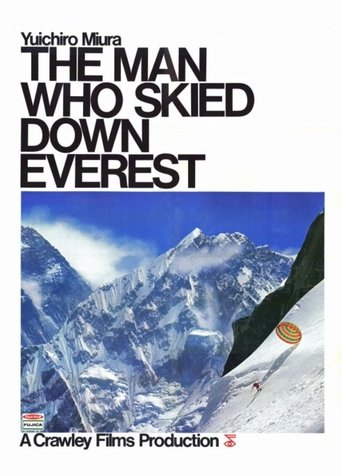
This Oscar-winning documentary tells the story behind Japanese daredevil Yuichiro Miura's 1970 effort to ski down the world's tallest mountain.
The Man Who Skied Down Everest
1975
 2.0
Rather than adapt a later or create a new Oz story, this production has Dorothy still in posession of the shoes, and she clings to an apple tree during a tornado which takes her back to Oz. The Scarecrow, Tin Woodman, and Lion (using the names created for the nearly-abstract television series, Tales of the Wizard of Oz, from which this was derived) have had their MGM gifts destroyed by the restored Wicked Witch, and the four proceed to the Wizard for help, who is ineffectual as usual.
Return to Oz
1964
 5.0
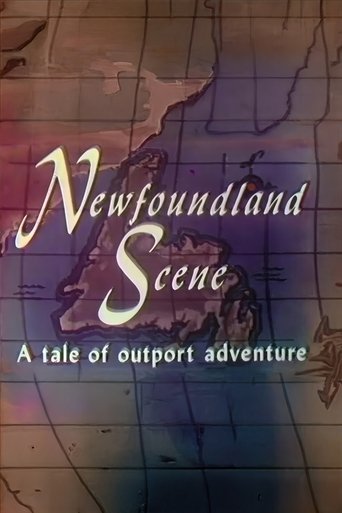
A portrait of Newfoundland that records a way of life that has all but disappeared.
Newfoundland Scene
1951
A BAFTA award nominated Canadian documentary about the building of the fourth generator building at Kitimat, British Columbia and the aluminium smelters it will supply.
Generator 4
1956
 10.0
Documentary which tells how Icelandic settlers came to Canada and their contributions to the country's heritage.
Iceland on the Prairies
1941
 6.5
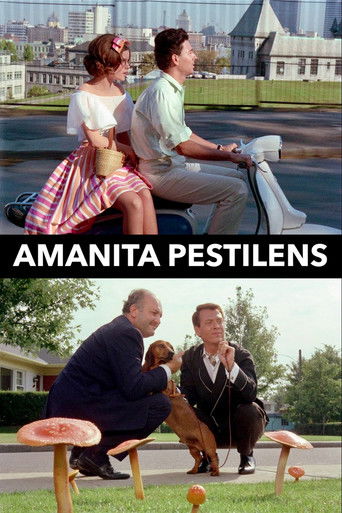
A man obsessed with his award-winning lawn goes to great lengths to keep it looking great when mushrooms suddenly start appearing all over the yard.
Amanita Pestilens
1973
Behind the camera
6.8This Oscar-winning documentary tells the story behind Japanese daredevil Yuichiro Miura's 1970 effort to ski down the world's tallest mountain.
The Man Who Skied Down Everest
1975
2.0Rather than adapt a later or create a new Oz story, this production has Dorothy still in posession of the shoes, and she clings to an apple tree during a tornado which takes her back to Oz. The Scarecrow, Tin Woodman, and Lion (using the names created for the nearly-abstract television series, Tales of the Wizard of Oz, from which this was derived) have had their MGM gifts destroyed by the restored Wicked Witch, and the four proceed to the Wizard for help, who is ineffectual as usual.
Return to Oz
1964
5.0A portrait of Newfoundland that records a way of life that has all but disappeared.
Newfoundland Scene
1951
A BAFTA award nominated Canadian documentary about the building of the fourth generator building at Kitimat, British Columbia and the aluminium smelters it will supply.
Generator 4
1956
10.0Documentary which tells how Icelandic settlers came to Canada and their contributions to the country's heritage.
Iceland on the Prairies
1941
6.5A man obsessed with his award-winning lawn goes to great lengths to keep it looking great when mushrooms suddenly start appearing all over the yard.
Amanita Pestilens
1973
 6.8
The Tsimshian legend of a blind old medicine man and the origin of the distinctive white pattern on the neck of the loon.
The Loon's Necklace
1949
 10.0
The great appeal of this film is watching the beaver at work, busily and cheerfully demonstrating the characteristics for which it is famous. Sometimes, however, the beaver's industry runs counter to the plans of people. When the beaver's dam floods their father's hayfield, two boys devise a plan to save the beaver from their father's displeasure.
Beaver Dam
1960
From the Canada Carries On series.
Quebec, Path of Conquest
1942
This short archival film from WWII depicts how the women of Winnipeg opened a volunteer bureau and enlisted 7000 women into the war effort. Through a variety of activities, these women extended and maintained social services during the war.
Call for Volunteers
1941
 NR
This driver's education film is about the importance of driver behavior in preventing accidents. The narrator, Gordon Anderson of the Industrial Accident Prevention Associations of Ontario, points out that road accidents are a major cause of fatalities. The core problem lies with the driver, whose decision-making can be compromised by fatigue, alcohol, poor vision, and especially, "bad manners." Statistics and tragic real-life examples show that 81% of accidents are caused by driver errors, and 97% of accidents involve cars in good condition. The film advocates for a proactive approach to safety, urging drivers to follow simple rules of the road. It also suggests solutions like stiffer physical and mental tests for drivers, compulsory vehicle inspections, and use of safety belts. The biggest factor is a lack of courtesy. The film asks drivers to choose "safety or slaughter" by remembering their human limitations and treating other drivers with respect and good manners.
Safety Or Slaughter?
1965