
Directing
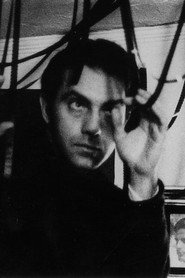
Gregory J. Markopoulos
Born — Died
1928-03-12 — 1992-11-12
Place of birth
Toledo, Ohio
Known for
Directing
Credits
62 titles
Gregory J. Markopoulos (March 12, 1928 - November 12, 1992) was an American experimental filmmaker. Born in Toledo, Ohio to Greek immigrant parents, Markopoulos began making 8 mm films at an early age. He attended USC Film School in the late 1940s, and went on to become a co-founder — with Jonas Mekas, Shirley Clarke, Stan Brakhage and others — of the New American Cinema movement. He was as well a contributor to Film Culture magazine, and an instructor at the Art Institute of Chicago. In 1967, he and his partner Robert Beavers left the United States for permanent residence in Europe. Once ensconced in self-imposed exile, Markopoulos withdrew his films from circulation, refused any interview…
Known for
Includes 'portraits' of Marianne Faithfull, Thelonious Monk and 28 others, some known, some less so.
Heads
1969
 7.3
7.3Also known as Walden, Jonas Mekas’s first diary film is a six-reel chronicle of his life in 1960s New York, interweaving moments with family, friends, lovers, and artistic idols. Blending everyday encounters with portraits of the avant-garde art scene, it forms an epic, personal meditation on community, creativity, and the passage of time.
Diaries, Notes, and Sketches
1968
 10.0
10.0My Hand Outstretched to the Winged Distance and Sightless Measure is a film cycle by American avant-garde filmmaker Robert Beavers. It consists of eighteen films in three parts. The films were made from the late 1960s through the early 2000s in different European countries. Most of the works in the cycle are radically re-edited, condensed versions of the original films. The cycle premiered in its entirety in 2005.
My Hand Outstretched to the Winged Distance and Sightless Measure
2005
 7.0
7.0Jonas Mekas assembles 160 portraits, appearances, and fleeting sketches of underground and independent filmmakers captured between 1955 and 1996. Fast-paced and archival in spirit, the film celebrates the avant-garde as its own “nation of cinema,” a vital community existing outside the dominance of commercial film.
Birth of a Nation
1997
 NR
NRDedicated to Dieter Meier. voice-over by Gregory Markopoulos, reading an excerpt in English translation of Paul Valéry’s L’Homme et la nuit (Man and the Night).
Political Portraits
1969
 6.3
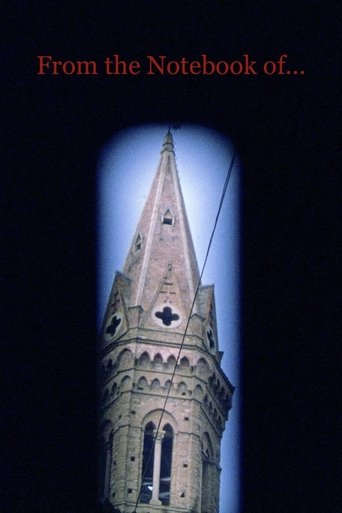
6.3From the Notebook of … was shot in Florence and takes as its point of departure Leonardo da Vinci’s notebooks and Paul Valéry’s essay on da Vinci’s process. These two elements suggest an implicit comparison between the treatment of space in Renaissance art and the moving image. The film marks a critical development in the artist’s work in that he repeatedly employs a series of rapid pans and upward tilts along the city’s buildings or facades, often integrating glimpses of his own face. As Beavers notes in his writing on the film, the camera movements are tied to the filmmakers’ presence and suggests his investigative gaze.
From the Notebook of...
1972
Film credits
2010s · 1 titles
2000s · 4 titles
10.0My Hand Outstretched to the Winged Distance and Sightless Measure is a film cycle by American avant-garde filmmaker Robert Beavers. It consists of eighteen films in three parts. The films were made from the late 1960s through the early 2000s in different European countries. Most of the works in the cycle are radically re-edited, condensed versions of the original films. The cycle premiered in its entirety in 2005.
My Hand Outstretched to the Winged Distance and Sightless Measure
2005
 6.8
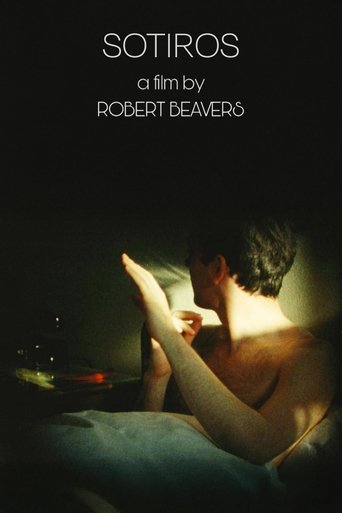
6.8In Sotiros, there is an unspoken dialogue and a seen dialogue, The latter is held between the intertitles and the images; the former is moved by the tripod and by the emotions of the filmmaker. Both dialogues are interwoven with the sunlight’s movement as it circles the room, touching each wall and corner, detached and intimate.
Sotiros
2000
 8.0
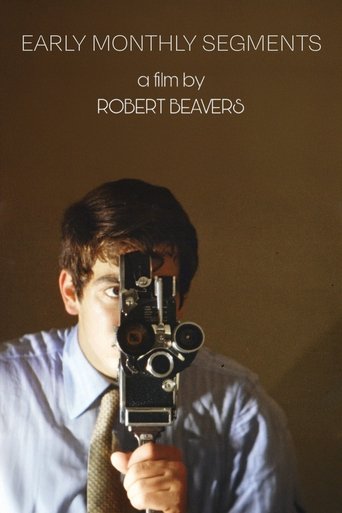
8.0Early Monthly Segments, filmed when Beavers was 18 and 19 years old, now forms the opening to his film cycle, “My Hand Outstretched to the Winged Distance and Sightless Measure.” It is a highly stylized work of self-portraiture, depicting filmmaker and companion Gregory J. Markopoulos in their Swiss apartment. The film functions as a diary, capturing aspects of home life with precise attention to detail, documenting the familiar with great love and transforming objects and ordinary personal effects into a highly charged work of homoeroticism.
Early Monthly Segments
2003
 6.5
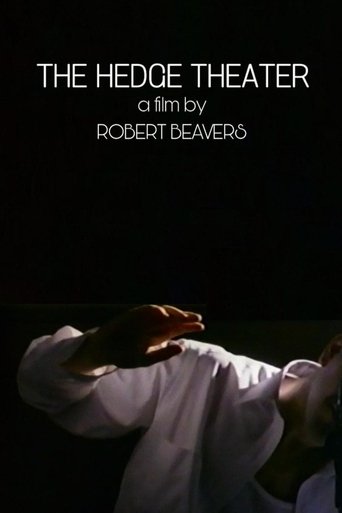
6.5Some years after filming AMOR, I returned to Italy and found the source for a new film in the architecture of Borromini and in a grove of trees with empty birdcages. (A grove of trees, a rocolo, in which hunters would set out cages with decoys, called richiami, whose song attracted other birds.) The buoyant spaces of these cupolas, the sewing of a buttonhole, and the invisible bird hunt are all elements in the sustained dialogue of The Hedge Theatre.
The Hedge Theater
2002
1970s · 2 titles
6.3From the Notebook of … was shot in Florence and takes as its point of departure Leonardo da Vinci’s notebooks and Paul Valéry’s essay on da Vinci’s process. These two elements suggest an implicit comparison between the treatment of space in Renaissance art and the moving image. The film marks a critical development in the artist’s work in that he repeatedly employs a series of rapid pans and upward tilts along the city’s buildings or facades, often integrating glimpses of his own face. As Beavers notes in his writing on the film, the camera movements are tied to the filmmakers’ presence and suggests his investigative gaze.
From the Notebook of...
1972
 7.0
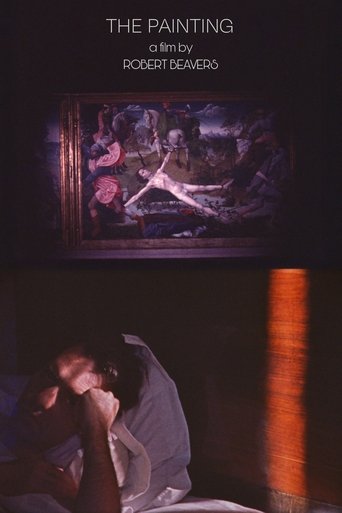
7.0The Painting intercuts shots of traffic navigating the old-world remnants of downtown Bern, Switzerland, with details from a 15th-century altarpiece, “The Martyrdom of St. Hippolytus”. The painting shows the calm, near-naked saint in a peaceful landscape, a frozen moment before four horses tear his body to pieces while an audience of soigné nobles look on; in the movie’s revised version, Beavers gives it a comparably rarefied psychodramatic jolt, juxtaposing shots of Gregory Markopoulos, bisected by shafts of light, with a torn photo of himself and the recurring image of a shattered windowpane.
The Painting
1972
1960s · 10 titles
Includes 'portraits' of Marianne Faithfull, Thelonious Monk and 28 others, some known, some less so.
Heads
1969
7.3Also known as Walden, Jonas Mekas’s first diary film is a six-reel chronicle of his life in 1960s New York, interweaving moments with family, friends, lovers, and artistic idols. Blending everyday encounters with portraits of the avant-garde art scene, it forms an epic, personal meditation on community, creativity, and the passage of time.
Diaries, Notes, and Sketches
1968
NRDedicated to Dieter Meier. voice-over by Gregory Markopoulos, reading an excerpt in English translation of Paul Valéry’s L’Homme et la nuit (Man and the Night).
Political Portraits
1969
 4.3
4.3Prometheus, on an Odyssean journey, crosses the Brooklyn Bridge in search of the characters of his imagination. After meeting the Muse, he proceeds to the "forest." There, under an apple tree, he communes with his selves, represented by celebrated personages from the New York "underground scene" who appear as modern correlatives to the figures of Greek mythology. The filmmaker, who narrates the situations with a translation of Aeschylus' Prometheus Bound, finds the personalities of his characters to have a timeless universality.
The Illiac Passion
1967
In 1964 Film Culture magazine chose Andy Warhol for its annual Independent Film award. The plan was to show some of Andy's films and have Andy come on stage and hand him the award. Andy said, no, he didn't want a public presentation.
Award Presentation to Andy Warhol
1964
 7.0
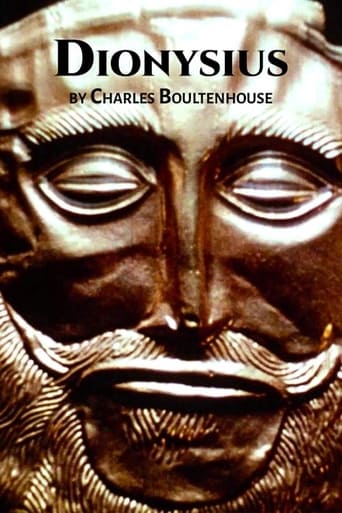
7.0In 1963 Boultenhouse wrote, produced, and directed Dionysius,which he described as a “free treatment of Euripides' The Bacchae.”It starred the dancers Louis Falco, Anna Duncan, and Nicolas Magallanes as Dionysius, Agave, and Pentheus respectively, and the experimental filmmakers Charles Levine, Willard Maas, Gregory Markopoulos, Marie Menken, Lloyd Williams and William Wood as the Chorus of Cameras. The film's score was by Teiji Ito.
Dionysus
1964
Shot in thirty-two hours at the abandoned Baybridge Theater in Brooklyn, in cinemascope and Eastman color. The film was based on the one-act play of the same name by George Christopoulos, who also commissioned it.
The Death of Hemingway (An Obituary Fantasy)
1965
 NR
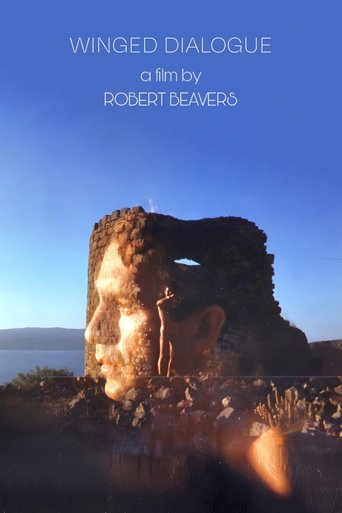
NRWinged Dialogue details with growing clarity the desperate beauty and sexuality of the body animated by its soul, essence blindly reaching out, touching, in brilliant patterns through and beyond those of the vanishing images, expressed vividly in the after-image on the mind, on the soul’s eye.
Winged Dialogue
1967
 NR
NRPortrait studies of Mrs. Hodges, Gail Beavers (the filmmaker’s sister) and Gregory J. Markopoulos.
Spiracle
1967
 8.0
8.0Markopoulos’ first attempt at making a 35mm feature film, clearly inspired by the cinema of Jean Cocteau, was left unfinished and the materials were lost for many years.
The Dead Ones
1967
Undated · 2 titles
 NR
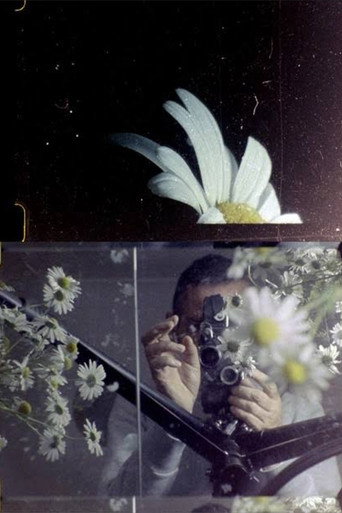
NRThe trilogy 'Of Blood, of Pleasure and of Death' (1947-1948), which began with Psyche (1947), the first film, produced by Gregory Markopoulos in 16mm, based on an unfinished novel by Pierre Louÿs, is completed with Lysis and Charmides, both based on Platonic dialogues. Addressing themes of homosexuality, these three films illustrate a symbolic use of colour and composition. (Centre Pompidou)
Of Blood, of Pleasure and of Death
—
 NR
NRMy Hand Outstretched to the Winged Distance and Sightless Measure is a film cycle by American avant-garde filmmaker Robert Beavers. It consists of eighteen films in three parts.
My Hand Outstretched to the Winged Distance and Sightless Measure
—
Behind the camera
NRDedicated to Dieter Meier. voice-over by Gregory Markopoulos, reading an excerpt in English translation of Paul Valéry’s L’Homme et la nuit (Man and the Night).
Political Portraits
1969
4.3Prometheus, on an Odyssean journey, crosses the Brooklyn Bridge in search of the characters of his imagination. After meeting the Muse, he proceeds to the "forest." There, under an apple tree, he communes with his selves, represented by celebrated personages from the New York "underground scene" who appear as modern correlatives to the figures of Greek mythology. The filmmaker, who narrates the situations with a translation of Aeschylus' Prometheus Bound, finds the personalities of his characters to have a timeless universality.
The Illiac Passion
1967
4.3Prometheus, on an Odyssean journey, crosses the Brooklyn Bridge in search of the characters of his imagination. After meeting the Muse, he proceeds to the "forest." There, under an apple tree, he communes with his selves, represented by celebrated personages from the New York "underground scene" who appear as modern correlatives to the figures of Greek mythology. The filmmaker, who narrates the situations with a translation of Aeschylus' Prometheus Bound, finds the personalities of his characters to have a timeless universality.
The Illiac Passion
1967
4.3Prometheus, on an Odyssean journey, crosses the Brooklyn Bridge in search of the characters of his imagination. After meeting the Muse, he proceeds to the "forest." There, under an apple tree, he communes with his selves, represented by celebrated personages from the New York "underground scene" who appear as modern correlatives to the figures of Greek mythology. The filmmaker, who narrates the situations with a translation of Aeschylus' Prometheus Bound, finds the personalities of his characters to have a timeless universality.
The Illiac Passion
1967
 6.8
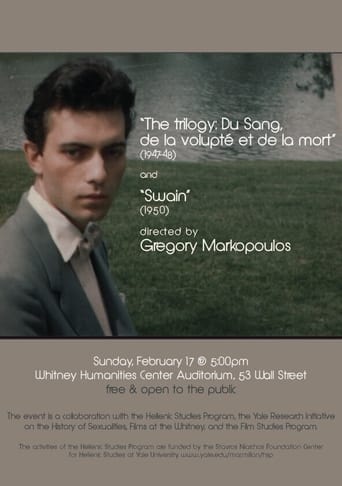
6.8Swain is inspired by Nathaniel Hawthorne’s Fanshawe, features a dreamlike narrative of a young man’s ritualized rejection of heterosexuality, as a mysterious woman in white gossamer pursues him through a ruined landscape.
Swain
1950
6.8Swain is inspired by Nathaniel Hawthorne’s Fanshawe, features a dreamlike narrative of a young man’s ritualized rejection of heterosexuality, as a mysterious woman in white gossamer pursues him through a ruined landscape.
Swain
1950
6.8Swain is inspired by Nathaniel Hawthorne’s Fanshawe, features a dreamlike narrative of a young man’s ritualized rejection of heterosexuality, as a mysterious woman in white gossamer pursues him through a ruined landscape.
Swain
1950
 5.6
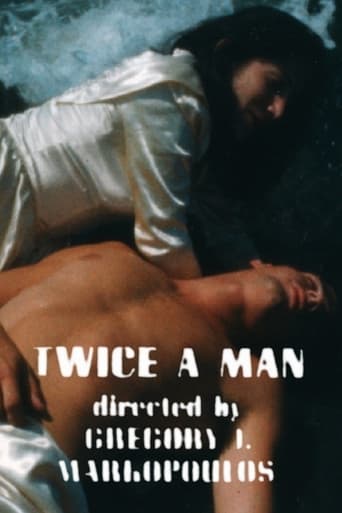
5.6A reworking of the myth of Hippolytus, in which a chaste youth rejects the incestuous advances of his mother and is saved from death by a caring physician.
Twice a Man
1963
5.6A reworking of the myth of Hippolytus, in which a chaste youth rejects the incestuous advances of his mother and is saved from death by a caring physician.
Twice a Man
1963
5.6A reworking of the myth of Hippolytus, in which a chaste youth rejects the incestuous advances of his mother and is saved from death by a caring physician.
Twice a Man
1963
(A)lter (A)ction, 1968. Videotape, black-and-white, sound; 65 minutes (director's edit: 57 minute television version).
(A)lter (A)ction
1968
 10.0
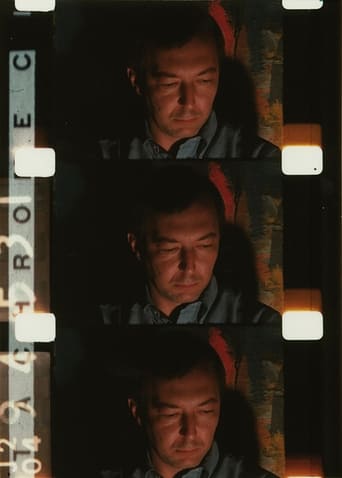
10.0In March and April of 1966, Markopoulos created this filmic portrait of writers and artists from his New York circle, including Parker Tyler, W. H. Auden, Jasper Johns, Susan Sontag, Storm De Hirsch, Jonas Mekas, Allen Ginsberg, and George and Mike Kuchar, most observed in their homes or studios. Filmed in vibrant color, Galaxie pulses with life. It is a masterpiece of in-camera composition and editing, and stands as a vibrant response to Andy Warhol's contemporary Screen Tests. Preserved by the Academy Film Archive in 2001.
Galaxie
1966
10.0In March and April of 1966, Markopoulos created this filmic portrait of writers and artists from his New York circle, including Parker Tyler, W. H. Auden, Jasper Johns, Susan Sontag, Storm De Hirsch, Jonas Mekas, Allen Ginsberg, and George and Mike Kuchar, most observed in their homes or studios. Filmed in vibrant color, Galaxie pulses with life. It is a masterpiece of in-camera composition and editing, and stands as a vibrant response to Andy Warhol's contemporary Screen Tests. Preserved by the Academy Film Archive in 2001.
Galaxie
1966
 7.0
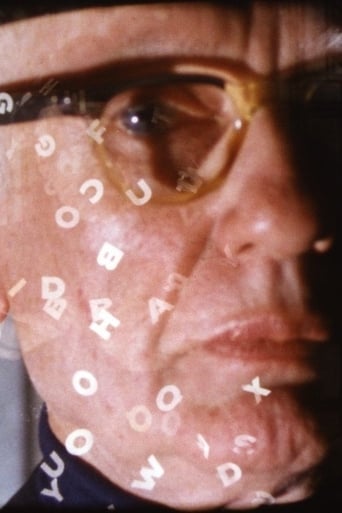
7.0The life of painter, dancer and poet Mark Turbyfill, seen in his 70th year, is evoked through Markopoulos’ unique form of cinematic portraiture.
Through a Lens Brightly: Mark Turbyfill
1967
7.0The life of painter, dancer and poet Mark Turbyfill, seen in his 70th year, is evoked through Markopoulos’ unique form of cinematic portraiture.
Through a Lens Brightly: Mark Turbyfill
1967
 6.8
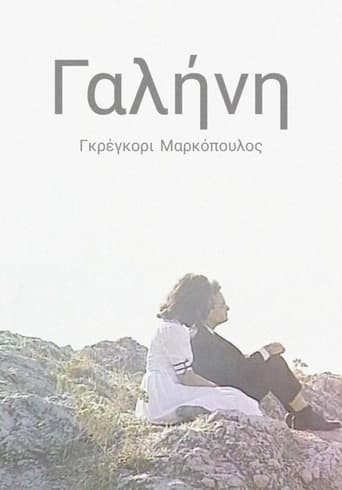
6.8Originally edited in two versions. Version I, 70 minutes; version II, 90 minutes. (The only known existing version is not Markopoulos’s edit and contains additional titles, music and voice-over added later than 1961. 65 minutes.) Filmed in Mytilene and Annavysos, Greece, 1958. Existing copy on video, J. and M. Paris Films, Athens.
Serenity
1961
6.8Originally edited in two versions. Version I, 70 minutes; version II, 90 minutes. (The only known existing version is not Markopoulos’s edit and contains additional titles, music and voice-over added later than 1961. 65 minutes.) Filmed in Mytilene and Annavysos, Greece, 1958. Existing copy on video, J. and M. Paris Films, Athens.
Serenity
1961
6.8Originally edited in two versions. Version I, 70 minutes; version II, 90 minutes. (The only known existing version is not Markopoulos’s edit and contains additional titles, music and voice-over added later than 1961. 65 minutes.) Filmed in Mytilene and Annavysos, Greece, 1958. Existing copy on video, J. and M. Paris Films, Athens.
Serenity
1961
 7.9
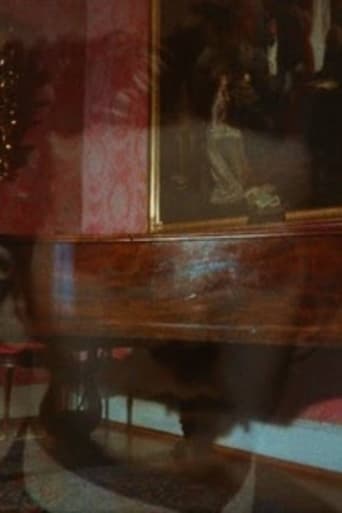
7.9Set to music by Beethoven, this lyrical portrait moves from a chilled and misty exterior to the crystalline interior of the Swiss chateau that King Ludwig II built for Wagner.
Sorrows
1969
 3.6
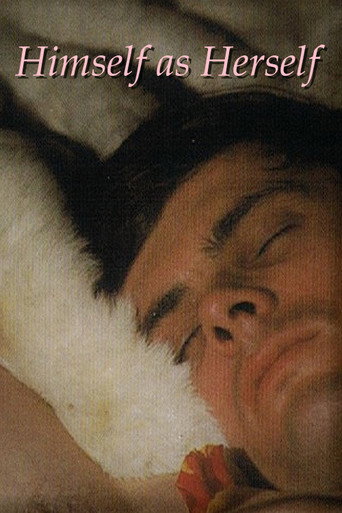
3.6The young hero seems the essence of maleness, yet he's troubled by vaguely feminine objects. Soon his masculine and feminine selves are intercut, as each of his identities appears to look and gesture at the other. The film, at once melancholy and transcendent, consists of a shimmering, nearly plotless evocation of gender identity in flux through haunting, densely interlaced images.
Himself as Herself
1967
3.6The young hero seems the essence of maleness, yet he's troubled by vaguely feminine objects. Soon his masculine and feminine selves are intercut, as each of his identities appears to look and gesture at the other. The film, at once melancholy and transcendent, consists of a shimmering, nearly plotless evocation of gender identity in flux through haunting, densely interlaced images.
Himself as Herself
1967
3.6The young hero seems the essence of maleness, yet he's troubled by vaguely feminine objects. Soon his masculine and feminine selves are intercut, as each of his identities appears to look and gesture at the other. The film, at once melancholy and transcendent, consists of a shimmering, nearly plotless evocation of gender identity in flux through haunting, densely interlaced images.
Himself as Herself
1967
 5.9
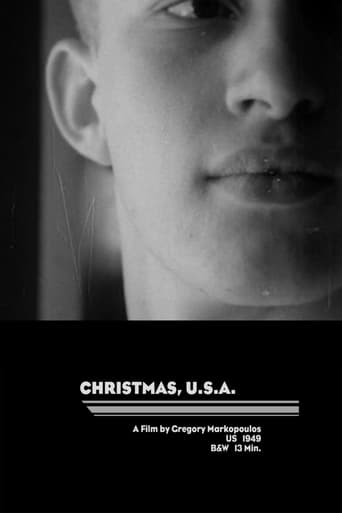
5.9Things spin: amusement park rides, a phonograph record. A man wakes, shaves, and takes a phone call. Another man, in a kimono, walks in the woods, stops, and opens a small decorative box on the forest floor. People at an amusement park called Little Harlem enjoy themselves. A man walks through another amusement park, called Cavalcade Worlds, as midway rides spin. At a house, an older woman cleans; a pre-teen girl sets the table; a teenaged boy showers. After he dresses, he holds a candle high above his head and walks swiftly toward a young man standing bare-chested, his arms extended. A man arrives home where the girl has set the table. The youth sleeps. Christmas?
Christmas U.S.A.
1949
5.9Things spin: amusement park rides, a phonograph record. A man wakes, shaves, and takes a phone call. Another man, in a kimono, walks in the woods, stops, and opens a small decorative box on the forest floor. People at an amusement park called Little Harlem enjoy themselves. A man walks through another amusement park, called Cavalcade Worlds, as midway rides spin. At a house, an older woman cleans; a pre-teen girl sets the table; a teenaged boy showers. After he dresses, he holds a candle high above his head and walks swiftly toward a young man standing bare-chested, his arms extended. A man arrives home where the girl has set the table. The youth sleeps. Christmas?
Christmas U.S.A.
1949
 NR
NRNo synopsis available yet.
Bliss (Eniaios edit)
—
 10.0
10.0Miser Ebenezer Scrooge is awakened on Christmas Eve by spirits who reveal to him his own miserable existence, what opportunities he wasted in his youth, his current cruelties, and the dire fate that awaits him if he does not change his ways. Scrooge is faced with his own story of growing bitterness and meanness, and must decide what his own future will hold: death or redemption.
A Christmas Carol
1940
 5.6
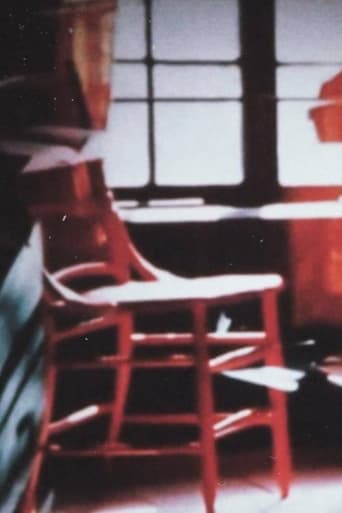
5.6This portrait of the filmmaker's apartment, painted in the color of the title, was made a few months before his departure from New York. It is dedicated to the filmmaker Stan Brakhage and was shot without a scenario and edited entirely in the camera.
Ming Green
1966
5.6This portrait of the filmmaker's apartment, painted in the color of the title, was made a few months before his departure from New York. It is dedicated to the filmmaker Stan Brakhage and was shot without a scenario and edited entirely in the camera.
Ming Green
1966
 6.0
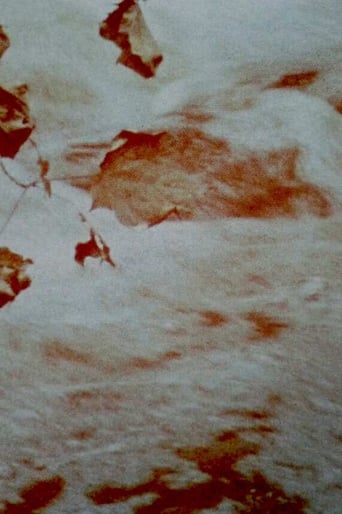
6.0Based on Plato's dialogue Charmides.
Charmides
1949
6.0Based on Plato's dialogue Charmides.
Charmides
1949
 9.0
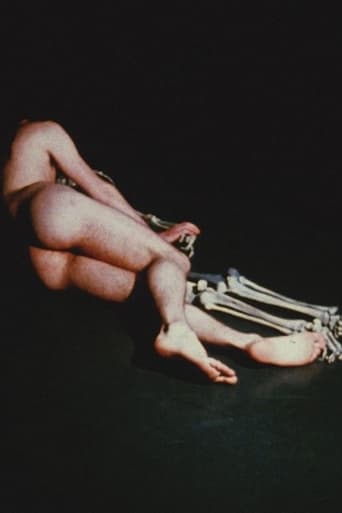
9.0"In my film I suggest that there is no greater mystery than that of the protagonists. War and Love are simply equated for what they are; the aftermath is inevitable, and a normal human condition, for which like the ancients one can only have pity and understanding. In this lies the mystery. All else is irrelevant. That there are other sub-currents of equal power in The Mysteries goes without saying; and, those who are capable of the numerous visual visitations and annunciations which the film offers them will realize what is the Ultimate Mystery of my work."
The Mysteries
1968
9.0"In my film I suggest that there is no greater mystery than that of the protagonists. War and Love are simply equated for what they are; the aftermath is inevitable, and a normal human condition, for which like the ancients one can only have pity and understanding. In this lies the mystery. All else is irrelevant. That there are other sub-currents of equal power in The Mysteries goes without saying; and, those who are capable of the numerous visual visitations and annunciations which the film offers them will realize what is the Ultimate Mystery of my work."
The Mysteries
1968
 7.0
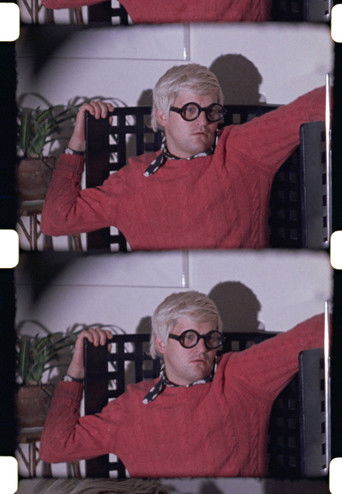
7.0Based upon the theme of Faust, with the characters portrayed serving as representatives of the crises of their time. A triple portrait of three important figures in the art world: British artist David Hockney, Argentine surrealist painter Leonor Fini, and German-French art dealer Daniel-Henry Kahnweiler.
Genius
1970
Shot in thirty-two hours at the abandoned Baybridge Theater in Brooklyn, in cinemascope and Eastman color. The film was based on the one-act play of the same name by George Christopoulos, who also commissioned it.
The Death of Hemingway (An Obituary Fantasy)
1965
 4.0
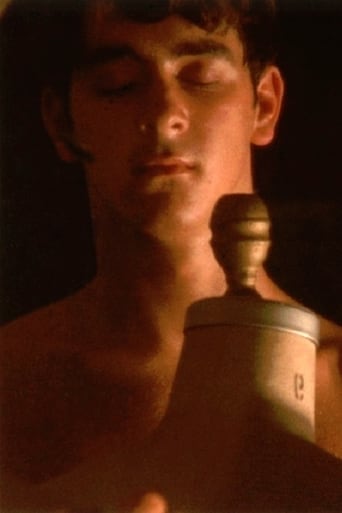
4.0Structured in nine tableaux each a study of a simple action or situation involving a lone, naked figure, the blind Eros, searching for fulfilment, for self. The objects he touches - books, paintings - can be seen as icons of the creative spirit; there is also a motor cycle and film equipment. In succeeding scenes he appears to try on identities offered by institutional doctrines of religion and social traditions of (overt) masculinity. Much of the film was constructed in-camera with a small amount of editing afterwards. An innovation was the use of in-camera fade-outs as phrase markers, not as terminal points, within a single set-up or shot.
Eros, O Basileus
1967
4.0Structured in nine tableaux each a study of a simple action or situation involving a lone, naked figure, the blind Eros, searching for fulfilment, for self. The objects he touches - books, paintings - can be seen as icons of the creative spirit; there is also a motor cycle and film equipment. In succeeding scenes he appears to try on identities offered by institutional doctrines of religion and social traditions of (overt) masculinity. Much of the film was constructed in-camera with a small amount of editing afterwards. An innovation was the use of in-camera fade-outs as phrase markers, not as terminal points, within a single set-up or shot.
Eros, O Basileus
1967
 7.2
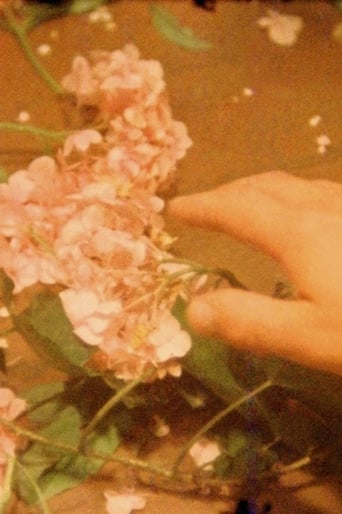
7.2Psyche 1947, made while a student at USC, shows Markopoulos’ developing style and his sensuous use of colour and composition. Shot in the Hollywood hills, the film was inspired by an unfinished novella by Pierre Louÿs. - Tate Modern
Psyche
1948
7.2Psyche 1947, made while a student at USC, shows Markopoulos’ developing style and his sensuous use of colour and composition. Shot in the Hollywood hills, the film was inspired by an unfinished novella by Pierre Louÿs. - Tate Modern
Psyche
1948
7.2Psyche 1947, made while a student at USC, shows Markopoulos’ developing style and his sensuous use of colour and composition. Shot in the Hollywood hills, the film was inspired by an unfinished novella by Pierre Louÿs. - Tate Modern
Psyche
1948
 6.2
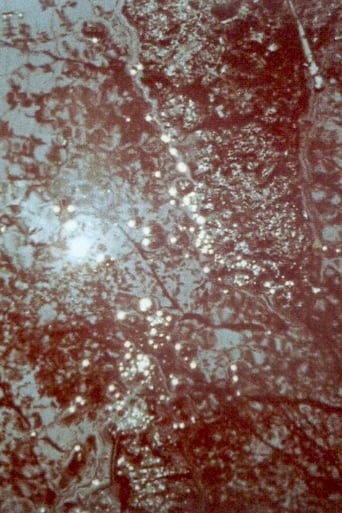
6.2Markopoulos called Lysis “a study in stream-of-consciousness poetry of a lost, wandering, homosexual soul” and felt that the film foreshadowed The Illiac Passion.
Lysis
1949