
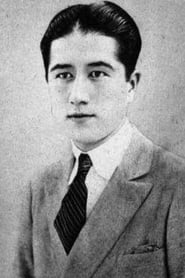
Acting
Sozo Okada
Born — Died
1903-06-15 — 1983-09-01
Place of birth
Tokyo, Japan
Known for
Acting
Credits
36 titles
Sōzō Okada (岡田 桑三), widely recognized by his acting pseudonym Hikaru Yamanouchi (山内光), was a Japanese actor and producer who played a significant role in both the performing and visual arts of Japan. Born on June 15, 1903, his early life was distinctly shaped by extensive international travel during the 1920s and 1930s, aided by his English ancestry through his grandfather. He initially aspired to be a painter and studied in Germany from 1920 to 1923. Upon returning to Japan, he integrated into the Shochiku studio and began a successful cinematic career under the stage name Hikaru Yamanouchi. Displaying great versatility, he became a highly prolific actor, appearing in nearly 80 films betwee…
Known for
 6.8
6.8A period piece about the love of a wealthy blind woman, a teacher of koto and shamisen, and her devoted manservant. Based on a novella by Tanizaki Junichiro.
Okoto and Sasuke
1935
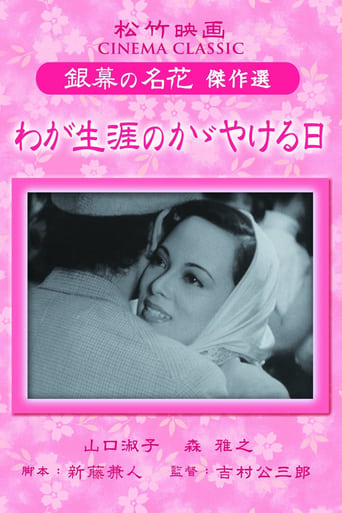 9.0
9.0Life and love in corrupt postwar Tokyo, as a young couple struggles against both the law and the mob.
The Most Beautiful Day of My Life
1948
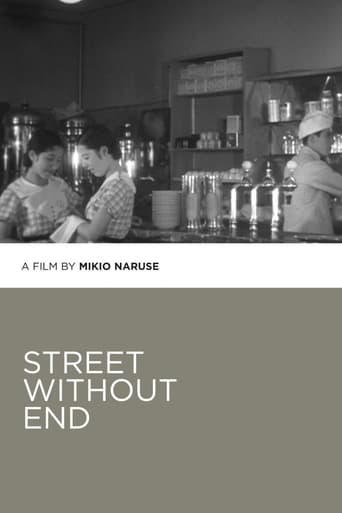 6.6
6.6Mikio Naruse’s final silent film is a gloriously rich portrait of a waitress, Sugiko, whose life, despite a host of male admirers and even some intrigued movie talent scouts, ends up taking a suffocatingly domestic turn after a wealthy businessman accidentally hits her with his car.
Street Without End
1934
 NR
NRApproaching their graduation ceremony, Saegusa, Sanae, and their classmates go on an overnight trip to Hakone with their teacher Ms. Kawahara, who will soon leave school. They thank her doing so and go on their respective paths, ending soon their student life.
Hotaru no hikari
1938
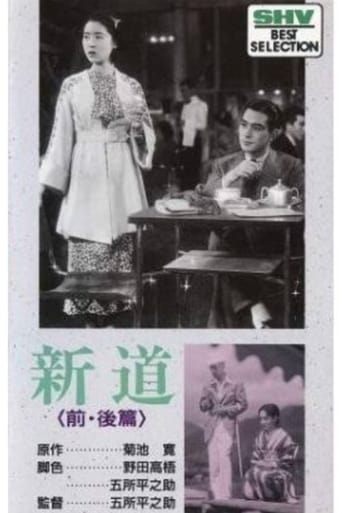 8.5
8.5The eldest daughter of a noble family is in love with an aviator while being courted by a fellow aristocrat she thinks is a dullard. This part is told from the perspective of Akemi.
The New Road: Akemi
1936
 6.7
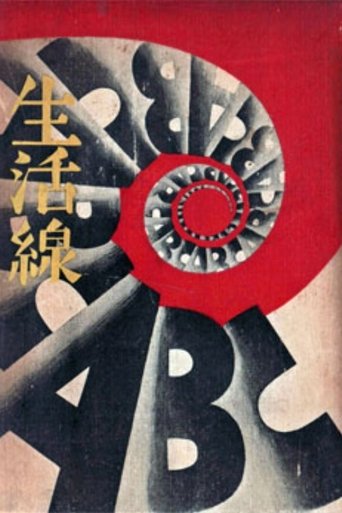
6.7Japanese silent film directed by Yasujirô Shimazu, originally released as a two-part movie on December 11, 1931.
ABC Lifeline
1931
Film credits
1940s · 1 titles
1930s · 24 titles
6.8A period piece about the love of a wealthy blind woman, a teacher of koto and shamisen, and her devoted manservant. Based on a novella by Tanizaki Junichiro.
Okoto and Sasuke
1935
6.6Mikio Naruse’s final silent film is a gloriously rich portrait of a waitress, Sugiko, whose life, despite a host of male admirers and even some intrigued movie talent scouts, ends up taking a suffocatingly domestic turn after a wealthy businessman accidentally hits her with his car.
Street Without End
1934
NRApproaching their graduation ceremony, Saegusa, Sanae, and their classmates go on an overnight trip to Hakone with their teacher Ms. Kawahara, who will soon leave school. They thank her doing so and go on their respective paths, ending soon their student life.
Hotaru no hikari
1938
8.5The eldest daughter of a noble family is in love with an aviator while being courted by a fellow aristocrat she thinks is a dullard. This part is told from the perspective of Akemi.
The New Road: Akemi
1936
6.7Japanese silent film directed by Yasujirô Shimazu, originally released as a two-part movie on December 11, 1931.
ABC Lifeline
1931
 7.0
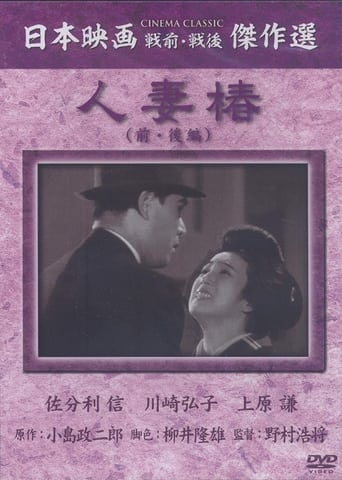
7.0The narrative is about a woman who faces hard times, when her husband is arrested for a crime committed by his boss. The woman also has a child to look after, and they end up meeting several colorful personalities.
Housewife Camellia
1936
 NR
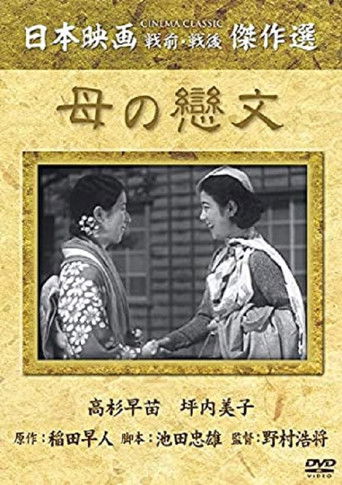
NRDomestic comedy involving a strong wife and a "henpecked" husband taking place in a family-run judo school.
Mother's Love Letter
1935
 7.5
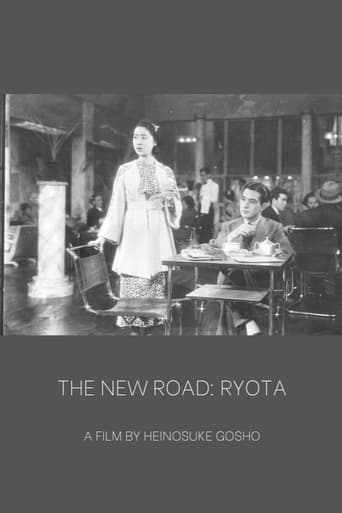
7.5The eldest daughter of a noble family is in love with an aviator while being courted by a fellow aristocrat she thinks is a dullard. Told from the perspective of Ryota. In this second part, we learn that Akemi is pregnant...
The New Road: Ryota
1936
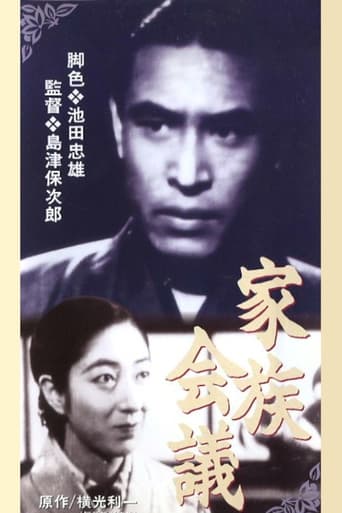 NR
NRA melodrama about a businessman's relations with the three women in his life.
Family Meeting
1936
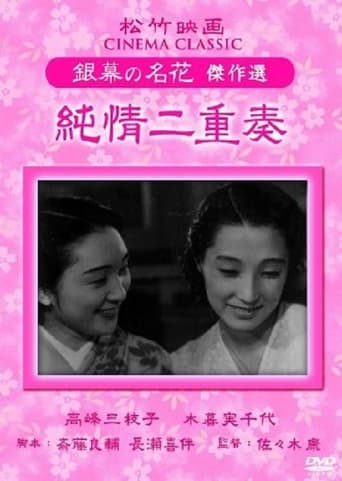 7.0
7.0Melodrama about a talented singer who finally makes her debut
Lovers' Duet
1939
No synopsis available yet.
Reijin
1930
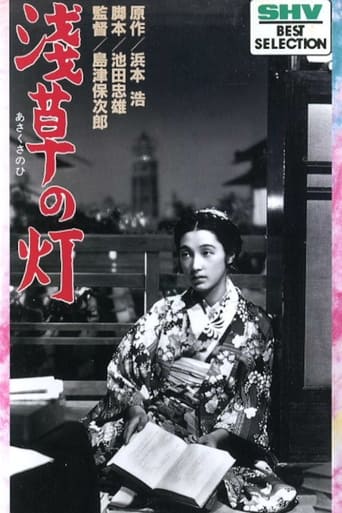 6.0
6.0Pre-war Asakusa was a riotous district of cabarets, dance-halls and brothels - a striking backdrop for Shimazu's story of innocence and experience. Pretty, young Reiko is the new dancer in an infamous theatre troupe, and her fellow performers try to protect her virtue in a land of vice. Meanwhile, an ageing actor wants to be a hero off stage as well as on, and the troupe matriarch Marie has to keep them all together.
The Lights of Asakusa
1937
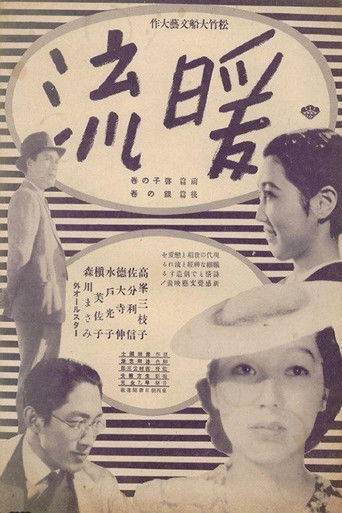 5.2
5.2Adaptation of Kishida Kunio's novel. Set against the backdrop of a power struggle within a hospital, depicts the love lives of the director's daughter, the administrative director, a doctor, and a nurse.
Warm Current
1939
 NR
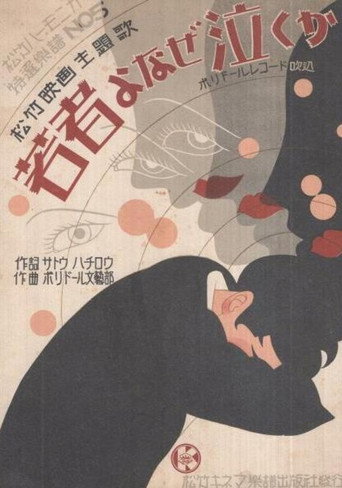
NRA modern girl suddenly intrudes into a widower's family home.
Youth, Why Do You Cry?
1930
Based on the Sakatayama double suicide
Tengoku ni musubu koi
1932
 8.0
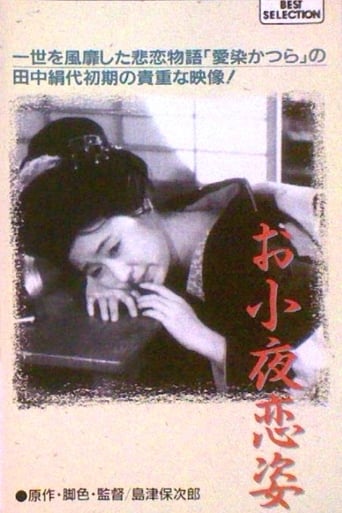
8.0The poor novelist Yamamoto is writing his novel, determined and with a headband around his head. With him, the novelist who is always in trouble paying his bills, is the girl Saya who becomes the model for his novel. Saya however is in love with a young driver. When he is forced to move into a spa town as the result of the jealousy of another man Saya is terribly sad. But with the help of Yamamoto the driver's rival can be revealed and Saya can finally be with her beloved.
Osayo Koi Sugata
1934
 NR
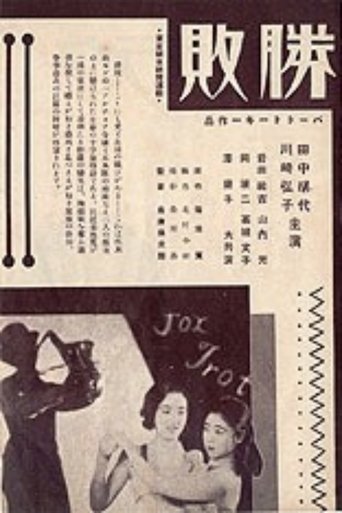
NRJapanese film from 1932, adapted from the novel by Kan Kikuchi. The first sound film from director Yasujiro Shimazu.
Victory or Defeat
1932
Japanese silent film from 1930.
A Smiling Life
1930
Shirō Kuroki, the adopted son of the Yamada family, shares a deep and mutual love with his foster sister, Kinuko Yamada. His commitment to political and social causes, however, provokes the anger of his foster father, who casts him out of the household. Forced into exile, Shirō faces hardship and struggle. The film was based on a serialized novel written by the poet Byakuren (real name Akiko Yanagiwara) and echoes the real-life scandal known as the Byakuren incident.
Song of Youth
1930
Japanese drama from 1934. A major production of Shochiku Studio, directed by Hiroshi Shimizu.
Mother of the East
1934
 9.0
9.0Record of Love and Desire a.k.a. Desire of Night (愛慾の記[b], Aiyoku no ki; lit. "Memories of Love and Desire") is a 1930 Japanese silent film directed by Heinosuke Gosho, starring Kinuyo Tanaka and Ichirō Yuki.
Record of Love and Desire
1930
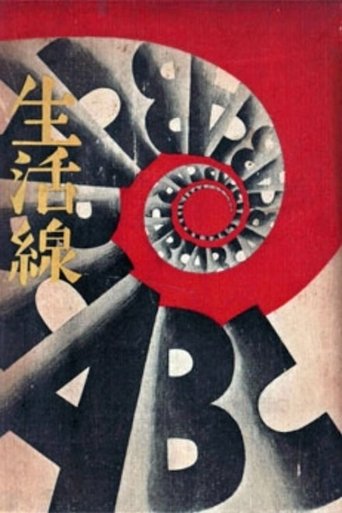 NR
NRFirst chapter of Tasujiro Shimazu's ABC Lifeline, released two months before ABC Lifeline: Part 1 and ABC Lifeline: Part 2.
ABC Lifeline: Fujieda Chapter
1931
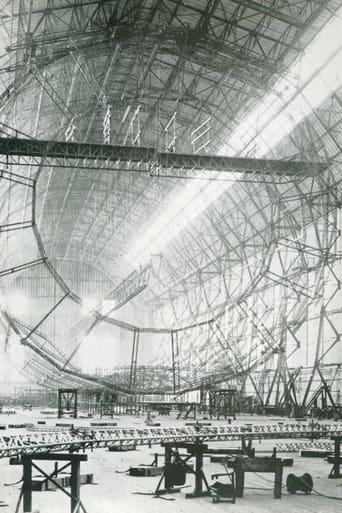 10.0
10.0Film by Hiroshi Shimizu, featuring an early role for frequent Ozu and Naruse collaborator Hideko Takamine.
Passion
1932
Japanese film from 1932.
My Brother's a Fool
1932
1920s · 4 titles
Directed by Yutaka Abe (as Jack Abe).
A Mermaid on Land
1926
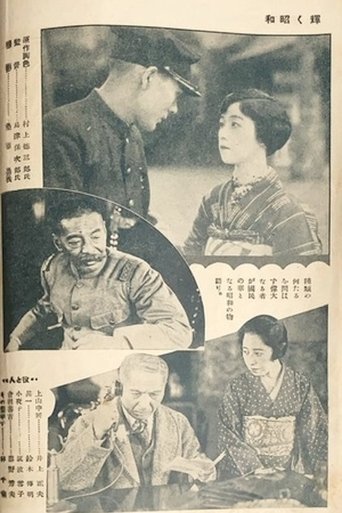 NR
NRJapanese silent film from 1928.
The Glory of the Shōwa Era
1928
Japanese film from 1929.
Scenes of Love
1929
A feature-length work based on Kan Kikuchi’s newspaper novel, adapted for the screen by Kōgo Noda. With performances by stars such as Shizue Ryūda, Kinuyo Tanaka, and Yukiko Tsukuba, alongside handsome leading men like Shin’ichirō Komura, Hikaru Yamauchi, and Ichirō Yūki, the film outshone its contemporaries. The collaboration between director Heinosuke Gosho and cinematographer Mitsuo Miura, recently returned from America, gave rise to a work of first-class quality in the Japanese film world, distinguished by its brilliance and delicacy.
The Model of New Women
1929
Behind the camera
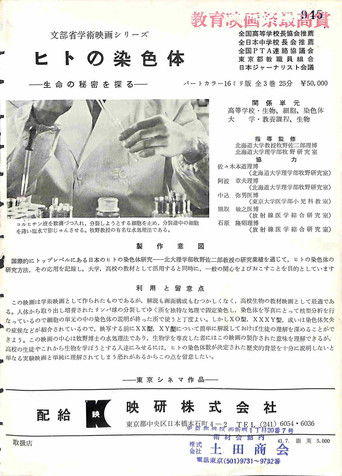 NR
NRNo synopsis available yet.
ヒトの染色体
1966
No synopsis available yet.
美しい国土―その生いたち―
1964
 NR
NRCameraman Yonesaku Kobayashi (1905-2005) is a pioneer of scientific films of Japan. He and producer Sozo Okada made many scientific educational films, and in 60's - 70's, many avant-garde composers composed music for these films.
The World of Pulses - Electronics and Living Organism
1962
 NR
NRCameraman Yonesaku Kobayashi (1905-2005) is a pioneer of scientific films of Japan. He and producer Sozo Okada made many scientific educational films, and in 60's - 70's, many avant-garde composers composed music for these films.
Electronic Processes - In Crystal and Living Organism
1964
 NR
NRCameraman Yonesaku Kobayashi (1905-2005) is a pioneer of scientific films of Japan. He and producer Sozo Okada made many scientific educational films, and in 60's - 70's, many avant-garde composers composed music for these films.
Life is Born
1963
No synopsis available yet.
Mikuro no sekai: Kekkakukin o otte
1958
This unusual film uses beautiful images and powerful music to depict the function of lubricants used in steel mill rolls and airplane jet engines.
Lubricating Oil
1960