
Writing
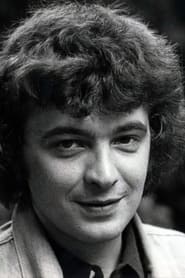
Jean-Patrick Manchette
Born — Died
1942-12-19 — 1995-06-03
Place of birth
Marseille, Bouches-du-Rhône, France
Known for
Writing
Credits
9 titles
Jean-Patrick Manchette (19 December 1942, Marseille – 3 June 1995, Paris) was a French crime novelist credited with reinventing and reinvigorating the genre. He wrote ten short novels in the seventies and early eighties, and is widely recognized as the foremost French crime fiction author of that period. His stories are violent explorations of the human condition and French society. Manchette was politically to the left and his writing reflects this through his analysis of social positions and culture. Eight of his eleven novels have been translated into English. Two were published by San Francisco publisher City Lights Books—3 To Kill (from the French Le petit bleu de la côte ouest) and Th…
Known for
 8.5
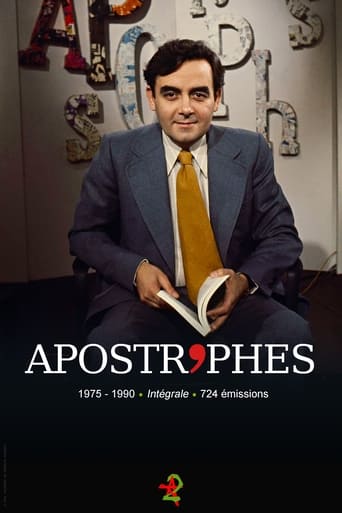
8.5Apostrophes was a live, weekly, literary, prime-time, talk show on French television created and hosted by Bernard Pivot. It ran for fifteen years (724 episodes) from January 10, 1975, to June 22, 1990, and was one of the most watched shows on French television (around 6 million regular viewers). It was broadcast on Friday nights on the channel France 2 (which was called "Antenne 2" from 1975 to 1992). The hourlong show was devoted to books, authors and literature. The format varied between one-on-one interviews with a single author and open discussions between four or five authors.
Apostrophes
1975
 4.8
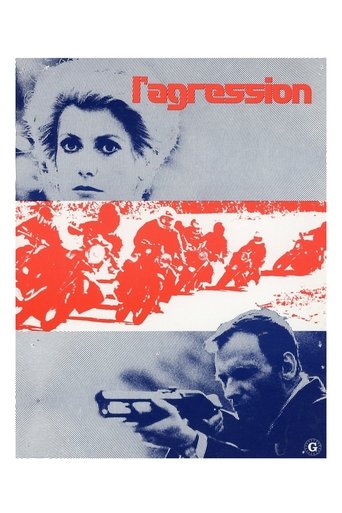
4.8After his wife and daughter are raped and killed by a motorbike gang, a man sets out to take revenge.
Act of Aggression
1975
 5.5
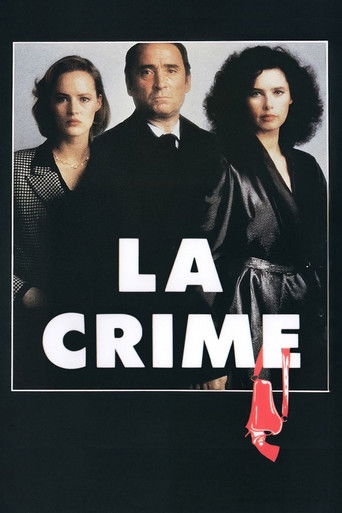
5.5A well-known business lawyer is shot dead in the courthouse. A commissioner of the Criminal Brigade is in charge of the investigation and is helped by a journalist.
Cover Up
1983
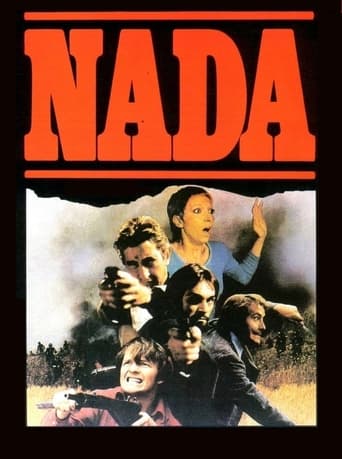 6.0
6.0Nada, named after a gang of Spanish anarchists, is a small, confused band of French terrorists. They kidnap the American ambassador after one of his regular visits to an exclusive brothel. The gang starts to quarrel amongst themselves as to the diplomat's fate, while the police purge suspects in their attempts to destroy the Nada faction. As the violence escalates on both sides, the States and the terrorists are forced to use one another's methods in an increasingly desperate and relentless conflict.
The Nada Gang
1974
French short adaptation of Herman Melville's classic. The employee of a lawyer is in a mental hospital following a scandal. Some time later, he finds his employer.
Bartleby
1970
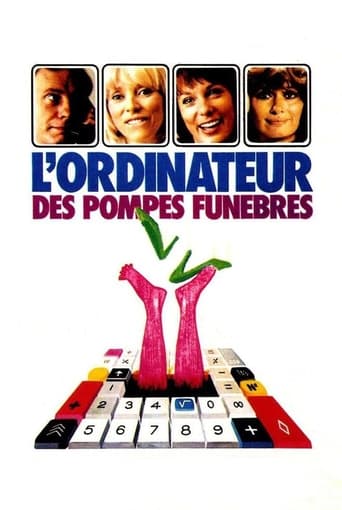 4.2
4.2Fred works for an insurance company as a computer engineer. He is bored with enduring the trials of his shrewish wife, so, after using actuarial tables to calculate the most common means of death, he cleverly prepares the family bathroom and brings about her demise. For a while he is content with his new freedom, but then he recognizes that a friend is in a similar situation.
The Probability Factor
1976
Film credits
Series credits
Behind the camera
4.8After his wife and daughter are raped and killed by a motorbike gang, a man sets out to take revenge.
Act of Aggression
1975
5.5A well-known business lawyer is shot dead in the courthouse. A commissioner of the Criminal Brigade is in charge of the investigation and is helped by a journalist.
Cover Up
1983
6.0Nada, named after a gang of Spanish anarchists, is a small, confused band of French terrorists. They kidnap the American ambassador after one of his regular visits to an exclusive brothel. The gang starts to quarrel amongst themselves as to the diplomat's fate, while the police purge suspects in their attempts to destroy the Nada faction. As the violence escalates on both sides, the States and the terrorists are forced to use one another's methods in an increasingly desperate and relentless conflict.
The Nada Gang
1974
4.2Fred works for an insurance company as a computer engineer. He is bored with enduring the trials of his shrewish wife, so, after using actuarial tables to calculate the most common means of death, he cleverly prepares the family bathroom and brings about her demise. For a while he is content with his new freedom, but then he recognizes that a friend is in a similar situation.
The Probability Factor
1976
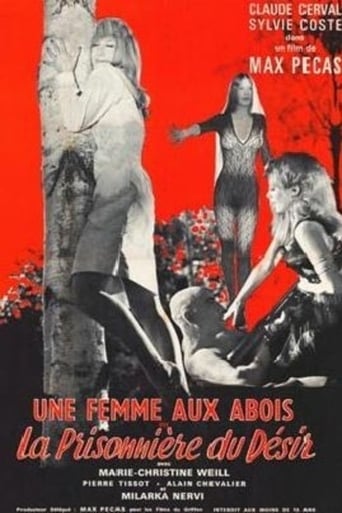 4.1
4.1While entertaining her lover one weekend, a woman's marriage is threatened by the sudden appearance of her evil step-brother. Beyond using her home to hide from the police after his recent heist, he also blackmails her in to a horrendous weekend filled with debauchery and violence. After her ordeal she is anything but bored.
The Slave
1967
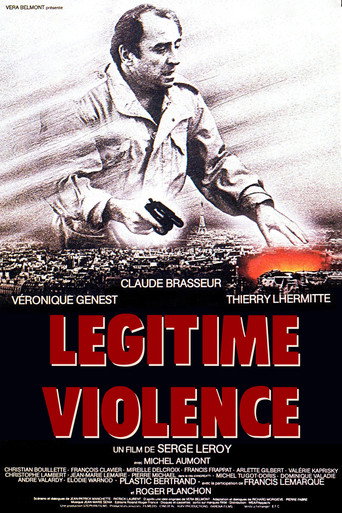 5.3
5.3In the course of a violent hold-up at Deauville station, several innocent bystanders are shot dead. The victims include a politician, Robert Andréani, and three members of the same family. Devastated by the death of his wife, daughter and mother, Martin Modot resolves that their killers will be brought to justice. When the police fail to make any progress in their investigation, he decides to take matters into his own hands, with the support of a neo-fascist vigilante organization.
Legitimate Violence
1982
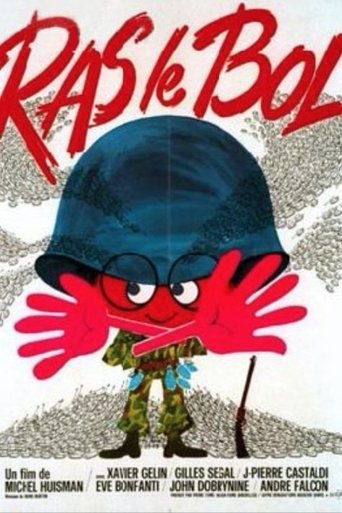 7.0
7.0Bert, a young Belgian advertiser, is forced to carry out his military service, a long and painful journey for him. He strongly feels the absence of Jonquille, his fiancée. On the other hand, he clashes with everybody else, whether his superiors like Captain Luxembourg and Commander Stella or the other officer cadets. He has only one friend, Michel, a communist...
Ras le bol
1973