
Acting
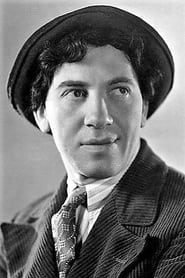
Chico Marx
Born — Died
1887-03-21 — 1961-10-11
Place of birth
New York City, New York, USA
Known for
Acting
Credits
43 titles
Leonard "Chico" Marx (March 22, 1887 – October 11, 1961) was an American comedian and film star as part of the Marx Brothers. His persona in the act was that of a dim-witted con artist, seemingly of rural Italian origin, who wore shabby clothes, and sported a curly-haired wig and Tyrolean hat. Description above from the Wikipedia article Chico Marx, licensed under CC-BY-SA, full list of contributors on Wikipedia.
Known for
 7.0
7.0Four panelists must determine guests' occupations - and, in the case of famous guests, while blindfolded, their identity - by asking only "yes" or "no" questions.
What's My Line?
1950
 6.9
6.9The Colgate Comedy Hour is an American comedy-musical variety series that aired live on the NBC network from 1950 to 1955. The show starred many notable comedians and entertainers of the era, including Eddie Cantor, Dean Martin and Jerry Lewis, Fred Allen, Donald O'Connor, Bud Abbott and Lou Costello, Bob Hope, Jimmy Durante, Ray Bolger, Gordon MacRae, Ben Blue, Robert Paige, Tony Curtis, Burt Lancaster, Broadway dancer Wayne Lamb and Spike Jones and His City Slickers.
The Colgate Comedy Hour
1950
 7.5
7.5Playhouse 90 is an American television anthology series that was telecast on CBS from 1956 to 1960 for a total of 133 episodes. It originated from CBS Television City in Los Angeles, California. Since live anthology drama series of the mid-1950s were usually hour-long shows, the title highlighted the network's intention to present something unusual, a weekly series of hour-and-a-half dramas rather than 60-minute plays. Playhouse 90 began as a pitch by Frank Stanton—the formidable, forward-thinking right-hand man to CBS chairman William S. Paley—during a brainstorming session for program ideas. The project was ultimately developed by Hubbell Robinson, a CBS vice president who received no screen credit on Playhouse 90 but is often described as its creator.
Playhouse 90
1956
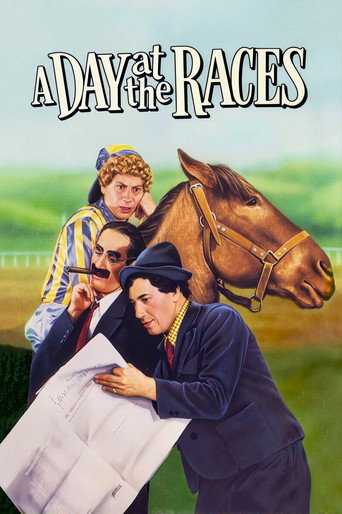 7.1
7.1Doctor Hugo Hackenbush, Tony, and Stuffy try and save Judy's sanitarium by winning a big race with a finicky horse owned by Judy's boyfriend Gil. There are a few problems. Hackenbush, who was recently put in charge of the sanitarium, isn't really a doctor, he's a veterinarian.
A Day at the Races
1937
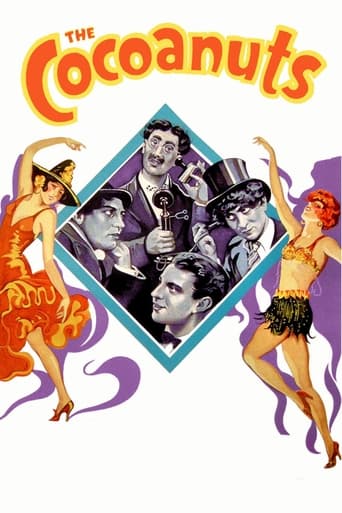 6.5
6.5During the Florida land boom, the Marx Brothers run a hotel, auction off some land and thwart a jewel robbery.
The Cocoanuts
1929
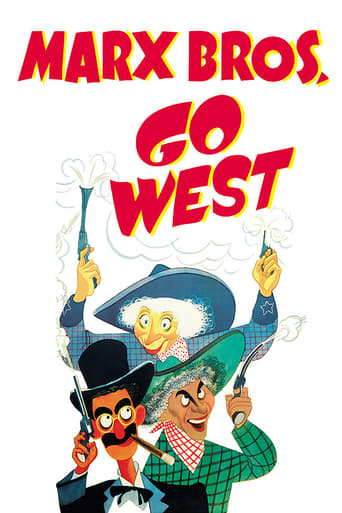 6.6
6.6A con man heading west to search for gold teams up with a pair of scheming brothers along the way. The trio soon find themselves in the middle of a feud between two rival families and two underhanded land developers.
Go West
1940
Film credits

1990s · 1 titles
1980s · 4 titles
 9.0
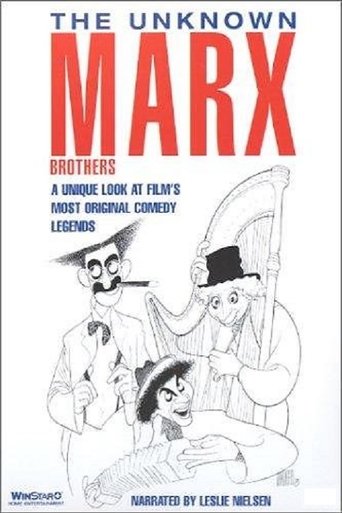
9.0A fascinating look at the most beloved comedy team in motion picture history. Exclusive interviews with those closest to the brothers supplement this collection of highlights from their film, theater, and television appearances and offer a compelling look at their lives both on and off-screen.
The Marx Brothers in a Nutshell
1982
 7.0
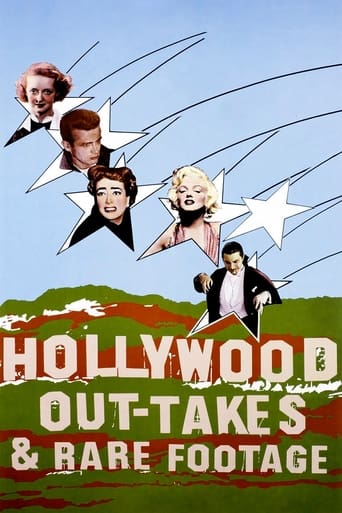
7.0Out-takes (mostly from Warner Bros.), promotional shorts, movie premieres, public service pleas, wardrobe tests, documentary material, and archival footage make up this star-studded voyeuristic look at the Golden age of Hollywood during the 30s, 40, and 50.
Hollywood Out-takes and Rare Footage
1983
 6.0
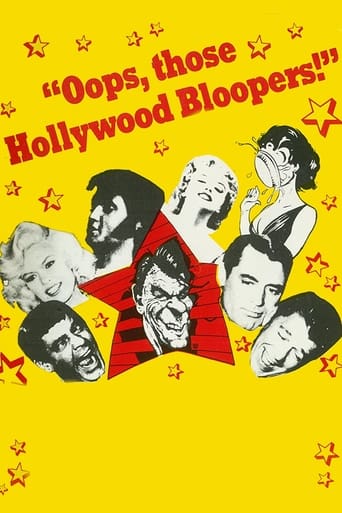
6.0A collection of bloopers and outtakes from an enormous selection of Hollywood classic productions spanning from the 1930s through the 1980s.
Oops, Those Hollywood Bloopers!
1982
 7.0
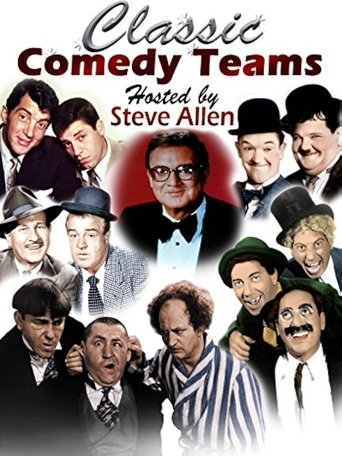
7.0Steve Allen hosts this collection of clips of some of the greatest comedy teams in movie and television history, including Our Gang, Laurel and Hardy, The Marx Brothers, Burns and Allen, The Three Stooges, The East-Side Kids, Abbott and Costello, and Martin and Lewis.
Classic Comedy Teams
1986
1970s · 3 titles
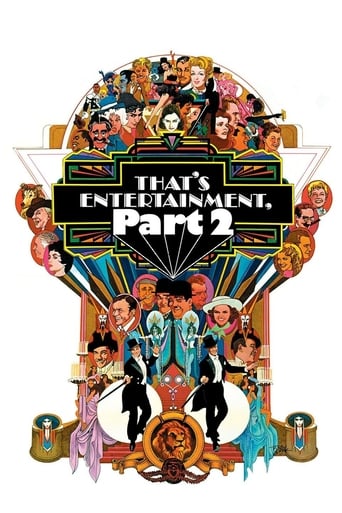 7.0
7.0Gene Kelly and Fred Astaire present more golden moments from the MGM film library, this time including comedy and drama as well as classic musical numbers.
That's Entertainment, Part II
1976
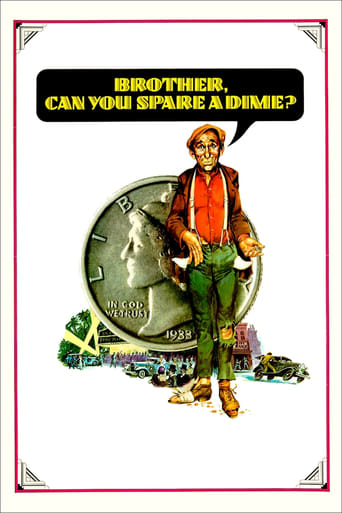 6.3
6.3Period music, film clips and newsreel footage combined into a visual exploration of the American entertainment industry during the Great Depression.
Brother, Can You Spare a Dime?
1975
 7.4
7.4A documentary about the glorious history of Metro-Goldwyn-Mayer Studios and its decline leading to the sale of its back lot and props. By extension this provides a general history of Hollywood's Golden Age and the legendary studio system.
Hollywood: The Dream Factory
1972
1960s · 1 titles
1950s · 4 titles
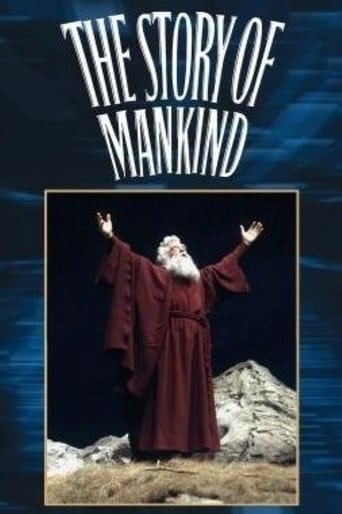 4.4
4.4The devil and the spirit of mankind argue as to whether or not humanity is ultimately good or evil.
The Story of Mankind
1957
 7.0
7.0Short promotional film for a Saturday Evening Post sales convention.
Showdown at Ulcer Gulch
1956
 8.0
8.0An airliner flying nonstop at night from Miami to New York fails to check in, then disappears from radar. We see how its disappearance affects people on the ground.
No Time at All
1958
 NR
NRHarpo and Chico play Harry and Nick, two inept would-be robbers who try to pull a jewelry heist.
The Incredible Jewel Robbery
1959
1940s · 6 titles
6.6A con man heading west to search for gold teams up with a pair of scheming brothers along the way. The trio soon find themselves in the middle of a feud between two rival families and two underhanded land developers.
Go West
1940
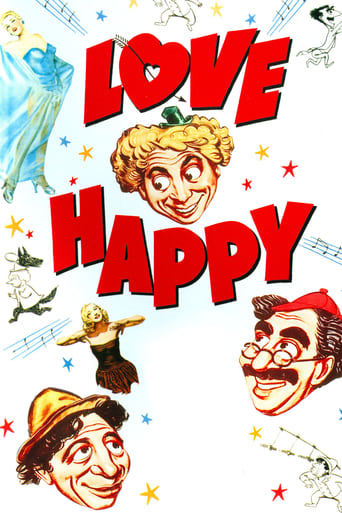 5.8
5.8The Marx Brothers help young Broadway hopefuls when they get mixed up with gangsters due to a tin of sardines containing Romanoff diamonds.
Love Happy
1949
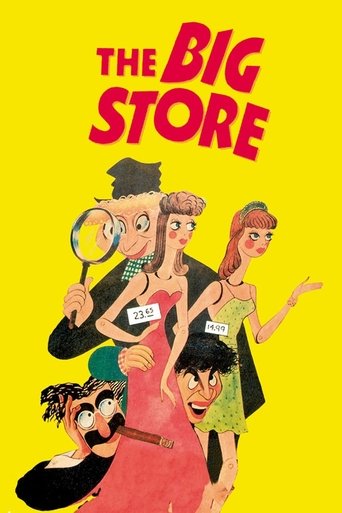 6.3
6.3A detective is hired to protect the life of a singer, who has recently inherited a department store, from the store's crooked manager.
The Big Store
1941
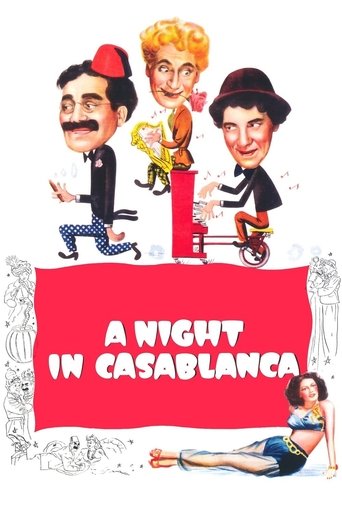 6.8
6.8The Marx Brothers are employed at a hotel in postwar Casablanca, where a ring of Nazis is trying to recover a cache of stolen treasure.
A Night in Casablanca
1946
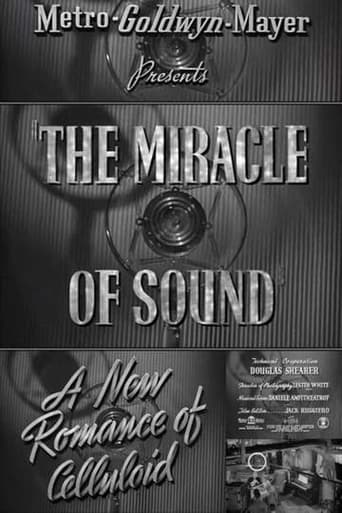 6.8
6.8This short documentary, presented and directed by MGM sound engineer Douglas Shearer, goes behind the scenes to look at how the sound portion of a talking picture is created.
A New Romance of Celluloid: The Miracle of Sound
1940
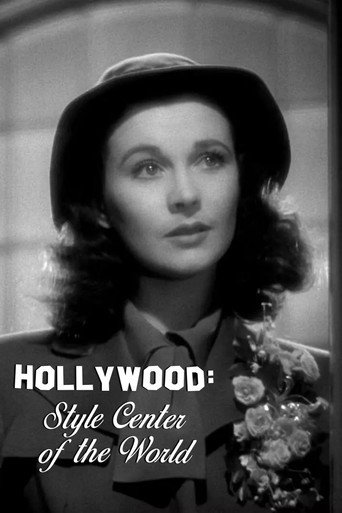 5.8
5.8An MGM short promoting the studio's impact on fashion through film through their chief of costume design, Adrian; in rural America, a mother and daughter are shopping and observe a designer dress worn by Joan Crawford in a recent movie.
Hollywood: Style Center of the World
1940
1930s · 15 titles
7.1Doctor Hugo Hackenbush, Tony, and Stuffy try and save Judy's sanitarium by winning a big race with a finicky horse owned by Judy's boyfriend Gil. There are a few problems. Hackenbush, who was recently put in charge of the sanitarium, isn't really a doctor, he's a veterinarian.
A Day at the Races
1937
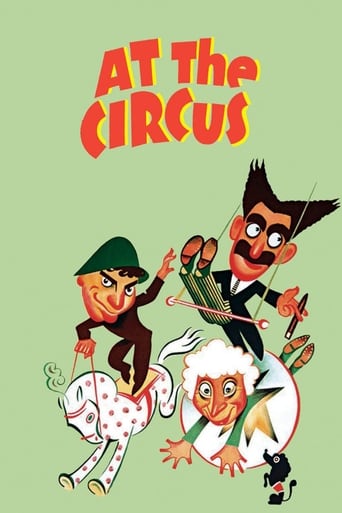 6.4
6.4Jeff Wilson, the owner of a small circus, owes his partner Carter $10,000. Before Jeff can pay, Carter's accomplices steal the money so he can take over the circus. Antonio Pirelli and Punchy, who work at the circus, together with lawyer Loophole try to find the thief and get the money back.
At the Circus
1939
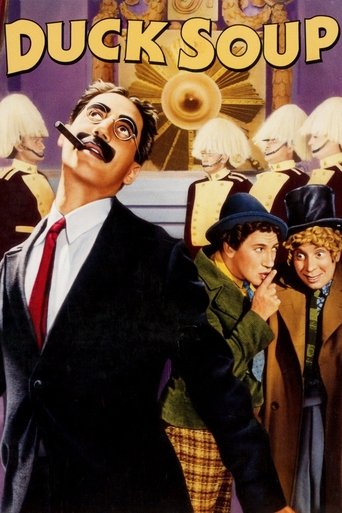 7.3
7.3Rufus T. Firefly is named president/dictator of bankrupt Freedonia and declares war on neighboring Sylvania over the love of wealthy Mrs. Teasdale.
Duck Soup
1933
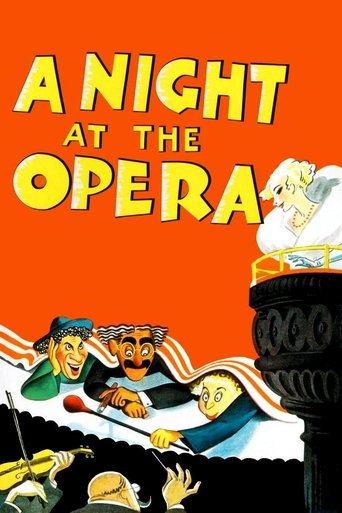 7.4
7.4The Marx Brothers take on high society and the opera world to bring two lovers together. A sly business manager and two wacky friends of two opera singers help them achieve success while humiliating their stuffy and snobbish enemies.
A Night at the Opera
1935
 NR
NRComedian Lloyd Hamilton escorts a group of beauty contest winners to various Hollywood night spots.
Hollywood on Parade No. B-5
1933
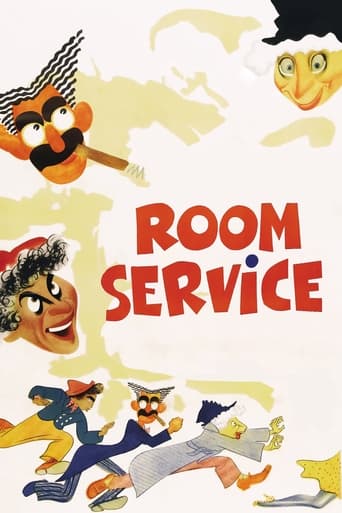 6.5
6.5Broke Gordon Miller tries to land a backer for his new play while he has to deal with with the hotel manager trying to evict him and his cast.
Room Service
1938
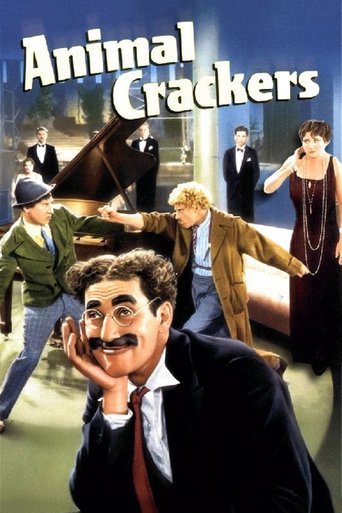 6.9
6.9The well-known explorer and hunter Captain Spaulding has just returned from Africa, and is being welcomed home with a lavish party at the estate of influential society matron Mrs. Rittenhouse when a valuable painting goes missing. The intrepid Captain Spaulding attempts to solve the crime with the help of his silly secretary Horatio Jamison, while sparring with the anarchic Signor Emanuel Ravelli and his nutty sidekick The Professor.
Animal Crackers
1930
NREssentially an advertisement for Murder at the Vanities (1934). Features Chico Marx, W.C. Fields, Duke Ellington and many others.
Hollywood on Parade No. B-10
1934
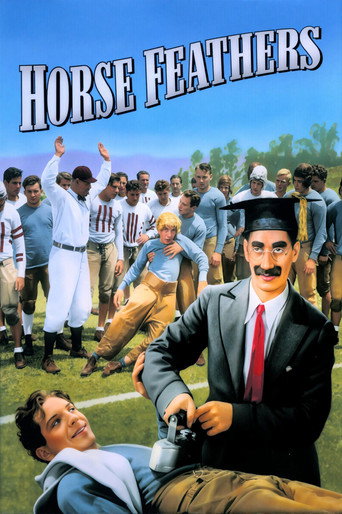 6.9
6.9Quincy Adams Wagstaff, the new president of Huxley U, hires bumblers Baravelli and Pinky to help his school win the big football game against rival Darwin U.
Horse Feathers
1932
 8.5
8.5The House That Shadows Built (1931) is a short feature, roughly 48 minutes long, from Paramount Pictures made to celebrate the 20th anniversary of the studio's founding in 1912. It was a promotional film for exhibitors and never had a regular theatrical release and includes a brief history of Paramount, interviews with various actors, and clips from upcoming projects (some of which never came to fruition). The title comes from a biography of Paramount founder Adolph Zukor, The House That Shadows Built (1928), by William Henry Irwin.
The House That Shadows Built
1931
 6.9
6.9Four stowaways get mixed up with gangsters while running riot on an ocean liner.
Monkey Business
1931
 5.0
5.0An MGM short showing how materials are shipped by boat 'From the Ends of the Earth' to Hollywood. Featuring footage from the MGM films being made at the time. Such as The Women, Thunder Afloat, Siren of the Tropics, Ninotchka, Northwest Passage, and At the Circus.
From the Ends of the Earth
1939
 8.7
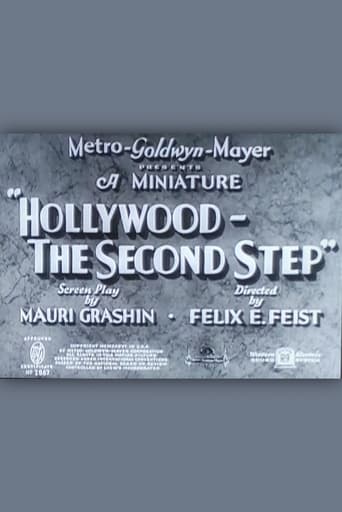
8.7This short follows the early career of actress Jane Barnes. She starts by doing extra work. After several months she is offered a studio contract (the "first step"). However, her work consists mostly of fashion shoots and bit parts that end up on the cutting room floor. She is even used as a stand-in for Maureen O'Sullivan on the set of a Tarzan movie when camera angles and lighting must be set up.
Hollywood - The Second Step
1936
 5.2
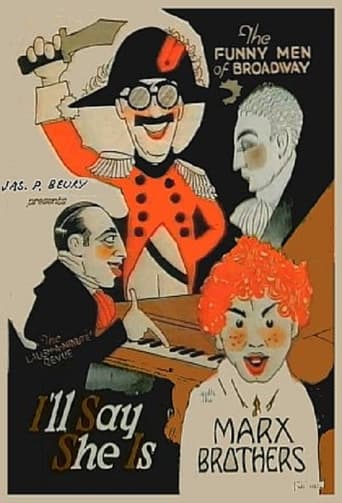
5.2In the office of Mr. Lee, a talent agent, Zeppo bursts through the door, proclaiming to be a great musical actor. He gives a terrible impression of Maurice Chevallier. Chico arrives, also proclaiming to be a great musical talent, and gives an even worse impression of the same musical act. This is followed by Groucho and finally Harpo, all adding to the growing confusion in the office.
I'll Say She Is
1931
 NR
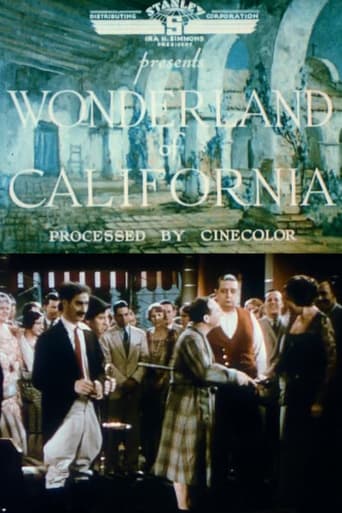
NRShort film made up of various clips showcasing the Cinecolor process, including a visit to a Marx Brothers film set. Preserved by the Academy Film Archive in partnership with The Film Foundation.
Wonderland of California
1933
1920s · 2 titles
6.5During the Florida land boom, the Marx Brothers run a hotel, auction off some land and thwart a jewel robbery.
The Cocoanuts
1929
 9.0
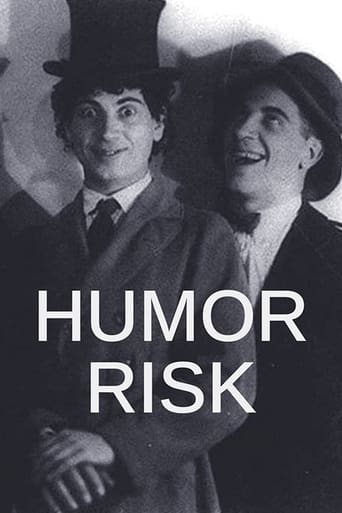
9.0Harpo played the hero, a detective named Watson who "made his entrance in a high hat, sliding down a coal chute into the basement". Groucho played an "old movie" villain, who "sported a long moustache and was clad in black", while Chico was probably his "chuckling [Italian] henchman". Zeppo portrayed a playboy who was the owner of a nightclub in which most of the action took place, including "a cabaret, [which allowed] the inclusion of a dance number". The final shot showed Groucho "in ball and chain, trudging slowly off into the gloaming". Harpo, in a rare moment of romantic glory, gets the girl in the end. This film is lost.
Humor Risk
1921
Series credits
7.0Four panelists must determine guests' occupations - and, in the case of famous guests, while blindfolded, their identity - by asking only "yes" or "no" questions.
What's My Line?
1950
6.9The Colgate Comedy Hour is an American comedy-musical variety series that aired live on the NBC network from 1950 to 1955. The show starred many notable comedians and entertainers of the era, including Eddie Cantor, Dean Martin and Jerry Lewis, Fred Allen, Donald O'Connor, Bud Abbott and Lou Costello, Bob Hope, Jimmy Durante, Ray Bolger, Gordon MacRae, Ben Blue, Robert Paige, Tony Curtis, Burt Lancaster, Broadway dancer Wayne Lamb and Spike Jones and His City Slickers.
The Colgate Comedy Hour
1950
7.5Playhouse 90 is an American television anthology series that was telecast on CBS from 1956 to 1960 for a total of 133 episodes. It originated from CBS Television City in Los Angeles, California. Since live anthology drama series of the mid-1950s were usually hour-long shows, the title highlighted the network's intention to present something unusual, a weekly series of hour-and-a-half dramas rather than 60-minute plays. Playhouse 90 began as a pitch by Frank Stanton—the formidable, forward-thinking right-hand man to CBS chairman William S. Paley—during a brainstorming session for program ideas. The project was ultimately developed by Hubbell Robinson, a CBS vice president who received no screen credit on Playhouse 90 but is often described as its creator.
Playhouse 90
1956
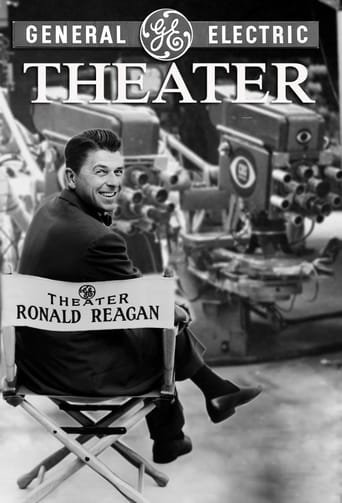 6.8
6.8General Electric Theater is an American anthology series hosted by Ronald Reagan that was broadcast on CBS radio and television. The series was sponsored by General Electric's Department of Public Relations.
General Electric Theater
1953
A short-lived change of format for the talk show "Tonight Starring Steve Allen". The co-hosts Steve Allen and Ernie Kovacs were dismissed, and the series changed into a news show. Jack Lescoulie and Al "Jazzbo" Collins served as the new hosts, while Hy Gardner conducted the interviews. The news show suffered from low ratings, and several NBC affiliates dropped the show. NBC then changed the format back into a talk show, under the title "Tonight Starring Jack Paar".
America After Dark
1957