
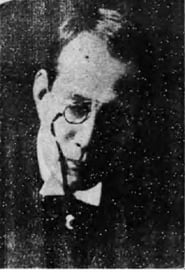
Acting
Kaichi Yamamoto
Born — Died
1877-09-06 — 1939-12-17
Place of birth
Tokyo, Japan
Known for
Acting
Credits
28 titles
Kaichi Yamamoto, also known as Yamakichi, was a distinguished Japanese actor renowned for his performances in both contemporary and period films. He was a prominent figure at Nikkatsu studios following the era of Onoe Matsunosuke. At the age of 18 in 1895, he joined the "Kawakami Onjuro Troupe," a prominent New School (Shinpa) theater group led by Onjuro Kawakami. Four years later, at the age of 22, Yamamoto participated in the troupe's overseas performances, including those in the United States, showcasing his talent on international stages. In 1917, he was invited to join the Nikkatsu Mukojima Studio, where he transitioned to film acting after a prolific 22-year theatrical career, shortly…
Known for
Directed by Kensaku Suzuki.
Anguish of a Human Being
1923
1938 Theater of Life adaptation.
Jinsei Gekijo: Zankyaku hen
1938
The sequel to the 1935 film Great Bodhisattva Pass
Great Bodhisattva Pass 2
1936
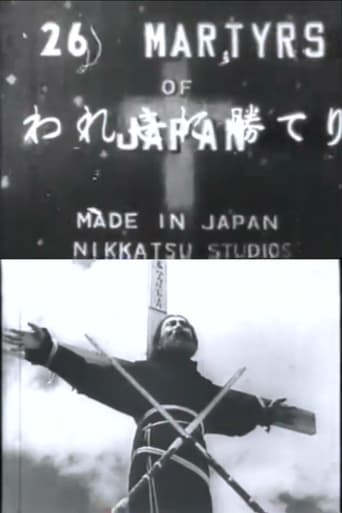 7.0
7.0Jesuit priests in Japan during the 17th century are persecuted by the shogunate to for trying to spread Christianity.
The 26 Martyrs of Japan
1931
A 1937 Japanese language film directed by Tomu Uchida, starring Ryo Akaboshi, Mitsuru Date and Hisao Furutani.
The Naked Town
1937
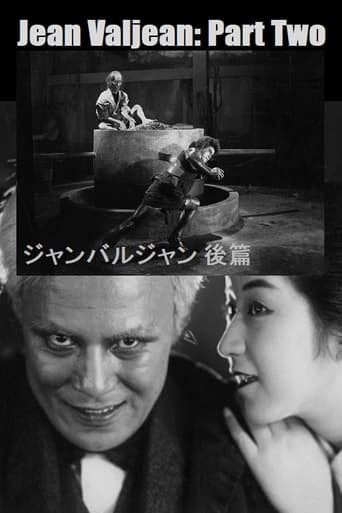 NR
NRThe second part of the melodrama based on the novel Les Misérables by Victor Hugo, the action of which is transferred to the era of the Meiji Revolution. The film has not survived.
Jean Valjean: Part Two
1931
Film credits
1930s · 11 titles
1938 Theater of Life adaptation.
Jinsei Gekijo: Zankyaku hen
1938
The sequel to the 1935 film Great Bodhisattva Pass
Great Bodhisattva Pass 2
1936
7.0Jesuit priests in Japan during the 17th century are persecuted by the shogunate to for trying to spread Christianity.
The 26 Martyrs of Japan
1931
A 1937 Japanese language film directed by Tomu Uchida, starring Ryo Akaboshi, Mitsuru Date and Hisao Furutani.
The Naked Town
1937
NRThe second part of the melodrama based on the novel Les Misérables by Victor Hugo, the action of which is transferred to the era of the Meiji Revolution. The film has not survived.
Jean Valjean: Part Two
1931
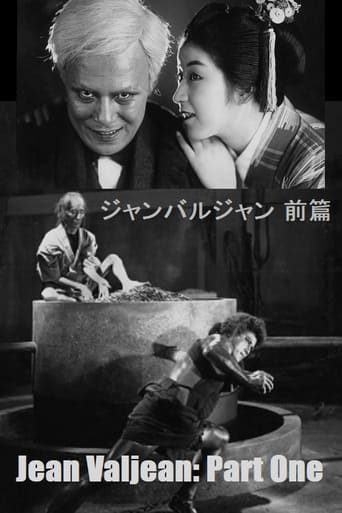 7.0
7.0The first part of a fascinating melodrama based on Victor Hugo's Les Misérables, the action of which is transferred to the era of the Meiji Revolution. The film has not survived.
Jean Valjean: Part One
1931
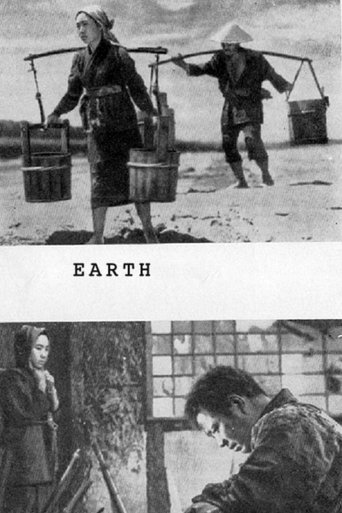 7.5
7.5Kanji is a poor peasant widower who struggles to earn a living for his daughter and himself and to pay off his father-in-law's debts.
Earth
1939
No synopsis available yet.
Happy Daughter
1934
No synopsis available yet.
Hatobue wo Fuku Onna
1932
In old Edo, Kakunojo (Chiezo), a dandy about town, falls in love with Oichi (Isuzu Yamada), whose merchant family is much beyond Kakunojo's status. He nevertheless pursues her until her initial disgust breaks down into fondness, then romantic feelings, inducing her to abandon her fiance on their wedding day.
Banquet Under the Midnight Sun
1932
Tōjin Okichi is a 1930 film by Kenji Mizoguchi based on the novel by Gisaburo Juichiya. Only 4 minutes have survived. The fragment has been published on DVD coupled with The Downfall of Osen (1935) by Digital MEME in 2007.
Mistress of a Foreigner
1930
1920s · 15 titles
Directed by Kensaku Suzuki.
Anguish of a Human Being
1923
An old potter despairs of having only two daughters and no son, hoping his apprentice will one day bring him an heir. The apprentice meets the eldest daughter but is disgusted by her. He decides to marry the younger daughter, who is in love with another man. Considered a lost film.
The Day Love Came Back
1923
When a nobleman is threatened by a family curse on his newly inherited estate, Sherlock Holmes is hired to investigate.
Moken no himitsu
1924
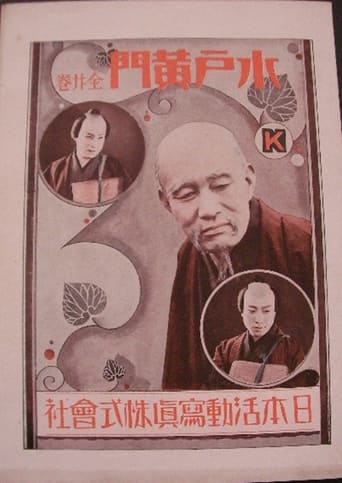 NR
NRNo synopsis available yet.
Mito Kōmon
1926
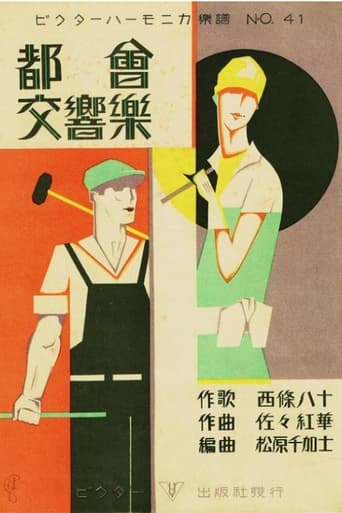 10.0
10.0A young woman seduced by a rich man, takes revenge on him with the help of a young idealistic worker. Considered a lost film.
Metropolitan Symphony
1929
An adaptation of Anna Christie, considered lost.
Foggy Harbour
1923
For nearly 300 years, Japan had been hermetically sealed to the outside world. When, in that pivotal year of 1854, the American Admiral Perry took the direct approach that the Dutch had been unwilling to take, the ruling Shogun knew that the dynasty was over. As the shogun began to open up to the outside world, the Sonno Joi movement called for this to be reversed...
Sonno Joi
1927
Shizuko hesitates between two suitors. While the one she marries commits suicide following a scandal, the other refuses to marry out of love for her. Considered a lost film.
Jihishincho
1927
Directed by Kensaku Suzuki.
Aiyoku no nayami
1923
A Japanese silent drama about two farmers
The Homeland
1923
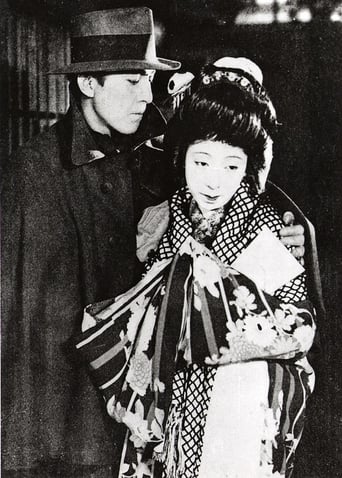 8.0
8.0Otane, the daughter of a thread shop owner in Ryogoku, is in love with Sumio, the son of an ivory craftsman who lives nearby. The two are united in a tatami room on the second floor of a soba restaurant. Soon Sumio goes to study in Paris, but during that time Otane realizes that she is pregnant with Sumio's child. Considered a lost film.
A Paper Doll's Whisper of Spring
1926
Directed by Eizo Tanaka.
Skull Dance
1923
Directed by Minoru Murata.
日輪 前篇
1926
The legendary tale of the forty-seven samurai and their mission to avenge the death of their master.
Zōho kaitei Chūshingura
1927
 5.0
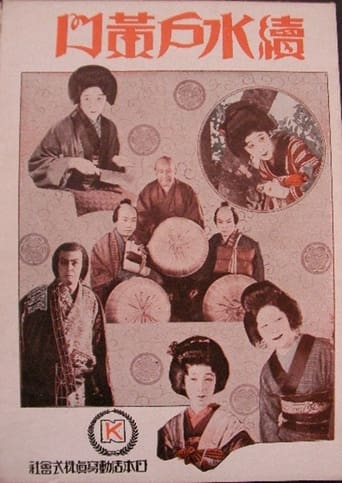
5.0The earliest existing version (incomplete) of Mito Komon history. It was one of the most famous (and most filmed) Jidaigeki stories. Lord Mito is the sage who wanders the countryside rectifying government corruption along with his faithful attendants Suke-san and Kaku-san.
Zoku Mito Kōmon
1928