
Directing
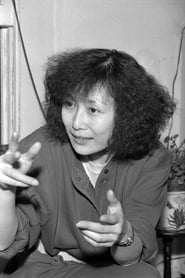
Christine Choy
Born — Died
1949-09-17 — 2025-12-07
Known for
Directing
Credits
38 titles
Christine Choy (born 1952) is a Chinese-born American documentary filmmaker. Choy was one of the first major Chinese American woman film makers. One of Choy's most acclaimed films, Who Killed Vincent Chin? (1988) is a multicultural film that was nominated for an Academy Award for best documentary.
Known for
 NR
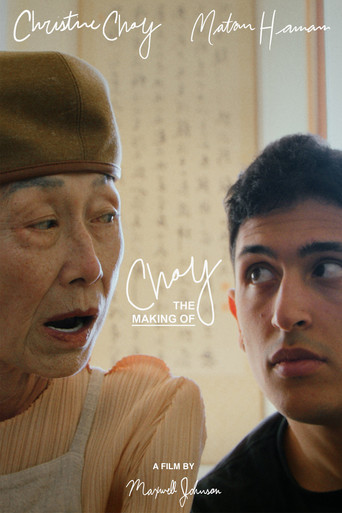
NRWhen a young filmmaker turns the camera on documentarian, Christine Choy, her eccentric behavior and unconventional wisdom challenge him to question the ethics of documentary filmmaking.
Choy: The Making Of
—
 6.0
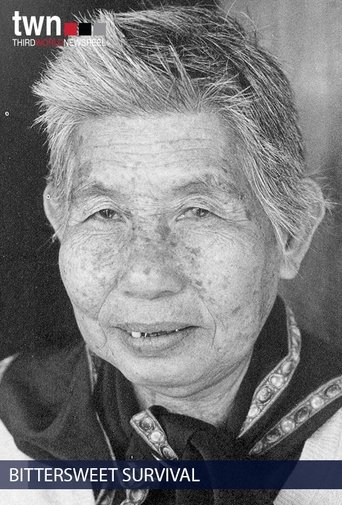
6.0This documentary examines the re-settlement of South-East Asian refugees in the United States in the aftermath of the Vietnam War. The film begins with a montage of riveting footage depicting the devastating effects of the war. It then unveils the mixed reception given Vietnamese refugees in the United States, from battles with local fishermen in Monterey, California, to conflicts in Philadelphia where their arrival in the city's poorest neighborhoods kindled resentment in the Black community. The film also explores their struggle to cope with life in the U.S. and maintain their identity.
Bittersweet Survival: Southeast Asian Refugees in America
1982
 NR
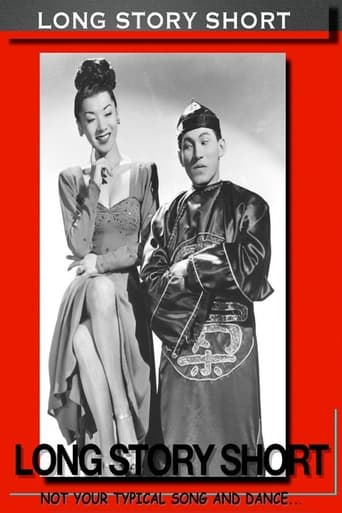
NRTells the story of Larry and Trudie Long, a popular Asian American nightclub act of the '40s and '50s, told through the eyes of their daughter, actress Jodi Long.
Long Story Short
2008
 6.8
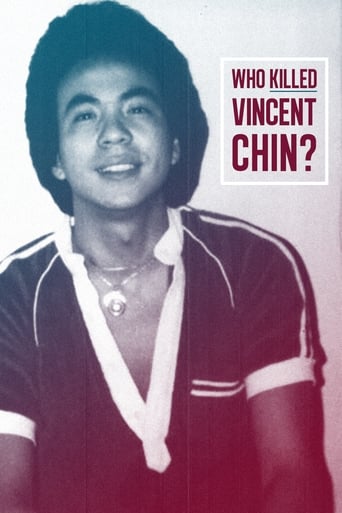
6.8This film recounts the murder of Vincent Chin, an automotive engineer mistaken as Japanese who was slain by an assembly line worker who blamed him for the competition by the Japanese auto makers that were threatening his job. It then recounts how that murderer escaped justice in the court system. Restored by the Academy Film Archive and The Film Foundation, in association with the Museum of Chinese in America. Restoration funding provided by the Hobson/Lucas Family Foundation, with additional support provided by Todd Phillips.
Who Killed Vincent Chin?
1987
 NR
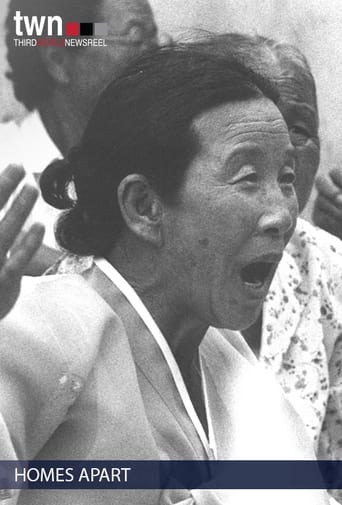
NRThey speak the same language, share a similar culture and once belonged to a single nation. When the Korean War ended in 1953, ten million families were torn apart. By the early 90s, as the rest of the world celebrated the end of the Cold War, Koreans remain separated between North and South, fearing the threat of mutual destruction. Beginning with one man's journey to reunite with his sister in North Korea, filmmakers Takagi and Choy reveal the personal, social and political dimensions of one of the last divided nations on earth. The film was also the first US project to get permission to film in both South & North Korea.
Homes Apart: Korea
1991
 NR
NRBased on the play, "Pigeons," by Ginny Lim, this film focuses on the meeting between an older immigrant and younger American-born woman living in Chinatown. The linkages in their pasts and possible futures unfold as their friendship grows.
Fei Tien: Goddess in Flight
1983
Film credits
Behind the camera
6.0This documentary examines the re-settlement of South-East Asian refugees in the United States in the aftermath of the Vietnam War. The film begins with a montage of riveting footage depicting the devastating effects of the war. It then unveils the mixed reception given Vietnamese refugees in the United States, from battles with local fishermen in Monterey, California, to conflicts in Philadelphia where their arrival in the city's poorest neighborhoods kindled resentment in the Black community. The film also explores their struggle to cope with life in the U.S. and maintain their identity.
Bittersweet Survival: Southeast Asian Refugees in America
1982
NRTells the story of Larry and Trudie Long, a popular Asian American nightclub act of the '40s and '50s, told through the eyes of their daughter, actress Jodi Long.
Long Story Short
2008
NRTells the story of Larry and Trudie Long, a popular Asian American nightclub act of the '40s and '50s, told through the eyes of their daughter, actress Jodi Long.
Long Story Short
2008
6.8This film recounts the murder of Vincent Chin, an automotive engineer mistaken as Japanese who was slain by an assembly line worker who blamed him for the competition by the Japanese auto makers that were threatening his job. It then recounts how that murderer escaped justice in the court system. Restored by the Academy Film Archive and The Film Foundation, in association with the Museum of Chinese in America. Restoration funding provided by the Hobson/Lucas Family Foundation, with additional support provided by Todd Phillips.
Who Killed Vincent Chin?
1987
NRThey speak the same language, share a similar culture and once belonged to a single nation. When the Korean War ended in 1953, ten million families were torn apart. By the early 90s, as the rest of the world celebrated the end of the Cold War, Koreans remain separated between North and South, fearing the threat of mutual destruction. Beginning with one man's journey to reunite with his sister in North Korea, filmmakers Takagi and Choy reveal the personal, social and political dimensions of one of the last divided nations on earth. The film was also the first US project to get permission to film in both South & North Korea.
Homes Apart: Korea
1991
NRThey speak the same language, share a similar culture and once belonged to a single nation. When the Korean War ended in 1953, ten million families were torn apart. By the early 90s, as the rest of the world celebrated the end of the Cold War, Koreans remain separated between North and South, fearing the threat of mutual destruction. Beginning with one man's journey to reunite with his sister in North Korea, filmmakers Takagi and Choy reveal the personal, social and political dimensions of one of the last divided nations on earth. The film was also the first US project to get permission to film in both South & North Korea.
Homes Apart: Korea
1991
NRBased on the play, "Pigeons," by Ginny Lim, this film focuses on the meeting between an older immigrant and younger American-born woman living in Chinatown. The linkages in their pasts and possible futures unfold as their friendship grows.
Fei Tien: Goddess in Flight
1983
 NR
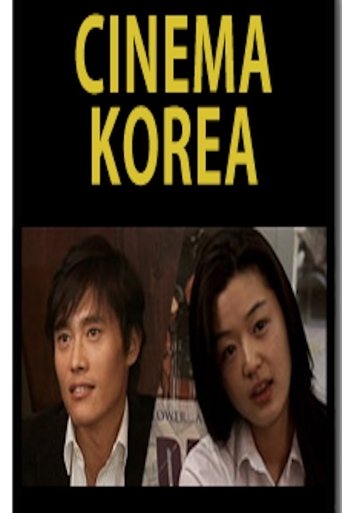
NRAcademy Award-nominated director Christine Choy brings together interviews with actors and directors, archival footage of classic Korean films and accounts of defining historical events to give a fully rounded view of Korean film culture. Interviewees include Im Kwon-taek, Kim Ki-duk, Jang Dong-gun, Jeon Ji-hyun, Lee Byung-hun, Kwak Kyung-taek, Bang Eun-jin.
Cinema Korea
2009
Peppered with clips from their seminal movies, Christine Choy draws fascinating insights from a who’s who of Asian directors making films in the 90s, including Wong Kar-Wai, Ang Lee, Zhang Yimou, Tony Chan, Wayne Wang and John Woo.
Electric Shadow
1998
 7.0
7.0This film exposes the daily humiliation regularly faced by women in U.S. prisons using firsthand accounts of inmates at the North Carolina Correctional Center for Women and the Correctional Institute for Women at Riker's Island, New York.
Inside Women Inside
1978
 NR
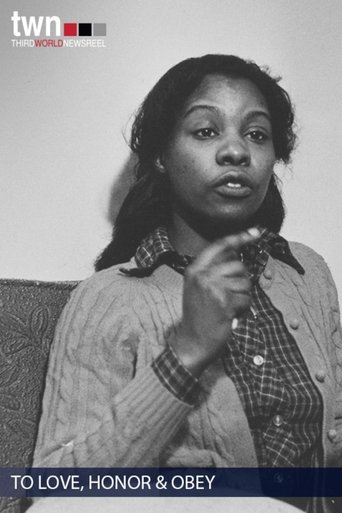
NRThis film explores the social, psychological and cultural factors that contribute to violence against women regardless of ethnicity or economic background. Survivors, safe house administrators, counselors, police officers, and male abusers in counseling explore the many factors that contribute to the pervasiveness of this tragic aspect of American family life. Shot in battered women's shelters, urban and suburban neighborhoods, counseling centers, and even in a county jail where a woman has been incarcerated for the murder of her abusive husband
To Love, Honor and Obey
1980
 NR
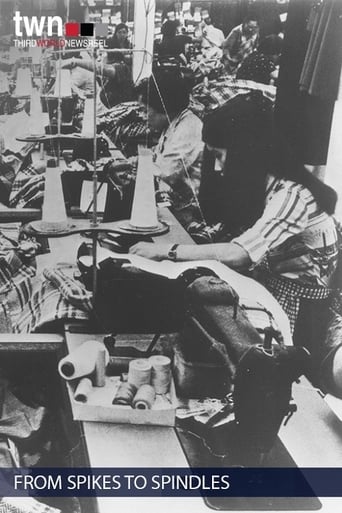
NRThis raw, gutsy portrait of New York's Chinatown captures the early days of an emerging consciousness in the community. We see a Chinatown rarely depicted, a vibrant community whose young and old join forces to protest police brutality and hostile real estate developers. With bold strokes, it paints an overview of the community and its history, from the early laborers driving spikes into the transcontinental railroad to the garment workers of today.
From Spikes to Spindles
1976
 7.3
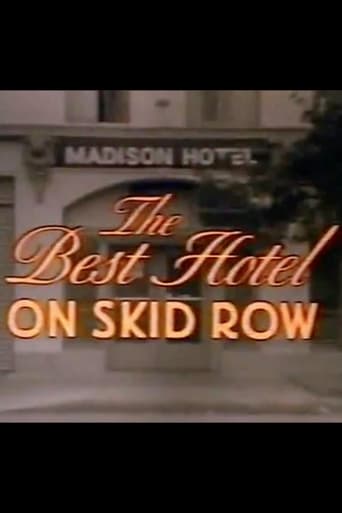
7.3America Undercover goes to the Madison Hotel in the skid-row section of downtown Los Angeles and talks to some of the desperate people living there. It talks to a prostitute and heroin addict named Becky, a drug dealer and traveler names John, and an heavy drinking alcoholic named Jack Woodrow Wilson.
The Best Hotel on Skid Row
1990
 NR
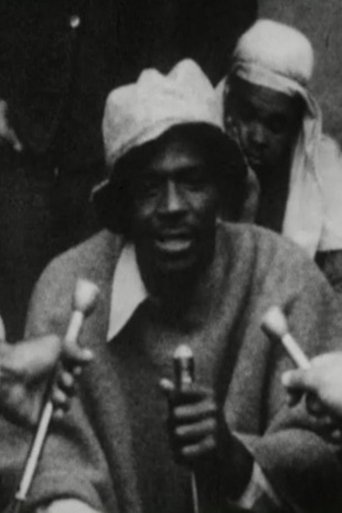
NRThis film focuses on the historic 1971 Attica prison rebellion in upstate New York. It targets the conditions that caused prisoners to take drastic steps toward securing their basic rights. The film questions the reactions of prison warden Oswald, New York governor Nelson Rockefeller and President Nixon, as well as the death of 31 inmates and prison guards from bullets fired by the National Guard. Through on-site footage taken during and following the rebellion, and follow-up interviews with inmates, this film relates a powerful message concerning prisoner's rights and provides an important historical document. A Third World Newsreel production about the 1971 rebellion at Attica State Prison.
Teach Our Children
1972
NRThis film focuses on the historic 1971 Attica prison rebellion in upstate New York. It targets the conditions that caused prisoners to take drastic steps toward securing their basic rights. The film questions the reactions of prison warden Oswald, New York governor Nelson Rockefeller and President Nixon, as well as the death of 31 inmates and prison guards from bullets fired by the National Guard. Through on-site footage taken during and following the rebellion, and follow-up interviews with inmates, this film relates a powerful message concerning prisoner's rights and provides an important historical document. A Third World Newsreel production about the 1971 rebellion at Attica State Prison.
Teach Our Children
1972
Documentary by Christine Choy
Yellow Tale Blues: Two American Families
1991
 7.0
7.0The film investigates the death of Japanese exchange student Yoshi Hattori, killed in Baton Rouge, Louisiana, on October 17, 1992.
The Shot Heard 'Round the World
1997
7.0The film investigates the death of Japanese exchange student Yoshi Hattori, killed in Baton Rouge, Louisiana, on October 17, 1992.
The Shot Heard 'Round the World
1997
7.0The film investigates the death of Japanese exchange student Yoshi Hattori, killed in Baton Rouge, Louisiana, on October 17, 1992.
The Shot Heard 'Round the World
1997
Looking back over 20 years later at the Los Angeles riots in Koreatown as a result of the Rodney King verdict.
Rodney King: Koreatown Reacts
—
Looking back over 20 years later at the Los Angeles riots in Koreatown as a result of the Rodney King verdict.
Rodney King: Koreatown Reacts
—
 NR
NR"Out in Silence" is one of a few films dealing with the HIV and Aids epidemic in the early 90's among the Asian American community. Filmed in New York, Guam and Hawaii, portrait of two people and how they are dealing with issues of homophobia the lack of support from the communities and family.
Not A Simple Story; Out in Silence
1994
 NR
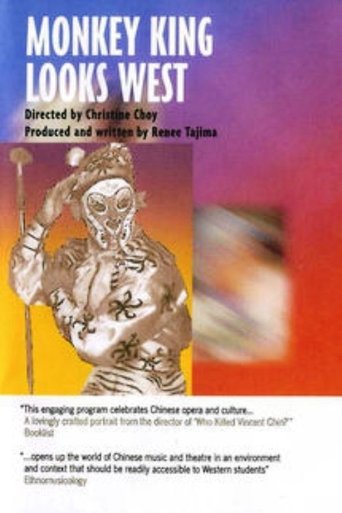
NRThis colorful production contrasts the rich heritage of Chinese opera with the day-to-day realities of its emigréperformers in New York's Chinatown. It depicts the efforts of three classically-trained opera artists to keep alive their revered art form for the generation of young Chinese-Americans who would otherwise not be exposed to their tradition.In the time-worn pattern of immigrant life, they spend their days grinding out a living. In their spare time each performs and teaches Chinese opera. Scenes from the classic work Monkey King Looks West stand as a metaphor for cultural survival.
Monkey King Looks West
1992
Agent Yellow is a powerful indictment of the U.S. government’s systematic prejudice against Chinese-American scientists. The film focuses on the mistreatment of Chinese scientists who contributed significantly to American military research, specifically describing the tragic cases of Dr. Wen Ho Lee and Dr. Tsien Hsue-Shen.
Agent Yellow
2006
Agent Yellow is a powerful indictment of the U.S. government’s systematic prejudice against Chinese-American scientists. The film focuses on the mistreatment of Chinese scientists who contributed significantly to American military research, specifically describing the tragic cases of Dr. Wen Ho Lee and Dr. Tsien Hsue-Shen.
Agent Yellow
2006
 7.0
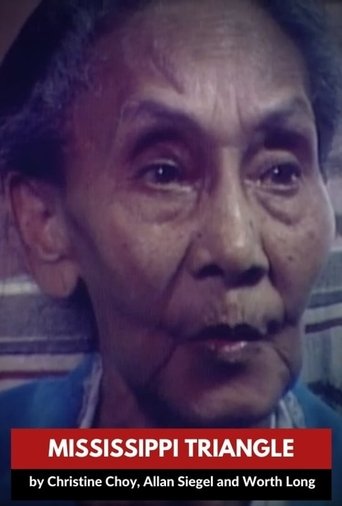
7.0This is an intimate portrait of life in the Mississippi Delta, where Chinese, African Americans and Whites live in a complex world of cotton, work, and racial conflict. The history of the Chinese community is framed against the harsh realities of civil , religion, politics, and class in the South. Rare historical footage and interviews of Delta residents are combined to create this unprecedented document of inter-ethnic relations in the American South.
Mississippi Triangle
1984
7.0This is an intimate portrait of life in the Mississippi Delta, where Chinese, African Americans and Whites live in a complex world of cotton, work, and racial conflict. The history of the Chinese community is framed against the harsh realities of civil , religion, politics, and class in the South. Rare historical footage and interviews of Delta residents are combined to create this unprecedented document of inter-ethnic relations in the American South.
Mississippi Triangle
1984
 10.0
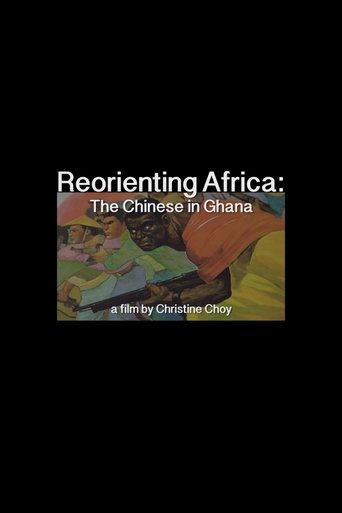
10.0A personal journey by Oscar nominee Christine Choy discovering the impact of Chinese Development in Africa.
ReOrienting Africa: The Chinese in Ghana
2016
 8.0
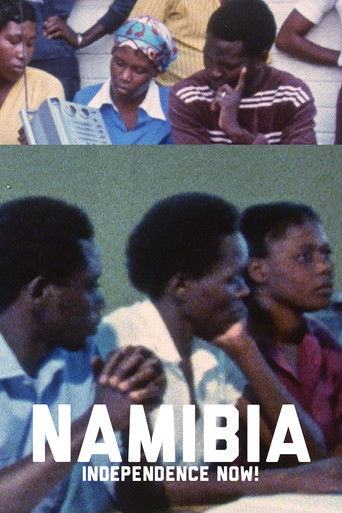
8.0A revolutionary political moment is captured firsthand by two independent women filmmakers shooting inside refugee settlements in Zambia and Angola in 1985. Depicting the significant role of women in this struggle for independence, this film explores the lives of exiled women workers attempting to free their country from illegal exploitation.
Namibia: Independence Now!
1985
 9.5
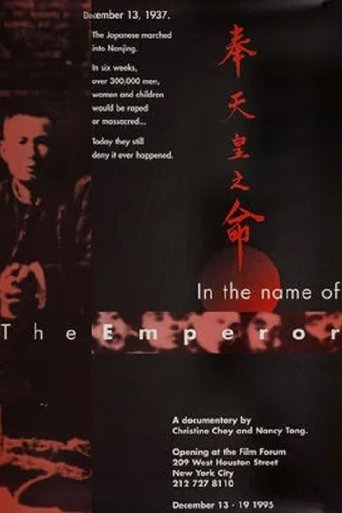
9.5A matter-of-fact documentary of the massacre of over 300,000 Chinese civilians by the Japanese in the so-called 'Rape of Nanjing' in 1937. In the name of the Japanese emperor Hirohito, the desperate soldiers, enraged by intense Chinese resistance, stormed the then capitol of China and over a six week period systematically raped, tortured, and killed many of the inhabitants of that city. This is a matter-of-fact although polemical documentary, with many of the horrifyingly intense images taken from home movies made by an American missionary who was there.
In The Name of the Emperor
1998
9.5A matter-of-fact documentary of the massacre of over 300,000 Chinese civilians by the Japanese in the so-called 'Rape of Nanjing' in 1937. In the name of the Japanese emperor Hirohito, the desperate soldiers, enraged by intense Chinese resistance, stormed the then capitol of China and over a six week period systematically raped, tortured, and killed many of the inhabitants of that city. This is a matter-of-fact although polemical documentary, with many of the horrifyingly intense images taken from home movies made by an American missionary who was there.
In The Name of the Emperor
1998
In a rural village of southwestern China a bevy of young girls yearn for an education. Their parents are poor and illiterate. It is difficult for them to scrape together the money to send their daughters to school in another village. The money for tuition, books, and room and board away from home is often more than parents can spare.We follow several as they make the weekly three-hour trek to the local school. Among the teachers there is only one female who is an inspiration to them all. She encourages them in their studies and challenges them to progress. But we also witness the pain of one family who simply cannot pay for their daughter's schooling. She must drop out and put off her dreams for a while. The son who is less talented is favored for schooling.Beautifully photographed in the lush mountain greenery, these fresh faced girls hold onto their hopes of becoming teachers and doctors against great odds.
Sparrow Village
2003
 NR
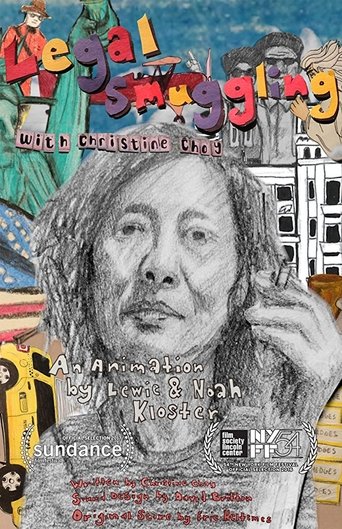
NRAcademy Award–nominated filmmaker Christine Choy undergoes a wild adventure when she illegally—and accidentally—smuggles cigarettes across the Canadian border.
Legal Smuggling with Christine Choy
2016
 7.0
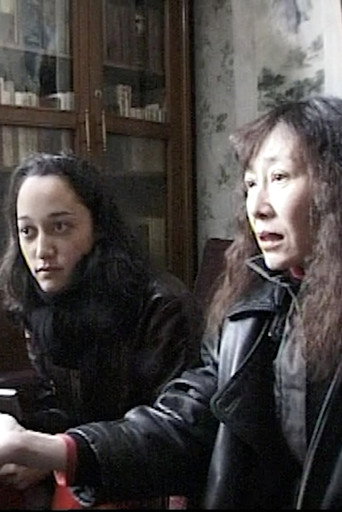
7.0In 1992 the filmmaker Christine Choy returned to Shanghai for the first time in over thirty years: to track down the title of her family’s house that her mother abandoned on leaving China for the U.S. in the early 1960’s and to locate an old schoolmate. This is a documentary journal recorded over a period of eight years.
Ha Ha Shanghai
2001